Category
Manufacturer
Model
Wright
Wright is known for its manufacturing equipment focused on the metalworking industry. They provide a range of machinery including CNC machines and lathes, which are essential for precision machining.
FAQ:
What types of metalworking equipment does Wright manufacture?
Wright is a manufacturer focused on the metalworking industry, producing a range of machinery designed for precision machining applications. Their product lineup includes CNC machines and lathes, which are workhorses in both production shops and job shops. Beyond machine tools, Wright also produces industrial equipment such as positive displacement pumps, which are used in fluid handling applications within manufacturing environments. The brand covers enough ground that buyers should clarify exactly which Wright product line they are sourcing, since "Wright" can refer to different manufacturers depending on the equipment category.
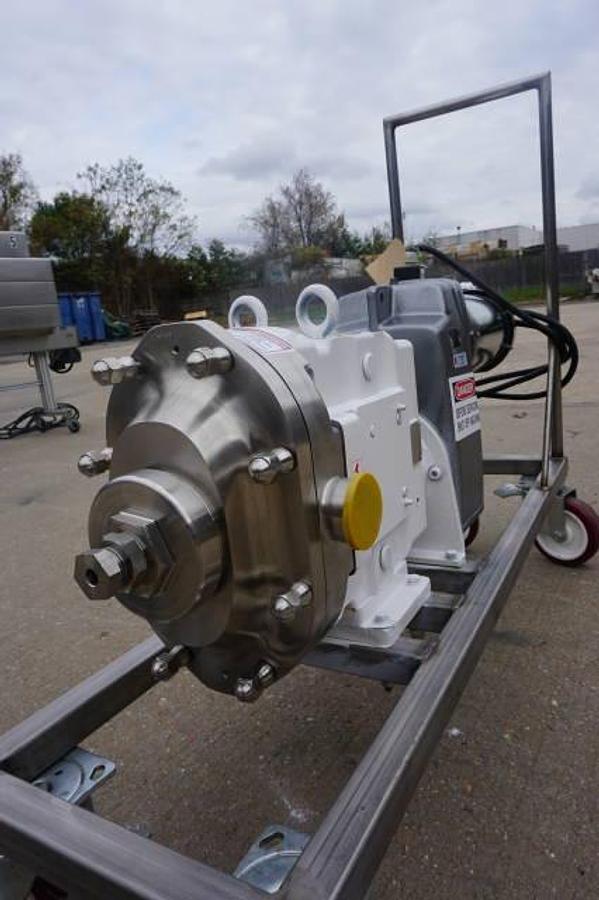
For buyers shopping the used market, the most commonly available Wright equipment tends to be machine tools and industrial pumps. A Wright 0450 Stainless Steel Positive Displacement Pump, for example, is a portable unit suited for sanitary or corrosive fluid transfer, which reflects the brand's reach beyond traditional cutting machinery. Understanding the specific model and its intended application before purchasing is especially important with used equipment, since the condition and remaining service life will vary considerably from one machine to the next.
Where can I find used Wright metalworking equipment for sale?
Used Wright metalworking equipment is available through several channels, though inventory tends to be limited given that Wright is a niche brand. Specialized used machinery dealers are often the best starting point, since they vet equipment before listing it, can provide inspection opportunities, and have the industry knowledge to accurately describe a machine's condition and history. Industrial auction platforms and surplus equipment marketplaces also carry Wright machines periodically, though buyers on those platforms typically have less recourse if a machine turns out to be in worse condition than expected.
When evaluating any source, the reputation and track record of the seller matters considerably. A dealer who specializes in metalworking machinery will generally be able to answer detailed questions about a specific machine, arrange in-person or video inspections, and help buyers understand the full landed cost including rigging, crating, and freight. Buying from a generalist auction with no inspection option carries more risk, particularly for precision equipment where wear on critical components like spindles or lead screws directly affects the machine's usability.
What should I inspect when buying used Wright metalworking equipment?
Inspecting used metalworking equipment thoroughly before purchase is the single most important step a buyer can take, since these machines are typically sold as-is with no warranty coverage. For machine tools like lathes and CNC machines, the key inspection points include spindle runout, which indicates bearing wear and directly affects machining accuracy; table flatness, which can reveal crashes or long-term wear; and backlash in the lead screws, which affects how precisely the machine can be positioned. Structural integrity matters too, including checking for cracks in castings, bent or damaged components, and signs of previous repairs that may have been done improperly.
For industrial equipment like positive displacement pumps, inspection should focus on seal condition, housing wear, and evidence of corrosion or chemical damage, particularly on stainless steel units that may have handled aggressive fluids. Buyers should request an in-person inspection whenever possible, or ask the dealer to provide detailed video footage of the machine running through its paces. Many reputable dealers will accommodate both options. It is also worth contacting the manufacturer directly to understand what level of technical support, documentation, and parts availability exists for the specific model being considered, since older or discontinued models may have limited support.
Does Wright metalworking equipment come with a warranty when purchased used?
Used metalworking equipment is generally sold as-is, which is standard practice across the used machinery industry. Warranties are typically only provided by manufacturers on new equipment, and that coverage does not transfer through subsequent sales. This means the responsibility for assessing condition falls squarely on the buyer before the transaction is completed, not after. Buyers who skip a thorough inspection are taking on significant risk, especially with precision machinery where hidden wear can be expensive to correct.
The practical way to manage this risk is to work with reputable dealers who have a long history in the metalworking machinery business, request detailed inspections before committing to a purchase, and consult the manufacturer about parts and service support for the specific model. A dealer with deep experience in the industry will be transparent about a machine's condition and limitations, which is far more valuable than any paper warranty. Buyers should also factor potential reconditioning or service costs into their budget when evaluating the total cost of acquiring used equipment.
How does Wright metalworking equipment compare in quality to other machine tool brands?
Wright occupies a niche position in the metalworking machinery market, and direct comparisons to larger, more widely distributed brands like Bridgeport or South Bend depend heavily on the specific equipment category and model. Bridgeport and South Bend have extensive dealer networks, large aftermarket parts ecosystems, and decades of documented performance data from machinists worldwide, which makes them easier to evaluate and support. Wright's more specialized product range means buyers may encounter less published information about specific models, which puts more emphasis on hands-on inspection and dealer expertise.
That said, brand name alone is not the most reliable indicator of whether a specific used machine is a good buy. A well-maintained Wright machine in excellent condition can outperform a neglected machine from a more prestigious brand. The condition, maintenance history, and application fit of the individual machine matter more than the nameplate when purchasing used equipment. Buyers who are less familiar with Wright's specific models benefit from working with dealers who have direct experience with the brand and can provide context on how a particular machine has held up over time.
Are replacement parts and accessories readily available for used Wright metalworking equipment?
Parts availability is one of the more important practical considerations for buyers of used Wright metalworking equipment, particularly for older or discontinued models. Because Wright is a niche brand with a narrower installed base than some of the more dominant machine tool manufacturers, sourcing replacement parts can require more effort. Buyers should contact the manufacturer directly before purchasing to ask specifically about parts availability for the model in question, since the answer can vary significantly depending on the age and production status of the machine.
When manufacturer parts are not available, third-party suppliers and machine rebuild specialists are often able to source or fabricate components. For equipment like positive displacement pumps, generic seal kits and wear components may be available from industrial supply distributors even when brand-specific parts are discontinued. Machinists and maintenance technicians with experience in the relevant equipment category are a valuable resource for identifying viable parts alternatives. Factoring the cost and difficulty of parts sourcing into the purchase decision is a sound practice with any used industrial equipment.
What is the typical price range for used Wright metalworking equipment?
Pricing for used Wright metalworking equipment varies widely based on the type of machine, its age, condition, and current market demand. Industrial pumps like the Wright 0450 Positive Displacement Pump will be priced differently than a CNC machine or lathe, and within each category, a machine in excellent working condition commands a significant premium over one that needs reconditioning. As a general reference point, used industrial pumps in good condition can range from a few hundred to several thousand dollars depending on size and specification, while used CNC machines and precision lathes can range from a few thousand dollars for older manual machines to tens of thousands for more capable or recently serviced units.
Buyers should treat the listed price as a starting point and calculate the full landed cost before making a decision. Rigging, crating, freight, and any required reconditioning or tooling can add substantially to the initial purchase price. Getting quotes on shipping and rigging before finalizing a deal is a standard step that experienced buyers rarely skip. Working with a dealer who can provide a clear picture of all costs upfront helps avoid surprises and makes it easier to compare options accurately.
How does the inspection process work when buying used metalworking equipment from a dealer?
Reputable used machinery dealers typically offer buyers several ways to inspect equipment before committing to a purchase. In-person inspections are the most thorough option and allow a buyer or their technician to physically examine the machine, check for wear, run it through its functions, and ask detailed questions on the spot. Many dealers also accommodate virtual inspections via video call, which is a practical option for buyers who are geographically distant. Some dealers will provide detailed video recordings of a machine in operation as a baseline, though a live inspection is preferable for high-value purchases.
It is worth noting that most equipment dealers do not have the permits or production infrastructure to run actual manufacturing processes on their floor, so inspections are generally limited to demonstrating that the machine powers on, moves through its axes or cycles, and shows no obvious mechanical defects. For machines that are still in service at a customer facility before being decommissioned, it may be possible to arrange an inspection at the production site, where the machine can be observed under real working conditions. Buyers should ask the dealer specifically about what the inspection will cover and what conditions the machine will be demonstrated under.
What are the shipping and rigging considerations for used metalworking equipment?
Shipping used metalworking equipment requires more planning than standard freight because of the weight, size, and sensitivity of most machines. Proper packaging is critical to preventing damage in transit. Smaller equipment may be palletized and stretch-wrapped, while larger or more fragile machines typically require custom crating to protect precision surfaces and components. The level of packaging required directly affects shipping costs, and buyers should ask dealers for a detailed breakdown of crating, rigging, and freight charges before finalizing a purchase to understand the true landed cost.
Larger machines often require specialized rigging equipment for loading and unloading, which adds to the overall cost. Forklifts, cranes, or rigging crews may be needed depending on the machine's weight and configuration. On the receiving end, buyers need to confirm they have the equipment and space to unload and position the machine safely. Some dealers have established relationships with freight and rigging companies and can coordinate the full logistics chain, which simplifies the process for buyers who are less familiar with heavy equipment transport.
Is used Wright metalworking equipment suitable for professional machine shops?
Used Wright metalworking equipment can be a practical choice for professional machine shops, provided the specific machine is in good working condition and meets the shop's precision and capacity requirements. Professional environments demand reliable, accurate equipment, so the condition of the machine at the time of purchase is the determining factor rather than the brand alone. A used machine that has been well maintained and is within acceptable tolerance on critical measurements like spindle runout and table flatness can perform reliably in a production setting.
For shops evaluating used equipment, the decision often comes down to balancing acquisition cost against the risk of downtime or reconditioning expenses. Buying from a dealer with specific experience in metalworking machinery reduces that risk, since an experienced dealer can provide an honest assessment of a machine's condition and remaining service life. Shops should also consider parts availability and manufacturer support for the specific model, since production environments have less tolerance for extended downtime waiting on hard-to-source components. A pre-purchase inspection by a qualified machinist or service technician is a worthwhile investment for any significant acquisition.