Category
Manufacturer
Model
World Cup
World Cup is a well-known provider of equipment for the sports and recreation industry. They specialize in manufacturing sports field maintenance machinery, which is crucial for maintaining the quality of athletic fields.
FAQ:
What is a World Cup rotary cup filling and sealing machine?
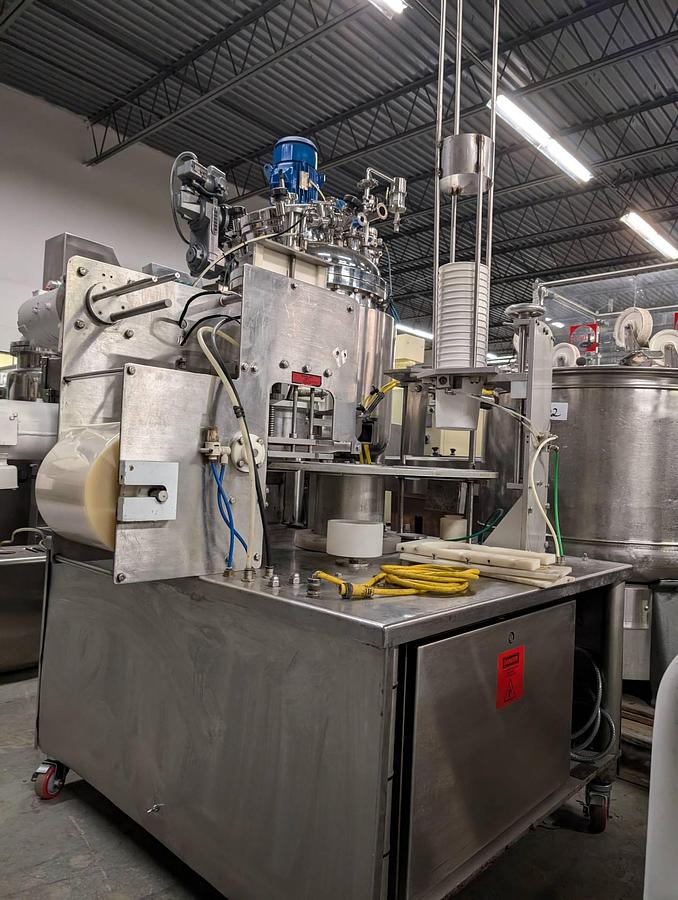
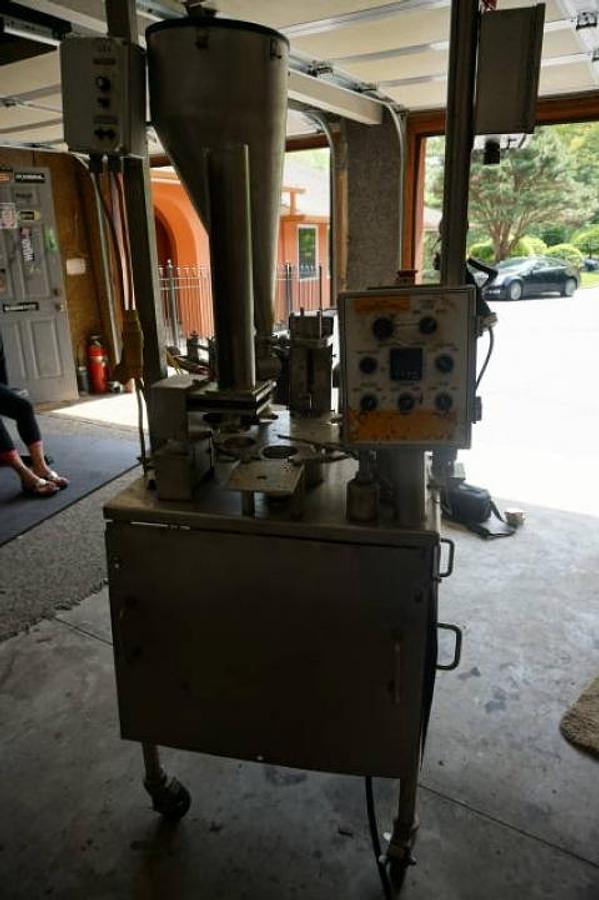
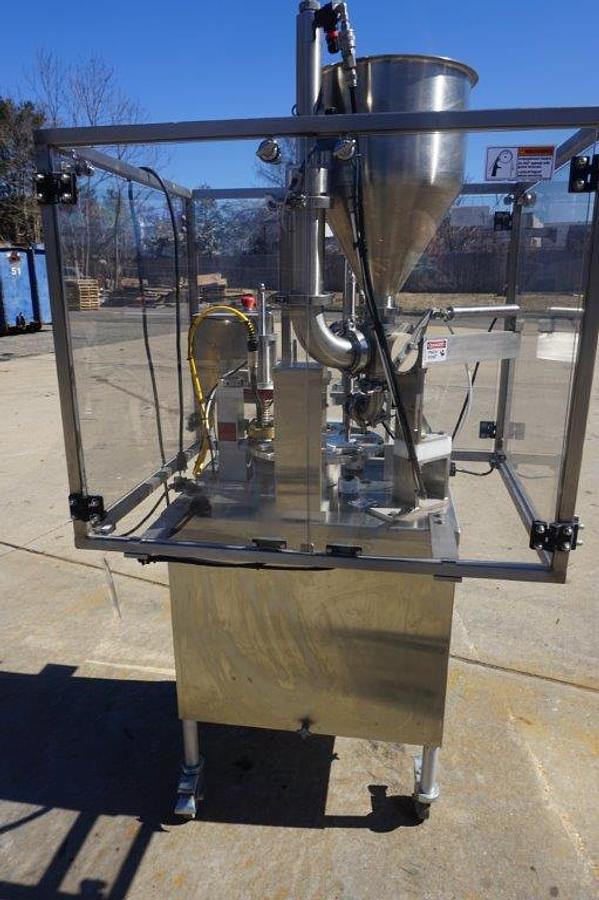
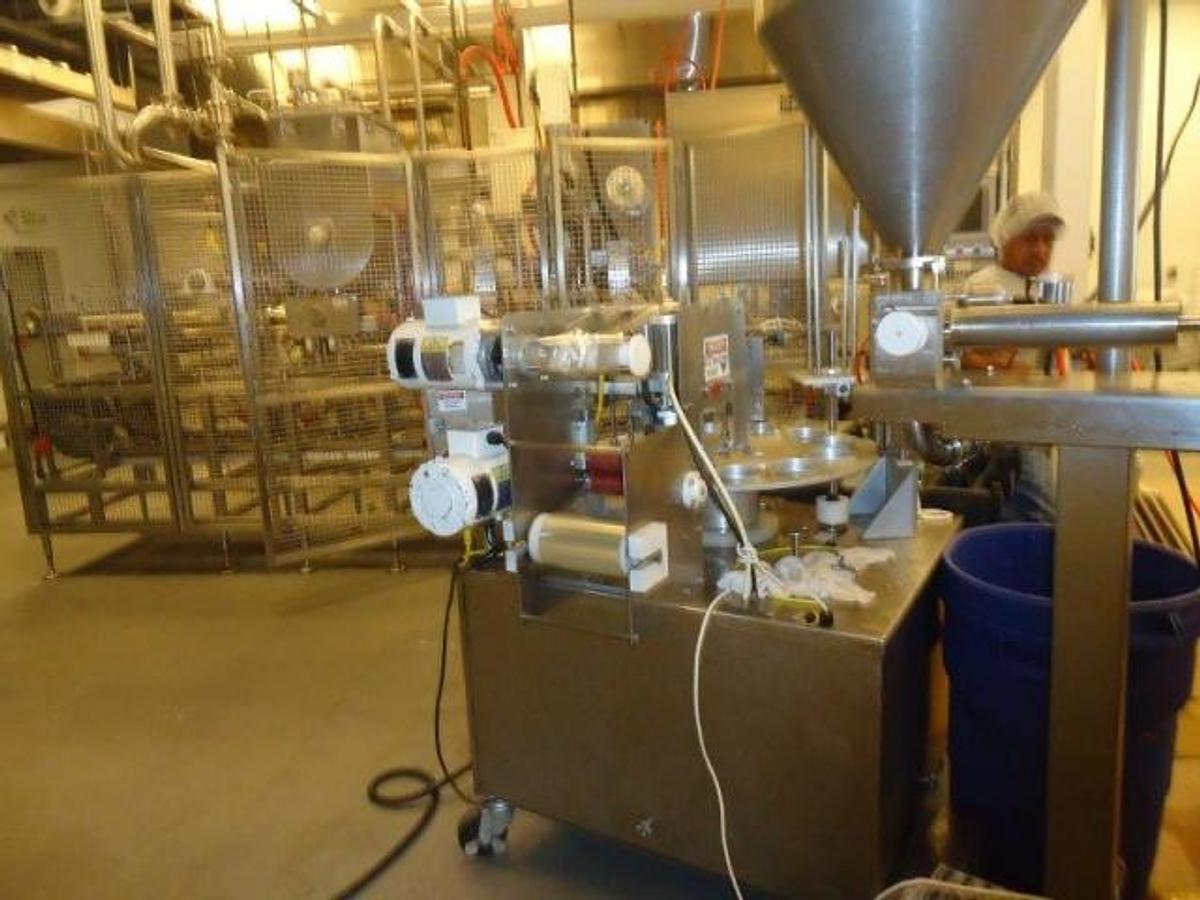
World Cup is a recognized manufacturer of commercial cup filling and sealing equipment used in beverage production environments. Their rotary machines are designed to automatically fill cups with a liquid or semi-liquid product and then heat-seal a film lid over the top, creating an airtight, spill-resistant closure. The rotary design means cups move through filling and sealing stations on a rotating platform, which allows for continuous production rather than stopping and starting for each cup. Models like the World Cup 8-12 and 8-80 are purpose-built for commercial throughput and are commonly found in juice bars, bubble tea shops, coffee operations, and food production facilities.
The machines use a heat-sealing process where a roll of PE or PP-based film is fed over the cup opening and bonded to the rim using a heated die. This creates a consistent, tamper-evident seal that extends shelf life and prevents leaks during handling or transport. Programmable sealing temperature and adjustable fill volumes are standard features on most models, allowing operators to dial in settings for different cup sizes and product viscosities. The stainless steel construction on food-contact surfaces makes these machines suitable for regulated food and beverage production environments.
How many cups per minute can a World Cup filling sealing machine produce?
Output varies by model and configuration. Based on available used machine listings, World Cup rotary cup fillers and sealers are documented at production rates of 40 to 45 cups per minute, which translates to roughly 2,400 to 2,700 cups per hour under continuous operation. The specific model, the product being filled, and the cup size all influence actual throughput in a production setting. For example, thicker or more viscous products may require slower fill cycles to maintain accuracy, while thin liquids can typically be filled at the machine's rated maximum speed.
For buyers evaluating used equipment, it is worth confirming the rated speed of the specific model being considered, since different World Cup models carry different output specifications. The 8-12 model, for instance, is listed at 45 cups per minute in at least one documented configuration. High-volume operations processing thousands of cups per shift will want to verify that the machine's rated capacity aligns with their production targets before purchase, and factor in realistic efficiency rates that account for changeovers, cleaning cycles, and any downtime.
What cup sizes and materials are compatible with World Cup cup filling sealing machines?
World Cup filling and sealing machines are generally engineered to handle a range of cup diameters, with common rim sizes in the 90mm to 95mm range being typical for commercial beverage cups. The World Cup 8-80 model, for example, is documented with a 4-7/8 inch cup diameter specification, which falls within that standard commercial range. Compatibility with specific cup sizes depends on the tooling and dies installed on the machine, and some machines can be retooled to accommodate different diameters.
In terms of materials, these machines are typically compatible with PP (polypropylene), PET, and paper cups, provided the cup rim is suitable for heat sealing. The sealing film must also be matched to the cup material to ensure a proper bond. Buyers purchasing used equipment should confirm which cup formats the machine was configured for during its prior production life, and consult with a cup supplier or the original manufacturer to verify that their intended cup stock will seal correctly with the machine's existing tooling. Switching cup formats may require purchasing additional dies or adjustment hardware.
What types of beverages can be filled using a World Cup cup filling sealing machine?
World Cup cup filling and sealing machines are widely used across the commercial beverage industry for products including bubble tea, fruit juices, cold brew coffee, iced tea, smoothies, flavored water, and other cold or ambient-temperature drinks. The machines are also used in some food applications for portioned products like soups, sauces, or yogurt-style items, depending on the fill head configuration. The key factor is whether the product's viscosity and particulate size are compatible with the machine's fill valve design, since products with large inclusions (like tapioca pearls or fruit chunks) may require a specific fill head type to prevent clogging or inaccurate fill volumes.
Hot-fill applications are possible on some models but require verifying that the machine's components and the chosen sealing film are rated for elevated temperatures. Most commercial deployments of World Cup machines involve cold or room-temperature beverages in single-serve cup formats. When evaluating a used machine for a specific product, buyers should consider whether the prior use of the machine involved similar products and whether the fill head and sealing tooling are appropriate for their intended application.
What is the difference between a semi-automatic and a fully automatic cup filling sealing machine?
Semi-automatic machines require an operator to manually place cups into the machine and initiate each cycle, with the machine handling the filling and sealing steps automatically once the cup is positioned. These units tend to have lower output rates and a smaller footprint, making them a practical choice for lower-volume operations or businesses just scaling up their production. Labor costs are higher relative to output since an operator must be present and engaged throughout the run.
Fully automatic machines, including rotary models like those produced by World Cup, handle cup placement, filling, sealing, and discharge with minimal manual intervention. Once loaded with cups and film, the machine runs continuously at its rated speed, which is where the higher output figures of 40 to 45 cups per minute become achievable. These machines are better suited to high-volume production environments where labor efficiency and consistent output are priorities. The tradeoff is a higher purchase price, greater mechanical complexity, and more involved maintenance and sanitation procedures. For buyers considering used fully automatic equipment, understanding the machine's prior production history and current mechanical condition is especially important before committing to a purchase.
What should buyers know about purchasing a used World Cup cup filling sealing machine?
Used cup filling and sealing machines are sold as-is, meaning the buyer takes on responsibility for assessing the machine's condition before the transaction is finalized. Unlike purchasing directly from a manufacturer, used equipment does not come with a manufacturer's coverage, so due diligence during the inspection phase is critical. Buyers should prioritize working with dealers who have a documented track record in food and beverage equipment and who can provide detailed information about the machine's age, prior use, and current mechanical status. Asking for photos, video demonstrations, or arranging an in-person inspection are all reasonable steps before committing to a purchase.
It is also worth contacting the original manufacturer directly to understand what level of technical support, parts availability, and documentation they can provide for the specific model and production year being considered. Older models may have limited parts availability, which can affect long-term serviceability. For machines like the World Cup 8-12 manufactured in 2019, parts support is more likely to be available than for significantly older units. Buyers should also factor in the cost of any tooling, film stock, or replacement parts they may need to get the machine running for their specific cup format and product.
What type of sealing film is required for a World Cup cup filling sealing machine?
Cup filling and sealing machines use heat-activated film rolls to create the sealed lid on each cup. The film is typically made from PE (polyethylene) or PP (polypropylene) based materials, and it must be matched to both the cup material and the machine's sealing die specifications. Using the wrong film can result in poor seal adhesion, film tearing, or inconsistent seal quality, all of which create product loss and potential food safety concerns. Film rolls are available from packaging suppliers and should be specified by width, thickness, and material compatibility with the cup stock being used.
For buyers acquiring a used machine, it is a good idea to identify the film specifications the machine was previously running and source a comparable product from a packaging supplier. Some machines have adjustable sealing temperature controls that allow operators to fine-tune the heat applied to the film, which can help accommodate minor variations between film suppliers. If the machine's prior film source is unknown, consulting with a packaging materials supplier who has experience with cup sealing applications can help identify suitable options. Film rolls are a recurring consumable cost that should be factored into the overall operating budget for the equipment.
How easy is it to clean and maintain a World Cup cup filling sealing machine?
Commercial cup filling and sealing machines designed for food and beverage use are generally built with sanitation in mind. Stainless steel construction on product-contact surfaces makes cleaning more straightforward and helps meet food safety standards. Routine cleaning involves flushing or wiping down the fill head and any product pathways after each production run to prevent residue buildup, which is especially important with sugary beverages like bubble tea or juice that can leave sticky deposits if left to dry. The sealing station typically requires less frequent cleaning but should be inspected regularly for film debris or residue on the heating element.
Preventive maintenance on these machines involves checking and lubricating moving parts on the rotary mechanism, inspecting the sealing die for wear, and verifying that fill volume calibration remains accurate over time. For used machines, it is reasonable to expect that some wear-related maintenance may be needed sooner than on a machine with fewer hours of use. Buyers should ask the selling dealer about the machine's maintenance history if available, and plan for an initial inspection and service by a qualified technician familiar with cup filling equipment before putting the machine into production. Replacement parts such as sealing dies, fill valves, and drive components should be sourced and inventoried before production begins to minimize downtime if something needs attention.
Are World Cup cup filling sealing machines suitable for small businesses?
The suitability of a World Cup machine for a small business depends largely on the specific model and its output capacity relative to the business's production needs. At 40 to 45 cups per minute, a fully automatic rotary model like the World Cup 8-12 produces volume that is well above what a manual or entry-level semi-automatic machine can achieve, making it a good fit for businesses that have grown beyond hand-sealing or low-volume equipment. A bubble tea shop or juice bar processing several hundred to a few thousand cups per day would be in a reasonable range for this type of equipment.
For very small operations just starting out, the capital cost and operational complexity of a fully automatic rotary machine may exceed what is necessary. However, purchasing a used machine at a lower price point than a comparable unit from a manufacturer can make the economics more accessible for a growing small business. The key is matching the machine's capacity to realistic production demand and ensuring that the business has the space, utilities, and staff knowledge to operate and maintain the equipment properly. Consulting with a dealer who specializes in food and beverage packaging equipment can help a buyer determine whether a specific used model is appropriately sized for their operation.
What should buyers ask about shipping and inspection when purchasing a used cup filling sealing machine?
Shipping a commercial cup filling and sealing machine involves more logistics than standard freight because of the machine's weight, dimensions, and sensitivity to vibration or impact during transit. Buyers should ask the dealer specifically about how the machine will be packaged, whether it will be palletized or crated, and what rigging will be required for loading and unloading. Larger rotary machines may require a forklift or other heavy-duty equipment at the receiving location, which is an additional cost and logistical consideration the buyer needs to plan for. Getting a clear picture of the total landed cost, including packaging, freight, and any unloading requirements, before finalizing the purchase is important.
Inspection options typically include in-person visits, virtual walkthroughs via video call, or video recordings of the machine provided by the dealer. The goal is to get an accurate picture of the machine's current condition, including any visible wear, missing components, or signs of prior repairs. Some machines may still be installed at a production facility where an inspection can be arranged, while others will be at a dealer's warehouse. Keep in mind that most equipment dealers are not set up to run actual product through the machine during an inspection, since food production requires different permitting than equipment sales. Inspections focus on mechanical condition, completeness of components, and overall state of the machine rather than a live production test.