Category
Manufacturer
Model
Wittemann
Wittemann specializes in the design and manufacture of high-performance machines for the packaging industry. Their solutions are tailored to enhance productivity and ensure the integrity of packaged products.
FAQ:
What types of equipment does Wittemann manufacture?
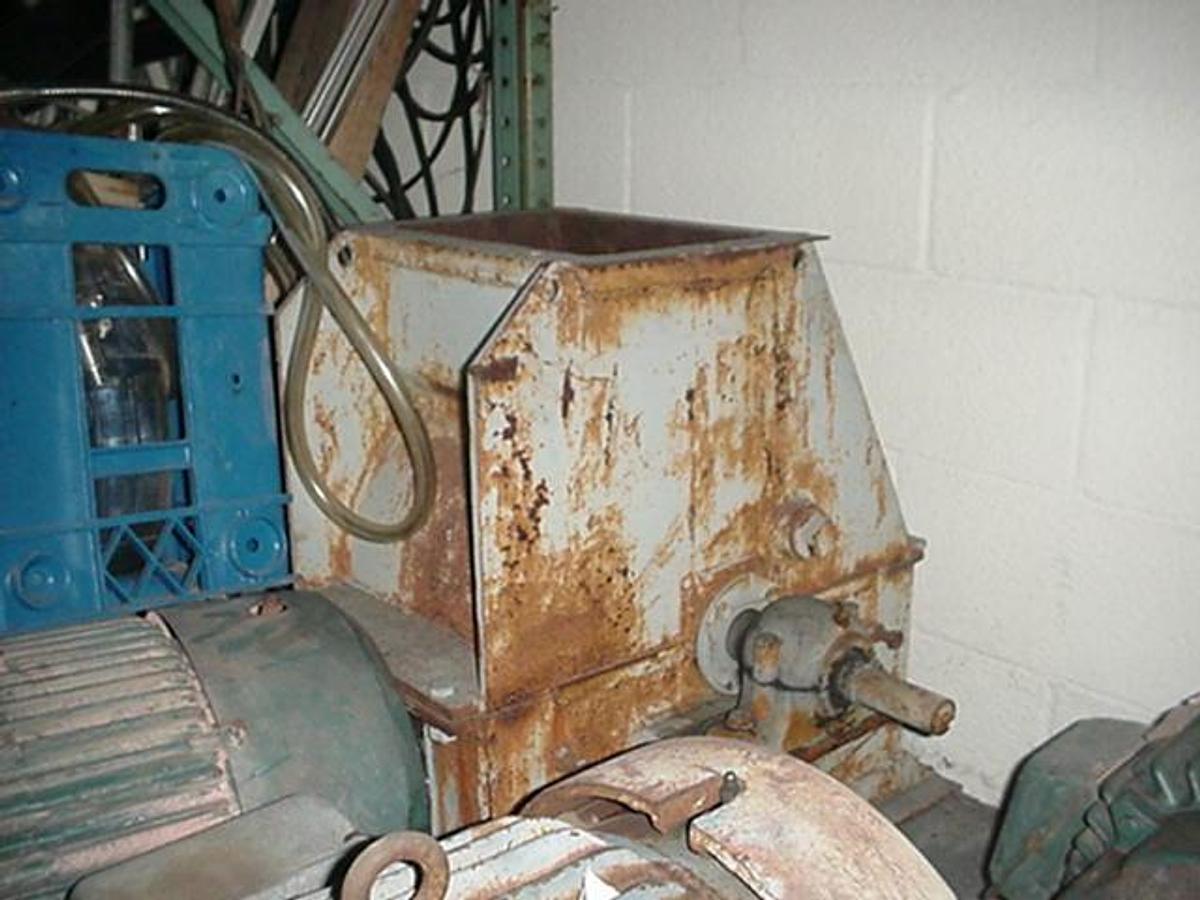
Wittemann has a long history as a manufacturer focused on CO2 gas recovery, purification, liquefaction, and storage systems. Their product lines include CO2 recovery plants, purification systems, liquefiers, storage vessels, vaporizers, and related gas handling infrastructure. Beyond CO2 processing, Wittemann also produces high-performance machinery for the packaging industry, with a focus on enhancing productivity and protecting product integrity throughout the packaging process. One example of their mechanical equipment is the Wittemann hammermill, available in configurations such as the 8-inch by 12-inch feed opening model.
The breadth of their manufacturing history means there is a substantial installed base of Wittemann equipment across many industries. Because the company has been operating for well over a century, buyers searching the secondary market will find a fairly wide variety of Wittemann machines available at any given time, from gas processing systems to size-reduction and packaging equipment. Understanding which product line a specific machine belongs to is an important first step before evaluating a used unit, since maintenance requirements, parts availability, and operational complexity vary significantly between CO2 processing systems and mechanical packaging machinery.
What industries use Wittemann industrial equipment?
Wittemann CO2 recovery and processing systems are used across several industries where carbon dioxide plays a central role in production or preservation. The food and beverage sector is one of the largest users, relying on CO2 for carbonation, modified atmosphere packaging, and freezing applications. Breweries are a particularly common customer, since fermentation produces CO2 as a byproduct that can be captured, purified, and reused on-site with the right recovery equipment. Chemical processing facilities and industrial gas producers also operate Wittemann systems as part of their gas handling infrastructure.
On the packaging side, Wittemann machinery serves manufacturers who need reliable, high-throughput equipment to maintain product integrity during packaging operations. The hammermill product line, for example, is relevant to industries requiring size reduction of bulk materials. Because Wittemann equipment spans both gas processing and mechanical manufacturing applications, used units appear across a wide range of industrial settings. Buyers evaluating a specific machine should research which industry it was originally deployed in, as operational environment and maintenance history can vary considerably between a brewery CO2 recovery plant and a packaging line installation.
What should I look for when buying used Wittemann CO2 processing equipment?
Pressure vessels and gas processing systems carry specific regulatory requirements that make the inspection process more involved than it is for general mechanical equipment. When evaluating used Wittemann CO2 recovery or liquefaction equipment, buyers should request documentation of ASME pressure vessel certifications and National Board registration numbers for any pressure-bearing components. Inspection records and service history are equally important, as they give a clearer picture of how the equipment was maintained and whether it has been subject to repairs or modifications over its service life. Consulting with the original manufacturer about parts availability and technical support for the specific model and age of the equipment is also a sound step before committing to a purchase.
Beyond paperwork, physical inspection is critical. Reputable used equipment dealers will typically accommodate in-person inspections, virtual walkthroughs, or video documentation of the machine so buyers can assess its current condition firsthand. Some equipment may still be installed and operating at the facility where it is being sold, which gives buyers an opportunity to see it running under real production conditions. Keep in mind that most dealers are not set up to run full production tests on CO2 systems, since operating such equipment requires permitting and infrastructure that a resale facility does not normally have. The goal of any inspection is to get an accurate, honest picture of the machine's current working order before the sale is finalized.
How do I verify the condition of a used Wittemann hammermill before purchasing?
Hammermills are mechanical size-reduction machines with wear components that degrade over time, so condition assessment focuses on different factors than it would for a pressure vessel. Key areas to evaluate include the condition of the hammers, liners, and screens, as these are the parts most subject to wear and will directly affect performance after purchase. Checking the feed opening dimensions against the listed specifications (such as the 8-inch by 12-inch configuration) ensures the machine matches the application requirements. Bearing condition, shaft integrity, and the state of the drive components are also worth examining closely, since these can be expensive to replace.
Buyers should ask the dealer for any available maintenance logs or service records. If the machine is still installed at a production facility, arranging an in-person inspection through the dealer is the most reliable way to assess its condition. For buyers who cannot travel, many dealers offer video inspections or detailed photo documentation. It is also worth contacting Wittemann or authorized service providers to ask about parts availability for the specific model, since older machines may have components that are harder to source. Understanding the full picture of what the machine will need before it is production-ready helps buyers accurately calculate the total cost of acquisition beyond just the purchase price.
Are replacement parts available for used Wittemann equipment?
Parts availability for used Wittemann equipment depends heavily on the age and model of the machine in question. Wittemann has been manufacturing equipment for well over a century, which means some older systems may have components that are no longer produced or stocked by the manufacturer. For more recent models, direct contact with Wittemann is the most reliable way to confirm what parts are available and at what lead times. Buyers should have this conversation before finalizing a purchase, not after, since parts scarcity can significantly affect the long-term operating cost and uptime of the equipment.
For older machines where manufacturer support is limited, aftermarket fabrication and third-party machining are sometimes viable options for wear parts and mechanical components. CO2 processing systems with ASME-certified pressure vessels present a different challenge, since any repairs or modifications to pressure-bearing components must comply with applicable codes, which typically requires certified welders and inspectors. Buyers sourcing used Wittemann gas processing equipment should factor in the cost and complexity of ongoing maintenance when comparing purchase options. A lower purchase price on a machine with limited parts support may not represent the best value over the full lifecycle of the equipment.
What certifications should used Wittemann pressure equipment carry?
Wittemann CO2 processing systems, storage vessels, and related gas handling equipment are pressure-bearing systems subject to regulatory oversight. In the United States, the primary standard is ASME (American Society of Mechanical Engineers) certification, which applies to pressure vessels and indicates that the equipment was designed and fabricated to meet established safety codes. Alongside ASME certification, buyers should look for a National Board registration number, which is assigned when a pressure vessel is registered with the National Board of Boiler and Pressure Vessel Inspectors. This registration creates a traceable record of the vessel's history that can be looked up independently.
For equipment that has been in service, inspection records from a certified inspector are equally important. Pressure vessels are subject to periodic inspection requirements under most jurisdictions, and a gap in the inspection record is a red flag that warrants further investigation before purchase. Buyers outside the United States should also check whether the equipment meets applicable local standards, such as the Pressure Equipment Directive (PED) in Europe. When purchasing used pressure equipment through a dealer, asking specifically for all available certification and inspection documentation as part of the due diligence process is standard practice. If documentation is incomplete or unavailable, buyers should weigh that uncertainty carefully against the purchase price and factor in the potential cost of having the equipment re-inspected or re-certified before it can be legally operated.
What is the typical price range for used Wittemann industrial equipment?
Pricing for used Wittemann equipment varies widely depending on the type of machine, its age, condition, size, and how complete the system is at the time of sale. A standalone mechanical unit like a hammermill will generally be priced differently than a full CO2 recovery or liquefaction system, which involves multiple interconnected components including compressors, heat exchangers, purification columns, storage vessels, and control systems. Complete, well-documented CO2 processing systems from established manufacturers like Wittemann can range from tens of thousands to several hundred thousand dollars on the secondary market, depending on capacity and condition.
Buyers should also account for costs beyond the purchase price when budgeting. Rigging, crating, freight, and any reconditioning work needed to bring the equipment to operational readiness can add meaningfully to the total landed cost. For pressure vessels and CO2 systems, re-inspection or re-certification costs may also apply depending on the equipment's documentation history and the jurisdiction where it will be operated. Getting a clear picture of all these costs before finalizing a purchase is important, and reputable dealers should be able to provide detailed information on packaging, shipping, and any known condition issues that would affect the equipment's readiness for use.
How does the used equipment buying process typically work for industrial machinery like Wittemann systems?
The process generally starts with identifying the specific equipment needed and confirming that a listed machine matches the application requirements in terms of capacity, configuration, and condition. Once a buyer identifies a candidate machine through a dealer, the next step is requesting detailed information: specifications, photos, condition notes, and any available documentation such as manuals, service records, or certification paperwork. Most reputable dealers will accommodate an inspection at this stage, either in person, via video call, or through detailed video and photo documentation of the machine.
Payment terms in the used equipment market typically require full payment prior to shipment, though some dealers extend terms to established repeat customers. After payment is confirmed, the dealer arranges packaging, rigging, and freight. Larger industrial systems require specialized rigging for loading and unloading, and the cost of that work is usually separate from the equipment price itself. Buyers should ask for a full breakdown of all charges, including any crating, palletization, or freight costs, before agreeing to a purchase so there are no surprises in the final landed cost. Once the equipment arrives, it is the buyer's responsibility to verify it against the agreed description and arrange any installation, commissioning, or inspection work required to bring it into service.
Why do buyers choose used Wittemann equipment over other brands on the secondary market?
Wittemann's reputation in the CO2 processing and gas handling industry is built on decades of engineering quality and a large installed base across food and beverage, brewing, and industrial gas applications. Equipment from well-established manufacturers tends to hold its value on the secondary market precisely because buyers have confidence in the underlying build quality and know that the machines were designed to operate under demanding industrial conditions. Wittemann systems are known for durable construction, which translates to longer operational lifespans and continued demand for used units even when the machines are many years old.
For buyers in industries that already use Wittemann equipment, purchasing additional used units from the same manufacturer can simplify maintenance and parts sourcing since operators are already familiar with the systems. For buyers entering a new application, Wittemann's long track record in CO2 recovery and packaging machinery provides a level of confidence that is harder to establish with lesser-known brands. That said, the same due diligence applies regardless of brand: verifying condition, documentation, and parts availability before purchase is essential with any used industrial equipment, and the manufacturer's reputation should be one factor in the evaluation rather than the only one.
What shipping and logistics considerations apply to purchasing used Wittemann industrial equipment?
Industrial equipment like CO2 processing systems, storage vessels, and hammermills requires careful handling during transit to prevent damage. Dealers typically offer varying levels of packaging, from basic palletization to full custom crating, and the cost will reflect the level of protection required for a given machine. Buyers should ask the dealer specifically what packaging is included in the quoted price and whether additional crating is recommended or required for the equipment being purchased. Getting that detail in writing before the sale is finalized helps avoid unexpected charges.
Larger and heavier machines, particularly complete CO2 systems with multiple components, require specialized rigging equipment for loading at the dealer's location and unloading at the destination. Rigging costs are typically quoted separately from freight and can be substantial for heavy industrial equipment. Buyers should factor in the cost of unloading and moving the equipment into its final installation position, which may require a crane or forklift with appropriate capacity. For international shipments, customs documentation, import duties, and compliance with destination-country regulations on pressure equipment add further complexity to the logistics picture. Asking the dealer for a fully itemized landed cost estimate before committing to a purchase is the most reliable way to understand the total investment required.