Category
Manufacturer
Model
Wilden
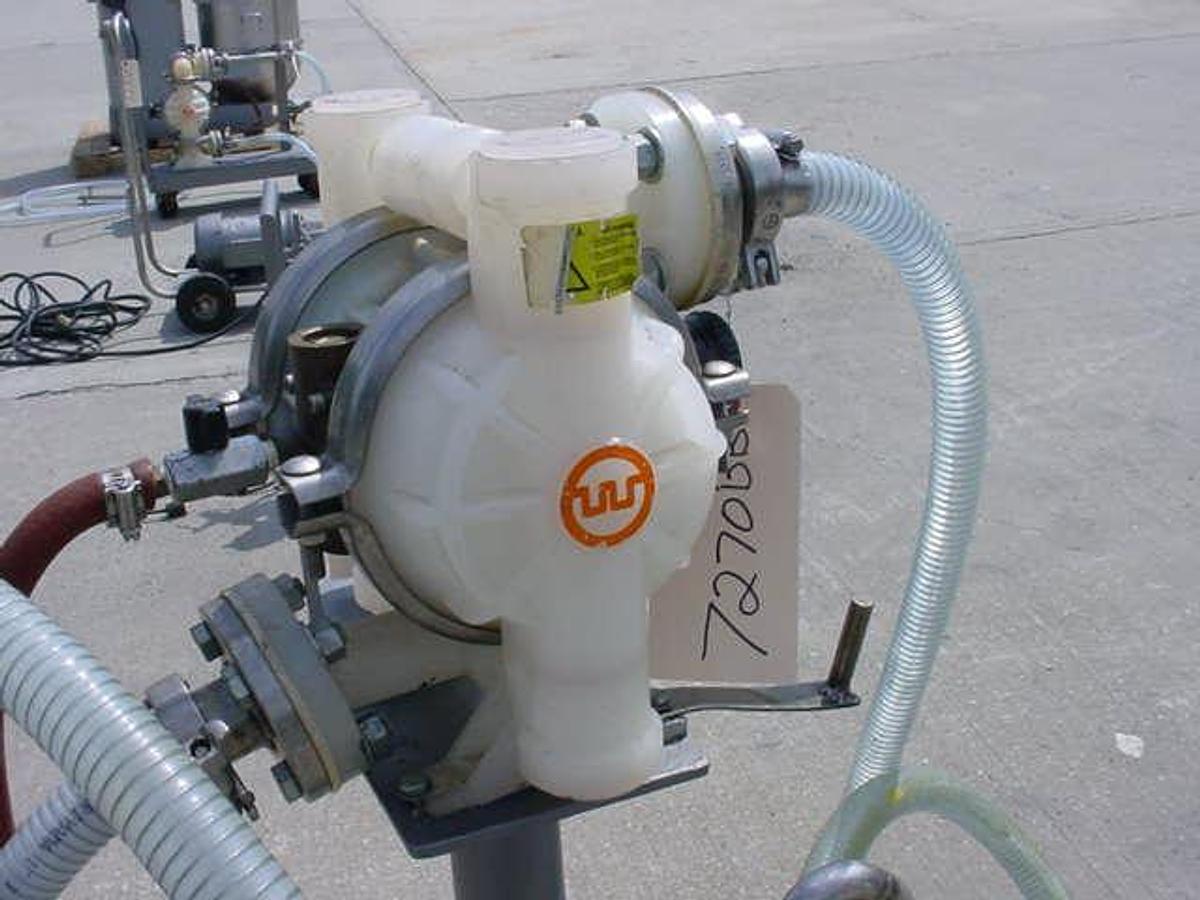
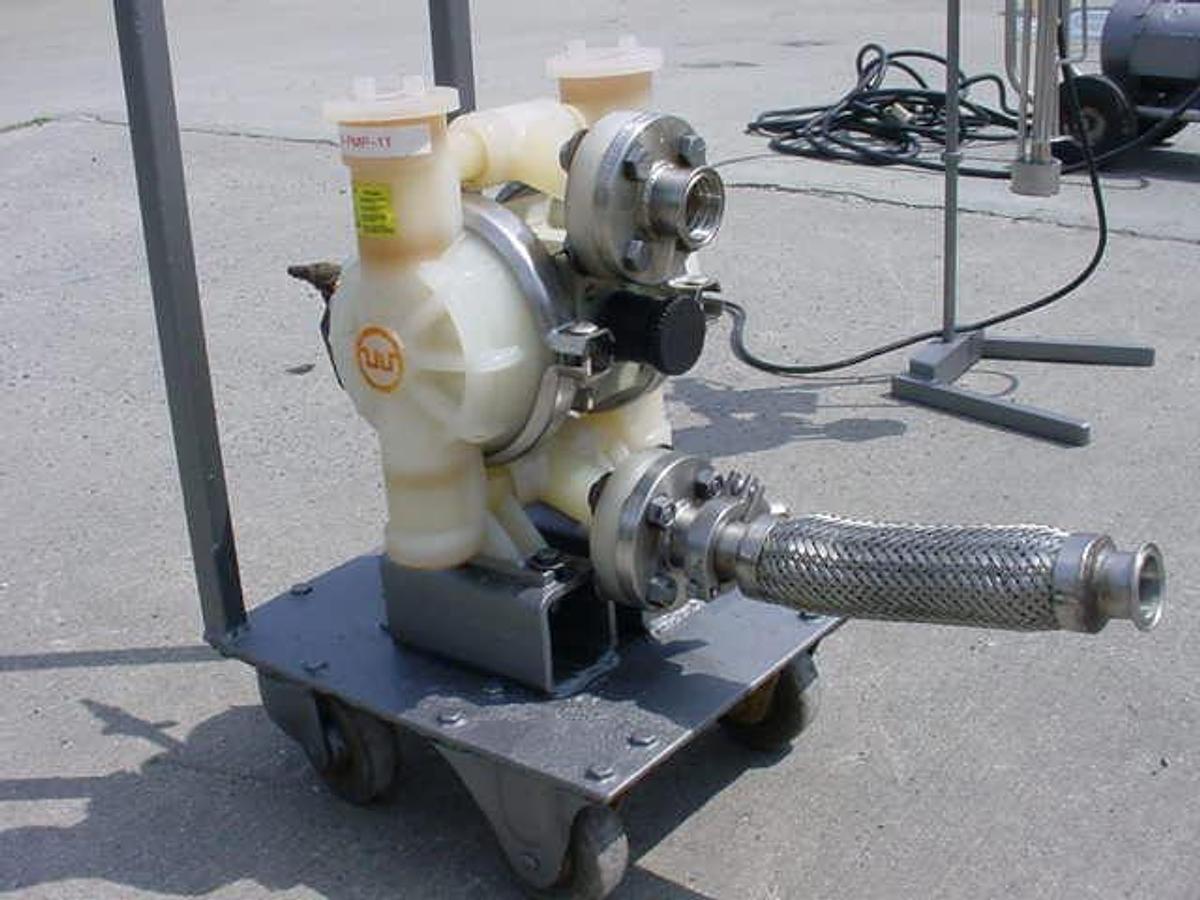
Wilden is renowned for its air-operated double diaphragm pumps, primarily serving the chemical and food processing industries. Their pumps are recognized for their reliability and efficiency, making them a popular choice for various fluid transfer applications.
FAQ:
What sizes and models of used Wilden air operated diaphragm pumps are typically available?
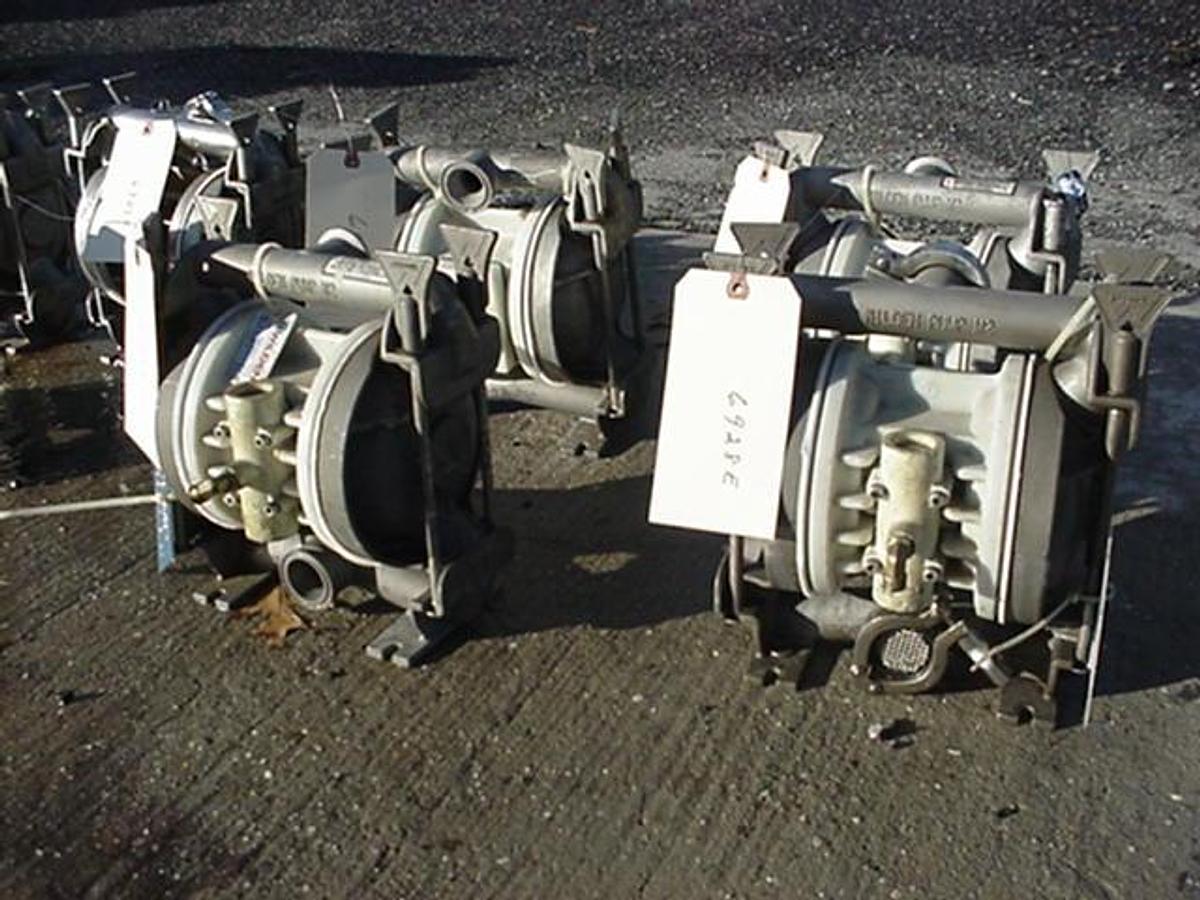
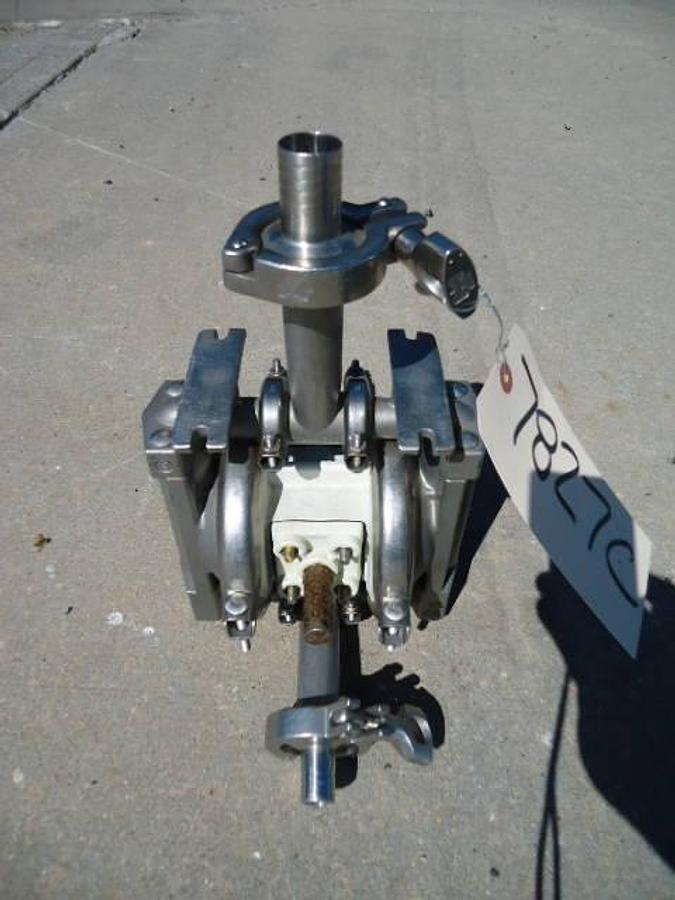
Wilden air operated double diaphragm (AODD) pumps are manufactured across a wide range of port sizes, generally spanning from 0.5 inch up to 3 inch connections. This size range accommodates flow requirements from just a few gallons per minute on the smaller end to well over 300 GPM on larger configurations. Common models that appear on the used market include the M1, M2, M8, and A2 series, along with portable 1-inch and 2-inch units. The M-series pumps are among the most widely recognized in industrial settings, and because they were deployed heavily in chemical processing and food production facilities, they tend to show up regularly in used equipment inventories.
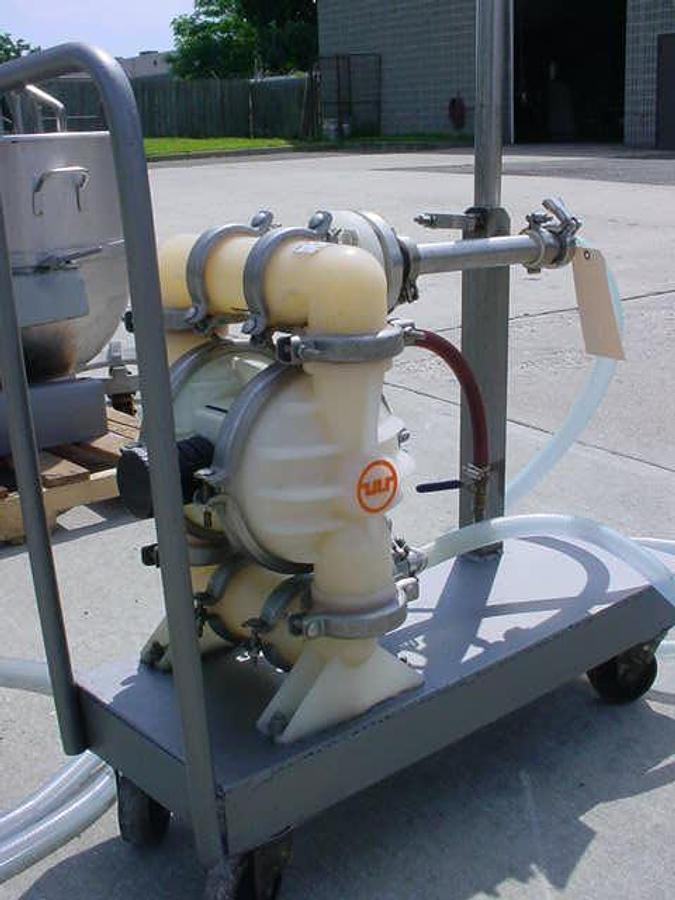
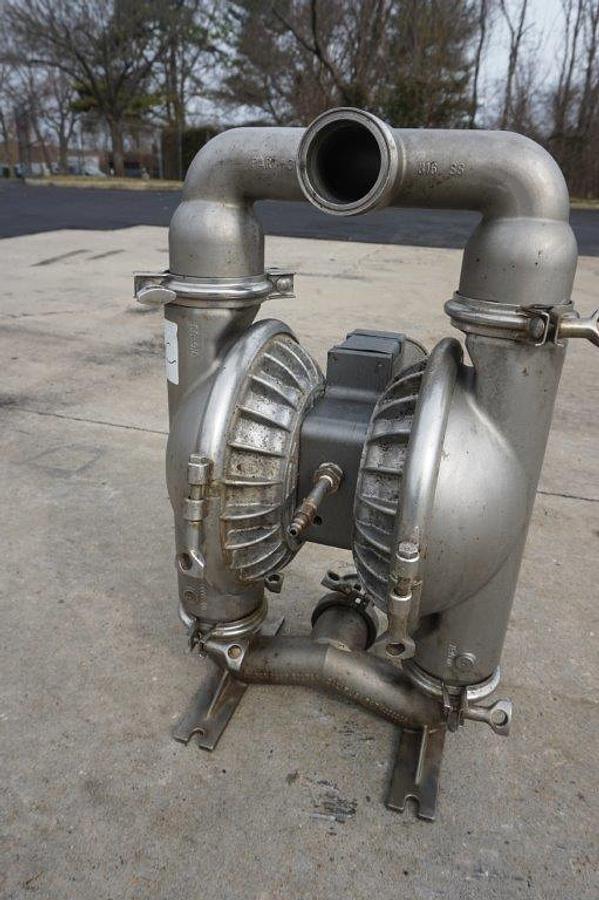
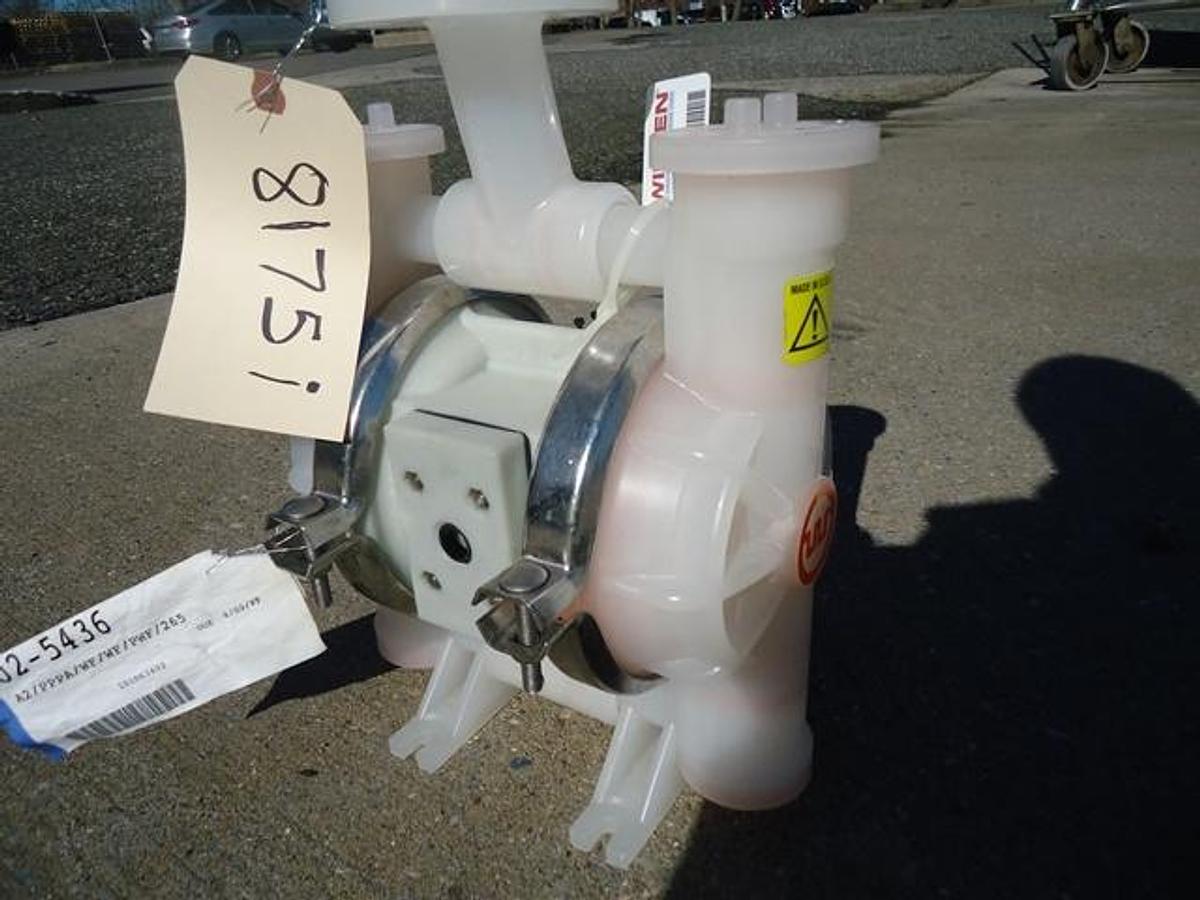
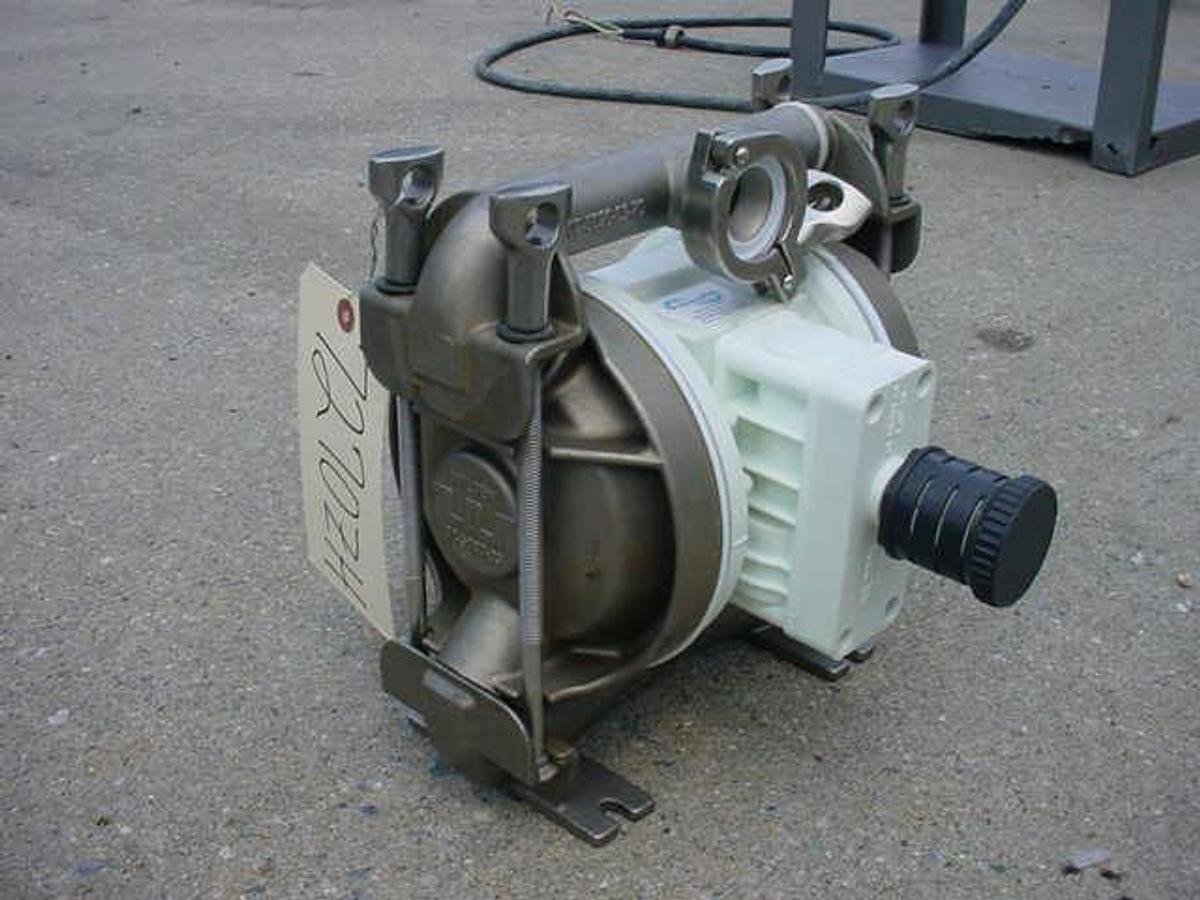
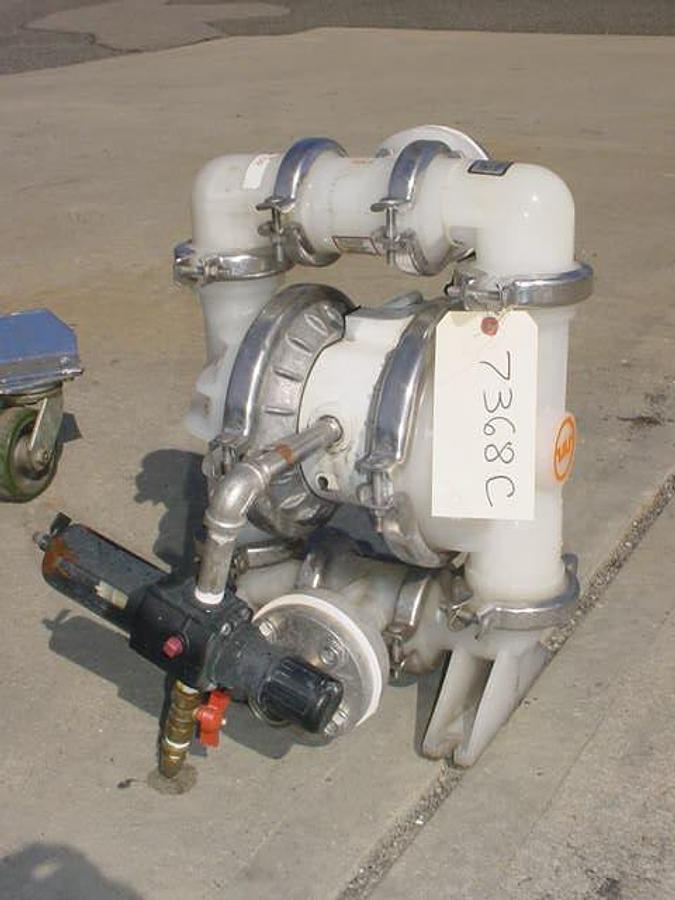
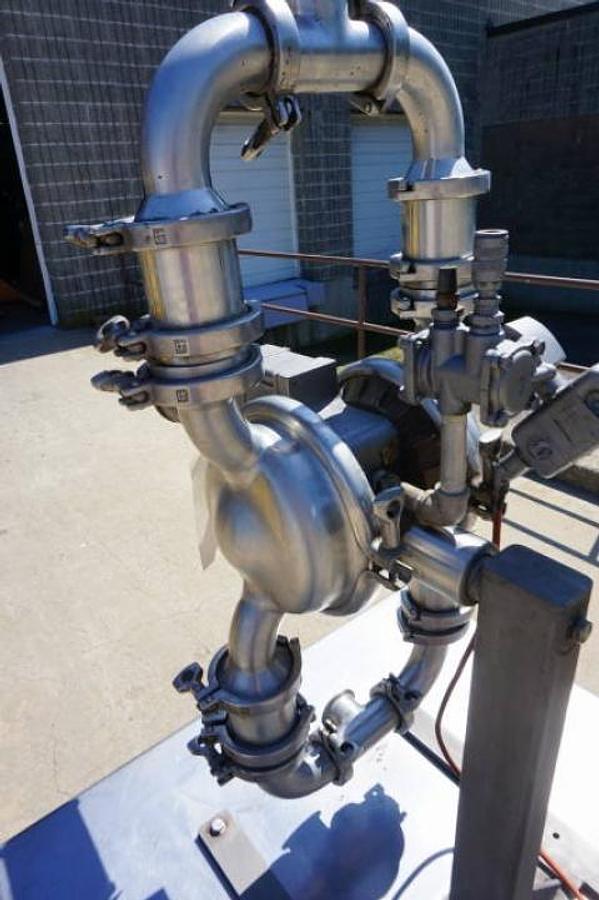
When shopping for used Wilden pumps, buyers will find both metallic and non-metallic body options. Metallic versions are often constructed from 316 stainless steel or aluminum, while non-metallic variants use polypropylene or PVDF (Kynar) housings. Portable models are particularly common in the used market because they were frequently used in batch processing or transfer applications where mobility was needed. Checking the model number carefully matters, since the size designation in the model name (M1, M2, etc.) generally corresponds to the pump's port size and flow capacity, which helps buyers match the unit to their process requirements.
What industries and applications are Wilden AODD pumps designed for?
Wilden air operated double diaphragm pumps have a strong presence in chemical processing and food production, but their utility extends well beyond those two sectors. They are routinely used in pharmaceutical manufacturing, paint and coatings production, mining, wastewater treatment, and general industrial fluid transfer. The design is especially well suited to applications involving aggressive or viscous fluids, shear-sensitive materials, or situations where the pump may occasionally run dry. Because AODD pumps use compressed air rather than electricity as their power source, they are inherently safe in environments where flammable vapors or explosive atmospheres are a concern.
The self-priming capability of Wilden pumps is a major reason they are specified across so many different processes. They can lift fluid from a lower elevation without needing to be flooded first, which simplifies installation in transfer and drum-unloading applications. They also handle solids-laden fluids without the damage risk that would affect many other pump types, making them practical for slurries and suspensions. For buyers sourcing used equipment, this versatility is part of the appeal: a pump that was used in one application can often be redeployed in a completely different process with only a diaphragm or seal change, provided the wetted materials are compatible with the new fluid.
What wetted materials are available in Wilden diaphragm pumps, and how do I choose the right one?
Wilden AODD pumps are produced with a variety of wetted material options to address the chemical compatibility demands of different fluids. Pump body materials include aluminum, cast iron, 316 stainless steel, polypropylene, PVDF (Kynar), and Hastelloy. Each material has a distinct chemical resistance profile. Stainless steel is a common choice for food-grade or moderately corrosive applications, while PVDF and polypropylene are preferred for highly aggressive acids or oxidizers. Hastelloy variants are specified for the most demanding corrosive environments where other alloys would degrade quickly.
Diaphragm material selection is equally important and has a direct impact on both chemical compatibility and service life. Wilden pumps use diaphragms made from PTFE, Wil-Flex (a Santoprene-based elastomer), neoprene, Buna-N, EPDM, and Hytrel. PTFE diaphragms offer the broadest chemical resistance and are often chosen for aggressive solvents or acids, while Wil-Flex is a popular general-purpose option with good flexibility and wear characteristics. When evaluating a used Wilden pump, buyers should confirm both the body material and the existing diaphragm material, then cross-reference against a chemical compatibility chart for their specific fluid. Replacing diaphragms is a routine maintenance task, so even if the installed diaphragm is not ideal for a new application, the pump body itself may still be perfectly suitable after a diaphragm swap.
Are Wilden air operated diaphragm pumps capable of handling corrosive or abrasive fluids?
Handling corrosive and abrasive fluids is one of the core strengths of the AODD pump design, and Wilden pumps are well regarded for this capability. The key to corrosive fluid handling lies in matching the pump's wetted materials to the specific chemical being transferred. With body options ranging from polypropylene and PVDF for aggressive acids to stainless steel and Hastelloy for corrosive industrial chemicals, there is a Wilden configuration suited to most common corrosive fluid transfer tasks. The diaphragm material must also be compatible, and PTFE-lined or full PTFE diaphragms are frequently specified when chemical resistance is the primary concern.
For abrasive fluids such as slurries, pigment dispersions, or ceramic suspensions, the AODD design has an inherent advantage because the pumping action is gentle and there are no tight clearances or high-speed rotating parts that would wear rapidly against abrasive particles. The ball check valves that control flow direction in Wilden pumps can handle solids up to a certain particle size, and heavier-duty valve seats made from materials like stainless steel or ceramic can extend service life in abrasive service. Buyers sourcing used Wilden pumps for abrasive applications should inspect the ball check valves and seats closely, as these components typically show the most wear in that type of service and may need replacement before the pump is put back into operation.
What are the key performance specifications of Wilden AODD pumps, including flow rate and pressure?
Wilden air operated double diaphragm pumps cover a substantial performance range depending on the model and size selected. Smaller 0.5-inch and 1-inch port models are designed for lower-flow precision transfer tasks, while 2-inch and 3-inch models can move well over 200 to 300 gallons per minute in the right conditions. Maximum operating pressure is typically in the range of 120 psi (8.3 bar), which corresponds to the maximum inlet air pressure these pumps are designed to accept. The discharge pressure the pump can generate is roughly equal to the supply air pressure, which makes it straightforward to size the pump for a given system pressure requirement.
Flow rate in AODD pumps is not fixed the way it is in centrifugal pumps. It varies based on the air supply pressure, back pressure in the discharge line, and the viscosity of the fluid being pumped. This variable-flow characteristic is actually useful in many applications because the pump naturally slows down as system resistance increases rather than overloading. Wilden pumps are also capable of handling fluids with viscosities much higher than water, which expands their usefulness into thick pastes, adhesives, and similar materials. When evaluating a used unit, buyers should request whatever documentation is available on the specific model's performance curve, and cross-check against the manufacturer's published specifications for that model series to confirm the unit is appropriately sized for the intended duty.
What should buyers know about purchasing used Wilden pumps instead of buying them from a manufacturer?
Buying a used Wilden AODD pump can represent significant cost savings compared to purchasing through a manufacturer or authorized distributor, particularly for operations that need a proven, reliable pump without the budget for full list pricing. Wilden pumps are built to be durable and field-serviceable, which means a well-maintained used unit can have substantial remaining service life. The modular design of these pumps also means that worn internal components such as diaphragms, ball valves, and seats can be replaced with readily available parts, making refurbishment straightforward for a qualified maintenance technician.
That said, used equipment purchases require more diligence on the buyer's part. Unlike buying through a manufacturer, used pumps are typically sold as-is, placing the responsibility for assessing condition squarely on the buyer. Reputable used equipment dealers will offer in-person or video inspections so buyers can evaluate the pump's physical condition before committing to a purchase. It is worth consulting with the manufacturer to understand parts availability and support for the specific model and age of pump being considered, since older or discontinued models may have more limited parts support. Buyers should also factor in any reconditioning costs such as diaphragm replacement or seal kits when calculating the true cost of acquisition.
How should buyers inspect a used Wilden diaphragm pump before purchasing?
A thorough inspection of a used Wilden AODD pump should cover both the external condition of the pump body and the internal components most subject to wear. On the exterior, buyers should look for corrosion, cracks, or pitting on the pump housing, particularly on metallic models that were used in chemical service. Stainless steel bodies can develop pitting corrosion in chloride-rich environments, and aluminum bodies may show surface oxidation or chemical attack depending on what fluids the pump handled. The air distribution valve section at the center of the pump should also be examined for signs of wear or damage, as this is the mechanism responsible for shifting the pump stroke.
Internally, the diaphragms and ball check valves are the components that wear fastest and most predictably. Diaphragms should be inspected for cracking, thinning, or deformation, and any diaphragm showing visible fatigue should be replaced before the pump is returned to service. Ball check valves and their seats should be checked for wear, gouging, or chemical attack that could prevent proper sealing. Reputable dealers will typically accommodate in-person inspections at their facility or arrange video walkthroughs for remote buyers. Some equipment may still be installed at the facility where it was used, which can allow buyers to observe the pump in its prior operating environment. Keep in mind that most dealers cannot perform live fluid testing with actual product, as that type of operation requires different facility permitting than a used equipment dealer will ordinarily have.
What replacement parts and diaphragms are available for used Wilden pumps?
One of the practical advantages of buying a used Wilden pump is that the brand has been in production long enough and is widely enough distributed that parts availability is generally good for most model series. Diaphragm kits, ball check valves, valve seats, O-rings, and air valve rebuild kits are the most commonly needed consumable parts, and these are available through industrial pump distributors and directly from the manufacturer for most current and recent model lines. Wilden's modular construction means that a single diaphragm kit typically includes everything needed to replace both diaphragms along with associated hardware, making a full diaphragm service a manageable task.
Buyers should verify parts availability for the specific model they are considering, particularly for older or less common configurations. Contacting the manufacturer directly before purchasing a used unit is a practical step, as the manufacturer can confirm whether diaphragms, air valve components, and other wear parts are still being produced for that model. This is especially relevant for pumps that are more than 15 to 20 years old, where some components may have been superseded or discontinued. In some cases, aftermarket diaphragm suppliers also produce compatible parts for popular Wilden models, which can provide an alternative source if manufacturer parts are difficult to obtain for a particular configuration.
What are typical shipping and payment considerations when buying used Wilden pumps?
Shipping costs for used Wilden AODD pumps will vary based on the size and weight of the unit, the destination, and the level of packaging required to protect the pump in transit. Smaller portable 1-inch and 2-inch models are relatively compact and can often be palletized and shipped via standard freight carriers without excessive cost. Larger units or pumps with associated manifolds, brackets, or accessories may require custom crating to prevent damage during transport. Buyers should ask the dealer specifically about how the pump will be packaged and what the estimated freight cost will be to their location, since packaging and shipping can add meaningfully to the total acquisition cost.
For payment, most used equipment dealers require full payment prior to releasing equipment for shipment. Some dealers extend terms to repeat customers with an established purchasing relationship, but this is not the norm for first-time transactions. Wire transfer is a common payment method for used industrial equipment purchases. Buyers should confirm all payment requirements upfront and factor in the full landed cost, including the purchase price, any applicable taxes, packaging, freight, and unloading costs at the destination. Larger pumps may require a forklift or other material handling equipment for unloading, which is an additional logistical consideration the buyer should plan for in advance.
How do air operated double diaphragm pumps differ from other pump types commonly used in chemical processing?
Air operated double diaphragm pumps occupy a distinct niche compared to centrifugal pumps, gear pumps, and peristaltic pumps that are also common in chemical processing. The most significant practical difference is that AODD pumps are positive displacement devices, meaning they move a fixed volume of fluid per stroke regardless of system pressure changes. This makes them predictable and self-regulating in a way that centrifugal pumps are not. Centrifugal pumps are highly sensitive to viscosity and back pressure, while AODD pumps handle viscous fluids and variable system conditions without the performance drop-off that would affect a centrifugal unit.
The compressed air drive is another distinguishing feature. Because AODD pumps require no electric motor, they can be used safely in hazardous or classified areas where electrical equipment would require expensive explosion-proof enclosures. They are also inherently stall-safe: if the discharge is blocked, the pump simply stops rather than building pressure until something fails. The ability to run dry without damage is a significant operational advantage over centrifugal pumps, which can be damaged quickly if fluid supply is interrupted. These characteristics collectively explain why AODD pumps like the Wilden series are so frequently specified in chemical, pharmaceutical, and food processing applications where safety, chemical compatibility, and operational flexibility are all priorities.