Category
Manufacturer
Model
Westfalia
Westfalia is a prominent manufacturer specializing in automated storage and retrieval systems, primarily serving the logistics and warehousing industries. Their innovative solutions enhance efficiency in material handling and inventory management, making them a preferred choice for companies looking to optimize their supply chain operations.
FAQ:
What types of Westfalia equipment are typically available on the used market?
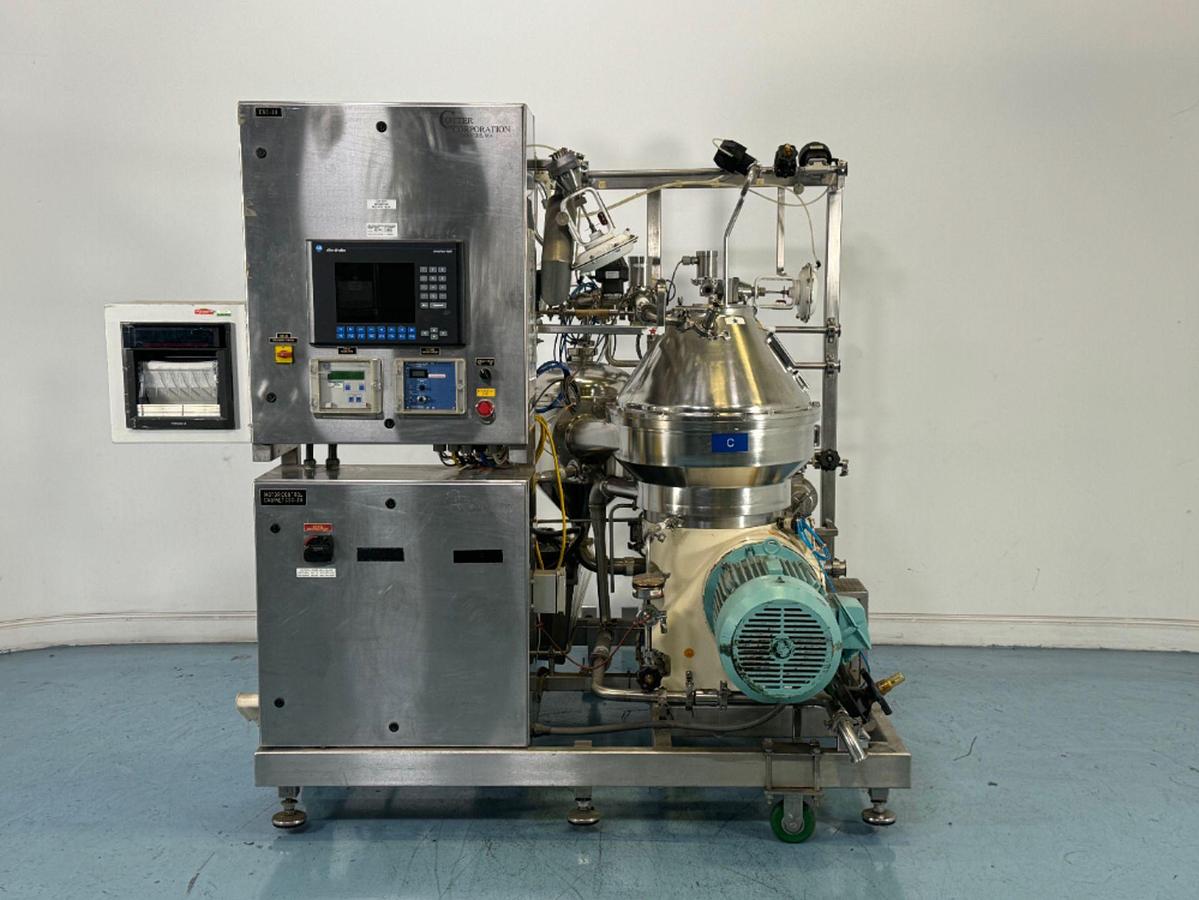
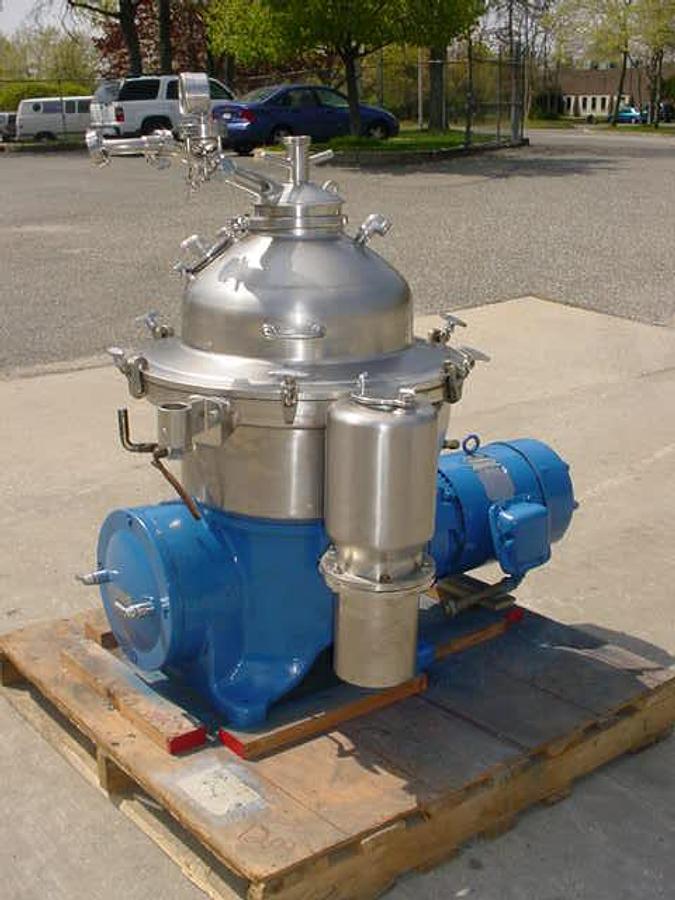
Used Westfalia equipment spans several distinct product categories, which can sometimes confuse buyers searching the market. The two most commonly encountered lines are dairy and agricultural equipment (historically sold under the Westfalia Surge brand) and automotive accessories such as tow bars and trailer hitches (sold under the Westfalia-Automotive brand). On the industrial and logistics side, Westfalia is also a recognized manufacturer of automated storage and retrieval systems (AS/RS) used in warehousing and distribution centers. Separators and centrifuges, such as stainless steel models used in food processing and liquid separation applications, also appear regularly in the used equipment market.
For buyers focused on dairy operations, used Westfalia milking equipment often includes complete system components: clusters, pulsators, vacuum pumps, and pipeline assemblies. These units have a reputation for long operational lifespans, which is why even older machines continue to attract serious interest from commercial farming operations. Buyers looking at the logistics and warehousing side will find Westfalia AS/RS units that can dramatically improve inventory throughput in warehouse environments. Understanding which product line you need before searching will save significant time and help you find the right dealer or listing.
What is the difference between Westfalia dairy equipment and Westfalia trailer hitches?
The Westfalia name covers two entirely separate companies with different ownership, product lines, and markets. Westfalia Surge (now operating under the GEA Group umbrella following an acquisition) produced milking machines, dairy management systems, and related agricultural equipment used on commercial and large-scale dairy farms worldwide. These products are precision-engineered for animal husbandry and food-grade liquid handling, and they carry a strong reputation for durability in demanding farm environments.
Westfalia-Automotive is a separate entity that manufactures tow bars, trailer hitches, and vehicle coupling systems, primarily for European passenger vehicles and light commercial vehicles. Their products are known for German engineering standards and broad compatibility across vehicle platforms. When searching for used Westfalia equipment, it is worth being specific about which product line you need, as search results will often mix both categories. Listings from reputable used equipment dealers will typically specify the model, application, and condition clearly, helping buyers avoid confusion between these two very different product families.
How do I verify the condition of used Westfalia equipment before purchasing?
Verifying the condition of used Westfalia equipment requires a structured approach, and reputable dealers will typically offer multiple inspection options to help buyers make informed decisions. In-person inspections are the most thorough option, allowing a buyer or their designated technician to physically examine the machine, check wear points, review any visible corrosion or damage, and assess the overall mechanical condition. Many dealers also offer virtual inspections via video call or provide detailed video walkthroughs of the equipment, which is particularly useful for buyers located at a distance. In some cases, equipment being sold is still in active production at a facility, and an inspection can be arranged at the actual plant where the machine is operating.
Buyers should keep in mind that used equipment dealers generally do not have the permitting or infrastructure to run full production tests, so the inspection will focus on the machine's physical and mechanical state rather than a live product run. To supplement the visual inspection, buyers should request the machine's maintenance history if available, note the model number, and consult directly with the manufacturer (or in the case of Westfalia dairy equipment, with GEA Group, which now handles support for that product line) to understand parts availability and what level of technical support to expect for that specific model and age. Selecting a dealer with a long track record in the relevant equipment category adds an additional layer of confidence.
Does used Westfalia equipment come with a warranty?
Used Westfalia equipment sold through dealers is typically offered on an as-is basis, which is standard practice across the used machinery industry. Warranties are generally the domain of original equipment manufacturers selling factory-fresh machines, not secondary market dealers. This means the responsibility for assessing the machine's condition falls primarily on the buyer, which is why thorough pre-purchase inspections are so important.
To reduce risk, buyers should prioritize dealers who have a demonstrated history of selling equipment in the relevant category, as experienced dealers tend to represent their machines accurately and are more likely to facilitate detailed inspections. It is also worth contacting the manufacturer directly (or GEA Group for Westfalia Surge dairy equipment) before purchasing to understand what parts, service documentation, and technical support are available for the specific model. Older or discontinued models may have limited manufacturer support, which is a factor worth weighing before committing to a purchase.
What should buyers know about Westfalia separators and centrifuges on the used market?
Westfalia separators and centrifuges are precision industrial machines used across food processing, dairy, beverage production, pharmaceutical, and chemical applications. They are designed to separate liquids of different densities or remove solids from liquids at high rotational speeds, and they are built to demanding tolerances. On the used market, models such as stainless steel separators appear regularly and attract buyers in industries where hygienic, food-grade liquid processing is required. The stainless steel construction on many Westfalia separator models makes them particularly durable and well-suited to sanitary applications, contributing to their longevity and continued demand even as used machines.
When evaluating a used Westfalia separator or centrifuge, buyers should pay close attention to the condition of the bowl assembly, the spindle, seals, and any wear components that are subject to high rotational stress. These are the areas most likely to show wear and most expensive to replace. Requesting detailed photos or a video inspection of the internal components is advisable. Buyers should also check with the manufacturer or an authorized service provider about the availability of wear parts for the specific model, since parts availability can vary significantly depending on the age and production status of the unit.
What maintenance does Westfalia dairy milking equipment require after purchase?
Westfalia milking equipment, including clusters, pulsators, vacuum pumps, and pipeline systems, requires consistent and systematic maintenance to operate correctly and meet food safety standards. Routine maintenance typically includes regular replacement of rubber liners and seals in milking clusters, cleaning and sanitizing of all milk-contact surfaces according to dairy hygiene protocols, and periodic inspection and calibration of pulsators to ensure proper milking rhythm. Vacuum pumps require oil checks, filter replacements, and belt inspections on a schedule determined by hours of use. Neglecting any of these areas can affect milk quality, animal health, and the longevity of the equipment.
For buyers purchasing used Westfalia dairy equipment, it is worth noting that the Westfalia Surge dairy division is now part of GEA Group, which means service documentation, replacement parts, and technical support are generally accessed through GEA channels. Before purchasing a used unit, contacting GEA to confirm parts availability for that specific model is a practical step. Some older models may have limited parts availability, which could affect long-term maintenance costs. Working with a dealer who specializes in dairy equipment and can provide the machine's service history, if available, will also help buyers understand what maintenance has already been performed and what may be due.
How does GEA Group's acquisition of Westfalia Surge affect buyers of used Westfalia dairy equipment?
GEA Group acquired the Westfalia Surge dairy equipment division, which means that manufacturer-level support, spare parts, and technical documentation for Westfalia Surge milking systems are now managed under the GEA brand. For buyers of used Westfalia dairy equipment, this is a practical consideration rather than a barrier. GEA is a large, well-resourced company with a global service network, and they continue to support many Westfalia Surge product lines. However, the level of support available will depend on the age and model of the specific machine, as older or discontinued units may have more limited parts availability.
Before purchasing a used Westfalia Surge milking system or component, buyers are advised to contact GEA directly with the model and serial number to get a clear picture of what parts are stocked, what documentation is available, and whether local service technicians are familiar with that equipment. This step can prevent unpleasant surprises after purchase, particularly for complex systems like automated milking installations or large pipeline setups. Dealers who specialize in used dairy equipment will often have this knowledge as well and can help buyers understand the support landscape for a given machine before the sale is finalized.
What are the typical shipping and logistics considerations when buying used Westfalia equipment?
Shipping used Westfalia equipment, particularly larger machines like separators, centrifuges, or automated storage and retrieval system components, involves logistics planning that goes well beyond standard freight. Machines need to be properly packaged to prevent damage in transit, and the level of crating or palletization required will affect shipping costs. Heavier or more complex machines may require specialized rigging for loading and unloading at both the origin and destination, which adds to the total landed cost. Buyers should request a detailed breakdown of packaging, rigging, and freight charges from the dealer before finalizing a purchase so there are no surprises.
For international shipments, additional considerations include customs documentation, import duties, and compliance with destination country regulations for used industrial equipment. Smaller Westfalia components or accessories may ship via standard freight carriers, while large separator bowls, centrifuge assemblies, or AS/RS system components will likely require flatbed or specialized heavy freight services. Asking the dealer specifically about their packaging standards and whether they have experience shipping similar equipment internationally is a reasonable due diligence step. Getting a full landed cost estimate, including all rigging, crating, freight, and any destination charges, before committing to the purchase helps buyers accurately compare options.
What payment terms should buyers expect when purchasing used Westfalia equipment?
Payment terms in the used industrial equipment market are fairly consistent across dealers. In most cases, full payment is required before the equipment is released for shipping. This protects the dealer and is standard practice given the nature of used machinery transactions, where the equipment is often one-of-a-kind and cannot simply be returned to a production line. Buyers who are working with a dealer for the first time should expect to pay in full upfront. Some dealers may offer extended terms to established repeat customers, but this is not the norm for first-time transactions.
Accepted payment methods vary by dealer but commonly include wire transfer, certified check, or other secure payment instruments. Credit card payments are less common for large equipment purchases due to transaction fees and limits. Buyers should clarify payment terms and accepted methods early in the negotiation process, before inspections or logistics planning begin, to avoid delays. For high-value purchases, it is also reasonable to ask the dealer about their process for confirming receipt of payment and releasing shipping documentation, so both parties have clear expectations about the transaction timeline.
What should buyers look for when evaluating a used Westfalia automated storage and retrieval system?
Westfalia automated storage and retrieval systems (AS/RS) are sophisticated material handling installations used in logistics centers and warehouses to automate the movement and storage of palletized goods. When evaluating a used Westfalia AS/RS on the secondary market, buyers should focus on several key areas: the condition of the stacker cranes or shuttle vehicles, the integrity of the racking structure, the state of the control system and software, and the availability of ongoing technical support for the specific system generation. These are complex, facility-integrated systems, and the cost and feasibility of relocation and reinstallation should be factored into the purchase decision from the outset.
Because AS/RS equipment is typically decommissioned from a specific facility layout, buyers will need to work with a systems integrator or the original equipment manufacturer to assess how the system can be adapted to a new facility configuration. Inspections for these systems should ideally involve a qualified engineer who can assess the mechanical and electrical components, not just the physical appearance of the structure. Buyers should also inquire about the availability of spare parts, software licenses, and technical documentation, as control systems for older AS/RS installations may use proprietary software that requires manufacturer support to operate and maintain.