Category
Manufacturer
Model
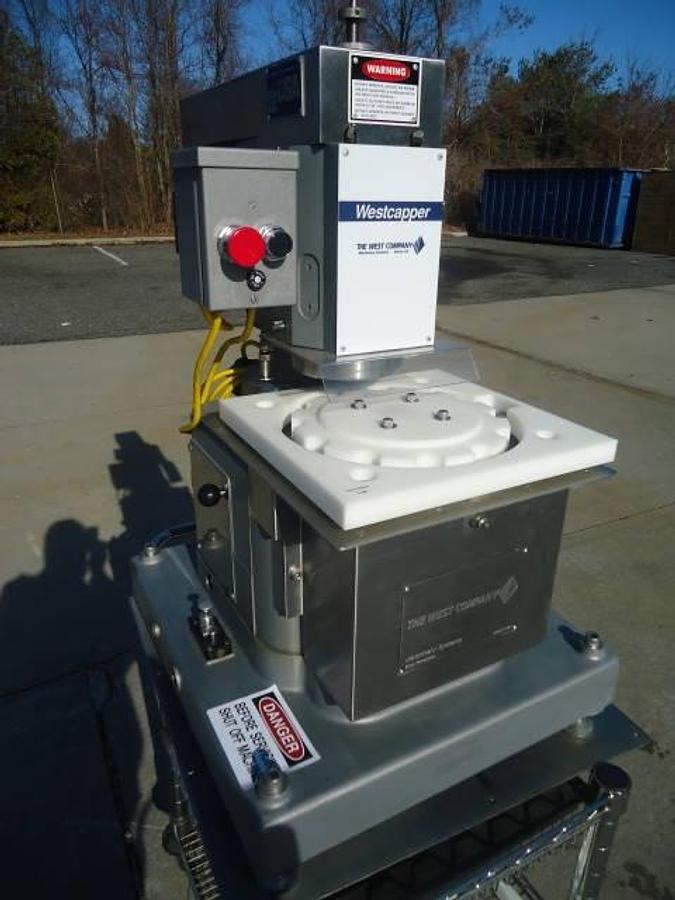
Westcapper
Westcapper is known for its packaging machinery, particularly in the beverage industry. Their equipment includes capping and labeling systems that are designed to optimize production efficiency and product integrity.
FAQ:
What types of caps can Westcapper capping machines handle?
Westcapper capping machines are known for their versatility across a wide range of closure types. Depending on the model, they can typically handle screw caps, trigger sprayers, pump dispensers, snap caps, and various specialty closures. This flexibility makes them a practical choice for production facilities that run multiple product lines with different packaging requirements.
The specific cap compatibility of any given machine depends on its configuration and the tooling installed at the time of sale. Used Westcapper machines may come set up for a particular cap type, but many models support changeover tooling that allows operators to switch between different closures with relatively minimal downtime. Buyers should confirm the cap types a specific used unit is configured for before purchasing, and check with the manufacturer regarding tooling availability for their target closure.
What is the typical capping speed of a Westcapper machine?
Capping speed on Westcapper machines varies considerably depending on the model and whether the unit is semi-automatic or fully automatic. Semi-automatic tabletop models are generally suited for lower-volume production runs, while inline automatic models can achieve significantly higher output rates suited to larger facilities. The Westcapper PW-200T, for example, is a semi-automatic model designed for operations where consistent torque application matters more than high-volume throughput.
When evaluating a used Westcapper machine, buyers should ask the seller about the machine's rated output under its original specifications and, where possible, request a video demonstration showing the machine in operation. Keep in mind that actual throughput in a production environment depends on factors like bottle feed rate, cap feed method, and operator efficiency. A machine's rated speed under ideal conditions may differ from real-world performance in a specific facility layout.
Are Westcapper capping machines suitable for small businesses as well as large production facilities?
Westcapper produces both tabletop semi-automatic models and fully automatic inline systems, which means businesses at very different production scales can find a suitable option. Smaller operations, craft producers, and startups often gravitate toward semi-automatic models like the PW-200T because they offer consistent, repeatable capping without the capital cost or floor space requirements of a full inline system. These machines are particularly common in beverage, food, pharmaceutical, and cosmetic production environments where precision matters even at lower volumes.
Larger facilities with high-speed filling lines typically look at automatic Westcapper models that can integrate into a continuous production flow. Buying a used Westcapper machine can make either category more accessible from a budget standpoint, since used equipment is priced well below what comparable machines cost through a manufacturer's sales channel. The key is matching the machine's rated capacity and configuration to the buyer's actual production needs rather than simply buying the largest or fastest unit available.
What bottle sizes and neck finishes are compatible with Westcapper capping machines?
Westcapper machines are generally designed to accommodate a range of bottle sizes and neck finishes, but the specific compatibility of any individual unit depends on the tooling and chuck configuration it carries. Most models can be adjusted or retooled to work with different neck finishes, including common sizes used in beverage, personal care, and pharmaceutical packaging. Changeover flexibility is one of the features Westcapper is known for, and many models allow operators to swap tooling to handle different bottle diameters and cap sizes.
When purchasing a used Westcapper machine, buyers should ask specifically which tooling is included with the unit and what bottle and cap sizes it is currently set up to run. If a buyer needs to run a neck finish or bottle format that differs from the current configuration, they should consult the manufacturer directly to determine whether compatible tooling is still available and what the cost would be. This is especially relevant for older models, where parts availability can vary.
Do Westcapper capping machines run on electricity, compressed air, or both?
Most Westcapper capping machines are electrically driven, and some models also incorporate pneumatic components that require a compressed air supply. The PW-200T, for instance, is a single-phase electric machine, which makes it straightforward to integrate into facilities that may not have three-phase power available. Single-phase models are particularly practical for smaller production environments, labs, or facilities where electrical infrastructure is limited.
Buyers considering a used Westcapper machine should verify the power requirements of the specific model before purchase. Key details to confirm include voltage, phase, amperage draw, and whether any pneumatic connections are required. Running a machine on the wrong voltage or phase can cause serious damage, so understanding the utility requirements upfront is a critical part of evaluating whether a particular used unit will work in a given facility without additional electrical upgrades.
What should buyers expect to pay for a used Westcapper capping machine?
Pricing for used Westcapper capping machines varies based on the model, age, condition, and included tooling. Semi-automatic tabletop models like the PW-200T typically fall in a lower price range than fully automatic inline systems, which can command significantly higher prices depending on their speed and complexity. Because these are used machines, pricing is also influenced by how recently the equipment was last in production, its overall mechanical condition, and whether it comes with documentation or spare parts.
Buyers should factor in more than just the purchase price when calculating the total cost of acquisition. Shipping, rigging, and any required tooling or electrical modifications can add meaningfully to the landed cost. Requesting a detailed quote from the seller that breaks out equipment price, packaging, freight, and any rigging charges gives a clearer picture of the true investment. Comparing a few listings across reputable used equipment dealers is a reasonable way to gauge fair market value for a specific model.
How should buyers inspect a used Westcapper machine before purchasing?
Inspecting a used capping machine before committing to a purchase is one of the most important steps a buyer can take. Reputable used equipment dealers typically offer in-person inspections, virtual walkthroughs, or detailed video documentation of the machine's current condition. For machines that are still installed in a production facility, it may be possible to arrange an inspection at the plant where the equipment is currently or was recently running, which gives a buyer the best possible view of how the machine has been maintained.
Buyers should look for signs of wear on the chuck and spindle components, check the condition of the drive system and controls, and confirm that all included tooling is present and functional. Keep in mind that most used equipment dealers are not set up to run full production trials with actual product, as that would require different permitting and facilities. The goal of an inspection is to get an accurate, honest picture of the machine's mechanical condition and operational readiness, not a full production run. Asking the seller specific questions about the machine's service history, last known operating condition, and any known issues is always worthwhile.
Are replacement parts and technical support available for used Westcapper machines?
Parts and support availability for a used Westcapper machine depends significantly on the model and its age. Westcapper is an established brand in the packaging machinery industry, and for relatively recent models, the manufacturer may still stock common wear parts such as chucks, spindles, belts, and control components. Buyers are strongly encouraged to contact the manufacturer directly before purchasing a used unit to ask specifically about parts availability and the level of technical support they can expect for that particular model.
For older or discontinued models, parts availability can be more limited, and buyers may need to rely on third-party machining or fabrication for certain components. This is a common reality with used packaging machinery and is not unique to Westcapper. Working with a used equipment dealer who specializes in packaging machinery can be helpful, as experienced dealers are often familiar with which models have strong aftermarket support and which require more creative solutions. Understanding the support landscape before buying prevents unpleasant surprises down the road.
What industries commonly use Westcapper capping machines?
Westcapper capping machines are used across a broad range of industries that require consistent, reliable closure application. The beverage industry is one of the most prominent users, particularly for bottled water, juices, spirits, and other liquid products packaged with screw caps or pump closures. Food production, pharmaceutical manufacturing, and cosmetics and personal care are also common sectors where Westcapper equipment appears, given the brand's focus on product integrity and repeatable torque application.
The versatility of Westcapper machines across cap types and bottle formats makes them adaptable to different production environments. A single machine configured with the right tooling can serve a facility producing multiple SKUs with different packaging, which is one reason the brand has found use in both dedicated single-product facilities and more flexible contract packaging operations. Used Westcapper machines in good condition are sought after in all of these industries because they represent a way to add reliable capping capacity without the lead time or cost associated with sourcing equipment through a manufacturer.
What are the typical shipping and payment terms when buying a used Westcapper machine?
Used packaging machinery like Westcapper capping machines requires careful handling during transit to prevent damage. Sellers typically package equipment on pallets or in custom crates depending on the machine's size and fragility, and the level of packaging directly affects shipping costs. Larger or heavier machines may require specialized rigging for loading and unloading, which adds to the total freight cost. Buyers should ask sellers for a complete breakdown of packaging, rigging, and freight charges before finalizing a purchase so there are no surprises in the landed cost.
On the payment side, most used equipment dealers require full payment before a machine ships. Some dealers may extend terms to repeat customers or established buyers, but this is not standard practice for first-time transactions. Wire transfer is the most common payment method in used industrial equipment transactions. Buyers should confirm all payment terms in writing before sending funds, and should ensure the seller provides clear documentation of the sale including a description of the machine's condition and what is included with the purchase.