Category
Manufacturer
Model
Wenger
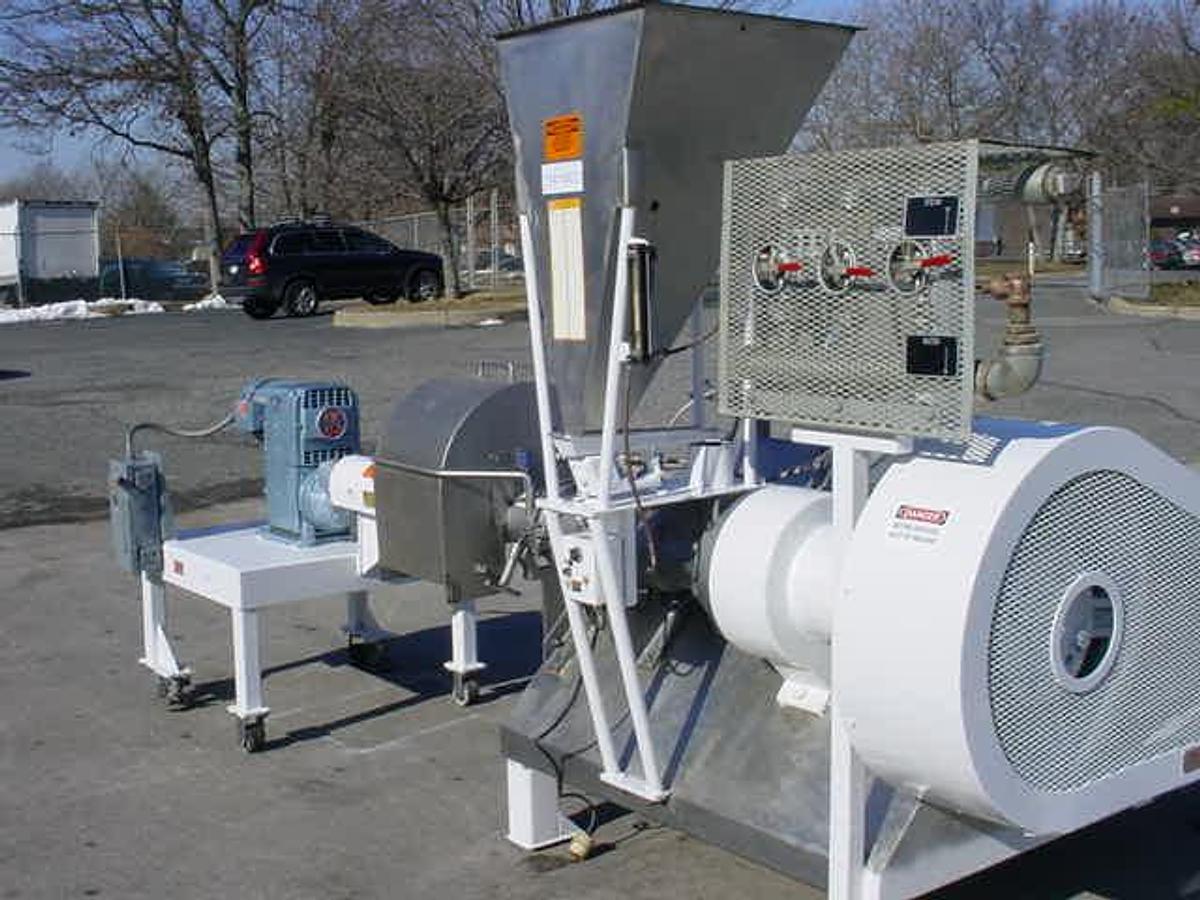
Wenger is recognized for its extrusion equipment, primarily serving the snack food and pet food industries. Their innovative machines are designed for high efficiency and product quality in extrusion processes.
FAQ:
What industries and products are Wenger extruders used for?
Wenger extruders are used across a wide range of food and feed manufacturing applications. The most common sectors include pet food production, aquatic and aquaculture feed, dry dog and cat food, human snack foods, breakfast cereals, textured vegetable protein (TVP), and various forms of animal feed. The machines are built to handle the specific shear, temperature, and moisture requirements that each of these product categories demands, which is a big part of why Wenger became one of the most recognized names in the extrusion industry.
On the human food side, Wenger equipment is frequently used to produce extruded corn snacks, puffed cereals, and other starch-based products. In the pet food and aquaculture segments, precise control over density, texture, and pellet size is critical, and Wenger machines are designed with that level of control in mind. This broad application range means that a used Wenger extruder purchased for one product type can often be reconfigured for another, which adds practical value for manufacturers looking to expand their product lines.
What Wenger extruder models are commonly available on the used equipment market?
Several Wenger models appear regularly on the secondary market, each suited to different production scales and product types. The X-series machines, including the X-25, X-165, and X-185, are well-known for snack food and pet food applications. The TX-series, which includes models like the TX-52, TX-57, TX-85, and TX-168, are twin-screw configurations that offer more flexibility for a wider variety of formulations and moisture levels. The differences between models largely come down to throughput capacity, screw diameter, and the level of process control available.
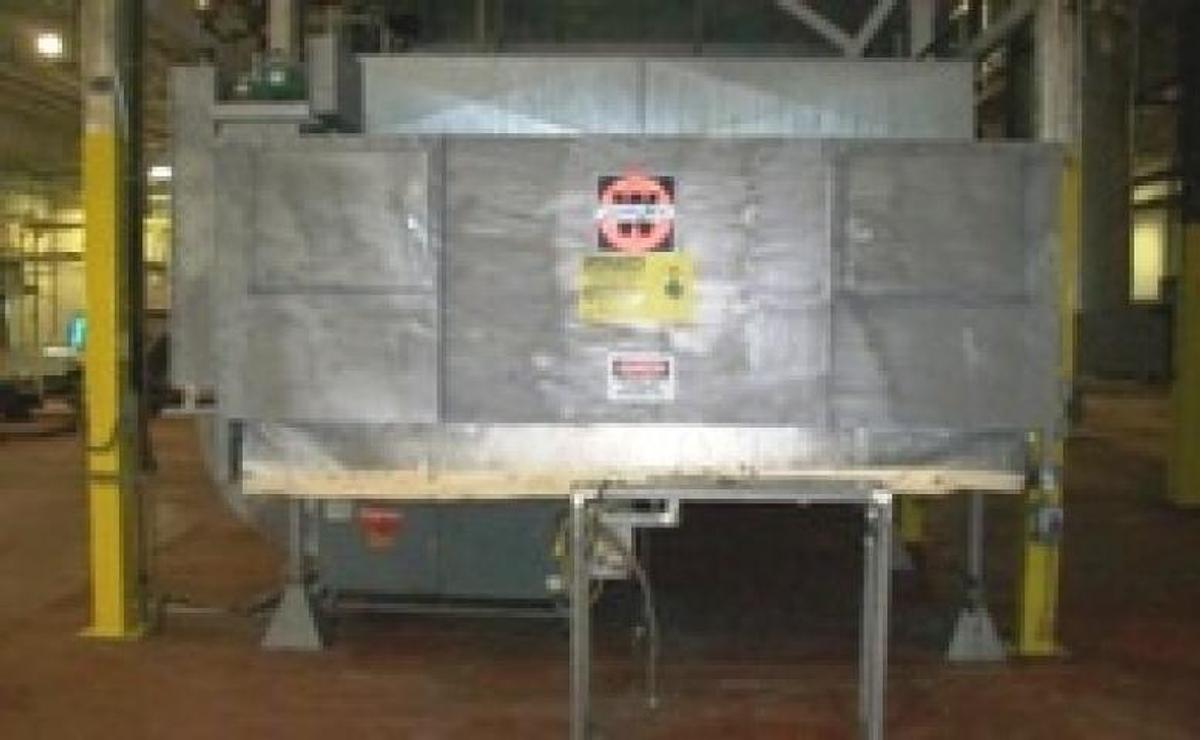
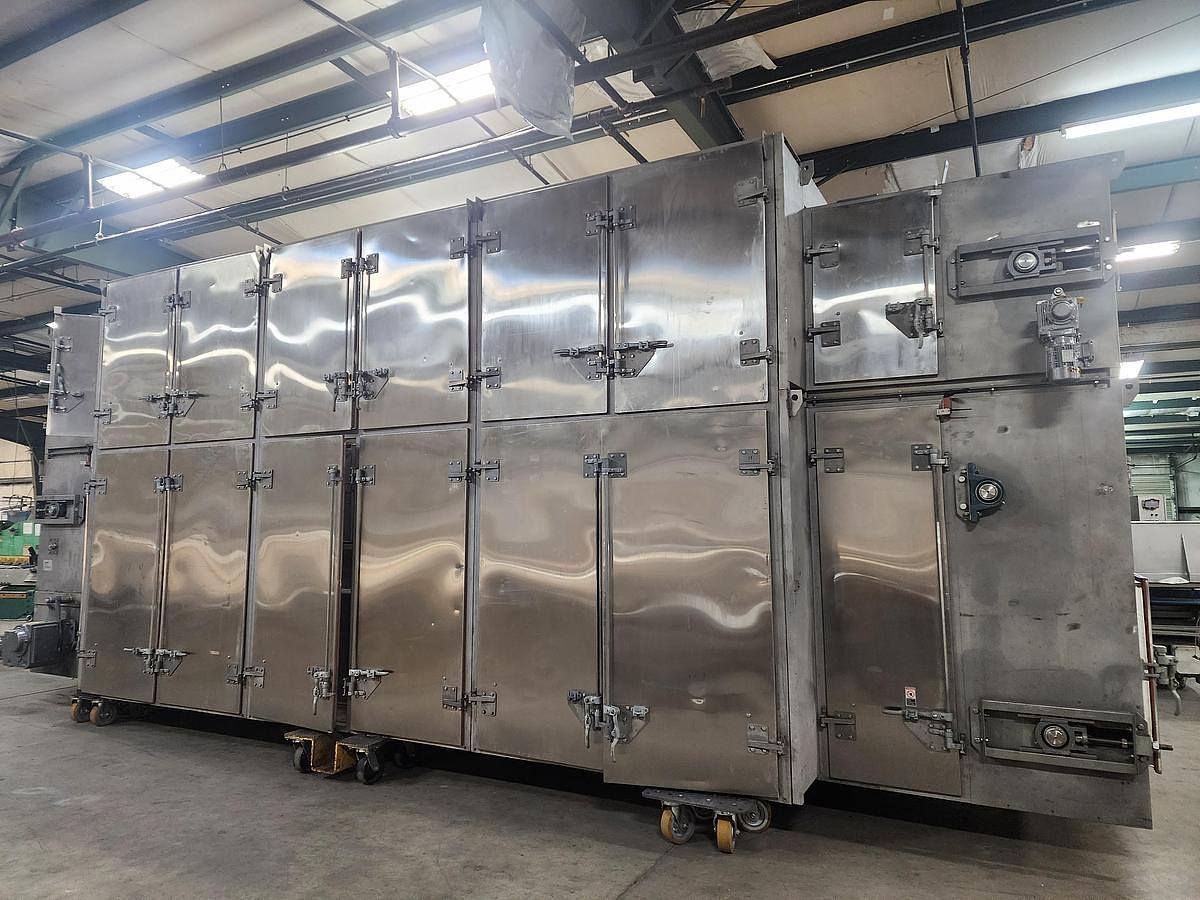
Beyond extruders, ancillary Wenger equipment such as steam-heated dryers and conditioning systems also appear on the used market. For example, the Wenger Model 1200 stainless steel steam heated dryer is one piece of supporting equipment that buyers often seek alongside an extruder to complete a full processing line. When evaluating which model fits a specific application, buyers should look closely at the rated throughput in pounds or kilograms per hour, the motor horsepower, and the screw configuration, since these factors directly determine what the machine can realistically produce.
What is the typical price range for used Wenger extruders?
Pricing for used Wenger extruders varies considerably depending on the model, age, condition, included accessories, and the completeness of the system being sold. Smaller models like the X-25 can be found at lower price points, while larger, higher-capacity twin-screw systems in the TX-85 to TX-168 range command significantly higher prices, sometimes reaching into the hundreds of thousands of dollars for well-maintained units that include controls, feeders, and downstream equipment. The strong resale value of Wenger equipment is partly a reflection of the brand's reputation for durability and long service life.
Buyers should also factor in costs beyond the purchase price itself. Rigging, crating, freight, installation, and any refurbishment or replacement parts needed after inspection can add meaningfully to the total landed cost. Requesting a detailed quote that breaks out each of these line items is a practical step before committing to a purchase. Comparing the all-in cost of a used Wenger system against the cost of comparable equipment from other manufacturers is often how buyers confirm whether a particular listing represents good value.
How do I verify the condition of a used Wenger extruder before buying?
Condition verification is one of the most important steps in any used extruder purchase. Buyers should request complete maintenance records, operational hour logs, and documentation of any components that have been replaced during the machine's service life. Particular attention should go to the screw and barrel wear, since these are the highest-wear components in any extruder and replacement costs can be substantial. A seller who can provide detailed service history is generally a more reliable source than one who cannot.
Reputable used equipment dealers will typically accommodate in-person inspections at their facility or, in cases where the machine is still at a production plant, can arrange access for the buyer or a third-party inspector. Video inspections and photo documentation are also commonly offered as an alternative for buyers who cannot travel. It is worth noting that most dealers do not have the ability to run full production trials, since operating an extruder for actual food or feed output requires food-grade facility permitting that equipment dealers do not hold. The inspection is therefore focused on mechanical condition, cleanliness, and completeness of the system rather than live product testing. Consulting directly with Wenger's parent company, Coperion, about a specific model's age and parts availability is also a reasonable step before finalizing a purchase.
What utilities and infrastructure does a Wenger extruder require?
Running a Wenger extruder requires a combination of utilities that buyers need to plan for before installation. Electrical power is the most obvious requirement, and depending on the model, motor horsepower can range from 75 hp on smaller machines like the X-25 up to several hundred horsepower on larger twin-screw systems. This means buyers need to confirm that their facility's electrical service and panel capacity can handle the load. Three-phase power at the appropriate voltage is standard for industrial extrusion equipment.
Beyond electricity, most Wenger extruder systems also require steam for preconditioner operation, which is used to pre-hydrate and partially cook the raw material before it enters the extruder barrel. Compressed air is needed for controls and pneumatic components. Water supply and drainage are required for cooling and moisture addition during processing. Depending on the specific model and configuration, a steam boiler, air compressor, and adequate water pressure may all need to be in place before the machine can operate. Buyers who are setting up a new facility or retrofitting an existing space should do a full utility audit against the machine's technical specifications before completing a purchase.
What spare parts and consumables should I budget for when buying a used Wenger extruder?
Screws, barrels, and die plates are the primary wear components in any extruder and represent the most significant ongoing parts expense. On a used machine, the condition of these components at the time of purchase directly affects how soon they will need replacement. Buyers should ask for a wear assessment of the screw and barrel as part of the pre-purchase inspection, since heavily worn components can significantly affect product quality and output consistency. Die inserts and cutting blades are also consumables that need to be replaced periodically depending on the abrasiveness of the formulation being run.
Beyond wear parts, buyers should also think about control system components, drive components, and seals. For older Wenger models, it is worth contacting Coperion (the current parent company of Wenger Manufacturing) to understand which parts are still stocked and which may need to be sourced through third-party suppliers or fabricated. This is a practical step that can prevent unexpected downtime after purchase. Building a small inventory of critical spare parts at the time of purchase is a common practice among experienced operators, particularly for components with longer lead times.
What throughput capacities are available across different Wenger extruder models?
Wenger extruder models cover a wide range of production capacities, which is one reason the brand is used by both smaller specialty producers and large-scale commercial manufacturers. Smaller models like the X-25 are suited for lower-volume production, pilot-scale work, or product development, and are often found in research and development settings or smaller processing operations. Mid-range models in the TX-52 and TX-57 range are designed for moderate commercial throughput, while larger systems like the TX-85, X-165, X-185, and TX-168 are built for high-volume continuous production environments.
Throughput is typically expressed in pounds or kilograms per hour and varies depending not just on the model but also on the specific formulation being processed, the moisture content, and the density of the finished product. A machine running a dense, high-moisture aquaculture feed will have a different effective output rate than the same machine running a puffed corn snack. When evaluating a used Wenger extruder for a specific application, buyers should request the manufacturer's rated capacity for the product type they intend to run, and cross-reference that against the machine's actual service history if possible.
Does Wenger or the seller provide installation, training, and technical support after a used equipment purchase?
Used equipment dealers typically sell machinery on an as-is basis and are generally not in a position to provide the same level of post-sale technical support that a manufacturer offers for new equipment. That said, reputable dealers with industry-specific experience can often point buyers toward qualified installation contractors, provide documentation that came with the machine, and answer practical questions about the equipment's configuration. The level of support available from the dealer varies, so buyers should ask directly about what is included before finalizing a purchase.
For technical support and training, the most reliable resource is Coperion, the parent company of Wenger Manufacturing. Buyers should contact Coperion directly to understand what level of support they can expect for a specific model, since the age of the machine and whether it falls within a supported product generation can affect parts availability and technical assistance. Some older models may have limited factory support, which makes finding a third-party service technician with hands-on Wenger experience an important part of the planning process. Industry networks and trade associations in the food and feed processing sectors can be useful for identifying qualified technicians.
What should I know about shipping and rigging a used Wenger extruder?
Wenger extruders are heavy industrial machines, and the logistics of moving them require more planning than standard freight shipments. Proper crating or palletization is essential to prevent damage in transit, and the cost of packaging will vary depending on the size of the machine and the distance it needs to travel. Buyers should ask the seller for a detailed breakdown of packaging, rigging, and freight costs before agreeing to a purchase, so there are no surprises in the final landed cost. For larger systems, heavy-duty rigging equipment may be needed for loading at the origin and unloading at the destination.
For machines that are still installed at a production facility, the process of decommissioning, disassembling, and preparing the equipment for shipment adds another layer of coordination. This typically involves a rigging crew at the plant, which is an additional cost that should be confirmed upfront. Buyers who are not experienced with industrial equipment logistics may want to work with a machinery moving company that specializes in food processing equipment, as they will be familiar with the specific handling requirements for extruder systems and can help avoid damage during transit and installation.
What are the typical payment terms when purchasing used Wenger extrusion equipment?
Most used equipment dealers require full payment before a machine is released for shipment. This is standard practice in the industry and applies to the majority of transactions, particularly for first-time buyers. Some dealers may offer payment terms to established customers with a prior purchase history, but buyers should not assume that financing or deferred payment options are available unless they have been explicitly discussed and agreed upon with the seller before committing to a purchase.
For higher-value purchases, buyers sometimes use escrow arrangements or letters of credit to provide a measure of protection for both parties. It is also common practice to confirm all inspection findings, agree on the final purchase price, and clarify exactly what is included in the sale (controls, feeders, tooling, documentation) before submitting payment. Getting the full scope of the sale in writing, including the agreed condition of the equipment and any items that were identified during inspection, helps avoid disputes after the transaction is complete.