Category
Manufacturer
Model
Wen Zhuo
Wen Zhuo focuses on manufacturing equipment for the food processing sector, particularly known for their filling and sealing machines. Their products are designed to meet the needs of high-volume production environments.
FAQ:
What types of food processing equipment does Wen Zhuo manufacture?
Wen Zhuo is a Chinese food processing equipment manufacturer with a product range built around the needs of commercial kitchens, food factories, and high-volume production facilities. The brand is particularly known for filling and sealing machines, but their lineup also covers vegetable cutters, meat slicers, dough mixers, noodle machines, washing and peeling machines, and various packaging equipment. This breadth makes Wen Zhuo a recognizable name for buyers sourcing multiple pieces of processing equipment from a single manufacturer.
When shopping for used Wen Zhuo equipment, it helps to know the specific category you need, since machines vary considerably in their mechanical complexity, maintenance requirements, and available parts. Filling and sealing machines, for example, have very different inspection priorities than a progressive cavity pump or a dough mixer. Buyers should review the exact model specifications carefully and, where possible, confirm the machine's production history with the seller before committing to a purchase.
What should I look for when buying used Wen Zhuo food processing equipment?
Buying used food processing equipment requires a more hands-on evaluation process than purchasing directly from a manufacturer. For Wen Zhuo machines specifically, the most important starting points are the physical condition of the stainless steel surfaces, the integrity of seals and gaskets, the state of any mechanical drive components, and whether all electrical controls are functional. Wear on contact parts, corrosion, or evidence of improper cleaning can all affect both food safety compliance and machine longevity.
Beyond the physical inspection, buyers should ask the seller for any available documentation, including the machine's model number, approximate year of manufacture, and service history if known. Arranging an in-person or video inspection is strongly recommended before purchase. Reputable used equipment dealers will typically accommodate both options. It is also worth contacting the manufacturer directly to understand what level of technical support and parts availability to expect for that particular model and age of machine, since older units may have limited support.
Is used food processing equipment like Wen Zhuo machines sold with a warranty?
Warranties on used food processing equipment work very differently from what buyers might expect when purchasing directly from a manufacturer. Manufacturer warranties are tied to the sale of equipment and generally do not transfer to subsequent owners. As a result, used equipment is almost universally sold on an as-is basis, meaning the buyer accepts the machine in its current condition at the time of purchase.
This places the responsibility for due diligence squarely on the buyer. The best protection against purchasing a problematic machine is selecting a reputable dealer with a long track record in the food processing equipment sector, requesting a thorough inspection before purchase, and consulting with the manufacturer about parts availability and technical support for the specific model. A dealer who specializes in food processing equipment will generally be better positioned to accurately represent a machine's condition than a general industrial equipment reseller.
Are Wen Zhuo machines built with food-grade stainless steel?
Wen Zhuo equipment is commonly constructed using 304-grade stainless steel, which is a standard material in commercial food processing machinery. Grade 304 stainless steel is widely used in food contact applications because it resists corrosion, tolerates repeated cleaning with standard food-grade sanitizers, and does not react with most food products. For buyers operating in regulated markets, this material specification is an important baseline requirement.
When evaluating a used Wen Zhuo machine, it is worth inspecting the stainless steel surfaces carefully for signs of pitting, deep scratching, or corrosion, particularly in areas that regularly contact food. Surface damage can make thorough sanitation more difficult and may create compliance issues depending on the regulatory environment in which the equipment will be used. If the machine has been in a production environment previously, asking the seller about the cleaning and sanitation practices it was subjected to can provide useful context.
What certifications should I verify when purchasing used food processing equipment for commercial use?
Certification requirements for food processing equipment vary by market and application. CE marking is the primary certification buyers in European markets need to confirm, as it indicates the equipment meets EU health, safety, and environmental requirements. For buyers in North America, FDA compliance for food contact surfaces is the more relevant consideration, particularly regarding materials and coatings used in construction. ISO certifications, while not always mandatory, can signal that a manufacturer follows documented quality management processes.
For used equipment, buyers should be aware that certifications apply to the machine as it was originally built and configured. Any modifications made during the machine's service life could affect its compliance status. When purchasing a used Wen Zhuo machine, ask the seller whether any documentation related to the machine's certification is available, and consider consulting with a compliance specialist if the equipment will be used in a strictly regulated production environment. Contacting the manufacturer directly can also help clarify whether a specific model was produced to meet particular certification standards.
What is a progressive cavity pump, and what is it used for in food processing?
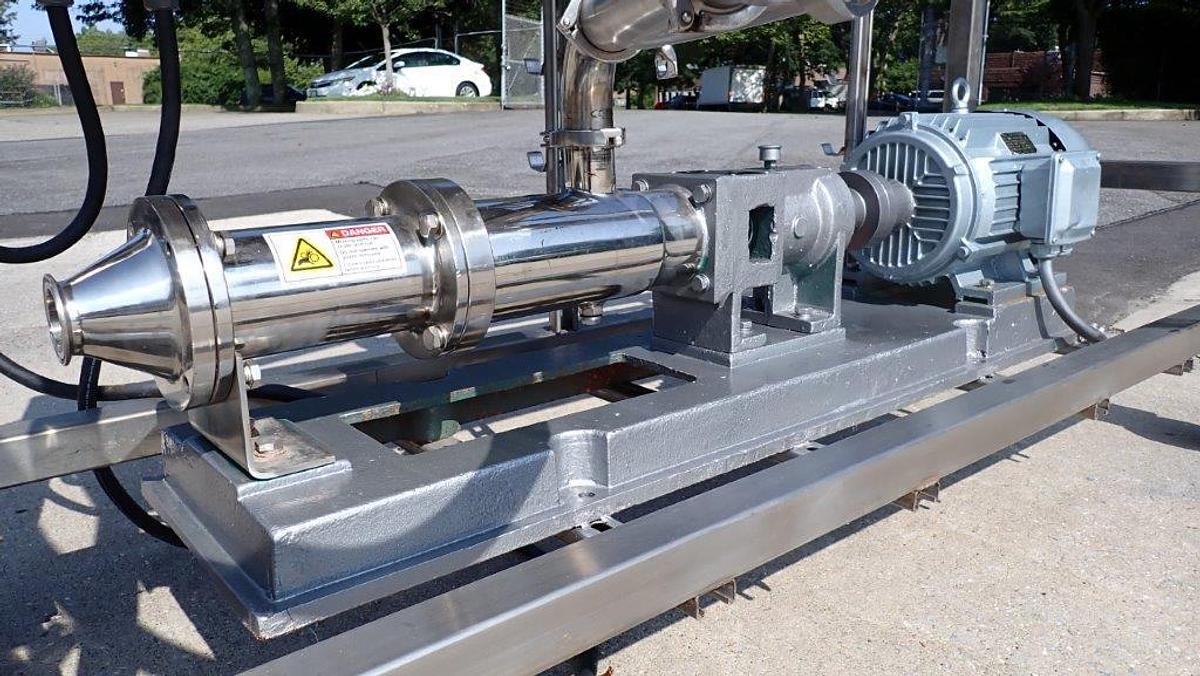
A progressive cavity pump is a positive displacement pump that moves fluid through a series of fixed-volume cavities formed between a helical rotor and a stator. As the rotor turns, these cavities progress from the inlet to the outlet, pushing the product through at a consistent flow rate regardless of pressure variations. This design makes progressive cavity pumps particularly well suited for handling viscous, shear-sensitive, or particulate-laden products that would be damaged or poorly handled by centrifugal pumps.
In food processing, progressive cavity pumps are used for transferring products like sauces, pastes, doughs, jams, dairy products, and meat emulsions. The gentle pumping action preserves product texture and integrity, which is important in applications where maintaining consistency across batches matters. A 2-inch by 2-inch stainless steel progressive cavity pump, such as those found in the used Wen Zhuo equipment market, is typically suited for mid-scale production lines where controlled, low-shear transfer of semi-viscous food products is required.
How is processing capacity measured for food processing equipment, and why does it matter?
Processing capacity is most commonly expressed in kilograms per hour (kg/h) or liters per hour, depending on the type of machine. This figure represents the maximum throughput the equipment can handle under continuous operating conditions. For buyers evaluating a machine's fit for their operation, capacity is one of the most direct indicators of whether a piece of equipment will meet production demands without becoming a bottleneck.
For used equipment, the rated capacity listed in manufacturer specifications reflects the machine's design output, but actual performance may vary depending on the machine's age, condition, and the specific product being processed. Viscosity, particle size, and moisture content can all affect real-world throughput. Buyers should factor in a reasonable margin when matching machine capacity to production requirements, and discuss any capacity-related concerns with the seller during the inspection process. If the machine is still in active production at a facility, some dealers can arrange for an inspection where the equipment is running, which provides the most accurate picture of current performance.
How should I inspect a used Wen Zhuo filling or sealing machine before buying?
Filling and sealing machines have several mechanical and electrical systems that need to be evaluated carefully on a used unit. Key inspection points include the condition of the filling nozzles or heads, the sealing mechanism (heat seals, for example, degrade over time and with heavy use), the accuracy of volume or weight dosing, and the state of any conveyor or indexing components. Electronic controls and sensors should be tested to confirm they respond correctly, and any pneumatic or hydraulic components should be checked for leaks or pressure loss.
Most reputable dealers will offer in-person inspections, video walkthroughs, or recorded video of the machine operating. Keep in mind that dealers typically do not have the permits or production setup to run actual product through a machine during an inspection, so testing is generally limited to dry runs or mechanical operation checks. For a more complete picture, buyers can ask whether the machine is still in use at the facility where it is currently located, as some dealers can arrange access to an operating production site. Consulting the manufacturer about known wear points or service intervals for the specific model is also a practical step before finalizing a purchase.
What are the typical shipping and logistics considerations for buying used food processing equipment?
Shipping used food processing machinery involves more complexity than standard freight because of the weight, dimensions, and fragility of the equipment. Machines need to be properly secured to pallets or enclosed in custom crating to prevent damage during transit. The level of packaging required will vary based on the machine's size and the shipping method, and these costs are typically passed on to the buyer. Larger or heavier equipment may also require specialized rigging for loading and unloading, which adds to the total landed cost.
Buyers should ask the seller for a detailed breakdown of packaging, rigging, and freight costs before finalizing a purchase so there are no surprises. For international shipments, customs duties, import taxes, and compliance documentation add additional layers of cost and lead time to factor in. It is also worth confirming who is responsible for the machine once it leaves the seller's facility, and whether any insurance is included or available for the shipment. Getting clarity on all of these points upfront helps buyers accurately compare the true cost of acquiring equipment from different sources.
What payment terms are typical when purchasing used food processing equipment?
The standard practice among used equipment dealers is to require full payment before the machine is shipped. This applies whether the buyer is purchasing domestically or internationally. The rationale is straightforward: once a machine leaves the dealer's facility, recovering it in the event of a payment dispute is difficult and costly. For buyers, this means having financing or capital in place before the transaction is finalized.
Some dealers may offer extended payment terms to established customers with a prior purchase history, but this is the exception rather than the rule for first-time buyers. When purchasing higher-value equipment, buyers should also consider using payment methods that offer some degree of transaction protection. Asking the dealer about their accepted payment methods and any conditions attached to the sale is a reasonable step before signing any purchase agreement. For international transactions, methods like letters of credit or escrow arrangements can provide an additional layer of security for both parties.