Category
Manufacturer
Model
Weldotron
Weldotron specializes in automated welding and packaging solutions for the food industry. Their equipment is designed to enhance productivity and ensure high-quality packaging for various food products.
FAQ:
What types of Weldotron packaging equipment are commonly available on the used market?
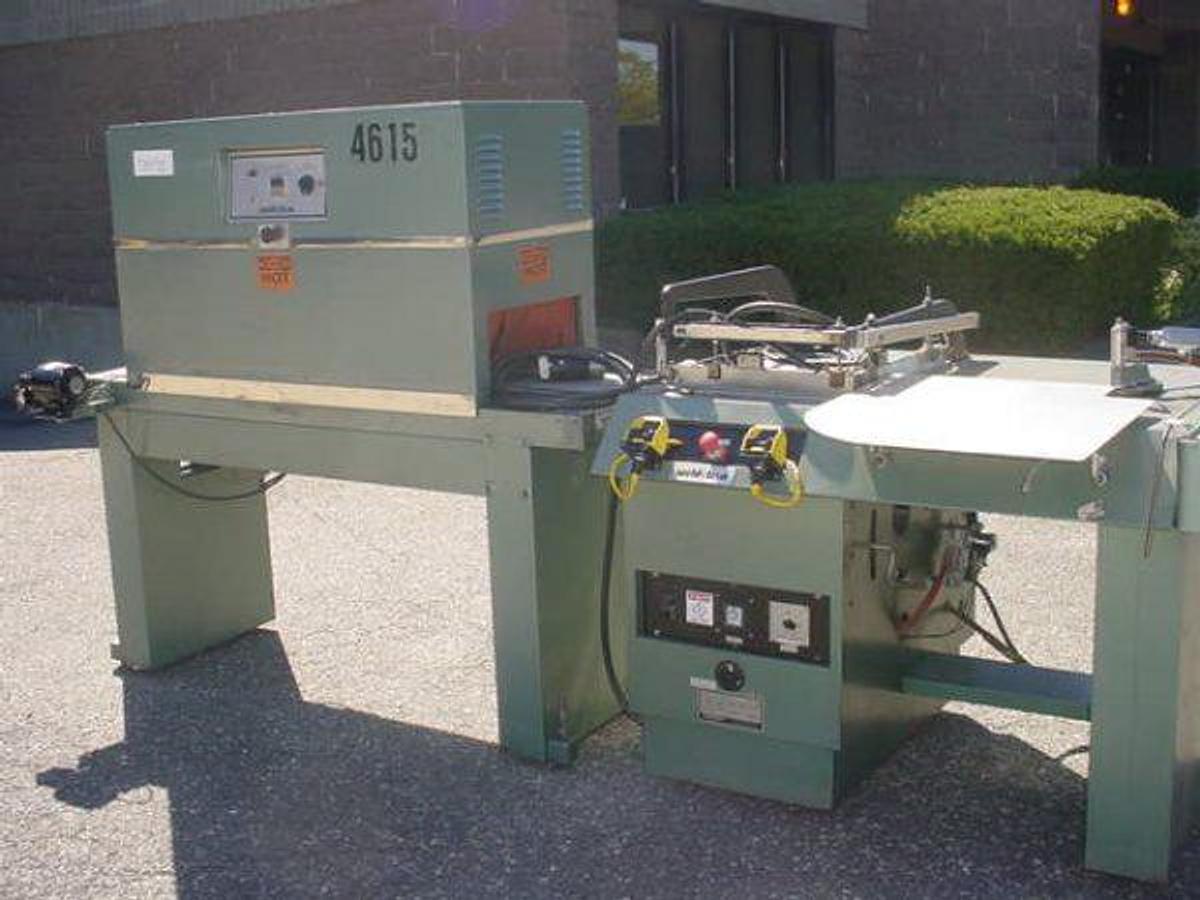
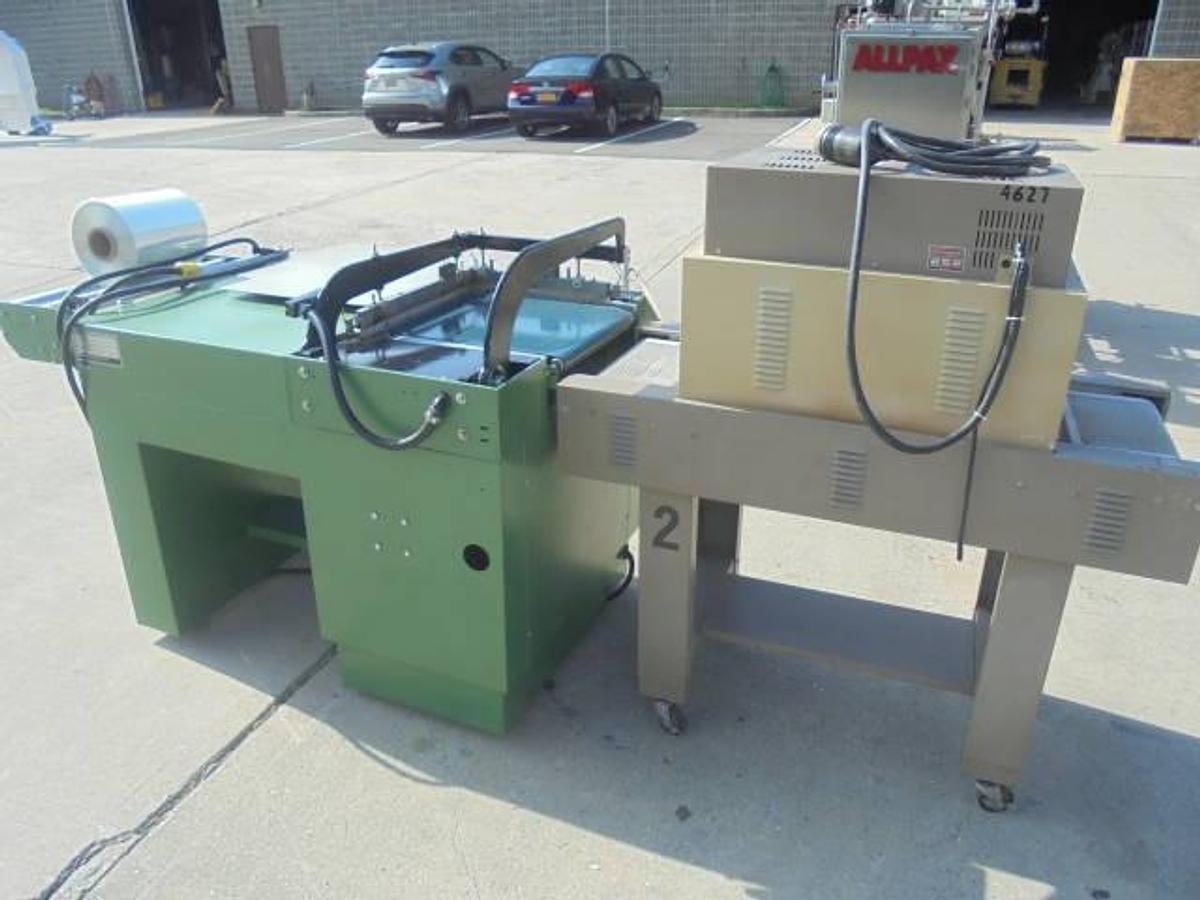
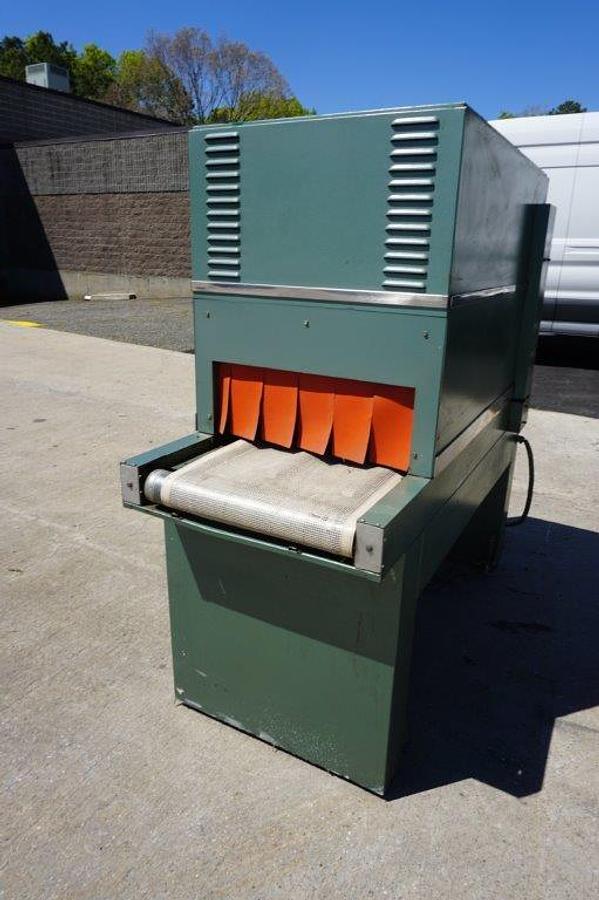
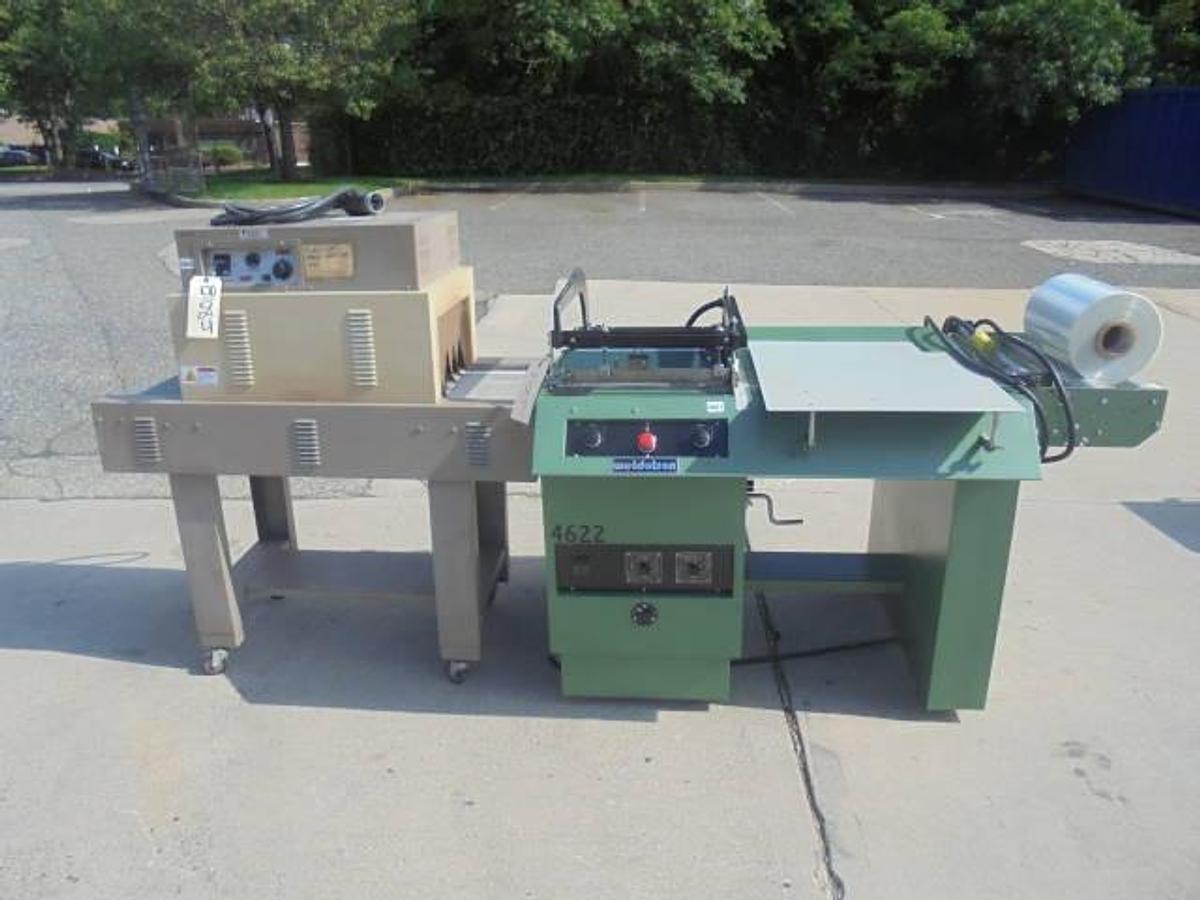
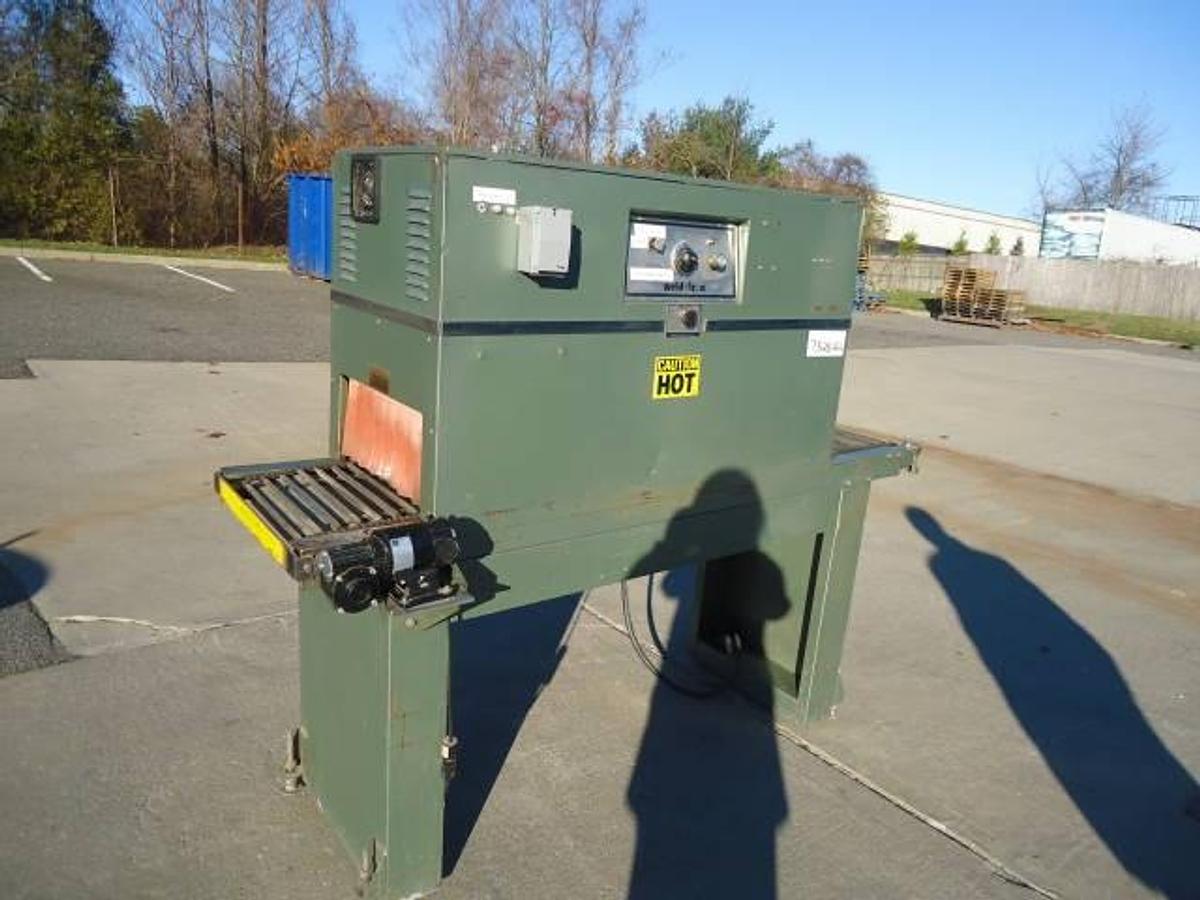
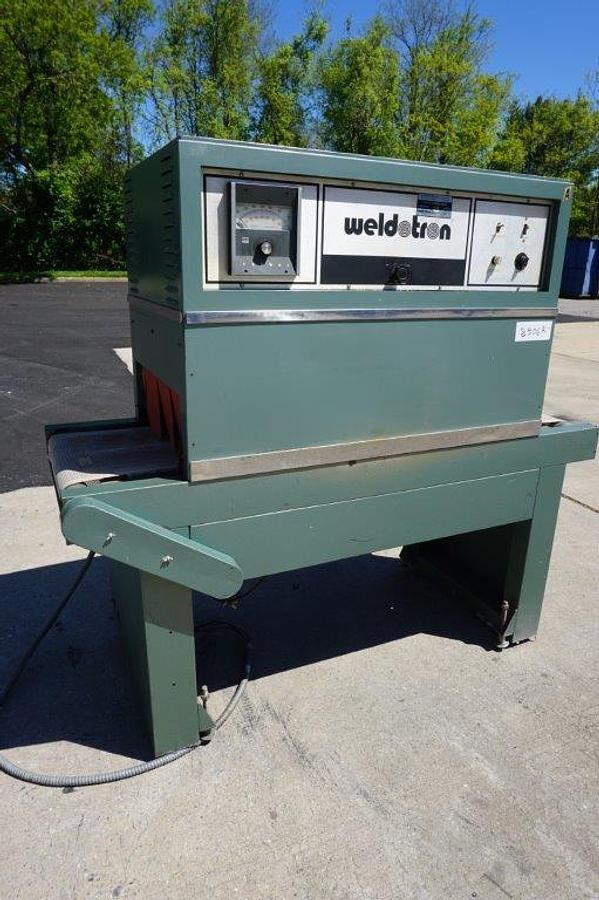
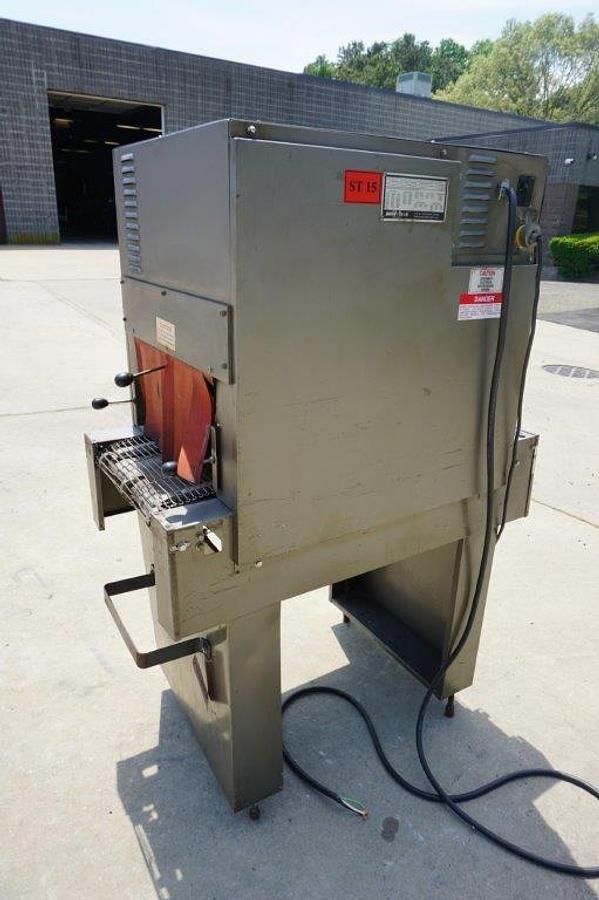
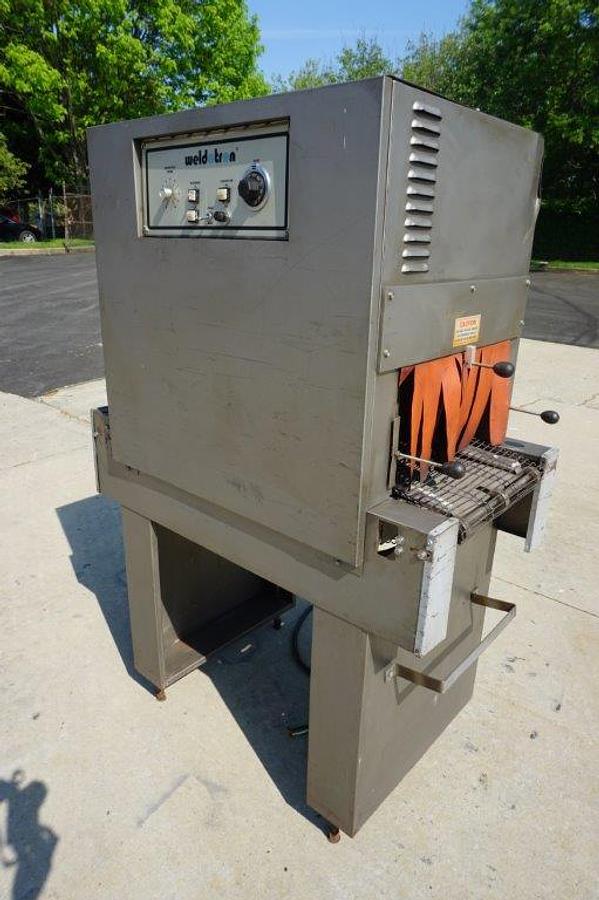
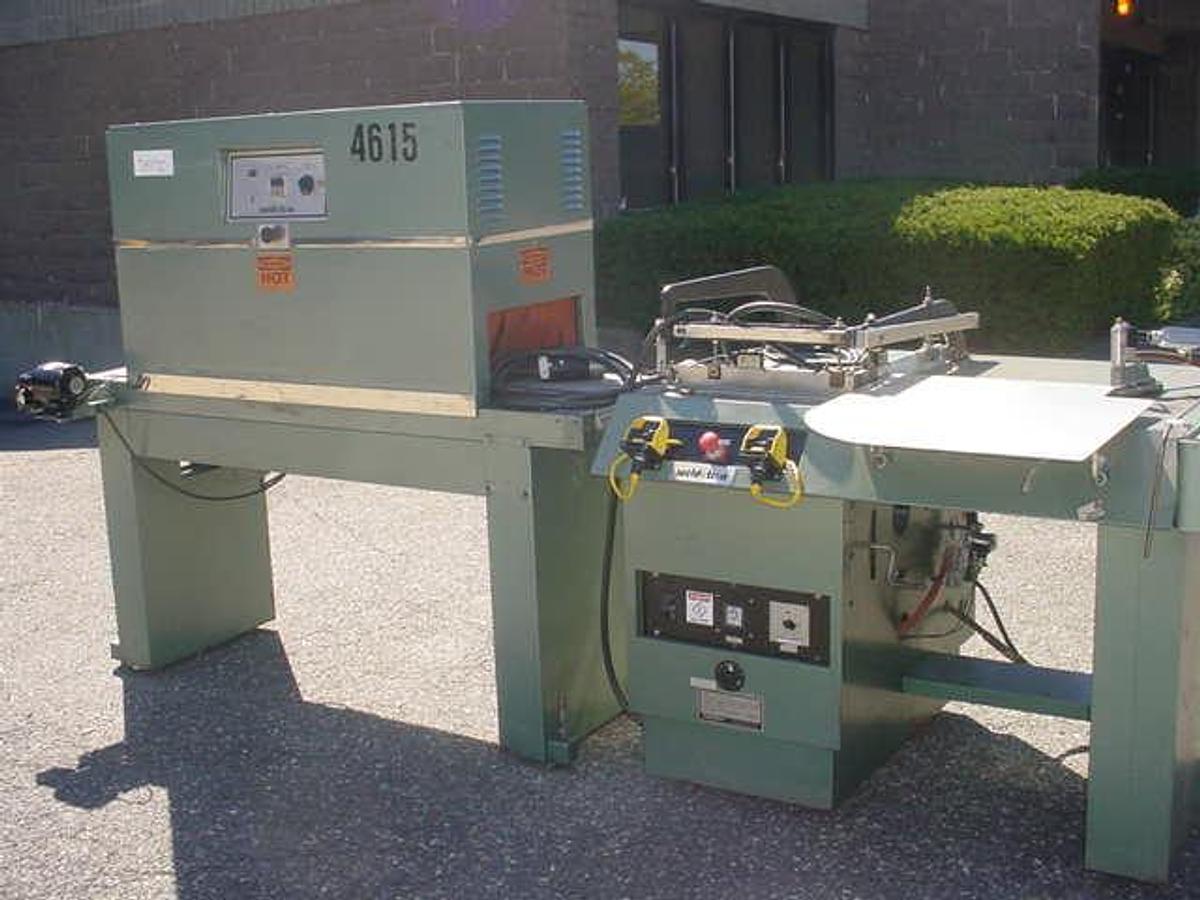
Weldotron built a broad range of packaging machinery over its history as an American manufacturer, and the used market reflects that variety. The most frequently available equipment includes L-bar sealers, conveyorized shrink tunnels, and combination sealer-and-tunnel systems. Specific models like the Weldotron 5201R L-bar sealer and the 7030 and 7121 conveyorized shrink tunnels appear regularly through used equipment dealers. Tunnel opening sizes vary, with common configurations running 16 inches wide by 9 inches high and 22 inches wide by 9 inches high, giving buyers options based on product dimensions and throughput requirements.
L-bar sealers are designed to wrap individual products or groups of products in a film envelope before they pass through the shrink tunnel, where heat contracts the film tightly around the product. Combination units that pair a sealer with a tunnel in a single line are particularly popular because they reduce floor space and simplify integration. Buyers sourcing used Weldotron equipment should confirm the tunnel opening dimensions and conveyor speed range match their production needs before purchasing, since retrofitting these specifications after the fact is rarely practical.
What industries use Weldotron shrink wrap and packaging equipment?
Weldotron equipment has been widely adopted across industries where consistent, high-volume shrink packaging is a daily requirement. Food and beverage operations represent one of the largest user bases, particularly for packaging items like trays, containers, multipacks, and individual food products. The machines are also common in pharmaceutical packaging lines, retail distribution centers, publishing and media fulfillment (for wrapping books, magazines, and boxed sets), and general consumer goods manufacturing. Weldotron specifically positioned its equipment for the food industry, designing machines to meet the productivity and hygiene demands that come with food-grade packaging environments.
Beyond those core sectors, any operation that needs to apply a tamper-evident or protective shrink film to a product can benefit from this type of equipment. Hardware, personal care products, and promotional bundle packaging are all practical applications. Because the machines are built around standard shrink film processes, they transfer well across industries when a facility changes product lines or a used machine is redeployed from one type of operation to another. Buyers from outside the food sector should verify that the specific model they are considering handles their product dimensions and packaging volumes before committing to a purchase.
Is used Weldotron equipment a reliable purchase for production environments?
Weldotron built a reputation for durable, production-grade machinery, and many of their machines continue to perform reliably decades after manufacture. That said, reliability in a used machine depends heavily on its maintenance history, how hard it was run in its previous facility, and the condition of wear components like sealing elements, belts, heating elements, and electrical controls. A machine that was well-maintained and decommissioned due to a plant closure or production line change is a very different purchase from one that was run to failure. This is why the reputation and inspection practices of the dealer matter as much as the brand name on the machine.
Buyers should request as much documentation as possible, including any available service records, and take advantage of inspection opportunities before finalizing a purchase. Reputable used equipment dealers will typically accommodate in-person inspections or provide detailed video walkthroughs showing the machine in its current condition. Some machines may still be installed and operational at the facility where they are being sold, allowing for a live demonstration. Keep in mind that most dealers do not have the permits or production infrastructure to run actual product through the machine during an inspection, so the evaluation will generally focus on mechanical condition, electrical function, and visible wear rather than a full production test.
What should buyers know about parts availability for older Weldotron models?
Parts availability is one of the most important practical considerations for anyone buying a used Weldotron machine. OEM support for older Weldotron models is limited, and buyers should not assume that factory-direct parts will be readily available for every component. That said, many standard wear parts, such as sealing wires, Teflon tape, heating elements, conveyor belts, and common electrical components, can often be sourced through third-party suppliers or industrial parts distributors who stock components compatible with older packaging equipment. For more model-specific mechanical parts, some buyers and dealers use donor machines as a parts source, purchasing a non-functional unit solely to keep a working machine running.
Before purchasing a used Weldotron machine, it is worth contacting the manufacturer or their authorized service network to understand what level of support is still available for that specific model and production year. Age and model can significantly affect what parts and technical documentation are accessible. Buyers with in-house maintenance teams experienced in packaging machinery will generally have more flexibility, since they can machine custom replacements or adapt third-party components. For buyers without that internal capability, sourcing a machine from a dealer who has already addressed known wear items and can provide documentation of recent part replacements adds meaningful value to the transaction.
What is the typical price range for used Weldotron shrink packaging machines?
Pricing for used Weldotron equipment varies considerably based on the model, age, condition, included accessories, and whether the machine has been inspected or had any components replaced prior to sale. Entry-level or older L-bar sealer models can be found at the lower end of the used packaging equipment market, while larger conveyorized shrink tunnel systems or combination sealer-tunnel lines command higher prices due to their greater complexity and production capacity. Machines that are in verified working condition and have documented service history will generally be priced higher than those sold strictly as-is with no inspection data.
Buyers should also factor in the total landed cost of the equipment, not just the listed sale price. Shipping, rigging, crating, and any immediate repairs or part replacements needed after delivery can add meaningfully to the overall investment. Requesting a detailed breakdown of shipping and packaging costs from the dealer before finalizing a purchase is a practical step that prevents surprises. Comparing multiple listings for similar models and configurations gives buyers a realistic sense of market pricing and helps identify whether a particular listing represents fair value given its stated condition.
What film types are compatible with Weldotron L-bar sealers and shrink tunnels?
Weldotron L-bar sealers and shrink tunnels are designed to work with standard shrink film materials commonly used in industrial packaging. Polyolefin (POF) film is among the most widely used compatible materials, valued for its clarity, strength, and suitability for food-contact applications. PVC shrink film is another option that has historically been used with this class of equipment, though it has become less common in food and pharmaceutical settings due to concerns about fumes during sealing. Polyethylene films are used in higher-volume bundling and heavy-duty applications. The specific film compatibility for any given Weldotron model depends on the sealing mechanism and tunnel temperature range, so buyers should review the machine's specifications carefully.
Film gauge, or thickness, is also a relevant factor. Most Weldotron shrink systems are designed to handle a range of film gauges, typically measured in microns or gauge units, but running film outside the recommended range can affect seal quality and machine longevity. Buyers who have specific film requirements based on their product or industry standards should verify compatibility with the model they are considering, either through the dealer or by consulting the machine's technical documentation. If documentation is unavailable, reaching out to the manufacturer or a packaging engineer familiar with the equipment can help clarify what film specifications the machine was designed to handle.
How does buying used Weldotron equipment compare to purchasing new packaging machinery?
Used Weldotron equipment offers a meaningful cost advantage over purchasing new packaging machinery, which is the primary reason buyers in food processing, distribution, and manufacturing actively seek it out. A used machine from a recognized brand like Weldotron can deliver comparable production performance at a fraction of the cost of a new equivalent, making it an attractive option for operations that need proven packaging capability without a large capital outlay. The trade-off is that used machines come without the support structure of a new purchase, including manufacturer setup assistance, training programs, and parts coverage that typically accompany new equipment.
Buyers choosing used equipment take on more responsibility for verifying condition, sourcing parts, and managing maintenance. This is why the inspection process is so critical. A used machine that has been properly evaluated and is in good mechanical condition can integrate into a production line effectively, but buyers should go in with realistic expectations about the level of due diligence required. Working with a dealer who specializes in packaging equipment and has a track record in the industry reduces risk considerably, since experienced dealers are better positioned to identify issues before a machine ships and can provide useful context about a specific model's known strengths and weaknesses.
What does the inspection process look like when buying used Weldotron machinery?
Inspecting a used Weldotron machine before purchase is one of the most important steps a buyer can take to protect their investment. Most reputable used equipment dealers offer inspection options that include in-person visits, live video calls, or pre-recorded video documentation of the machine. An in-person inspection allows a buyer or their technician to physically examine the sealing components, conveyor system, heating elements, electrical panel, and overall structural condition of the machine. Some machines are still installed and powered at the facility where they are being sold, which allows for a powered demonstration of the machine's mechanical operation even if running actual product through it is not possible.
Virtual and video inspections have become a practical alternative for buyers who cannot travel to the machine's location. A thorough video inspection should capture the machine from multiple angles, show any visible wear or damage, and demonstrate powered operation where available. Buyers should not hesitate to ask specific questions during a video walkthrough, such as requesting close-up footage of the sealing bar, belt condition, or control panel. Keep in mind that most equipment dealers operate under different permitting than production facilities, so a full production run test with actual film and product is generally not something a dealer can provide. The goal of any inspection is to get the clearest possible picture of the machine's current mechanical and electrical condition before committing to a purchase.
What are the typical shipping and rigging considerations for used Weldotron equipment?
Shipping used Weldotron packaging equipment requires more planning than standard freight, particularly for larger conveyorized shrink tunnel systems. Proper packaging is critical to prevent damage in transit. Depending on the size and weight of the machine, this can mean palletization with adequate bracing or full custom crating. Larger and heavier machines may require specialized rigging for loading at the origin facility and unloading at the destination, which involves forklifts or cranes and adds to the total cost of the transaction. Buyers should ask the dealer specifically what packaging method will be used and whether rigging services are included in the quoted price or billed separately.
Understanding the full landed cost of a machine before agreeing to a purchase is a practical necessity. The sale price of the equipment is only one part of the total investment. Freight charges, crating or palletization fees, and destination rigging can collectively add a significant amount to what a buyer actually pays to get the machine operational at their facility. Buyers should request itemized cost breakdowns from the dealer covering all of these elements. For international shipments, customs documentation and import duties add another layer of cost and complexity that should be accounted for in advance.
What payment terms should buyers expect when purchasing used Weldotron equipment?
Payment practices in the used industrial equipment market are fairly standardized, and buyers should expect that most dealers will require full payment before a machine is released for shipping. This is the norm across the industry rather than an exception, and it reflects the logistical and financial realities of used equipment transactions where machines are often sourced from third-party facilities and involve significant freight coordination. Buyers who are new to purchasing used machinery should plan their financing accordingly and not assume that net payment terms or installment arrangements will be available on a standard transaction.
Some dealers do offer extended payment terms or financing arrangements for repeat customers or larger transactions, but these are typically negotiated on a case-by-case basis rather than offered as a standard option. Buyers who have an established relationship with a dealer are more likely to have flexibility in payment structure. For first-time buyers, demonstrating seriousness through prompt communication, willingness to conduct a proper inspection, and readiness to move quickly once terms are agreed upon can help build the kind of rapport that leads to more accommodating arrangements over time. Regardless of payment structure, buyers should ensure that all terms, including what happens if a machine arrives significantly different from its described condition, are clearly documented before funds are transferred.