Category
Manufacturer
Model
Weber & Seelander
Weber & Seelander is known for its high-quality packaging machinery, primarily serving the food and beverage sectors. They offer a variety of solutions including filling and sealing machines that enhance production efficiency.
FAQ:
What types of packaging machinery does Weber & Seelander manufacture?
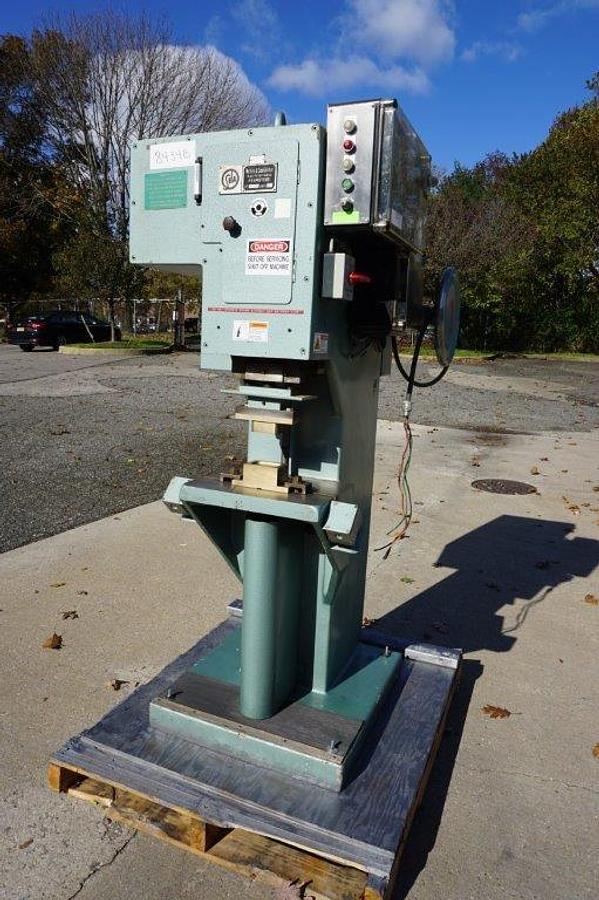
Weber & Seelander is a German-origin packaging machinery brand with a strong heritage in food processing and industrial packaging equipment. Their product range has historically included filling and sealing machines, soap cake stamping and pressing equipment, labeling systems, slicing machinery, and portion control solutions. The brand is particularly well-regarded in food and beverage production environments where precision, throughput, and hygiene standards are critical. One specific example that appears in the used equipment market is the Weber & Seelander "SELA" Semi-Automatic Soap Cake Stamping and Soap Press Machine, which illustrates the brand's reach beyond food into personal care product manufacturing as well.
Because Weber & Seelander machinery spans several decades of production, buyers researching used equipment will encounter a range of models with varying levels of automation, from semi-automatic units suitable for smaller production runs to more fully automated systems designed for high-volume industrial facilities. It is worth noting that the name "Weber" appears across several distinct packaging-related companies, including Weber Marking Systems and Weber Packaging Solutions, which are separate entities. When sourcing used Weber & Seelander equipment, buyers should confirm the exact manufacturer and model lineage to avoid confusion and ensure they are evaluating the correct machine for their application.
What industries use Weber & Seelander packaging equipment?
Weber & Seelander packaging machinery has historically served a broad range of industries, with the food and beverage sector being the most prominent. Within food processing, their equipment has been used in deli and retail environments for slicing, portioning, labeling, and packaging of meat, cheese, and other perishable goods. The machinery's precision and reliability made it a practical choice for facilities that required consistent output and compliance with food safety standards. Beyond food, the brand's equipment also appears in personal care and soap manufacturing, as evidenced by the existence of semi-automatic soap cake stamping and pressing machines in the used equipment market.
Industrial and consumer goods manufacturers have also adopted Weber & Seelander solutions where filling, sealing, or labeling processes are central to the production line. Buyers from contract packaging operations, private label manufacturers, and mid-sized food processors tend to be among the most active purchasers of used Weber & Seelander equipment. Understanding the original application of a specific used machine is important during the evaluation process, as a unit configured for food-grade production may have different maintenance histories, material contact surfaces, and regulatory considerations compared to one used in non-food manufacturing.
What should buyers know about purchasing used Weber & Seelander packaging machinery?
Purchasing used Weber & Seelander machinery requires a more deliberate due diligence process than buying equipment directly from a manufacturer. Used machines are sold as-is, which means the condition, operating history, and any wear on components are the buyer's responsibility to assess before committing to a purchase. The most important step is selecting a reputable dealer with a verifiable track record in industrial or packaging machinery, ideally one that specializes in the relevant equipment category. A dealer with deep industry knowledge will be better positioned to accurately describe a machine's current condition and help buyers understand what they are getting.
Buyers should request as much documentation as possible, including any available service records, maintenance logs, or prior inspection reports. It is also advisable to contact the manufacturer directly to understand what level of technical support, parts availability, and documentation can still be obtained for a specific model, since older or discontinued machines may have limited manufacturer backing. Age and production volume history are key variables that affect how a used machine will perform after acquisition. Taking the time to thoroughly vet both the equipment and the seller significantly reduces the risk of unexpected costs after the purchase is made.
How can buyers inspect a used Weber & Seelander machine before purchasing?
Reputable used equipment dealers typically offer several inspection options to help buyers assess a machine's condition before finalizing a purchase. In-person inspections are the most thorough approach, allowing a buyer or their technician to physically examine the equipment, check for wear on mechanical components, review electrical systems, and assess overall cleanliness and maintenance history. Some machines may still be installed and operational at the facility where they were last used, making it possible to observe the equipment in a production context, though dealers generally cannot run actual product through a machine since operating a full production line requires permits and certifications that equipment dealers do not hold.
For buyers who cannot travel for an in-person visit, virtual inspections via video call or pre-recorded video walkthroughs are a common alternative. A thorough video inspection should cover all major mechanical assemblies, visible wear points, control panels, and any areas of concern identified by the buyer in advance. Buyers should come prepared with a list of specific questions and request close-up footage of critical components. Regardless of inspection method, the goal is to get an accurate, honest picture of the machine's current working order so there are no surprises after delivery. Engaging an independent machinery appraiser or a qualified technician familiar with packaging equipment is also a sound practice for higher-value purchases.
Are spare parts available for older Weber & Seelander machines?
Spare parts availability is one of the most significant practical concerns for buyers of used Weber & Seelander equipment, particularly for older or discontinued models. As machinery ages and production of specific models ends, the supply of manufacturer-sourced replacement components tends to shrink. In some cases, parts may still be available directly from the manufacturer or through authorized service networks, but availability varies considerably depending on the model, its age, and how long it has been out of active production. Consulting with the manufacturer before purchasing a used machine is a prudent step, as they can provide guidance on what parts and technical support remain accessible for a given model.
Beyond the manufacturer, there are several other sourcing avenues worth exploring. Specialist used equipment dealers sometimes carry inventory of compatible spare parts, and aftermarket suppliers may produce replacement components for popular machine types. In some cases, parts can be fabricated by skilled machinists if drawings or worn originals are available as references. Buyers should factor parts availability into their total cost of ownership calculation before purchasing. A machine that is inexpensive to acquire but difficult or expensive to maintain can end up costing significantly more over time than a slightly higher-priced unit with better parts support.
What is the typical price range for used Weber & Seelander packaging equipment?
Pricing for used Weber & Seelander packaging machinery varies widely depending on the machine type, model, age, condition, and level of automation. Semi-automatic units, such as soap cake stamping or smaller filling machines, generally fall at the lower end of the price spectrum compared to fully automated, high-throughput systems designed for large-scale food processing operations. Condition is a major price driver: a machine that has been well-maintained, recently serviced, or is still in active production will typically command a higher price than one that has been sitting idle or shows significant wear.
Buyers should also account for costs beyond the listed price when calculating the total investment. Shipping, rigging, crating, and any refurbishment or recalibration work needed after delivery can add meaningfully to the final cost. In some cases, integrating a used machine into an existing production line may require additional electrical or mechanical modifications. Getting quotes for these ancillary costs before committing to a purchase is important for accurate budgeting. Working with a dealer who is transparent about the machine's history and realistic about any reconditioning it may need helps buyers avoid underestimating their total outlay.
What are the shipping and logistics considerations when buying used packaging machinery?
Shipping used packaging machinery involves several logistical factors that buyers should understand before finalizing a purchase. The size and weight of the equipment directly affect how it needs to be prepared for transport. Smaller semi-automatic machines may be shipped on standard pallets with appropriate bracing and wrapping, while larger automated systems often require custom crating or heavy-duty skidding to prevent damage in transit. The level of packaging required to protect the machine affects the shipping cost, and buyers should ask the dealer for a detailed breakdown of palletization, crating, and freight charges to understand the full landed cost of the equipment.
For heavy machinery, rigging is a necessary part of both the loading and unloading process. Professional riggers use specialized equipment such as forklifts, cranes, or machinery skates to safely move equipment without damaging it or creating safety hazards. Rigging fees are typically an additional cost on top of freight charges and should be confirmed in advance. Buyers receiving large machinery at their facility should also ensure they have appropriate unloading equipment on-site or arrange for a rigging crew at the delivery location. International shipments add further complexity, including customs documentation, import duties, and compliance with destination country regulations, all of which should be clarified with the seller before purchase.
What payment terms are typical when purchasing used packaging machinery from a dealer?
Payment practices in the used industrial equipment market differ from standard retail or e-commerce transactions. Most used equipment dealers require full payment before a machine is released for shipping. This is standard practice in the industry and reflects the nature of selling high-value, one-of-a-kind items where holding a machine for a buyer without confirmed payment creates significant risk for the seller. Buyers should be prepared for this expectation and factor it into their procurement planning, particularly for larger capital purchases that may require internal approval processes or financing arrangements.
Some dealers may offer extended payment terms to established customers with a history of prior transactions, but this is not the norm for first-time buyers. Wire transfer is the most commonly accepted payment method for large machinery purchases, though other arrangements may be available depending on the dealer. Buyers using financing or equipment leasing should confirm their funding timeline with both their lender and the dealer before agreeing to a purchase, as delays in payment can affect machine availability. Clarifying payment expectations early in the negotiation process helps avoid misunderstandings and keeps the transaction moving efficiently.
How does Weber & Seelander packaging equipment compare to other brands in the used market?
Weber & Seelander occupies a well-regarded position in the used packaging machinery market, particularly among buyers in food processing, deli operations, and personal care manufacturing. The brand's German engineering heritage is associated with durable construction and precise mechanical performance, which contributes to the longevity of its machines and their continued presence in the secondary market decades after production. Buyers who prioritize build quality and mechanical reliability often seek out German-manufactured equipment specifically because of its reputation for holding up under demanding production conditions.
That said, comparing used machinery across brands requires evaluating more than just the manufacturer's reputation. The specific model, its production history, the availability of spare parts, and the condition of the individual unit on offer are all factors that can outweigh brand considerations in a given purchase decision. A well-maintained machine from a lesser-known brand may outperform a neglected unit from a premium manufacturer. Buyers should also be aware that the name "Weber" appears across several distinct companies in the packaging and labeling space, including Weber Marking Systems and Weber Packaging Solutions, which are separate entities from Weber & Seelander. Confirming the exact manufacturer before evaluating a machine prevents confusion and ensures the buyer is researching the right product lineage.
What should buyers look for when evaluating the condition of a used Weber & Seelander machine?
Evaluating the condition of a used packaging machine requires a systematic approach that covers both mechanical and operational aspects of the equipment. On the mechanical side, buyers or their technicians should examine key wear components such as belts, bearings, seals, cutting elements, and any contact surfaces that interact directly with product. Signs of excessive wear, corrosion, makeshift repairs, or missing components are red flags that suggest higher post-purchase maintenance costs. The condition of the electrical system, including wiring, control panels, sensors, and safety interlocks, is equally important and should be assessed carefully, particularly on older machines where electrical components may be outdated or difficult to source.
Operational history is another critical dimension of condition assessment. A machine that has been running at high production volumes for many years will have accumulated more wear than one used intermittently or for lighter-duty applications. If the machine is still installed at a production facility, observing it in operation provides the most direct evidence of its current working state. For decommissioned equipment, asking the dealer about the circumstances under which the machine was taken out of service can reveal useful information. A unit retired due to a production line upgrade is a very different situation from one removed because of a mechanical failure. Combining a thorough physical inspection with honest dialogue about the machine's history gives buyers the clearest possible picture before committing to a purchase.