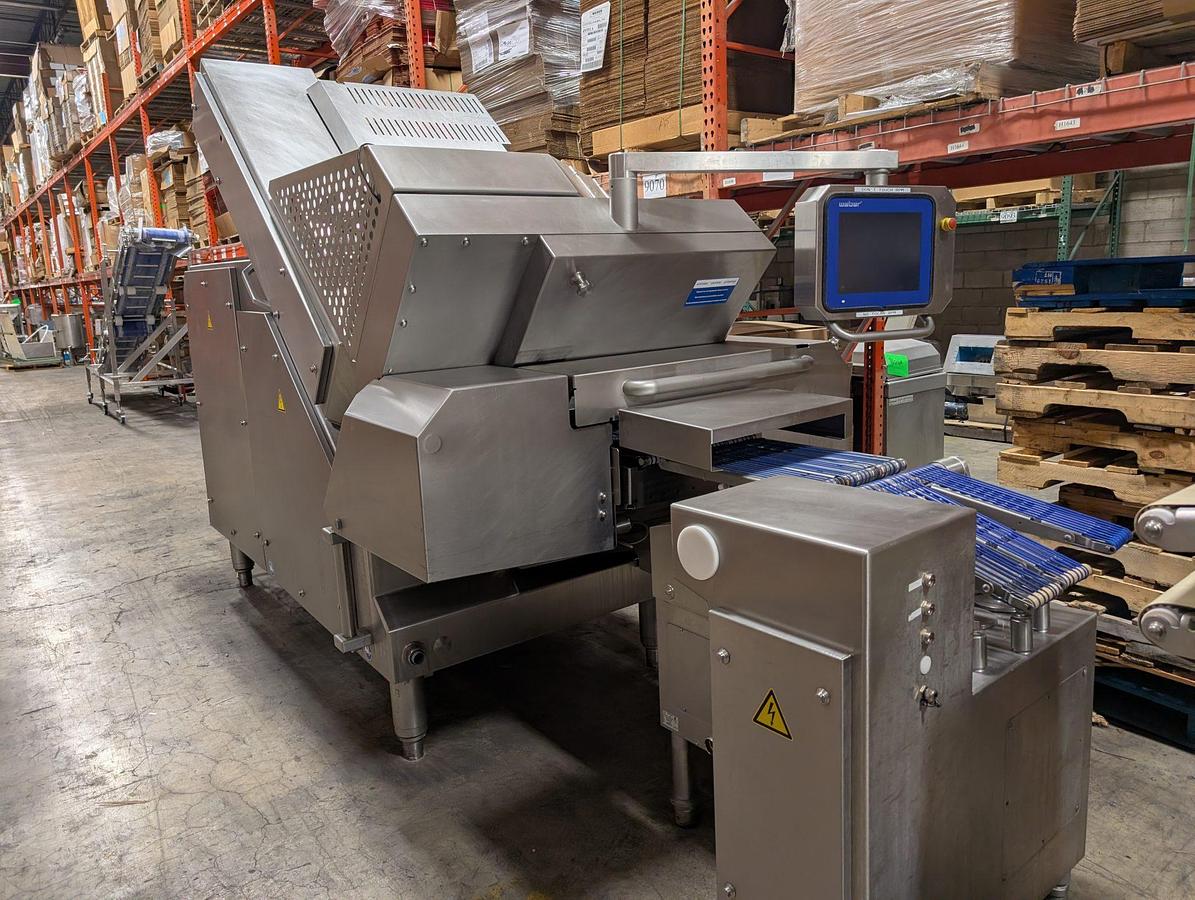
Category
Manufacturer
Model
Weber
FAQ:
What types of Weber equipment are available on the used market?
Weber has manufactured a wide range of food processing and industrial equipment over the years, and the used market reflects that variety. On the industrial and food processing side, Weber is well known for producing slicing equipment, including circular blade slicers like the Weber 604 Auto Circular Blade Slicer, which are commonly found in deli, meat processing, and food production environments. These machines are built to handle high-volume slicing with precision, making them a popular choice for facilities looking to process cold cuts, cheese, and similar products at scale.
Beyond slicers, Weber's broader equipment catalog has touched packaging, portioning, and related food processing machinery. Used Weber equipment tends to attract buyers from commercial kitchens, food manufacturing plants, and processing facilities that want reliable, well-regarded machinery without the cost of purchasing unused stock. Because Weber machines are known for their durability and longevity, finding a well-maintained used unit can represent significant value compared to other options in the same category.
What should I look for when buying a used Weber industrial slicer?
Buying a used Weber industrial slicer requires a closer look than purchasing a simple hand tool or countertop appliance. The blade condition is one of the first things to evaluate. Circular blades on high-volume slicers wear over time, and replacement blades, while available, add to the total cost of ownership. Ask the seller whether the blade has been recently sharpened or replaced, and if possible, request photos or video of the blade up close. You should also examine the drive mechanism, the feed tray, and any automated components for signs of wear, corrosion, or damage.
Beyond the mechanical condition, think about sanitation history and parts availability. Industrial food processing equipment is subject to strict hygiene standards, so ask whether the machine has been properly cleaned and maintained. Check with Weber or authorized service providers to confirm that parts are still available for the specific model you are considering, since older models may have limited support. A reputable used equipment dealer will typically accommodate in-person or video inspections so you can assess the machine's condition before committing to a purchase.
How does the inspection process work when buying used Weber equipment?
Most reputable used equipment dealers offer buyers the option to inspect machinery before purchase, either in person, through a live video call, or via detailed video footage of the equipment in its current state. For used Weber slicers and food processing machines, this step is particularly important because the condition of cutting components, motors, and automated feed systems can vary significantly depending on how the machine was used and maintained. An inspection gives you a realistic picture of what you are buying and helps avoid surprises after delivery.
In some cases, the equipment may still be installed and operating at a production facility, which means an in-person inspection can be arranged between the buyer, the dealer, and the facility owner. Keep in mind that most used equipment dealers do not have the production permits or setup required to run actual food processing tests, so the inspection will focus on the mechanical and visual condition of the machine rather than a full production run. If testing under load is critical to your decision, discuss that possibility directly with the dealer to understand what can be arranged.
What is the Weber 604 Auto Circular Blade Slicer used for?
The Weber 604 Auto Circular Blade Slicer is a high-capacity industrial slicing machine designed for use in commercial food processing environments. It is built to handle continuous, automated slicing of products like deli meats, cooked proteins, and cheese at production speeds that far exceed what a manual or countertop slicer can achieve. The circular blade design allows for consistent slice thickness across high volumes, which is essential for portion control and product uniformity in commercial operations.
This type of machine is typically found in meat processing plants, large-scale deli operations, and food manufacturing facilities where throughput and consistency are priorities. The automated feed mechanism reduces the need for manual handling, which improves both efficiency and operator safety. When purchasing a used Weber 604, buyers should pay close attention to the condition of the blade, the feed system, and any electronic controls, as these components see the most wear in high-production environments.
Are used Weber food processing machines a good value compared to buying unused equipment?
For facilities with tight capital budgets, used Weber food processing equipment can offer meaningful cost savings without sacrificing the quality that the Weber name is associated with. Weber machines are built to industrial standards and are known for lasting through years of heavy use, which means a well-maintained used unit can still have a long productive life ahead of it. The key is sourcing from a dealer who specializes in food processing or industrial equipment and who can provide honest documentation of the machine's history and condition.
The trade-off is that used equipment comes without the support structure that accompanies a purchase directly from a manufacturer. There are no manufacturer warranties, and parts availability depends on the age and model of the machine. That said, buyers who do their homework, request thorough inspections, and consult with Weber service contacts about parts and support for a specific model can often find excellent value in the used market. The savings compared to unused equipment pricing can be substantial, sometimes reaching 40 to 70 percent depending on the machine's age and condition.
What are the typical shipping and logistics considerations for used Weber industrial equipment?
Industrial food processing equipment like Weber slicers is heavy, precision-built machinery that requires careful handling during transit. Shipping costs will depend on the size and weight of the specific machine, the distance it needs to travel, and the level of packaging or crating required to protect it. Smaller units may be palletized, while larger or more complex machines often need custom crating to prevent damage to sensitive components like blades, motors, and electronic controls. Buyers should ask the dealer upfront about packaging specifications and whether crating is included in the quoted price or billed separately.
For larger Weber equipment, professional rigging may be required for both loading at the dealer's location and unloading at the destination. Rigging services involve specialized equipment and trained personnel to safely move heavy machinery, and this is typically an added cost that buyers need to factor into the total landed price. Before finalizing a purchase, get a full breakdown of shipping, crating, and rigging fees so you understand the complete cost of getting the machine to your facility.
What payment terms should I expect when purchasing used Weber equipment from a dealer?
The standard practice among used equipment dealers is to require full payment before a machine is shipped. This applies to most transactions, particularly for first-time buyers. The reasoning is straightforward: once a machine leaves the dealer's facility, it is difficult to recover if a payment issue arises. Buyers should be prepared to wire funds or use another agreed-upon payment method before the equipment is loaded for transport. Some dealers may offer payment terms or financing arrangements to established customers with a prior purchasing history, but this is not the norm for first-time transactions.
Before sending payment, it is worth taking full advantage of any inspection options the dealer offers. Review photos, request video, or arrange an in-person visit if the machine's value justifies the travel. Confirming the machine's condition before payment is the most effective protection a buyer has, since used equipment is typically sold as-is. Working with a dealer who has a long track record in the food processing equipment space adds another layer of confidence to the transaction.
How can I verify that a used equipment dealer is reputable before buying Weber machinery?
The used industrial equipment market includes dealers ranging from highly specialized operations with decades of experience to generalist resellers with little technical knowledge of the machines they sell. When evaluating a dealer selling used Weber equipment, look for signs of specialization in food processing or industrial machinery rather than a broad mix of unrelated equipment categories. Dealers who focus on a specific industry tend to have better knowledge of the machines, more accurate condition assessments, and stronger networks for sourcing parts or service contacts.
Look for verifiable history, including how long the dealer has been in business, whether they have a physical location, and whether they can provide references from past buyers. A willingness to accommodate inspections, either in person or by video, is a strong positive signal. Dealers who resist inspection requests or are vague about a machine's history are worth approaching with caution. Reading third-party reviews and checking industry forums where food processing professionals discuss equipment purchases can also help you gauge a dealer's reputation before committing to a significant purchase.
What parts and service support is available for used Weber food processing equipment?
Parts availability for used Weber equipment depends heavily on the age and model of the machine. Weber has a long manufacturing history, and for many of their well-known models, replacement parts including blades, belts, feed components, and electronic controls are still available through authorized service channels or third-party suppliers. Before purchasing a used Weber slicer or processing machine, it is worth contacting Weber's service division directly to ask about parts availability and the level of technical support they can offer for the specific model you are considering.
For older or discontinued models, parts may be harder to source, which can affect long-term maintenance costs and machine uptime. Some buyers work around this by purchasing a second used unit of the same model as a parts source, though this adds to the upfront investment. Independent food processing equipment service technicians who are familiar with Weber machinery can also be a valuable resource, both for sourcing parts and for performing maintenance and repairs. Factoring in service support availability before purchase helps avoid situations where a machine sits idle due to an unavailable component.
How does the age and condition of used Weber equipment affect its value?
Age and condition are the two biggest variables that determine the price and practical value of used Weber food processing equipment. A machine that is 5 to 10 years old, has been well-maintained, and shows minimal wear on its critical components can still perform at a high level and command a price closer to current market rates. Conversely, a machine that is 20 or more years old, has worn blades, a tired motor, or outdated controls may require significant investment before it is production-ready, which should be reflected in a lower asking price.
Condition assessments should go beyond surface appearance. A machine that looks clean may have internal wear that is not visible without closer inspection. Asking for maintenance records, service history, and information about how the machine was used (production hours, types of products processed, frequency of cleaning) gives a more complete picture. The replacement cost of key components like blades and drive systems should be factored into your evaluation of whether the asking price is fair. A thorough inspection, combined with a realistic estimate of any refurbishment costs, is the most reliable way to assess whether a specific used Weber unit represents good value.