Category
Manufacturer
Model
Waukesha/Cherry Burrell
Waukesha/Cherry Burrell focuses on delivering high-quality processing equipment for the food and beverage industries. They are recognized for their innovative designs in pumping and mixing solutions that enhance operational efficiency.
FAQ:
What types of used Waukesha Cherry-Burrell equipment are typically available on the secondary market?
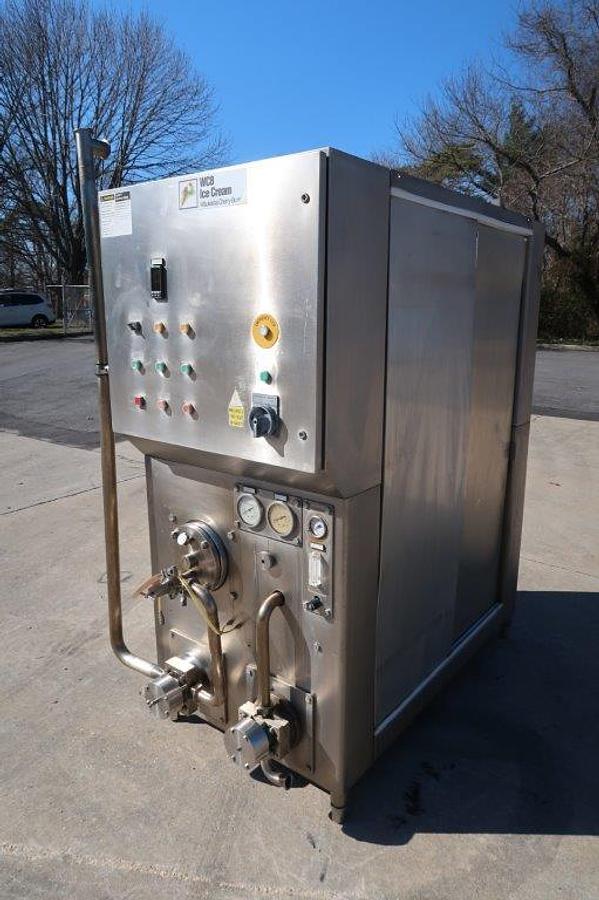
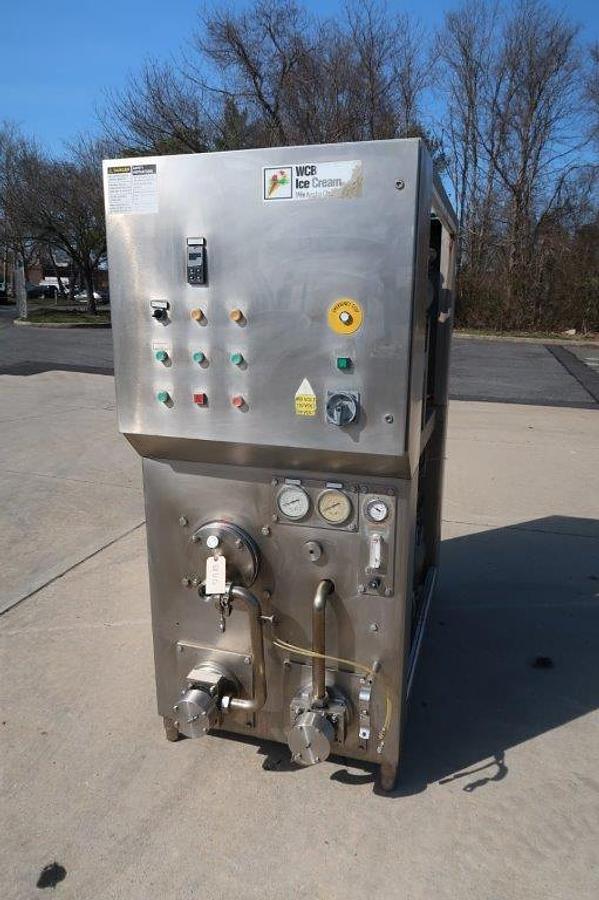
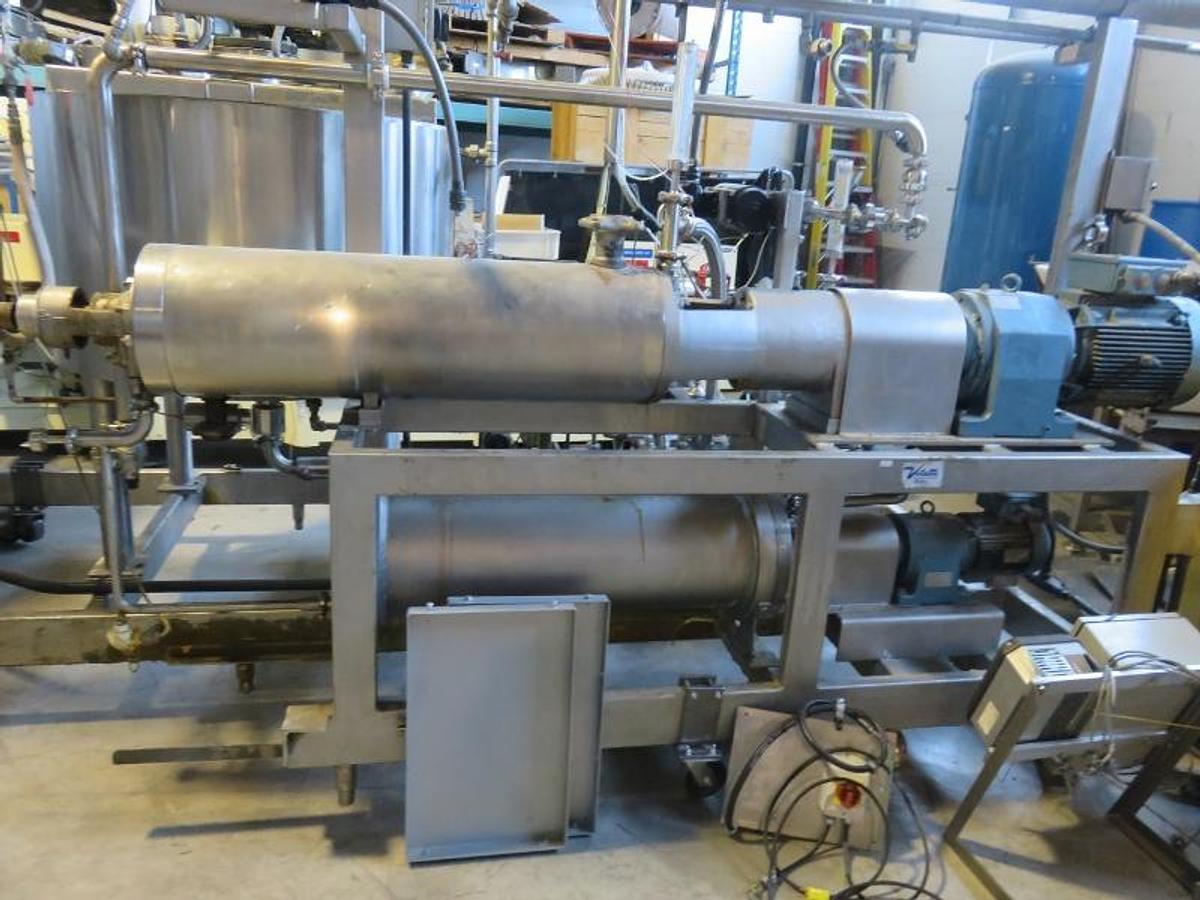
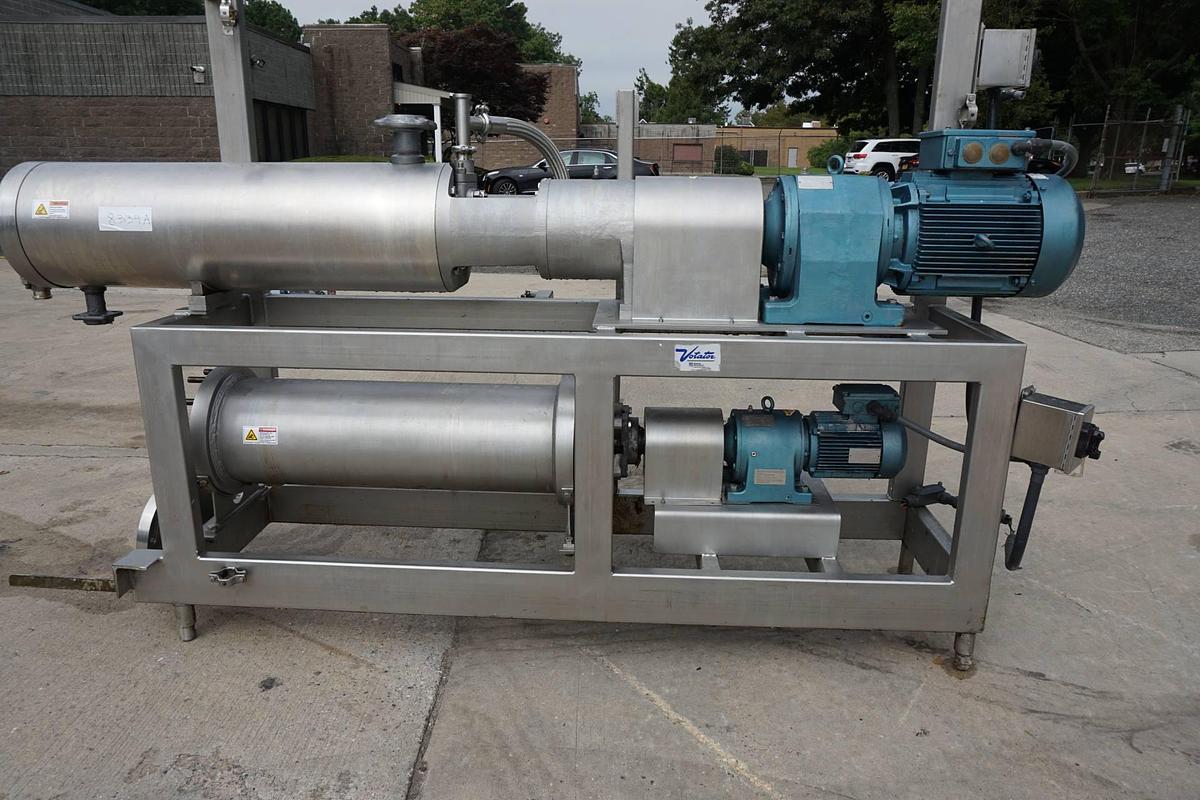
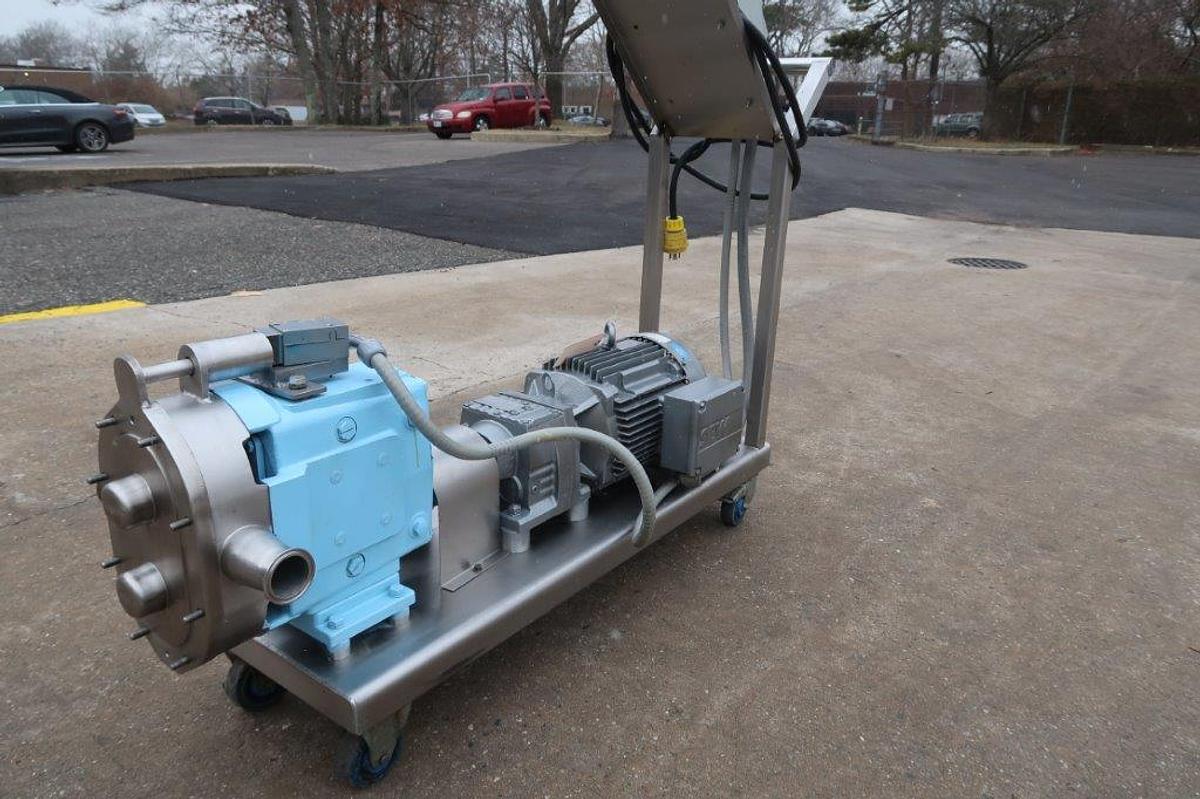
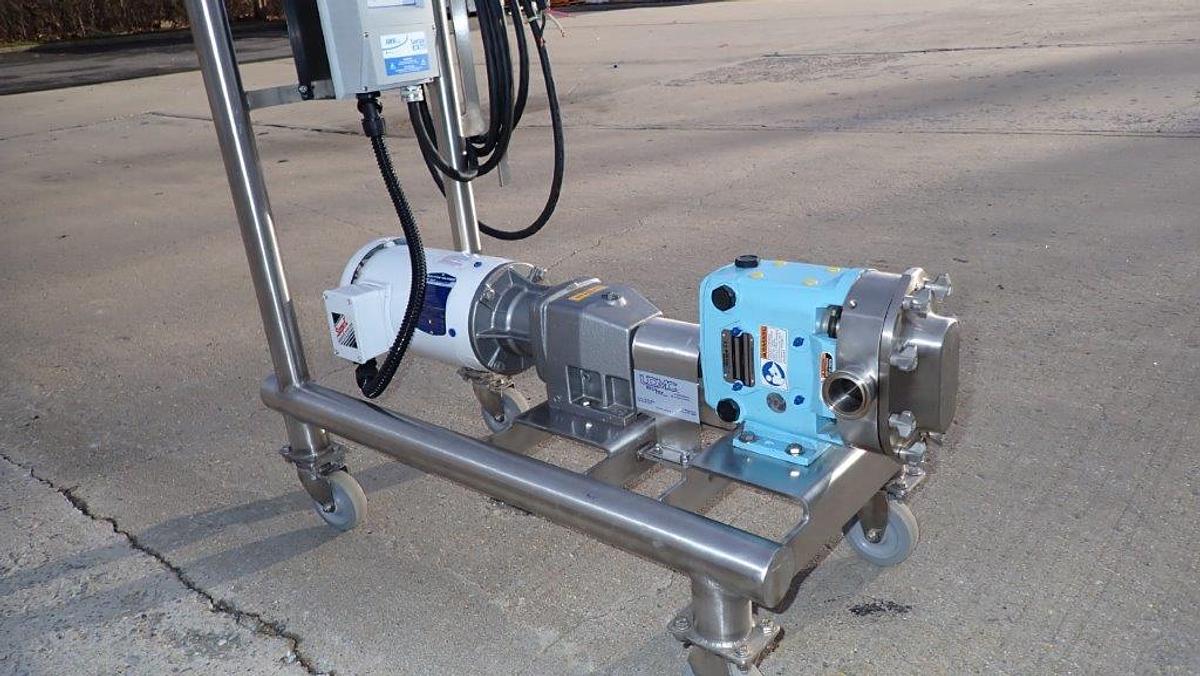
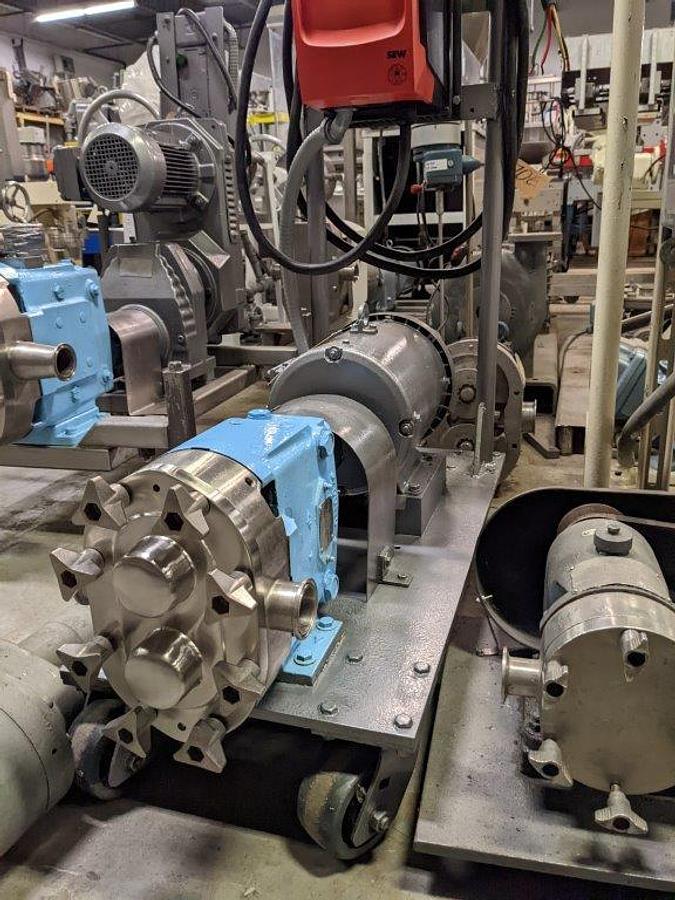
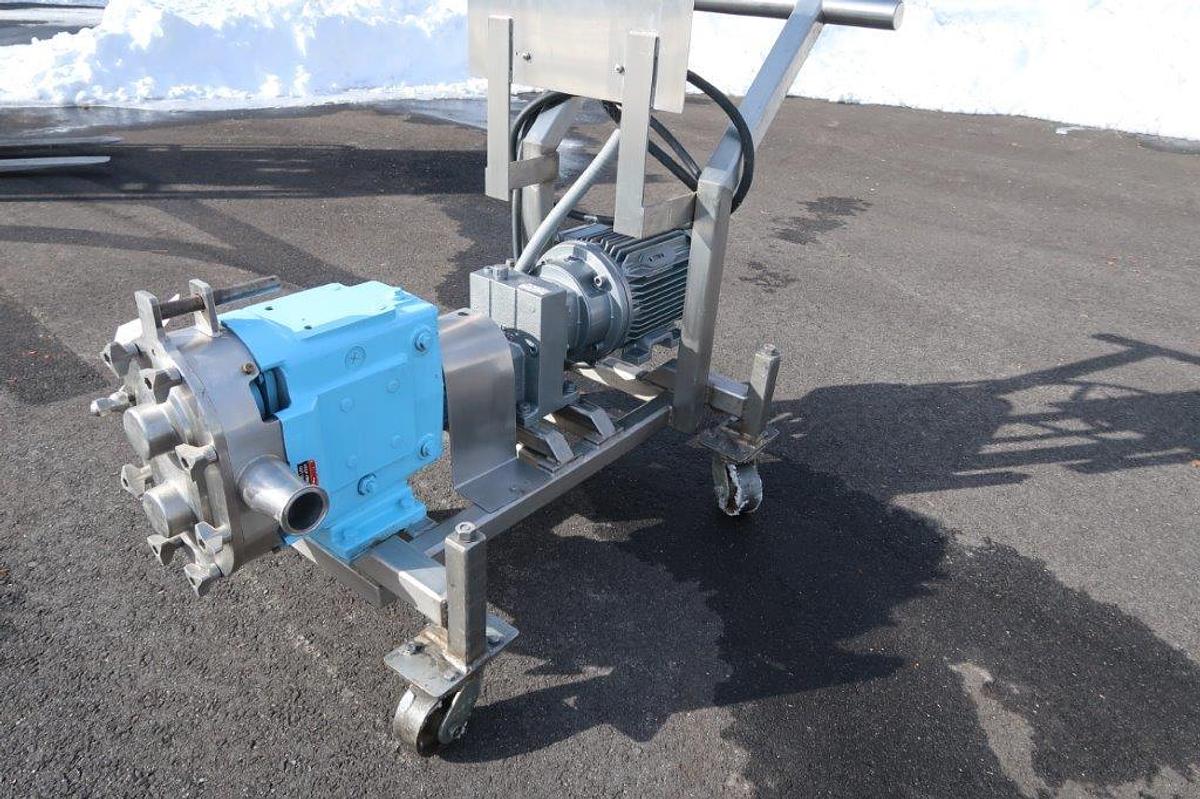
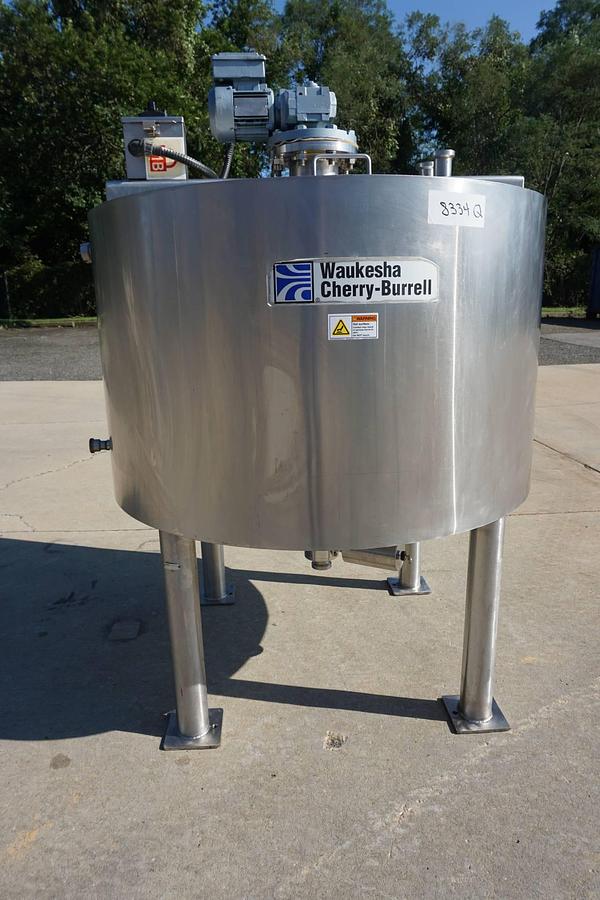
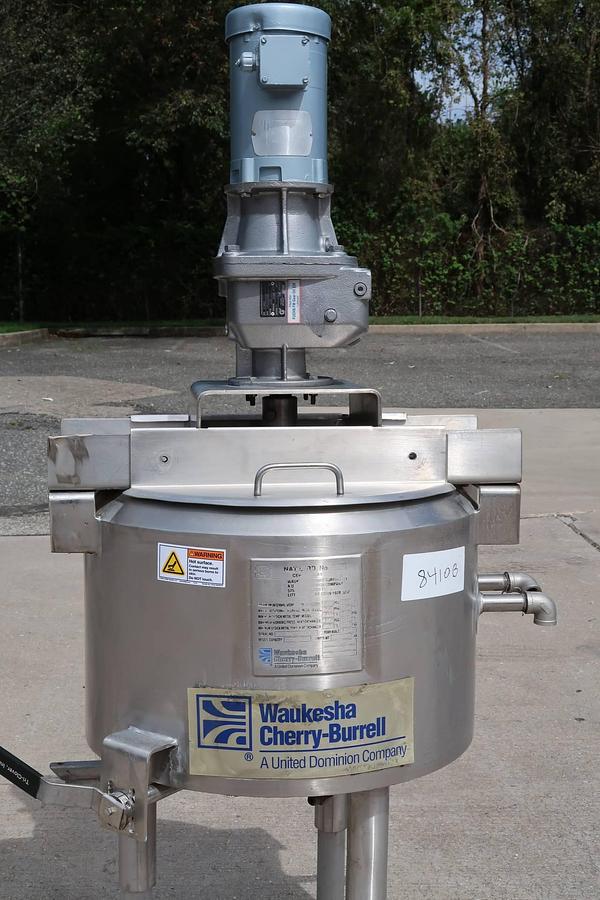
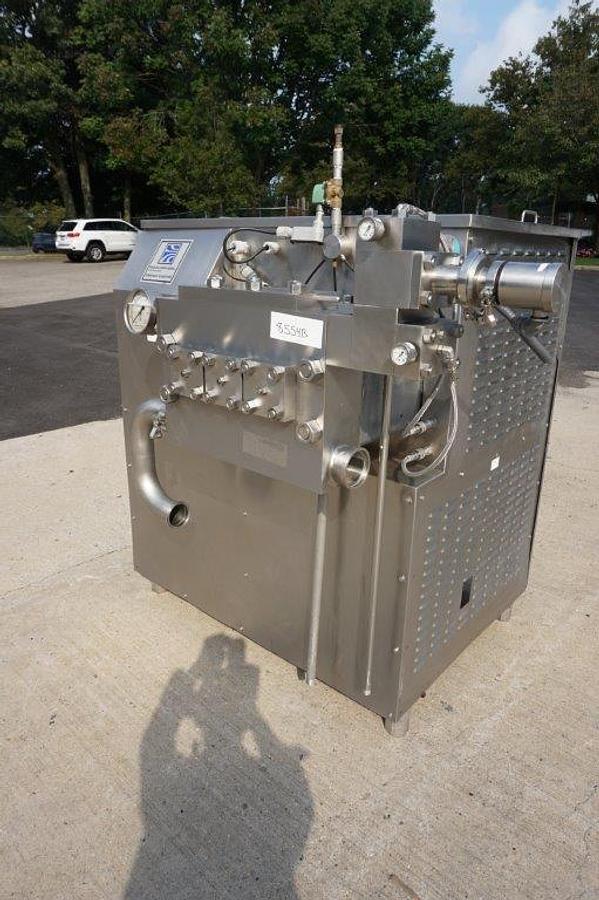
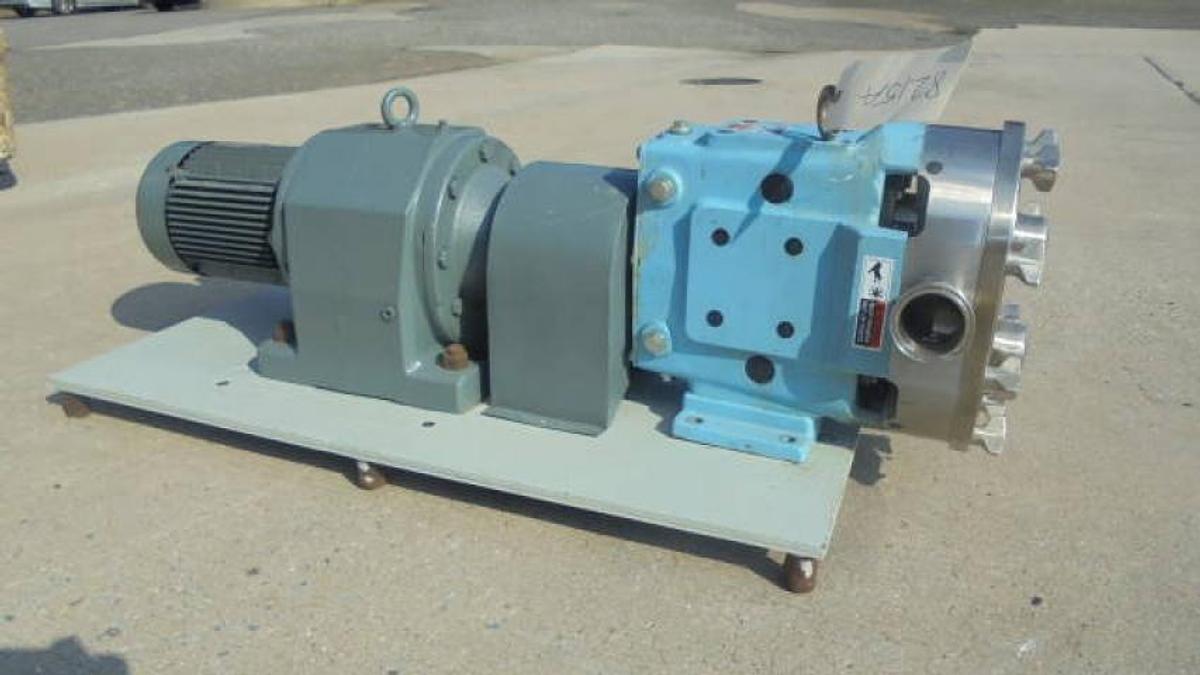
Used Waukesha Cherry-Burrell equipment spans a wide range of sanitary processing machinery, making the brand one of the most frequently traded on the secondary market. Common equipment categories include positive displacement pumps (such as the Universal Series models like the 018U1, 030U1, 060, and 60U1), sanitary centrifugal pumps, homogenizer and plunger pumps, mix kettles, scraper kettles, ice cream freezers, and heat exchangers such as the Votator shortening system. These machines are built for demanding hygienic processing environments, which is a big part of why they retain value and remain in circulation long after their initial installation.
Beyond pumps, the Cherry-Burrell side of the brand contributed a strong lineup of valves, including butterfly valves, ball valves, diaphragm valves, and mix-proof valves, as well as a variety of mixing and blending equipment. Stainless steel construction is standard across virtually all product lines, with grades like 316L used in higher-demand applications such as scraper kettles rated for elevated jacket pressures. Buyers sourcing used Waukesha Cherry-Burrell equipment can typically find individual components like a single 3HP centrifugal pump or larger integrated systems like a complete 3,000 lb/hr Votator shortening line, depending on what has recently come off production floors.
What industries use Waukesha Cherry-Burrell equipment?
Waukesha Cherry-Burrell equipment is designed specifically for hygienic and sanitary processing applications, which makes it a standard choice across several regulated industries. Food and beverage manufacturing is the most common application, covering dairy processing, beverage production, condiments, sauces, dressings, and confectionery products like ice cream and shortening. The brand's ice cream freezers and Votator heat exchangers, for example, are purpose-built for fat and dairy processing and are widely recognized in those sectors. Mix kettles ranging from 10 to 200 gallons (and beyond) are used in batch cooking, blending, and heating applications across food plants of all sizes.
Beyond food and beverage, Waukesha Cherry-Burrell equipment is also used in pharmaceutical manufacturing, biotechnology, personal care product production, and certain chemical processing applications where sanitary standards and clean-in-place (CIP) compatibility are required. The brand's adherence to 3-A Sanitary Standards and FDA regulations makes it acceptable for use in environments with strict hygiene requirements. This cross-industry applicability is one reason the equipment holds its value so well on the used market. A positive displacement pump originally used in a dairy plant, for instance, may be repurposed in a pharmaceutical facility with minimal modification, provided it meets the necessary specifications for the new application.
What sanitary standards does Waukesha Cherry-Burrell equipment meet?
Waukesha Cherry-Burrell equipment is engineered to comply with 3-A Sanitary Standards, which are the benchmark specifications for equipment used in dairy and food processing in the United States. These standards govern surface finishes, material specifications, and design geometry to ensure that equipment can be thoroughly cleaned and does not harbor bacteria or contaminants. The brand also designs its equipment to align with FDA regulations for food-contact surfaces, which is a requirement for any machinery used in federally regulated food and beverage production environments. Many models are also compatible with CIP (clean-in-place) and SIP (sterilize-in-place) systems, which are essential for maintaining hygiene in continuous production operations.
For buyers purchasing used Waukesha Cherry-Burrell equipment, it is worth confirming that the specific unit in question still meets the sanitary standards relevant to their application. Over time, wear on seals, gaskets, and internal surfaces can affect compliance, so a thorough inspection is an important step before putting a used machine back into production. Consulting with the manufacturer (SPX Flow, which now owns the Waukesha Cherry-Burrell brand) can help buyers understand what service, refurbishment, or recertification may be needed for a particular model and age of equipment. This due diligence is especially important in pharmaceutical and biotech applications where regulatory requirements are stricter than in general food processing.
How do you assess the condition of a used Waukesha Cherry-Burrell pump before buying?
Evaluating a used Waukesha Cherry-Burrell pump requires looking at several factors beyond just whether the unit powers on. The most important areas to inspect are the pump's internal components, including the rotor, stator or impeller, seals, and any wear plates, as these are the parts most subject to degradation over time. For positive displacement pumps like the Universal Series, the condition of the timing gears and rotor lobes directly affects flow accuracy and efficiency. Surface finish on product-contact areas is also critical in sanitary applications. Pitting, corrosion, or scratched interior surfaces can compromise hygiene compliance and may require professional refurbishment before the pump is suitable for food or pharmaceutical use.
Reputable used equipment dealers will typically accommodate in-person inspections at their facility, or offer video walkthroughs and photo documentation if an on-site visit is not practical. In some cases, equipment may still be installed and running at a production facility, where an inspection can be arranged through the dealer. Keep in mind that most used equipment dealers are not set up to run actual product through a machine during an inspection, as that would require production-level permitting they do not hold. What buyers can realistically expect is a visual inspection of the machine's mechanical condition, a check of all accessible components, and documentation of the model and configuration. Pairing that inspection with a review of available parts from the manufacturer gives a clear picture of what it will cost to bring the unit up to full working order.
Are replacement parts available for used Waukesha Cherry-Burrell equipment?
Parts availability for Waukesha Cherry-Burrell equipment varies depending on the model and how long ago it was manufactured. Because the brand is now operated under SPX Flow, buyers should contact SPX Flow directly to confirm which parts are currently stocked or can be made to order for a specific model. For widely used product lines like the Universal Series positive displacement pumps, common wear parts such as seals, gaskets, rotor sets, and timing gears have historically been available through both the manufacturer and third-party suppliers. Older or discontinued models may have more limited factory support, which is an important consideration when evaluating whether a particular used unit makes financial sense to purchase.
Before committing to a used Waukesha Cherry-Burrell machine, it is a good practice to identify the model number and serial number, then reach out to SPX Flow to get a clear picture of what service and parts support looks like for that specific unit. Third-party rebuild specialists who focus on sanitary processing equipment are another resource, as they often stock or can source components for equipment that the manufacturer no longer actively supports. The durability of Waukesha Cherry-Burrell equipment means that many machines remain mechanically sound for decades, but parts availability should always be verified before purchase rather than assumed. This step protects against buying a machine that looks functional but cannot be economically maintained.
What is the typical price range for used Waukesha Cherry-Burrell positive displacement pumps?
Pricing for used Waukesha Cherry-Burrell positive displacement pumps varies considerably based on model size, motor horsepower, configuration, and overall condition. Smaller units in the Universal Series, such as the 018U1 or 030U1, tend to be priced lower than larger models like the 060 or 60U1, which are rated for higher flow rates and come equipped with more powerful motors (10HP and above). Variable speed drives and variable frequency drives add value to a unit, as they give operators more process control and are generally more expensive to replace if absent. A used pump in clean, well-maintained condition with a functioning drive will command a meaningfully higher price than a bare pump sold for parts or rebuild.
As a general reference point, smaller sanitary positive displacement pumps from established brands like Waukesha Cherry-Burrell can range from a few thousand dollars for basic configurations up to $15,000 or more for larger, fully equipped units with variable speed controls. Larger specialty equipment like homogenizer or plunger pump systems rated at 75HP and 2,400 GPH will carry significantly higher price tags. Integrated systems such as Votator shortening lines are priced based on the full system capacity and completeness. Because pricing on used industrial equipment is not standardized, buyers are best served by contacting dealers directly to get current asking prices and understanding what is included in the sale, such as drives, motors, seals, and any documentation.
Can used Waukesha Cherry-Burrell equipment be refurbished or rebuilt?
Yes, many Waukesha Cherry-Burrell machines are strong candidates for refurbishment or rebuilding, which is one of the reasons the brand holds its value so well on the secondary market. Positive displacement pumps, centrifugal pumps, and heat exchangers from this manufacturer are known for their durable stainless steel construction, and the underlying housings and structural components often outlast internal wear parts by a significant margin. A rebuild typically involves replacing seals, gaskets, rotor sets or impellers, and any worn timing components, while the pump body and motor are reused. For sanitary applications, a professional refurbish may also include re-polishing internal surfaces to restore compliance with 3-A or FDA surface finish requirements.
Several third-party service providers specialize in rebuilding sanitary processing equipment from established brands, and Waukesha Cherry-Burrell units are commonly handled by these shops due to the brand's prevalence in food and dairy plants. SPX Flow, as the current owner of the brand, may also offer service and rebuild support depending on the model. Buyers considering a used unit that needs work should get a rebuild quote before finalizing a purchase, as the cost of parts and labor can vary widely depending on the model and its condition. A well-rebuilt Waukesha Cherry-Burrell pump can provide many additional years of reliable service, making refurbishment a cost-effective alternative to purchasing newer equipment at significantly higher prices.
How do buyers determine the right Waukesha Cherry-Burrell pump model for their application?
Selecting the correct Waukesha Cherry-Burrell pump model starts with understanding the specific process requirements: the product being pumped, the required flow rate (gallons per hour or minute), the viscosity of the product, the operating pressure, and whether variable speed control is needed. For positive displacement pumps in the Universal Series, model numbers generally correlate to pump displacement per revolution, so larger model numbers like the 060 or 60U1 move more product per cycle than smaller models like the 018U1. Horsepower ratings on the motor matter as well, particularly for high-viscosity products that place more load on the pump. A 5HP motor on a 030U1 is appropriate for moderate viscosity applications, while a 10HP motor on a 060U1 handles thicker products or higher back-pressure conditions.
For buyers who are less familiar with pump sizing, the manufacturer's published performance curves and displacement data are the most reliable starting point. SPX Flow maintains technical documentation for current and many legacy Waukesha Cherry-Burrell models, and their engineering support team can help match a model to an application. When sourcing used equipment, it also helps to know the model of the pump currently in use (if replacing an existing unit) or to consult with a process engineer if designing a new line. Dealers who specialize in sanitary processing equipment can often provide guidance based on the model specifications of the units they have in stock, helping buyers avoid purchasing a pump that is either undersized for the application or unnecessarily oversized, which can affect product quality and energy efficiency.
What should buyers expect regarding shipping and logistics for used Waukesha Cherry-Burrell equipment?
Shipping used industrial equipment like Waukesha Cherry-Burrell pumps, kettles, and processing systems involves more planning than standard freight shipments. Smaller items like individual positive displacement pumps can typically be palletized and shipped via common carrier, but the level of crating or packaging required will affect the final freight cost. Larger equipment, such as a 200-gallon stainless mix kettle or a complete Votator shortening system, may require custom crating, specialized flatbed transport, and professional rigging for both loading at the seller's facility and unloading at the destination. Buyers should ask dealers for a detailed breakdown of packaging, rigging, and freight costs before finalizing a purchase, as these expenses can add meaningfully to the total landed cost of the equipment.
For very large or heavy machines, a rigging company may need to be engaged at both ends of the shipment, and the buyer is typically responsible for arranging or funding the unloading at their facility. Transit insurance is another consideration worth discussing with the dealer, as damage during shipping of used equipment can be difficult to resolve after the fact. International shipments add additional layers of complexity, including export documentation, customs clearance, and compliance with import regulations in the destination country. Getting a full landed cost estimate, including freight, rigging, crating, and any applicable duties, before committing to a purchase allows buyers to make an accurate comparison between used equipment options and ensures there are no unexpected costs on delivery.
What are typical payment terms when purchasing used Waukesha Cherry-Burrell equipment from a dealer?
Most used industrial equipment dealers require full payment before a machine is released for shipment. This is standard practice in the secondary equipment market and applies to purchases of Waukesha Cherry-Burrell pumps, kettles, heat exchangers, and other processing machinery. The reasoning is straightforward: unlike consumer goods, used industrial equipment is often one-of-a-kind, and holding a machine while waiting on payment creates risk for the seller. Buyers should expect to pay in full via wire transfer, certified funds, or another agreed-upon method before the equipment is loaded and shipped. Some dealers may accept credit cards for smaller purchases, though this is less common for higher-value machinery.
For buyers with an established relationship with a dealer, some flexibility on payment terms may be available, but this is typically extended only to repeat customers with a track record of reliable transactions. First-time buyers should plan for full payment upfront. It is also worth clarifying with the dealer exactly when payment is due relative to inspection, since many buyers prefer to complete their inspection before releasing funds. A reputable dealer will be transparent about the payment process and will provide documentation such as an invoice and bill of sale upon receipt of payment. Buyers financing equipment through a third party, such as an equipment leasing company, should coordinate that process in advance so that funds are available when the purchase is ready to close.