Category
Manufacturer
Model
Waukesha
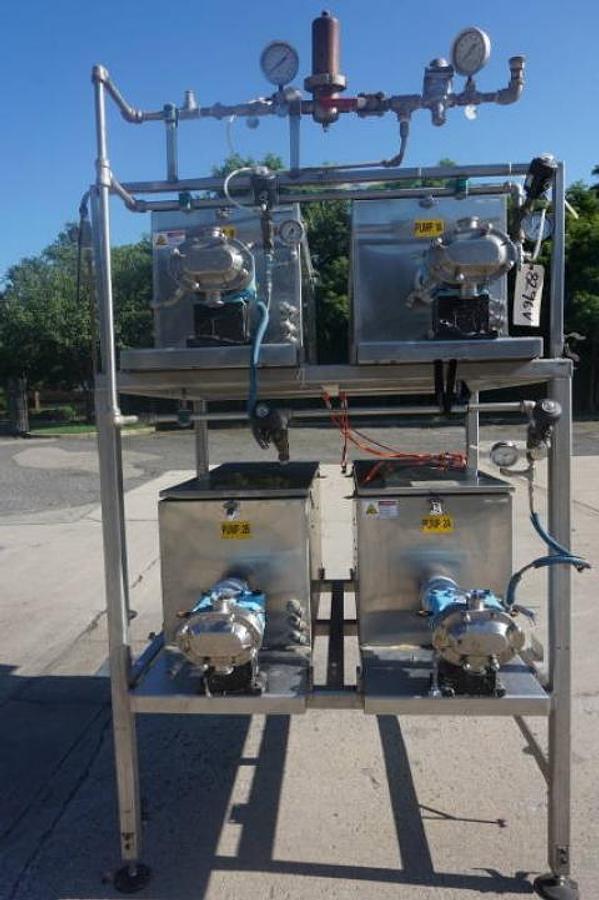
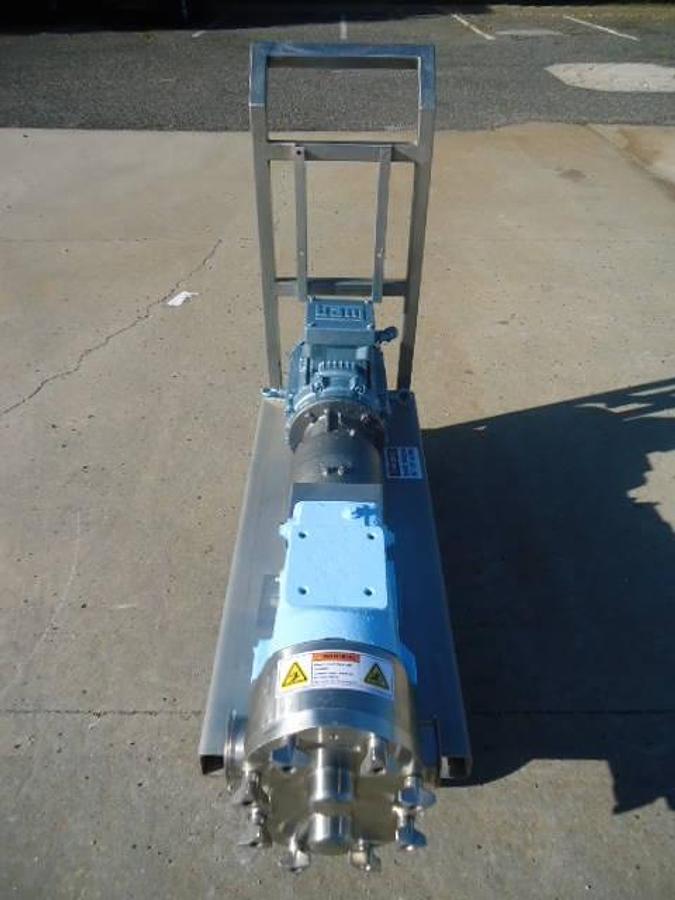
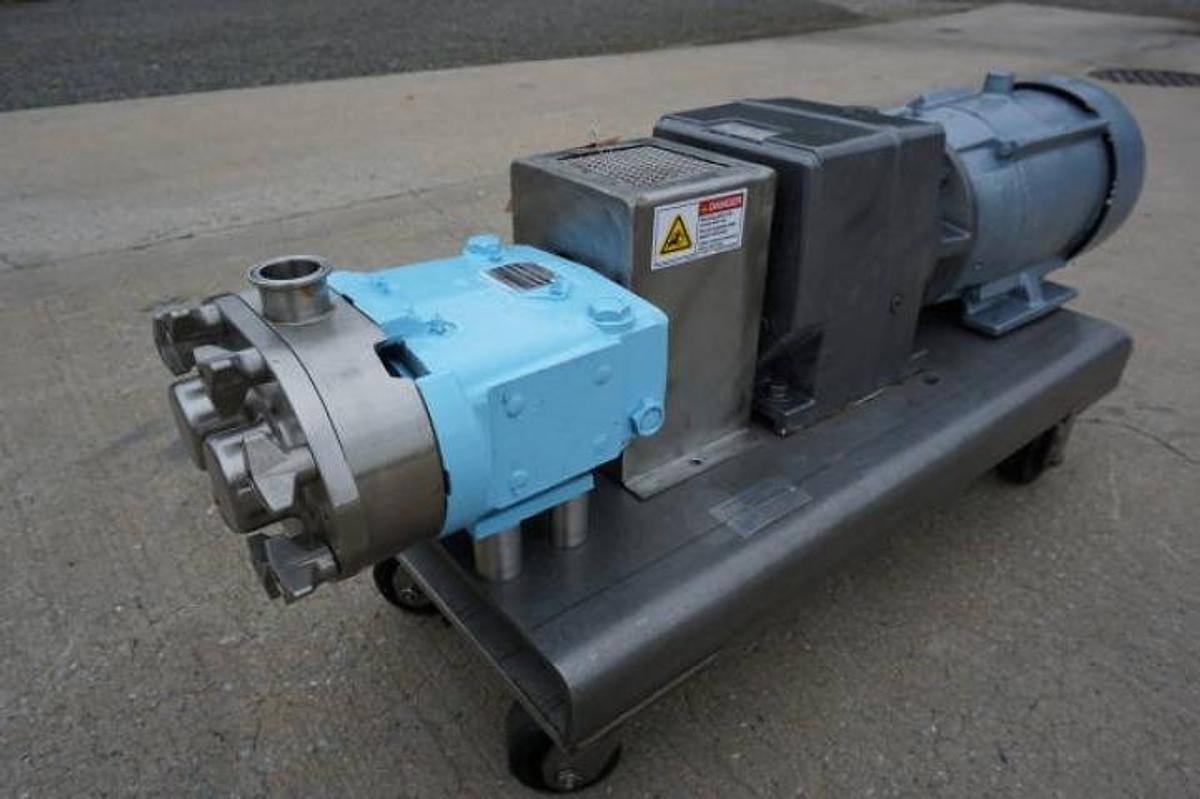
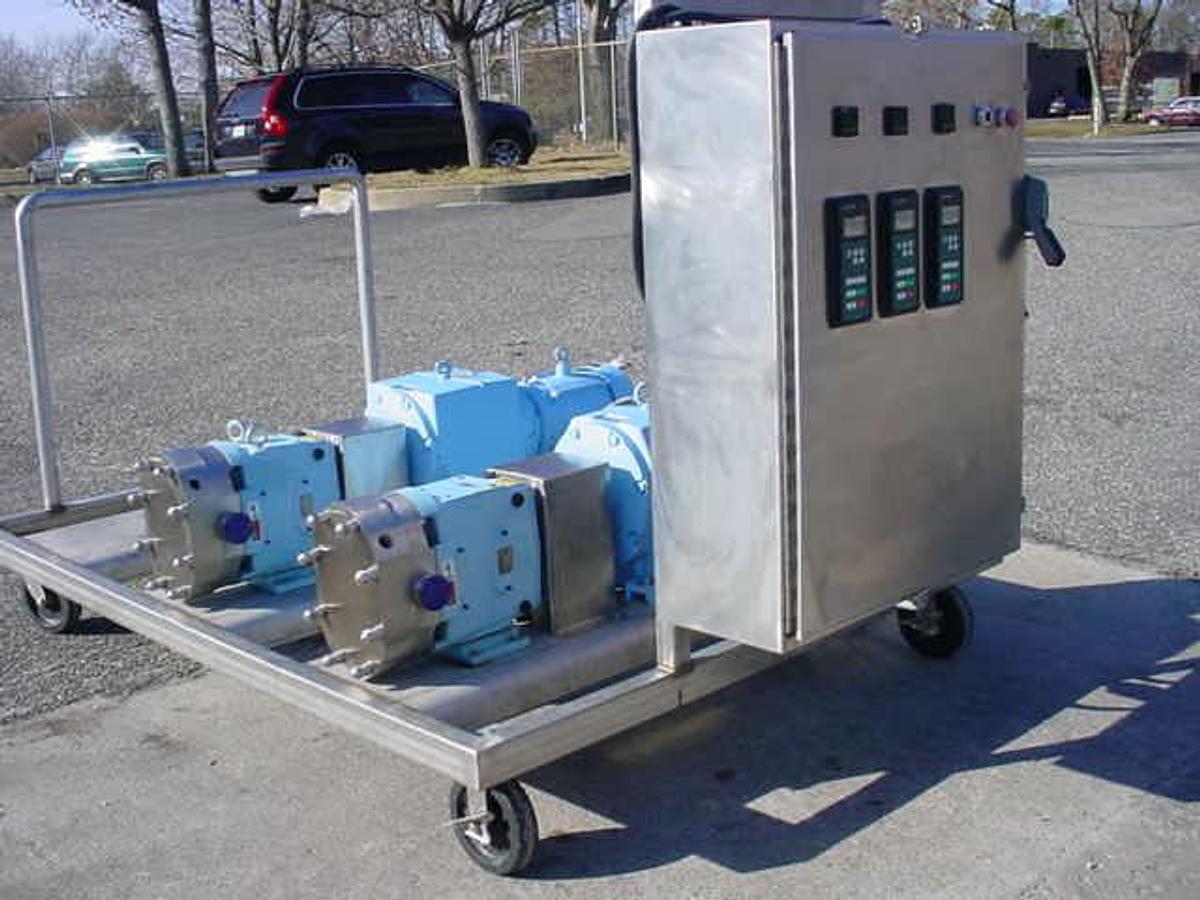
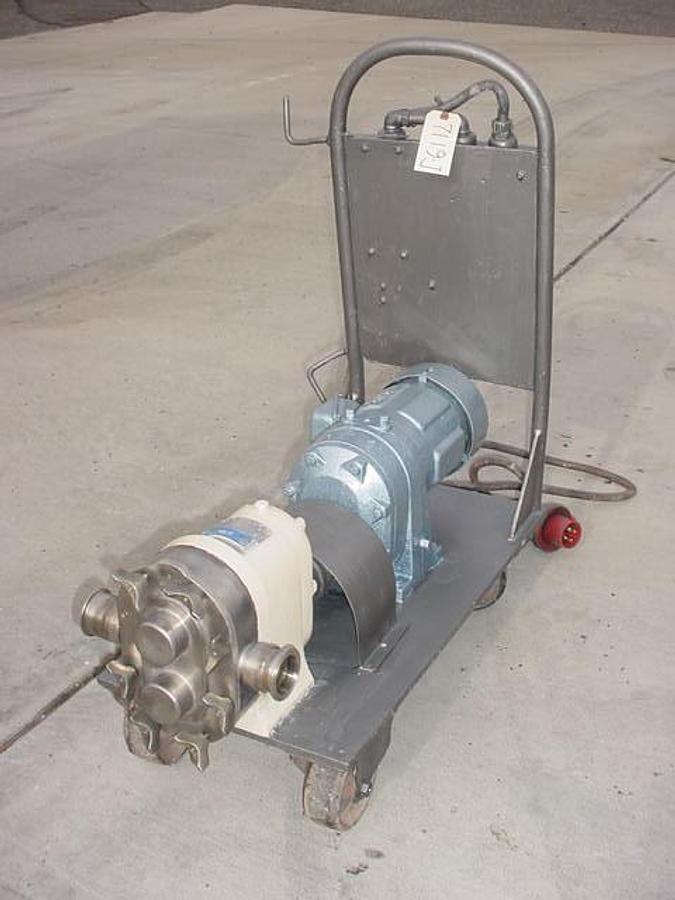
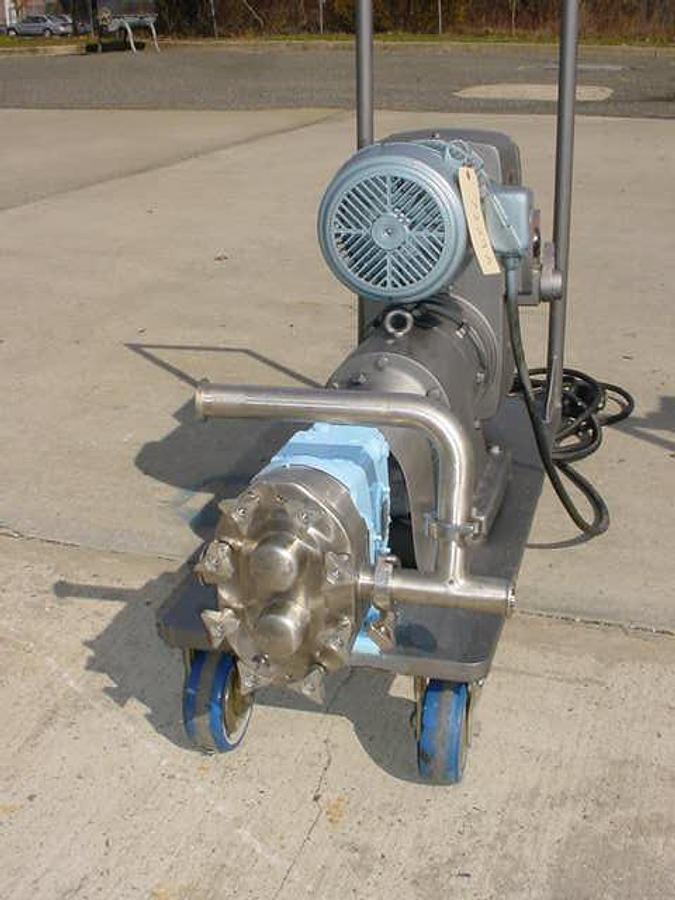
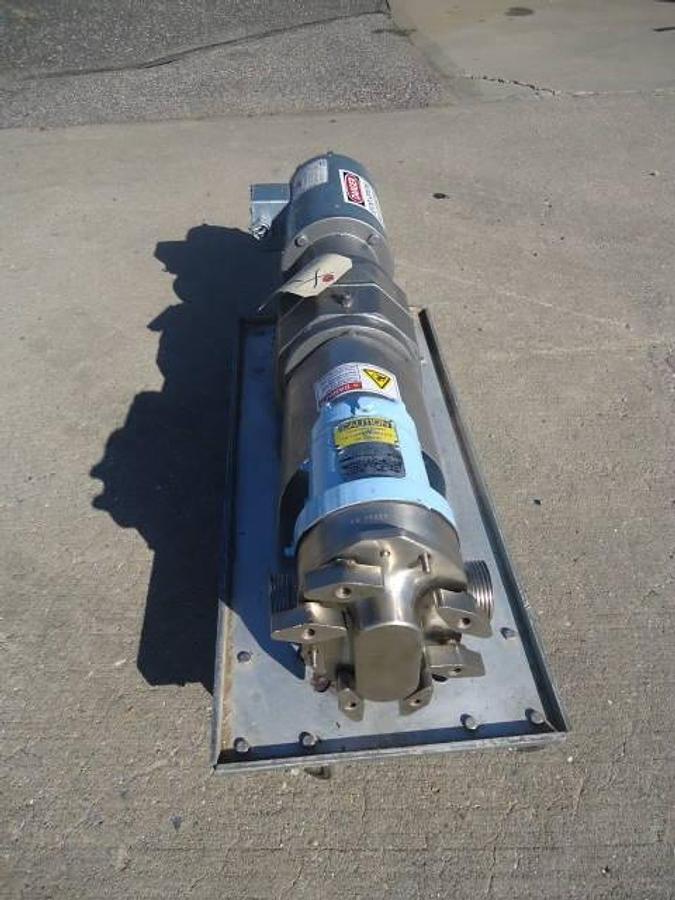
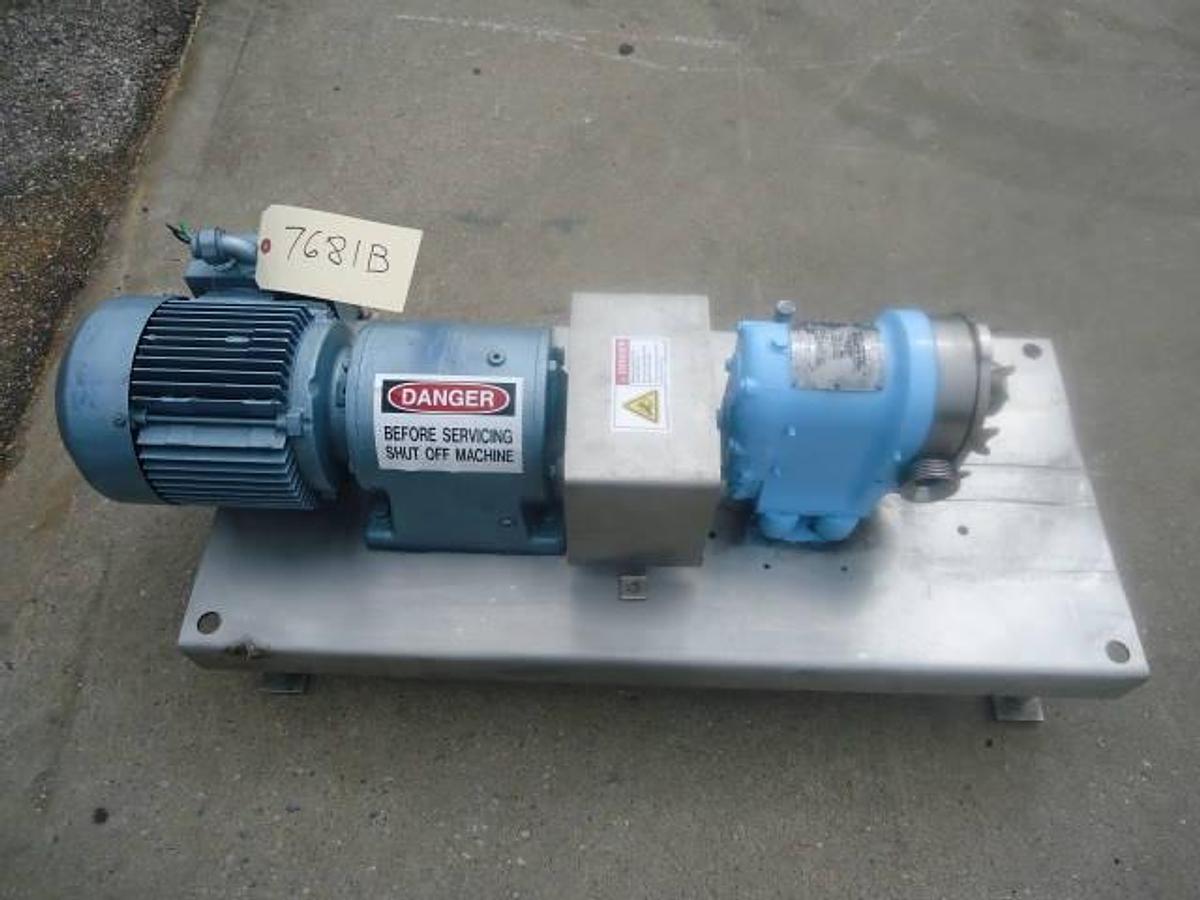
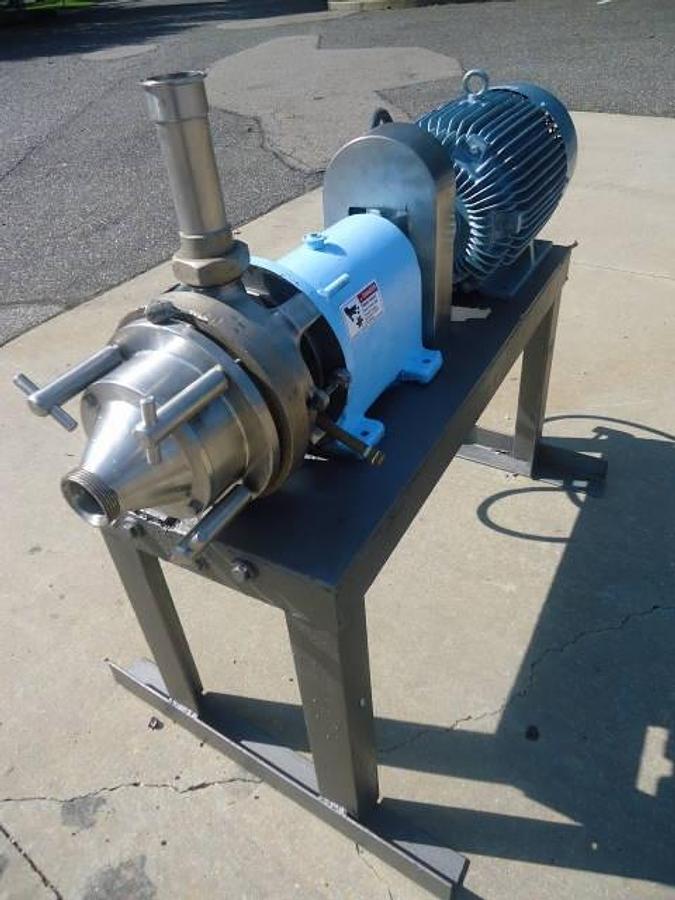
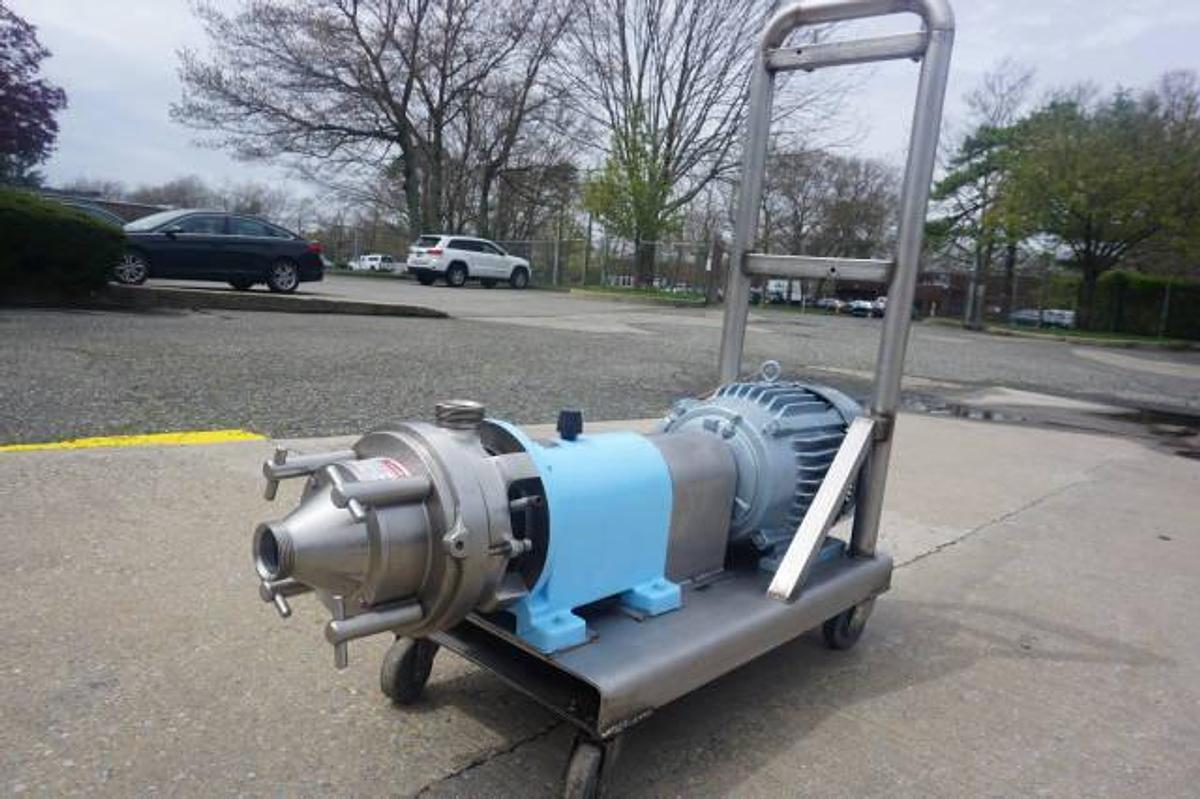
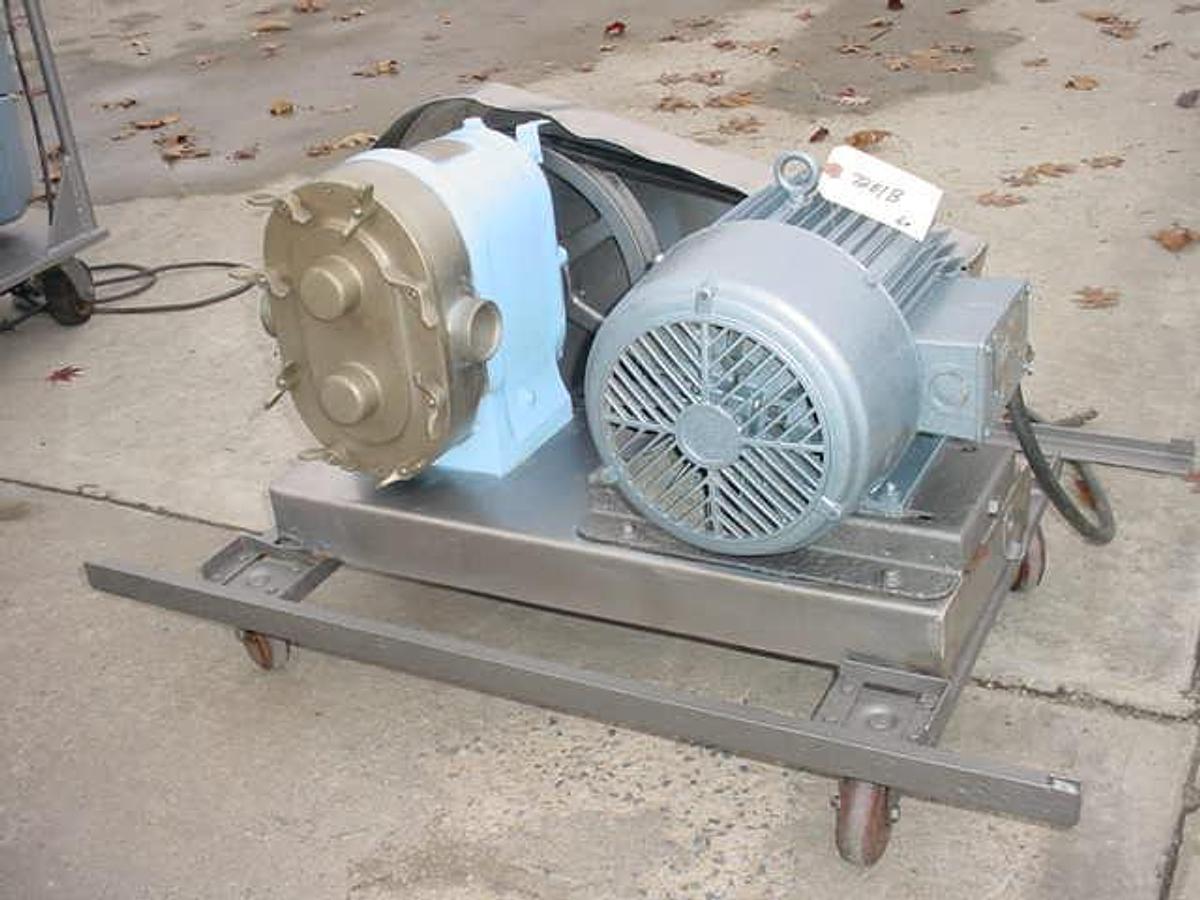
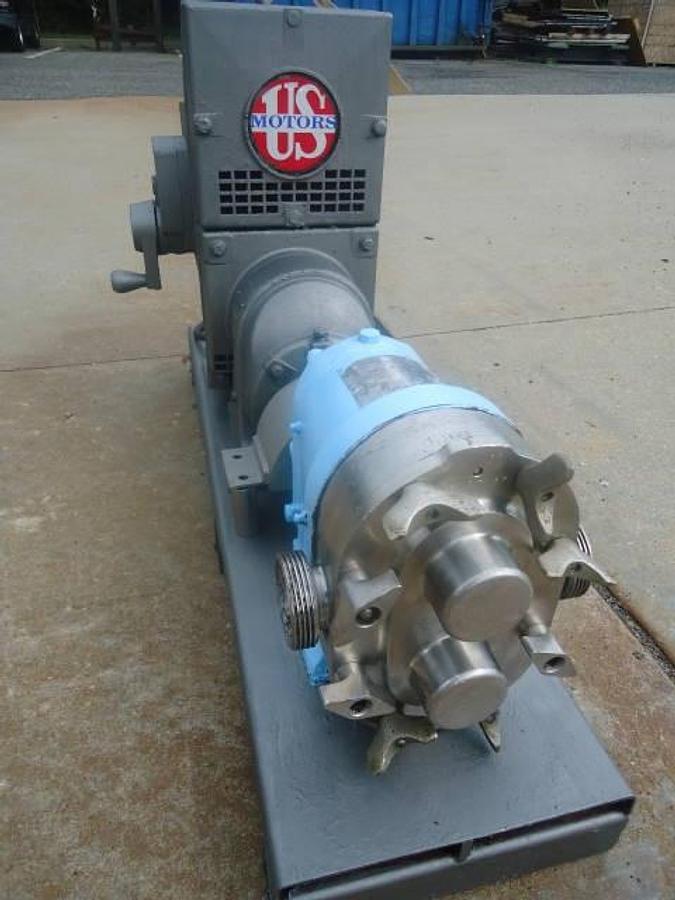
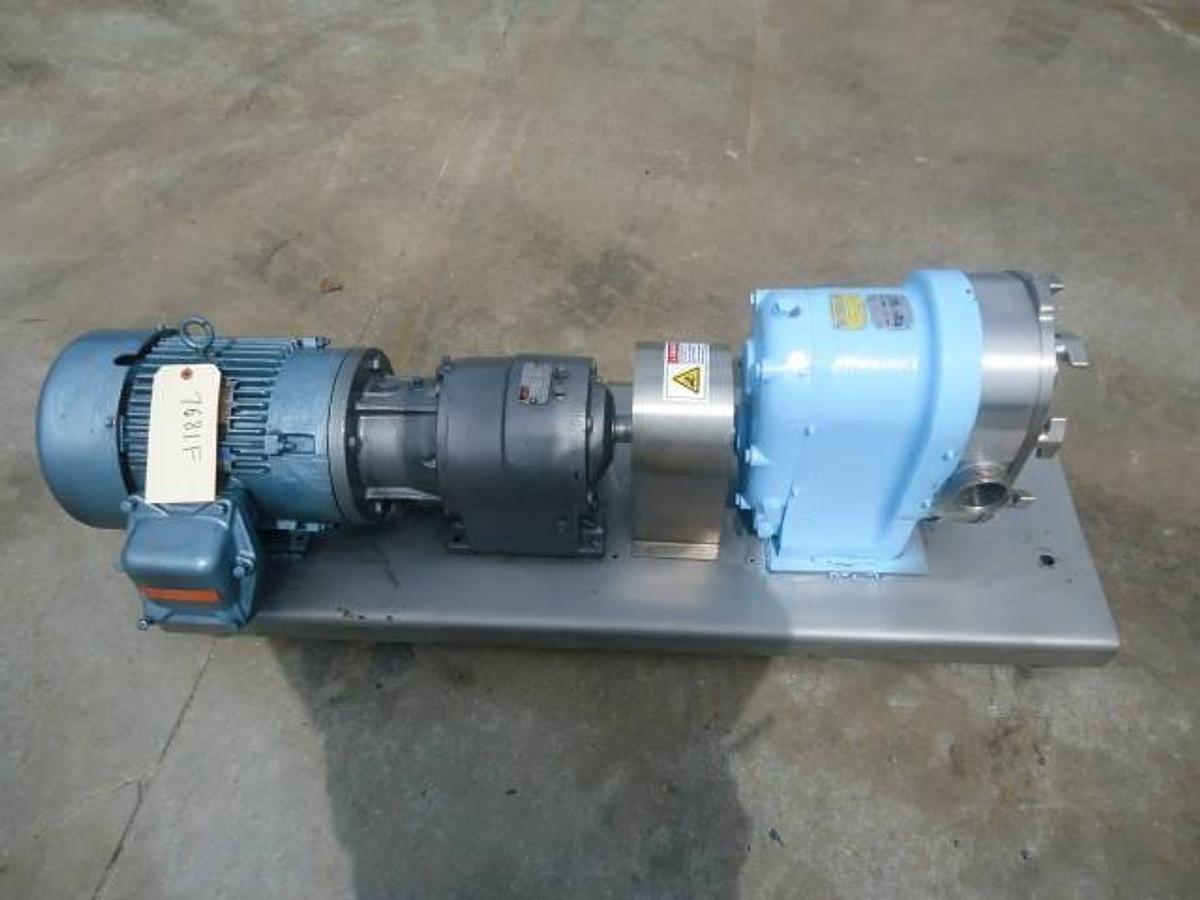
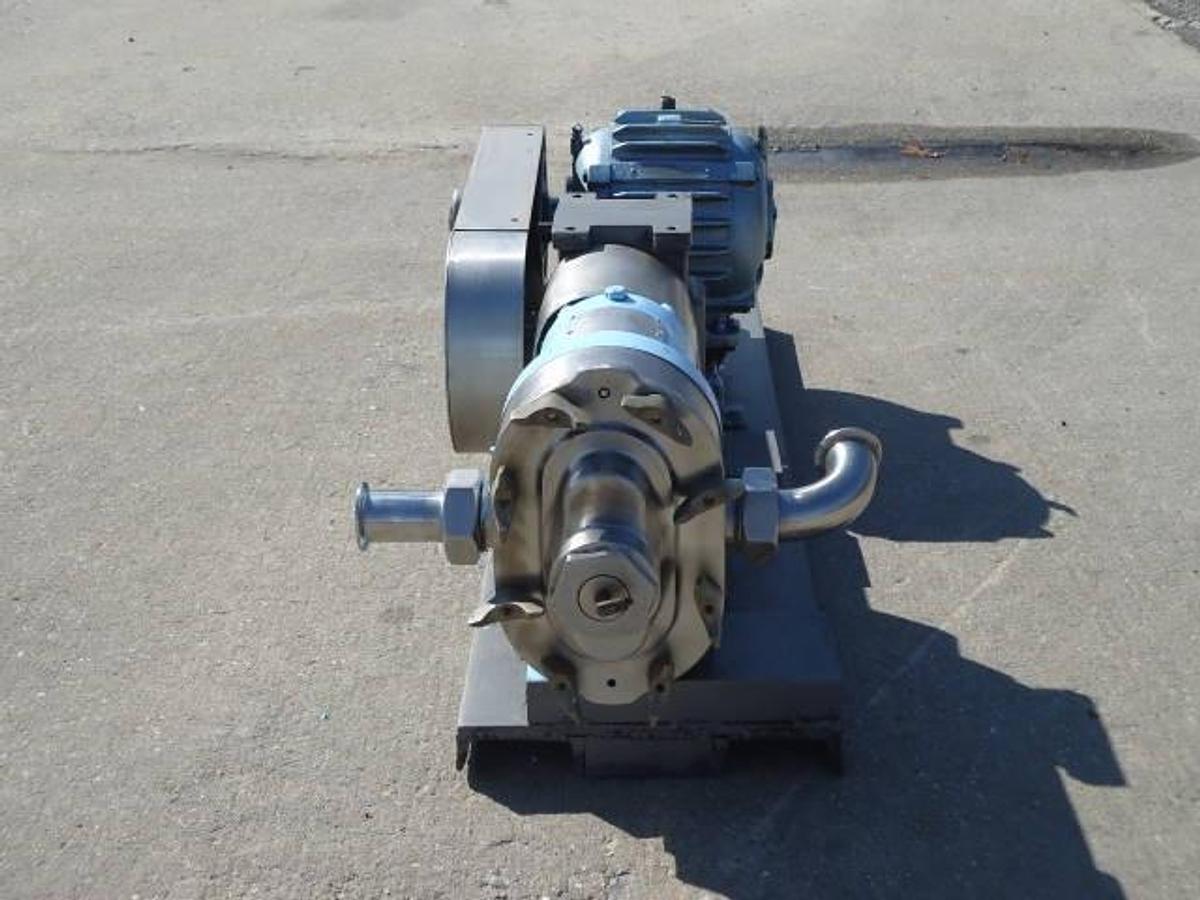
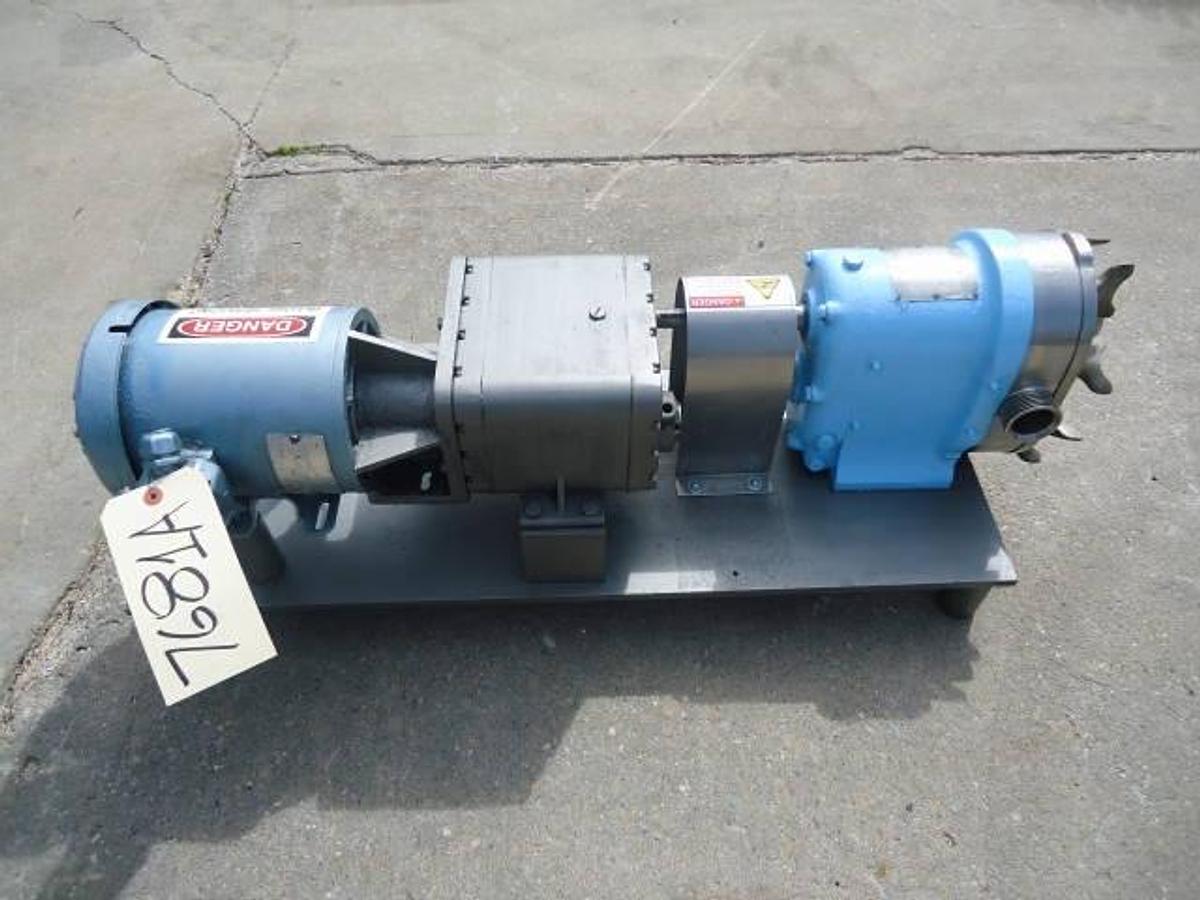
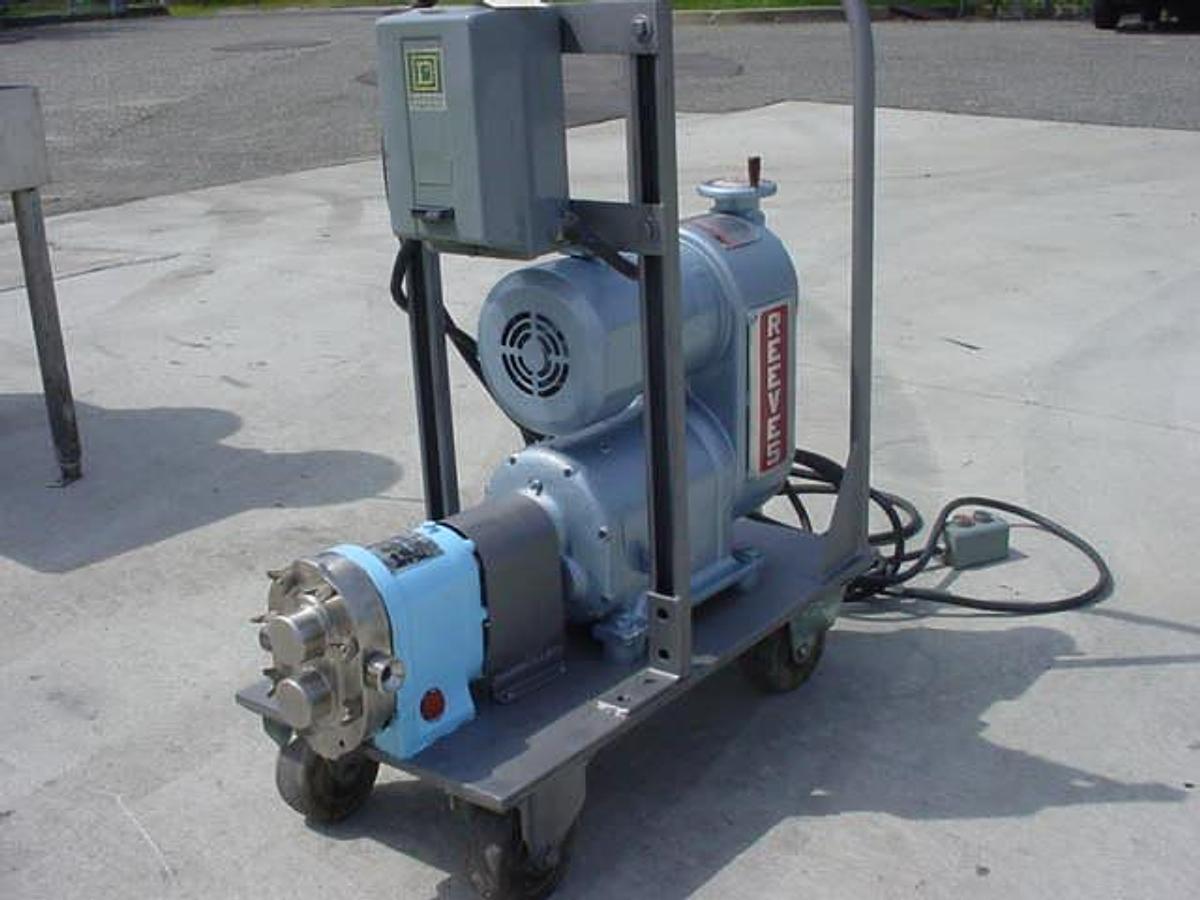
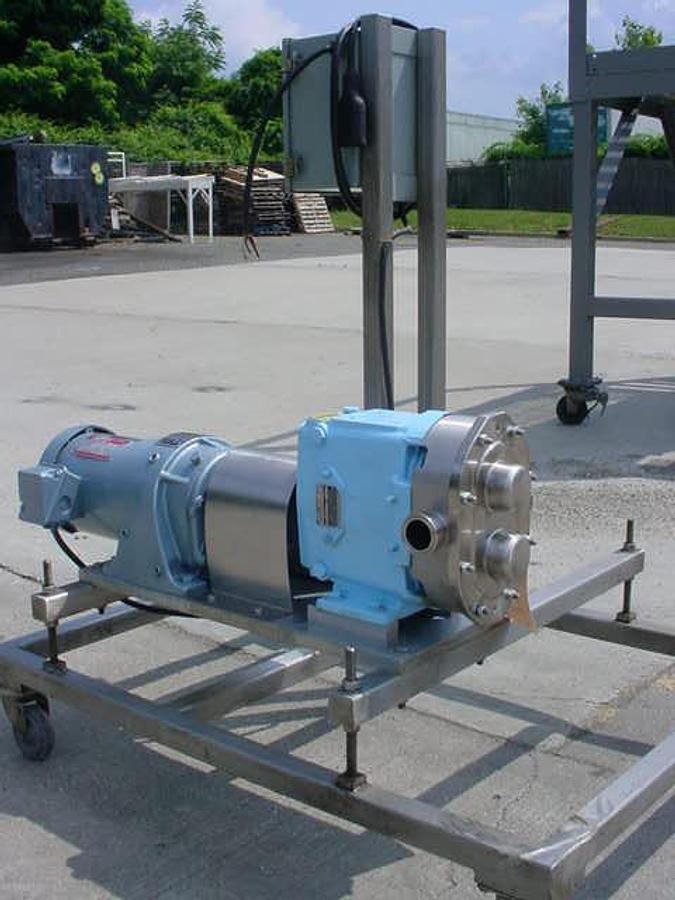
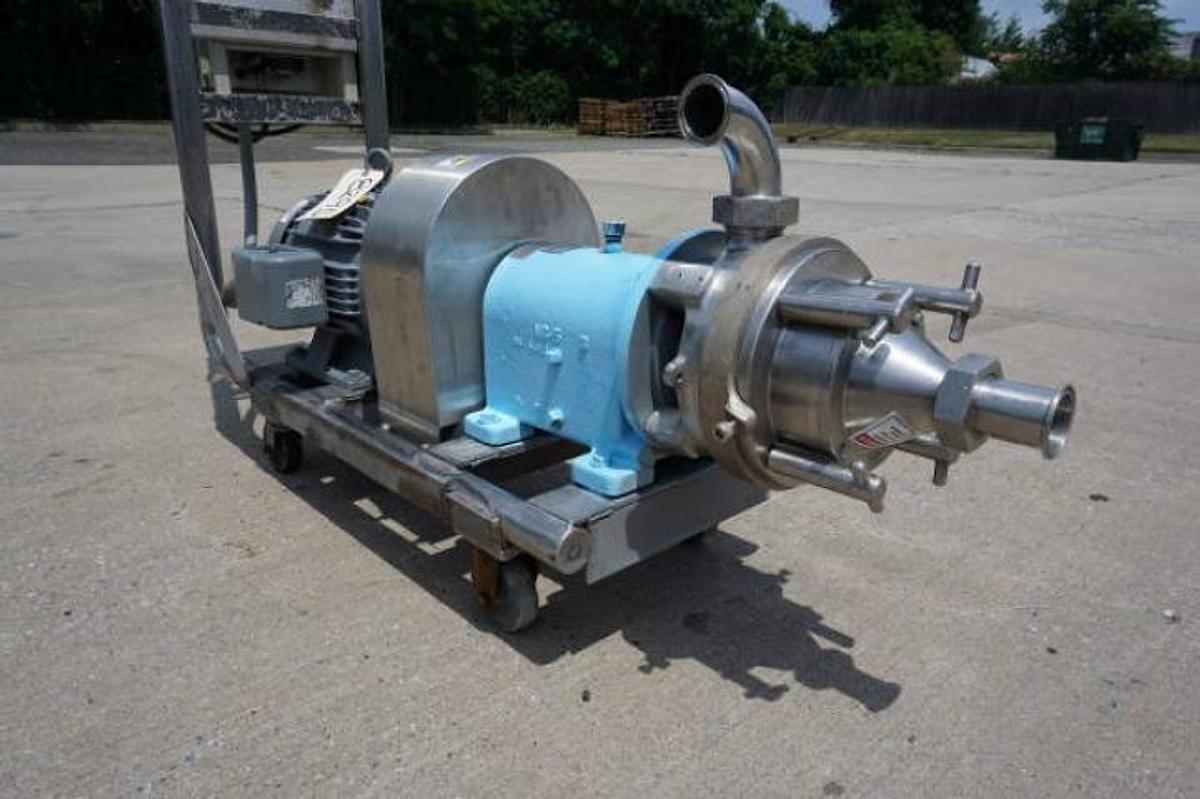
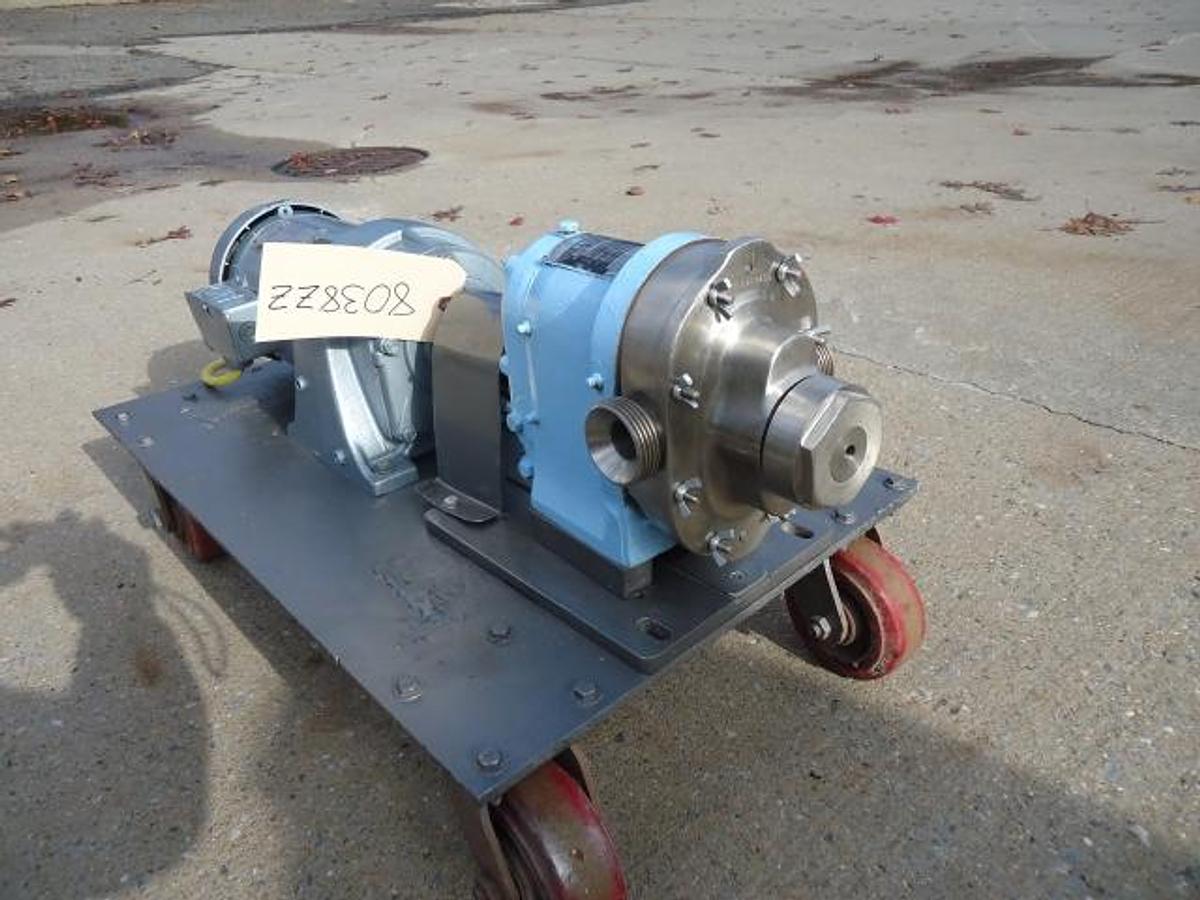
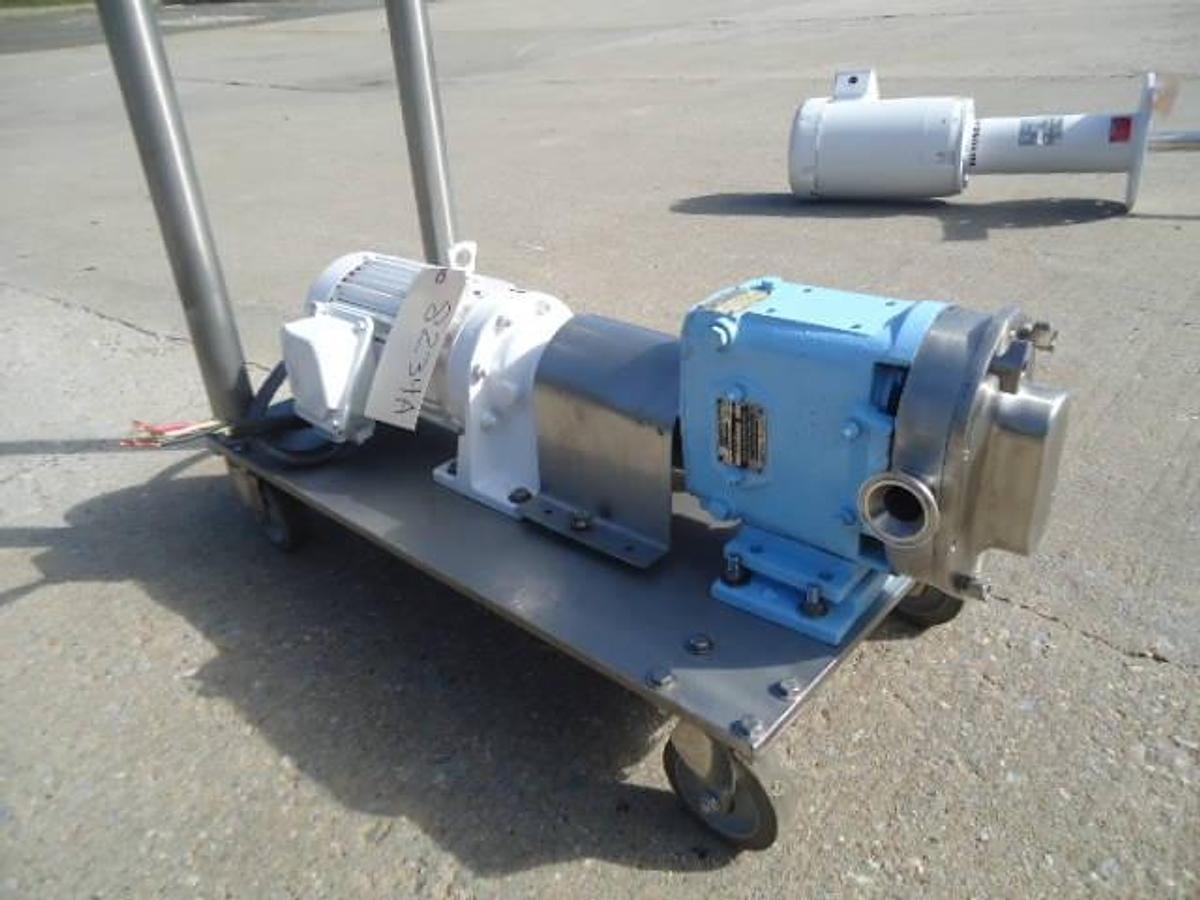
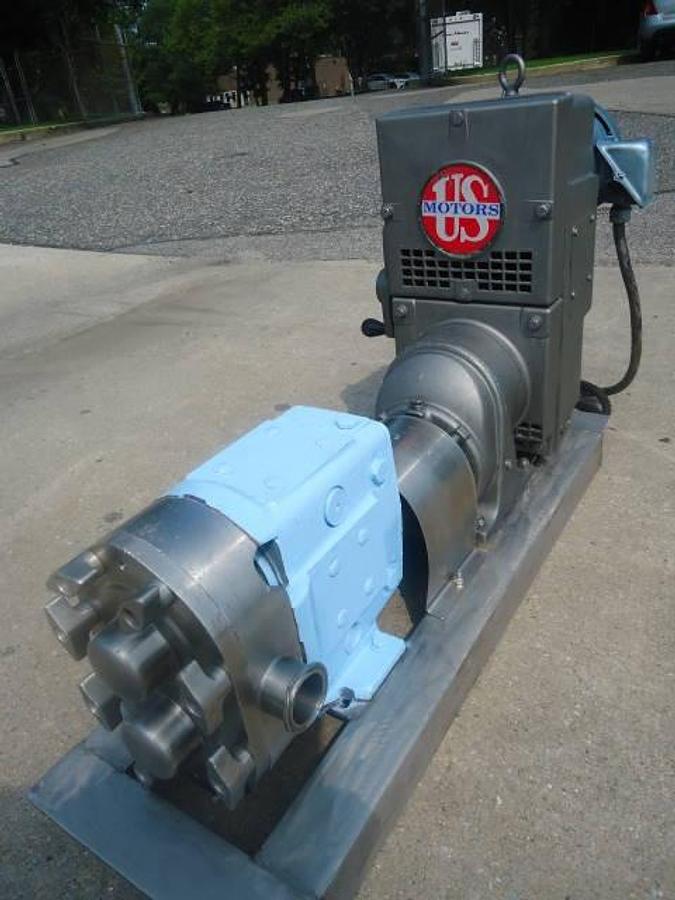
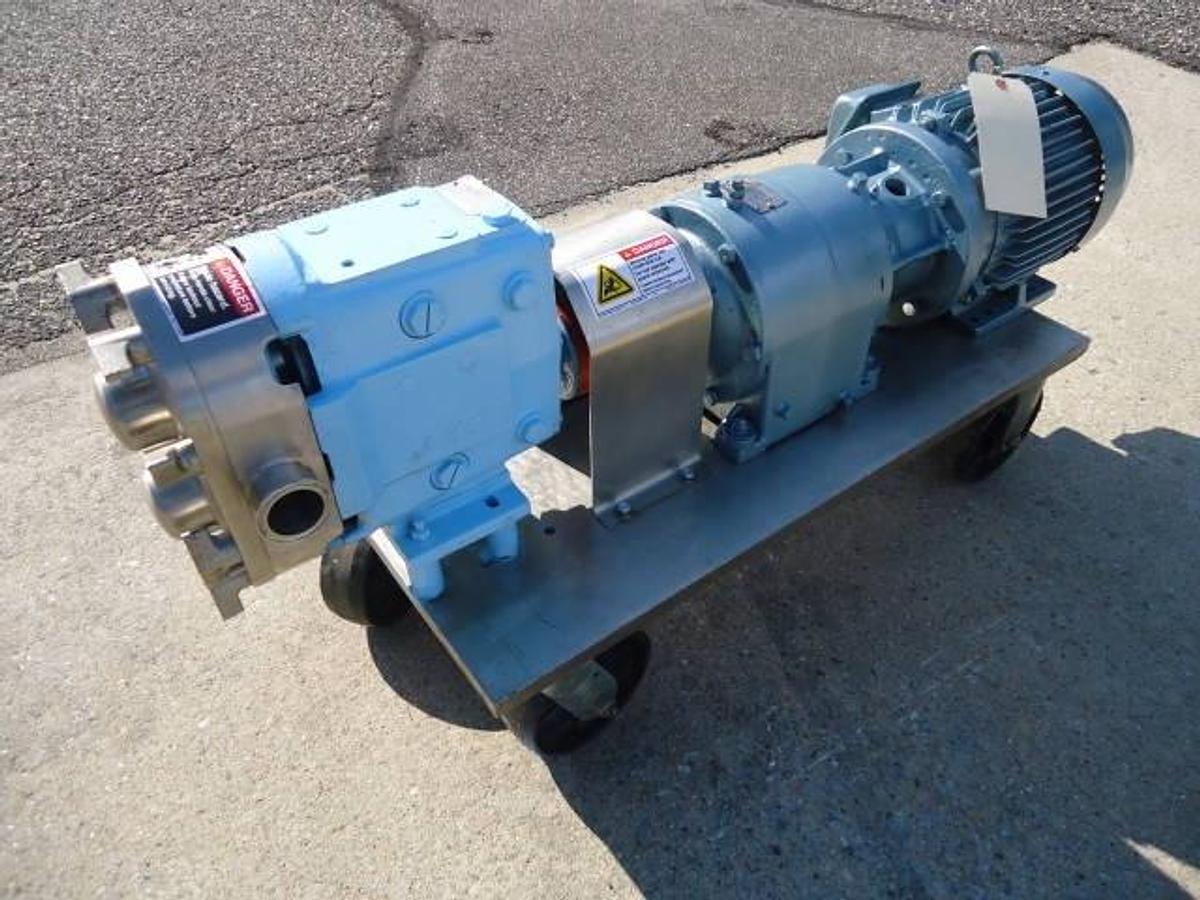
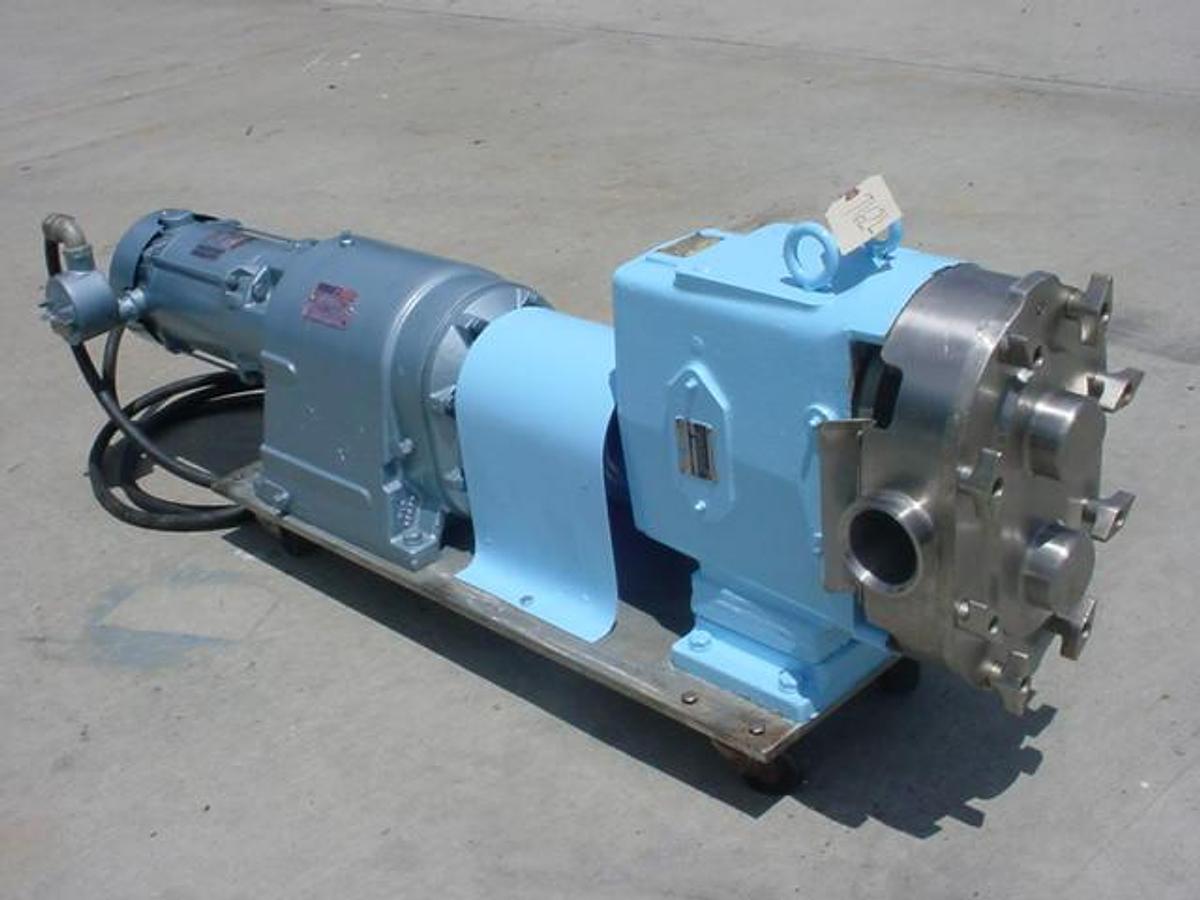
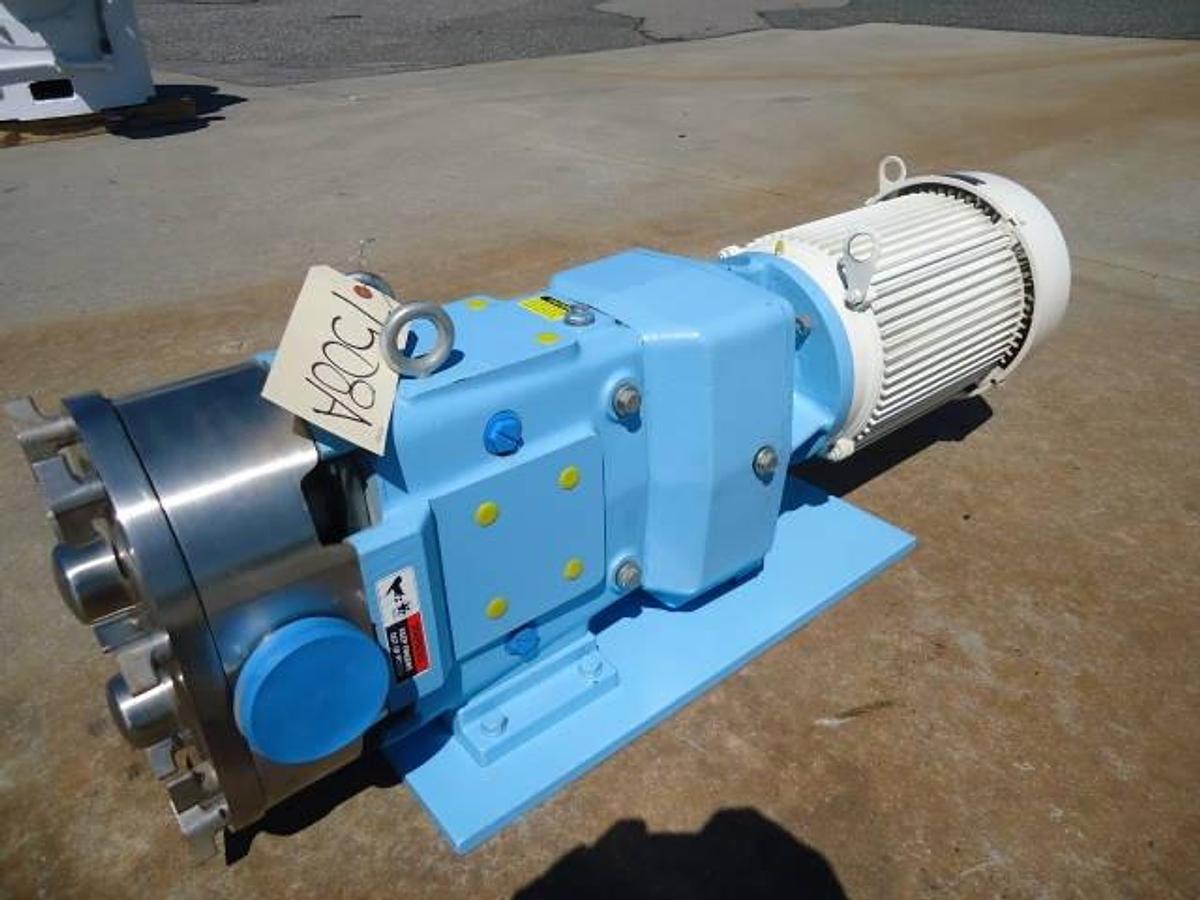
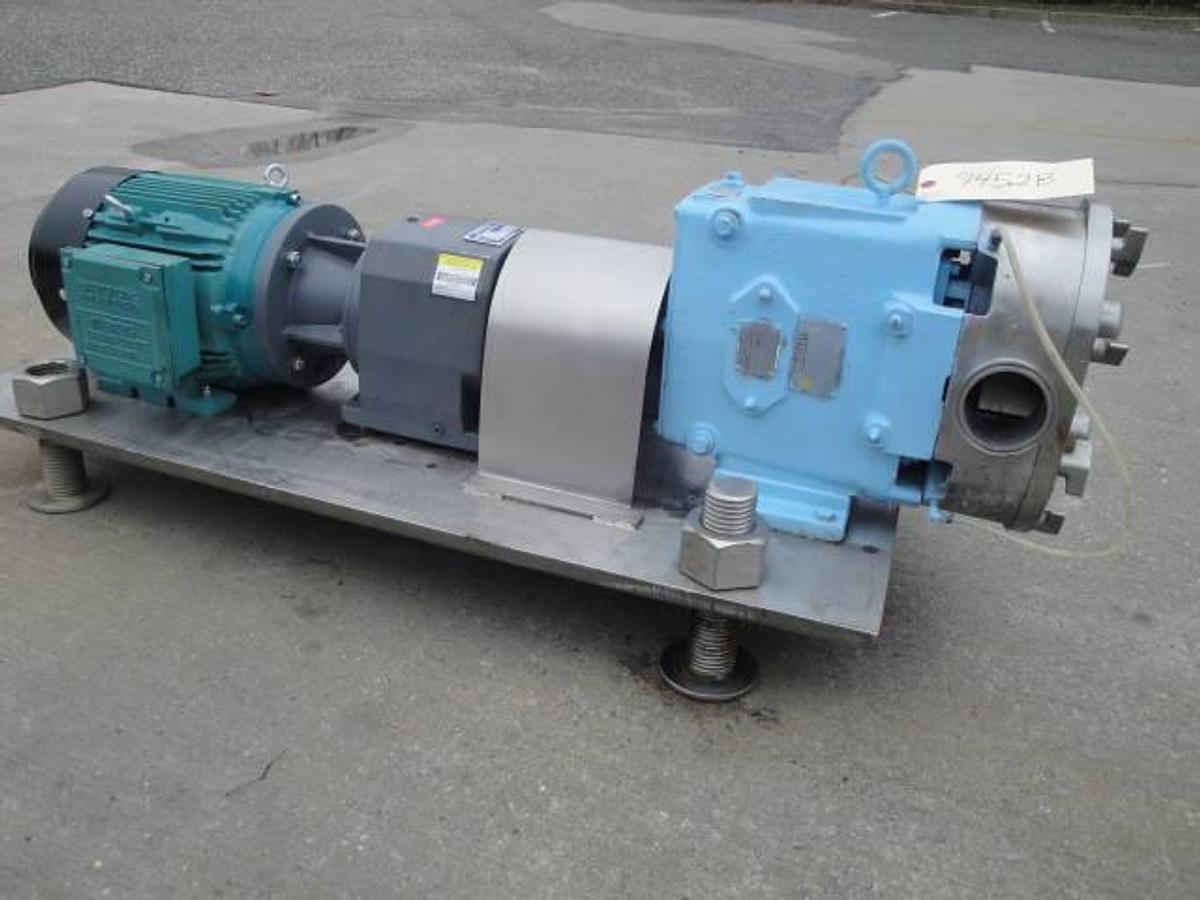
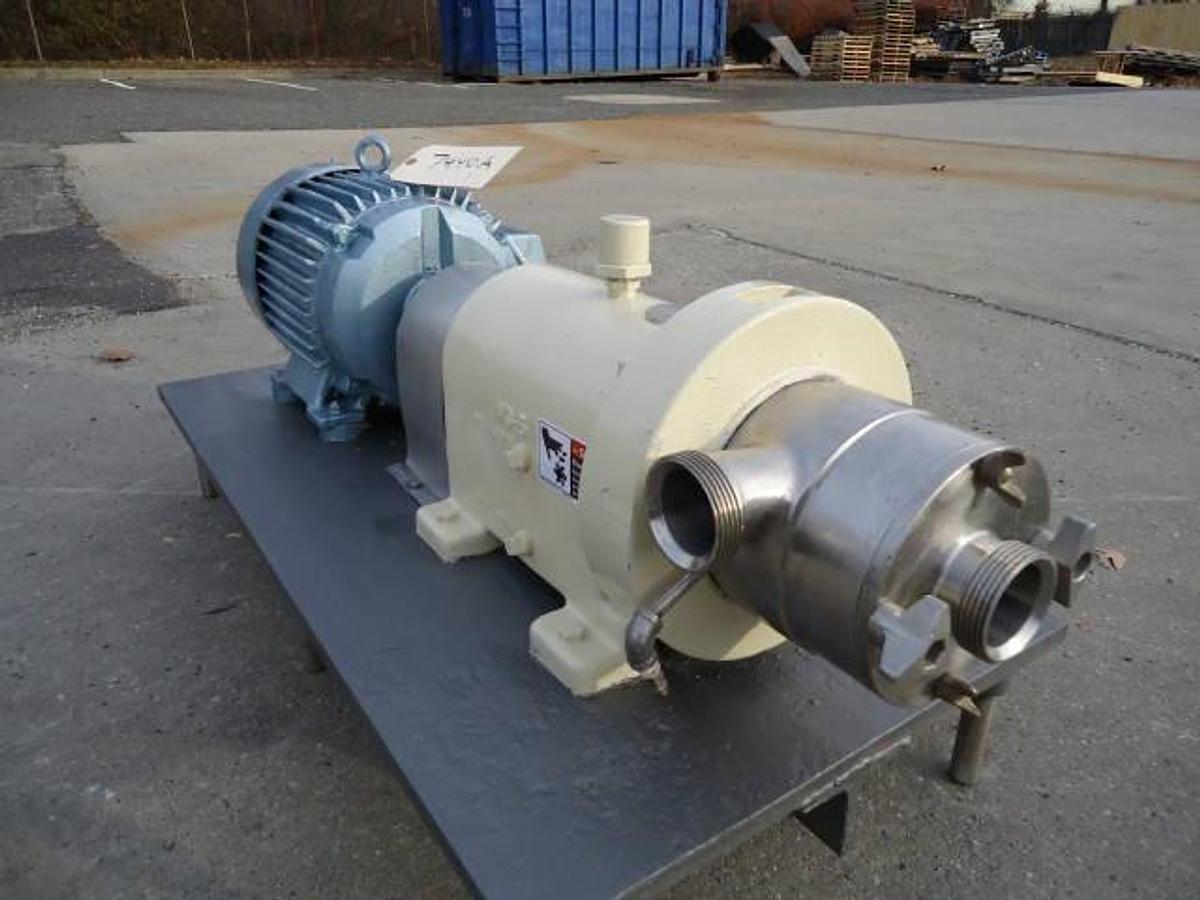
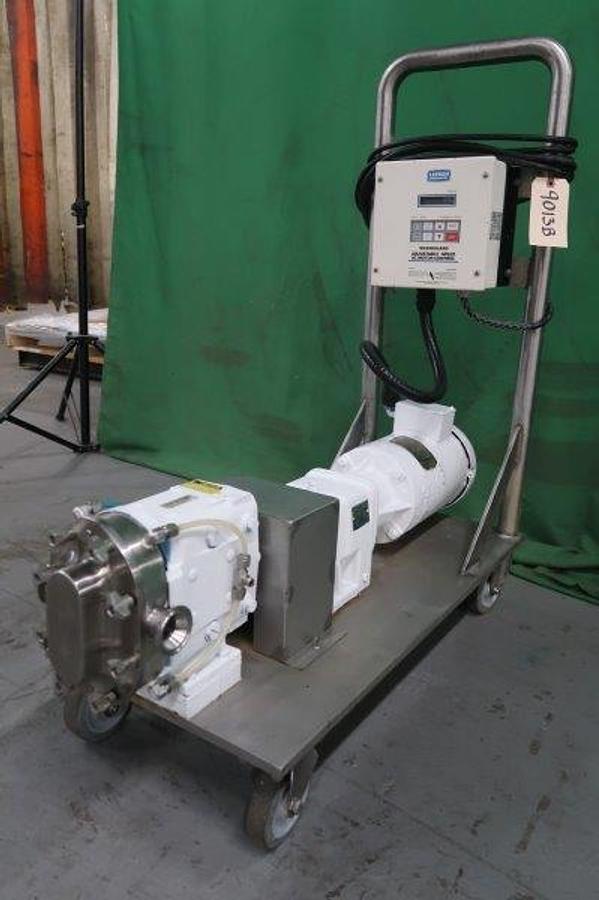
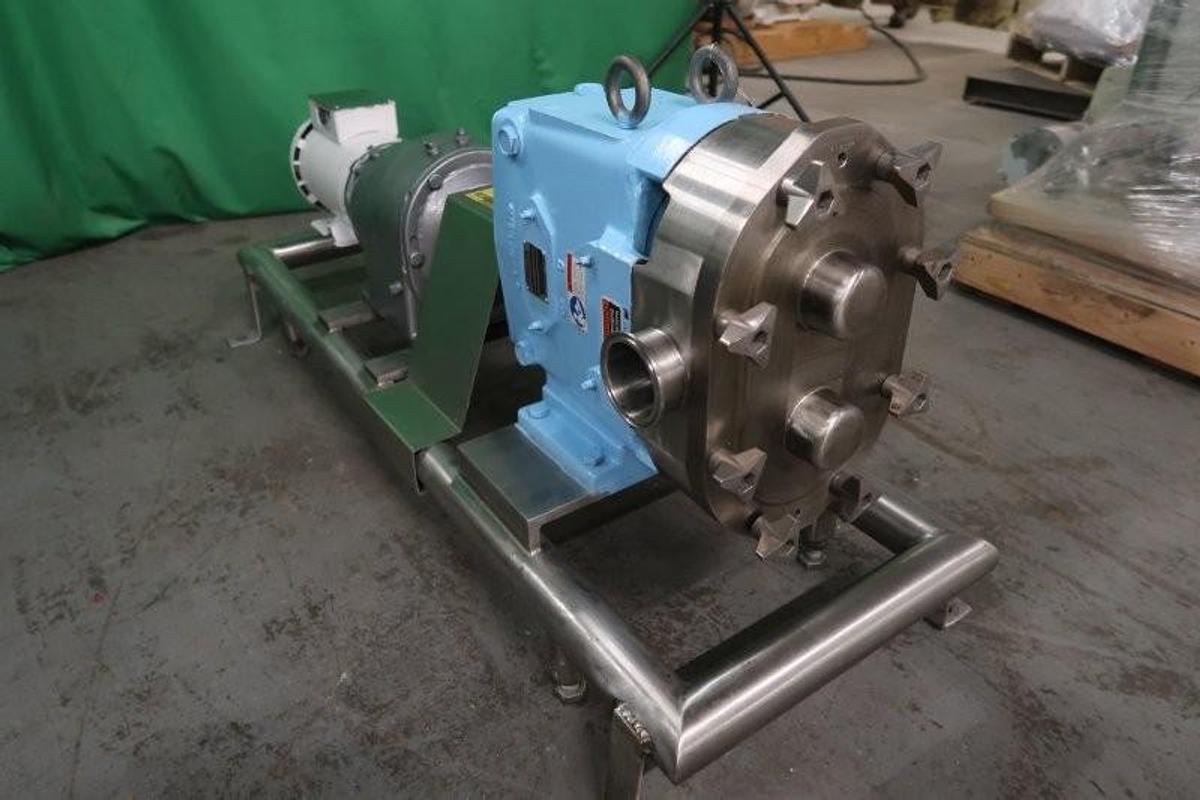
Waukesha is a prominent manufacturer of positive displacement pumps, mainly serving the food, beverage, and pharmaceutical industries. Their pumps are recognized for their efficiency and reliability in fluid handling applications.
FAQ:
What are Waukesha pumps used for?
Waukesha pumps are positive displacement pumps designed primarily for the food, beverage, dairy, and pharmaceutical industries. They excel at moving viscous, shear-sensitive, or particulate-laden fluids with a gentle, consistent pumping action that minimizes product damage. Common applications include transferring yogurt, cream, fruit preparations, sauces, gels, pharmaceutical suspensions, and other products where maintaining product integrity through the pump is critical. Their stainless steel construction and sanitary design make them a standard choice anywhere hygiene and cleanability are non-negotiable.
Beyond basic fluid transfer, Waukesha pumps are also used in metering and dosing applications where precise flow control matters. The positive displacement mechanism delivers a predictable volume per revolution regardless of downstream pressure, which makes them reliable for batching systems and filling lines. Models like the Universal Series handle a wide viscosity range, while specialized variants like the SP series inline shear pumps serve emulsification and homogenization tasks. Because of this versatility, Waukesha pumps appear throughout processing facilities in roles ranging from raw ingredient intake to finished product packaging.
What is the difference between Waukesha positive displacement pumps and centrifugal pumps?
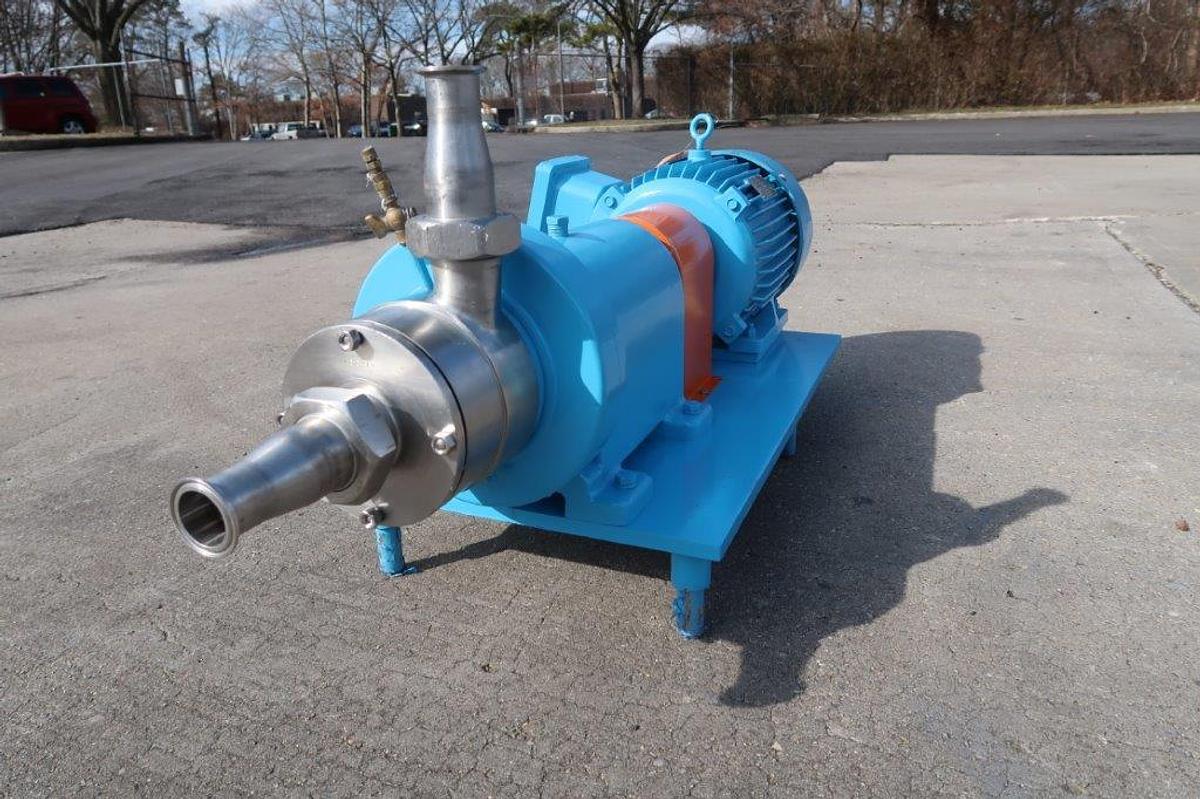
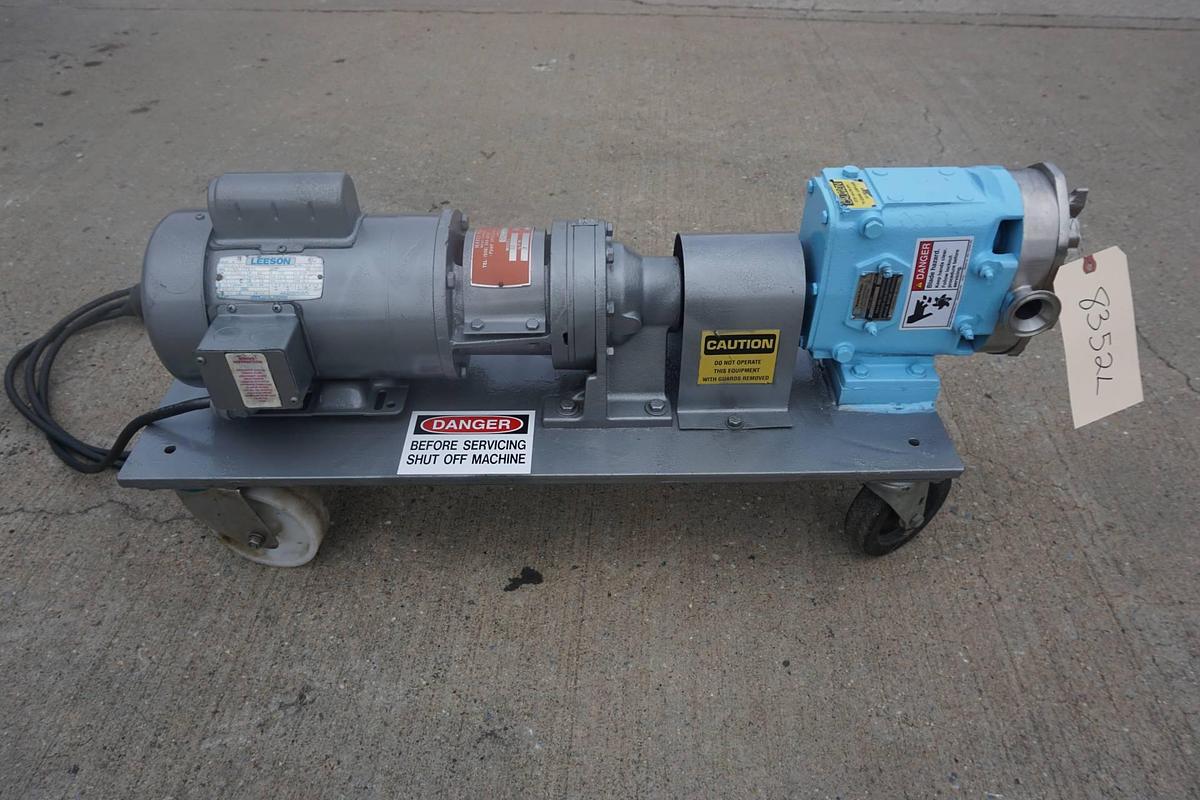
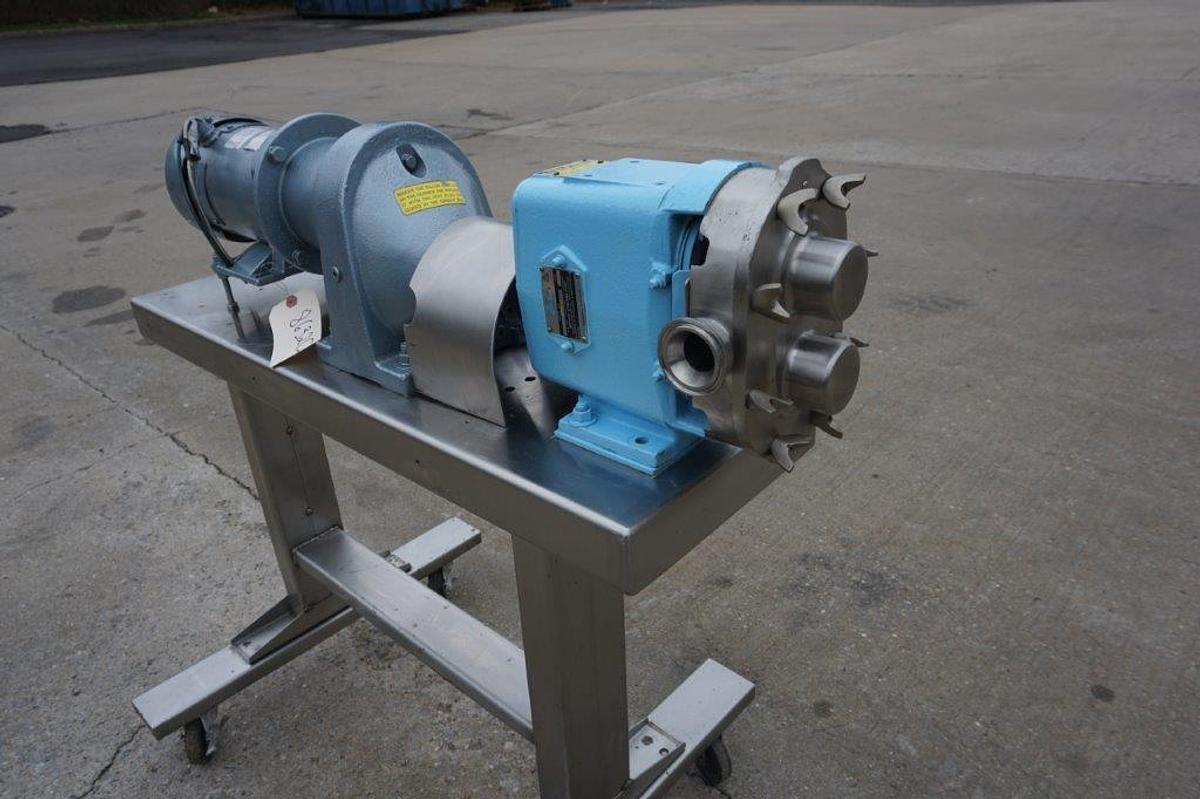
Waukesha positive displacement pumps move fluid by trapping a fixed volume between rotating lobes or gears and displacing it toward the discharge port. This mechanism produces a consistent flow rate that does not drop off as system pressure increases, making these pumps well-suited for viscous products, precise metering, and applications where gentle handling of the product is required. Centrifugal pumps, by contrast, use an impeller spinning at high speed to impart velocity to the fluid. They are efficient for thin, low-viscosity liquids at high flow rates but can shear delicate products and lose significant performance as viscosity rises.
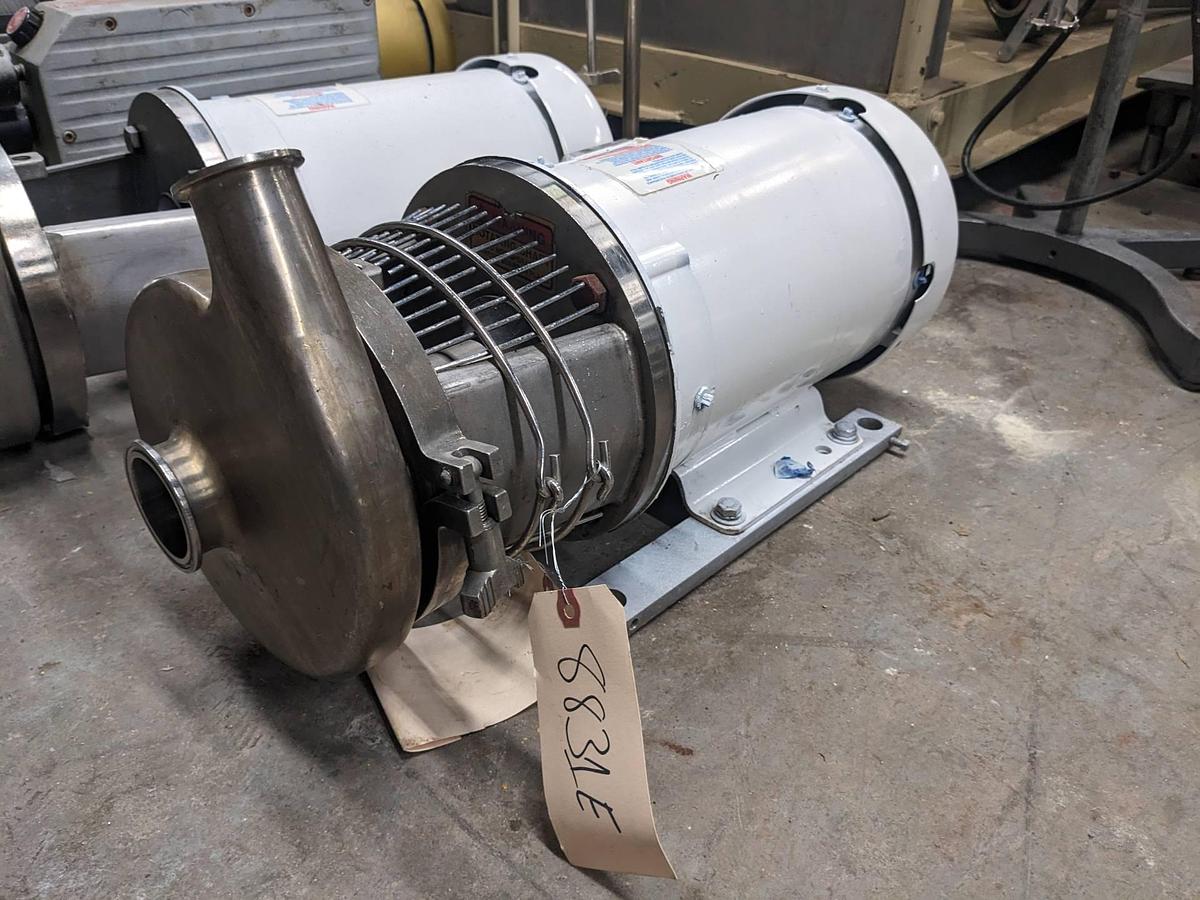
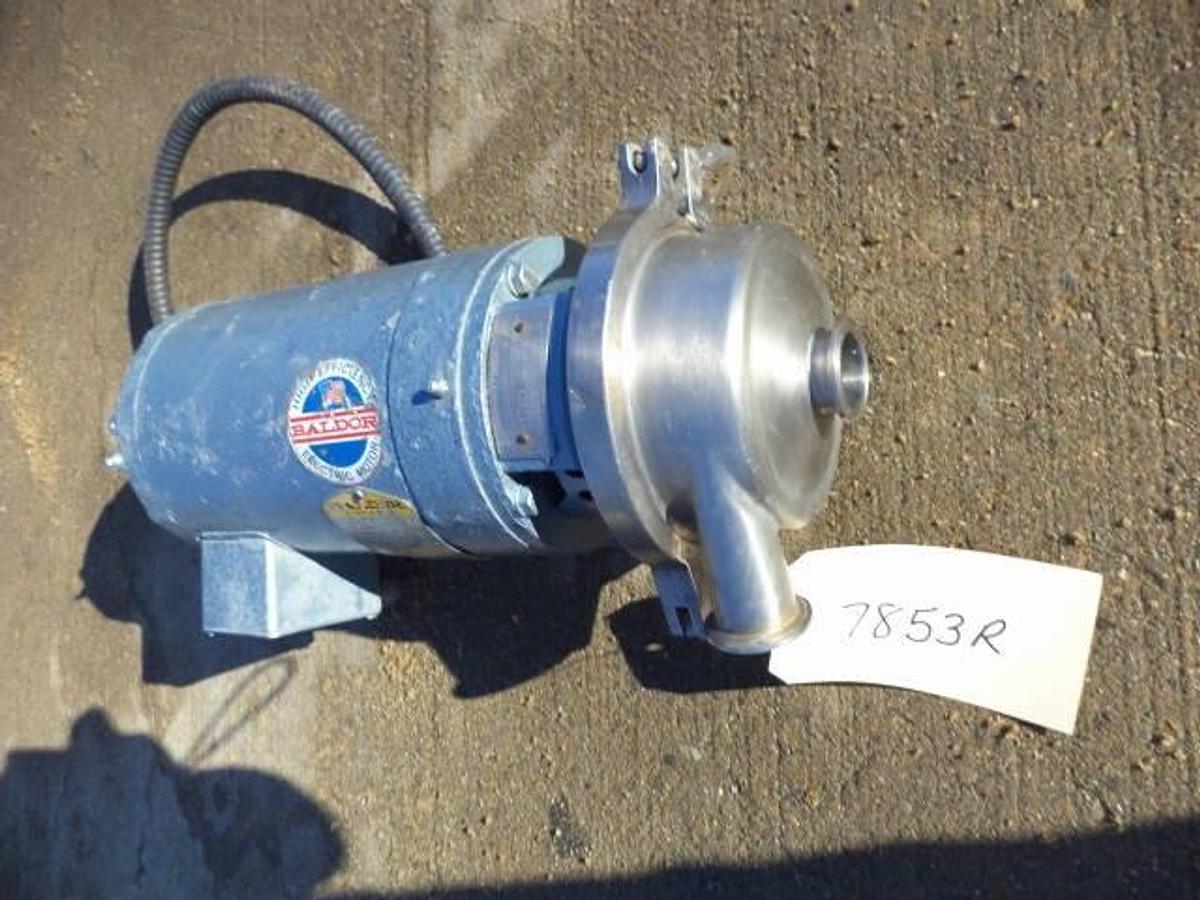
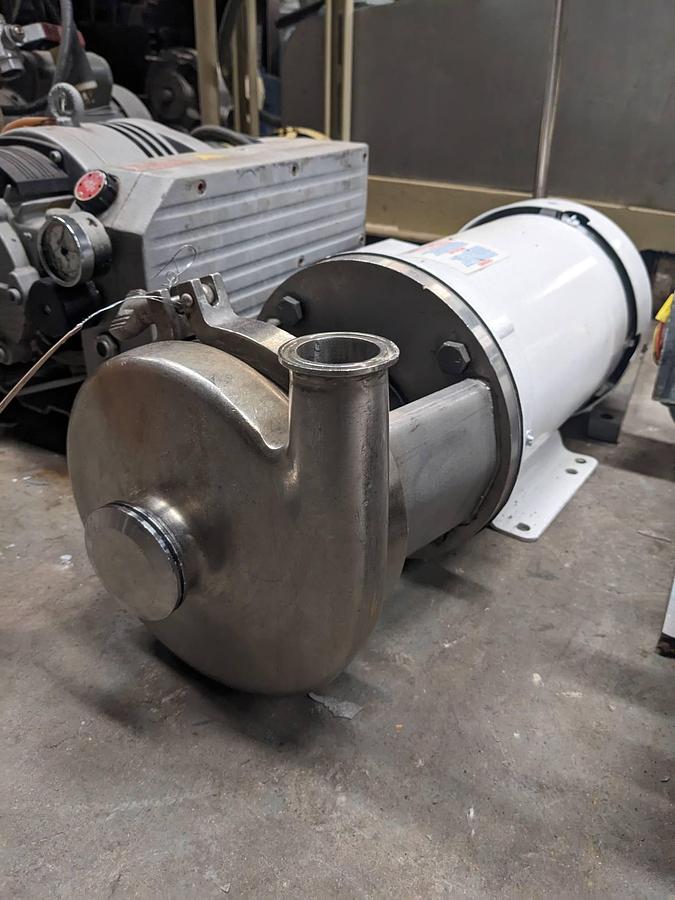
For sanitary processing, the choice between the two types often comes down to the product being pumped. Waukesha sanitary centrifugal pumps, such as the 1.5 x 2 inch and 2 x 2 inch stainless steel models, are a good fit for water-like fluids, clean-in-place (CIP) circuits, and general liquid transfer where high flow and low pressure are the priority. Positive displacement models like the Waukesha 015, 030, 060, 130, and 220 series handle thicker products, particulates, and shear-sensitive materials where a centrifugal pump would either damage the product or simply stall. Many facilities run both types, using centrifugal pumps for utility duties and positive displacement pumps on product lines.
Are Waukesha pumps suitable for food-grade and sanitary applications?
Waukesha pumps are specifically engineered for sanitary service and are among the most widely recognized brands in food, dairy, and beverage processing. Their pump bodies, rotors, and product-contact surfaces are typically constructed from 316L stainless steel, which resists corrosion, tolerates aggressive cleaning chemicals, and meets food-grade material requirements. Port configurations on many models use Tri-Clamp connections, the industry-standard sanitary fitting that allows quick disassembly for cleaning and inspection without tools. The smooth internal surfaces and minimal crevices in the pump design are intended to prevent bacterial harborage points.
Many Waukesha pump models carry 3-A Sanitary Standards certification, which is a critical qualification for dairy processing and is broadly accepted across food and beverage manufacturing as evidence that a pump meets defined hygienic design criteria. Seal and gasket materials available for wetted parts include Buna-N, EPDM, and PTFE, allowing buyers to match the elastomer to their specific product chemistry and cleaning protocols. When purchasing a used Waukesha pump for a regulated food or pharmaceutical application, buyers should verify the specific model's certification status with the manufacturer and confirm that all product-contact components are present, undamaged, and appropriate for the intended use.
Can Waukesha pumps handle high-viscosity fluids like creams, gels, and pastes?
Handling high-viscosity products is one of the primary reasons processors specify Waukesha positive displacement pumps. The lobe-style rotor design moves thick fluids by mechanical displacement rather than by imparting velocity, so the pump continues to deliver consistent flow even as product viscosity climbs into ranges where centrifugal pumps become ineffective. Products like peanut butter, tomato paste, cheese sauce, body lotions, pharmaceutical gels, and similar thick materials are handled routinely by Waukesha positive displacement models. The jacketed pump variants, such as the jacketed 015 and the 045U2 jacketed models, allow temperature control of the pump body, which is useful for products that need to be kept warm to maintain flowability.
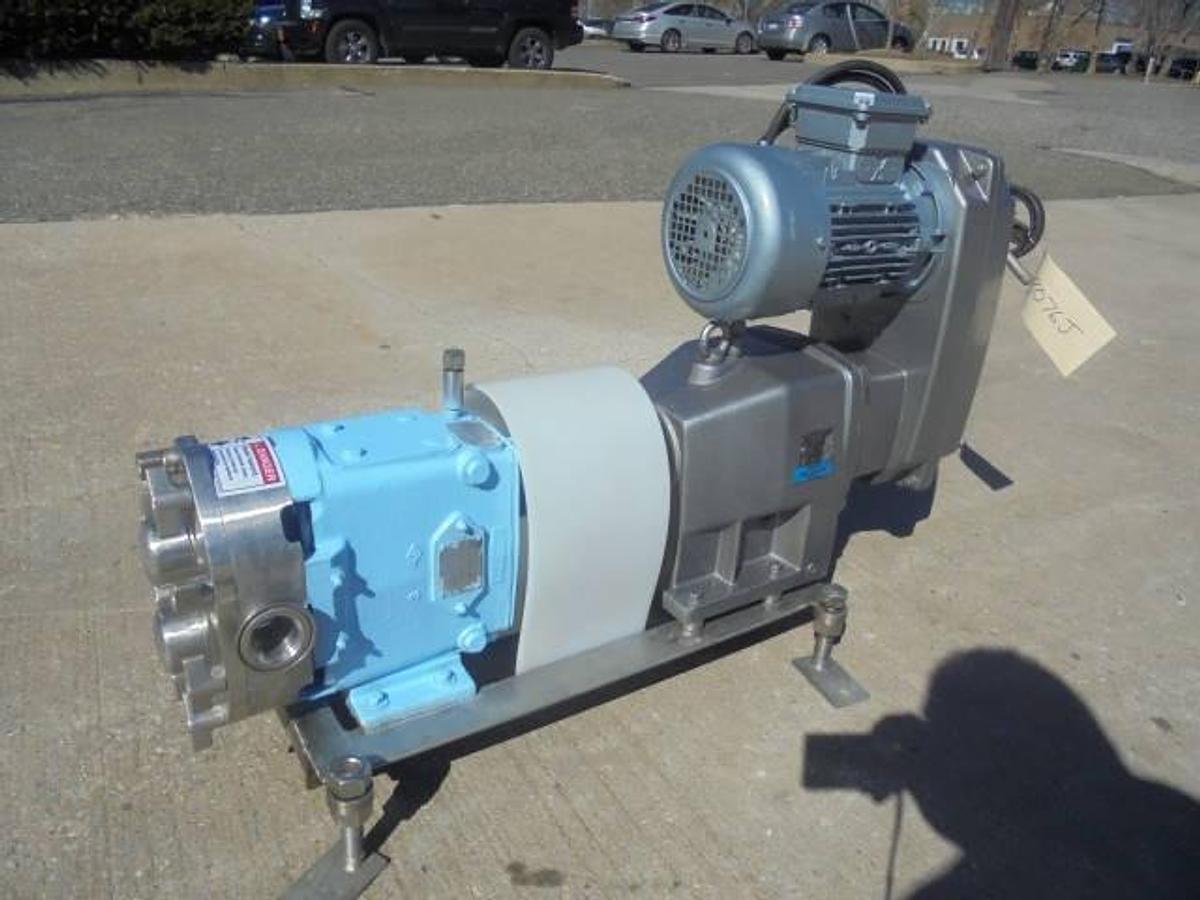
The gentle pumping action also matters for products that are viscous because of suspended solids or delicate structures. Fruit pieces in a jam, live cultures in a probiotic product, or fat globules in a cream can all be damaged by high-shear pumping equipment. Waukesha's rotor geometry is designed to minimize shear stress on the product, which preserves texture, particle integrity, and in some cases the viability of biological components. Variable speed drive configurations, available on many models including the 030, 060, and 130 series, allow operators to tune the pump speed to match the product's flow characteristics and protect against over-pressurizing delicate formulations.
What Waukesha pump models are most commonly available on the used equipment market?
The Waukesha positive displacement pump models that appear most frequently in the used equipment market are drawn from the Universal Series and the older numbered series. Size designations like the 010, 015, 025, 030, 060, 130, and 220 are common, reflecting the broad range of flow capacities that food and beverage processors use across different production scales. The Universal Series models, identified by designations such as 018-U2, 030U2, and 045U2, are also widely traded because they were produced in large quantities for dairy, beverage, and pharmaceutical applications over many years. Sanitary centrifugal models in 1.5 x 2 inch and 2 x 2 inch configurations appear regularly as well, typically sourced from CIP systems or general liquid transfer duty.
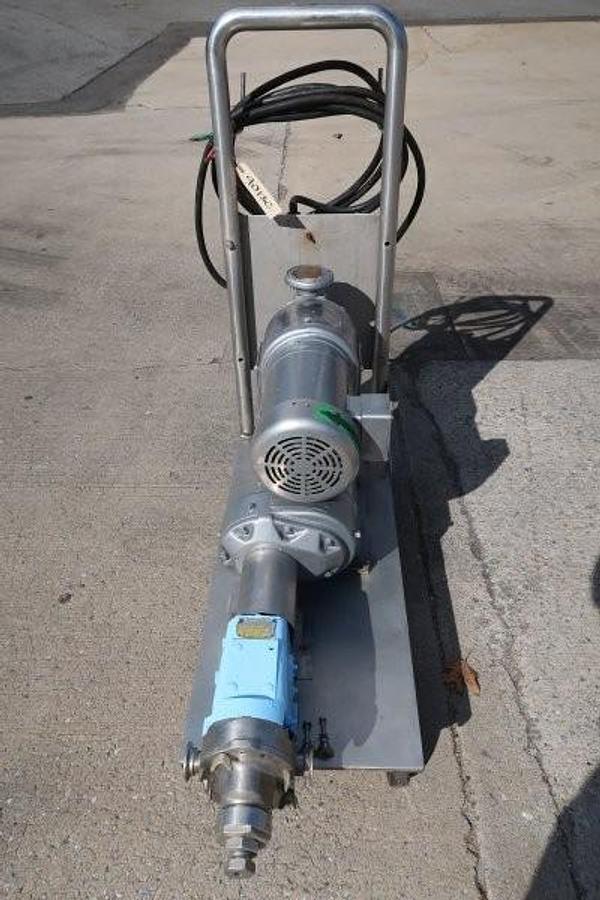
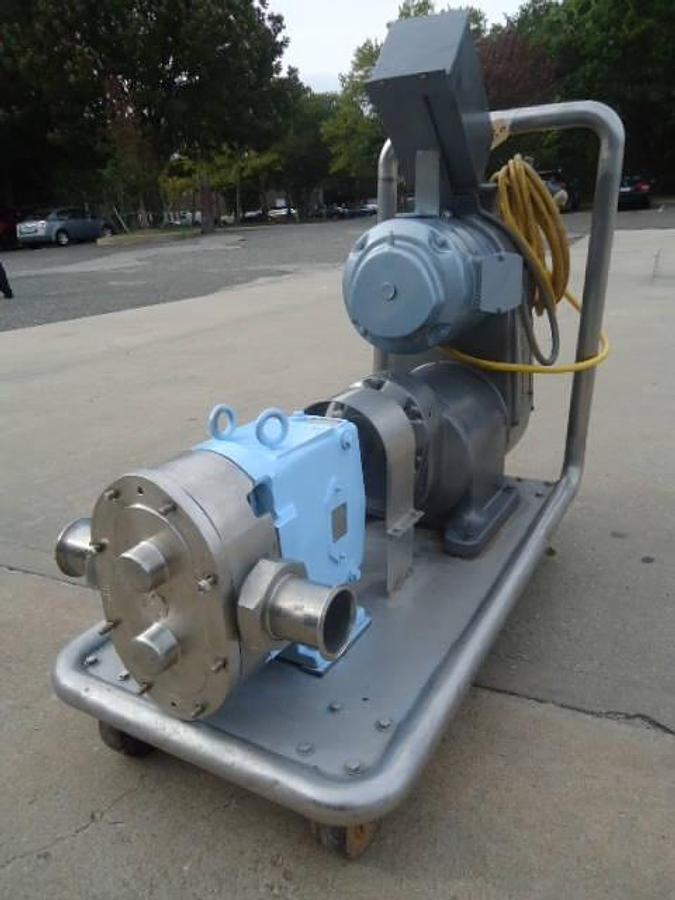
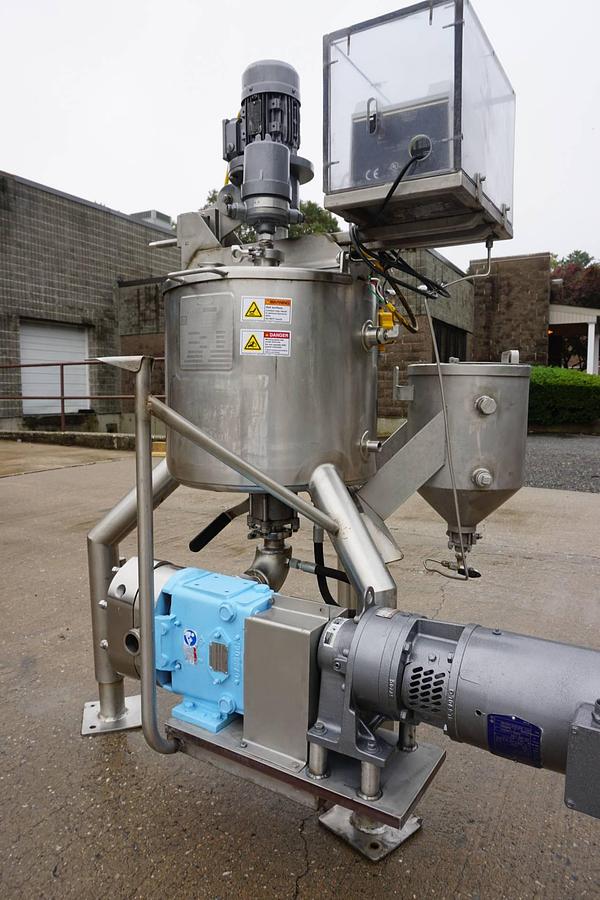
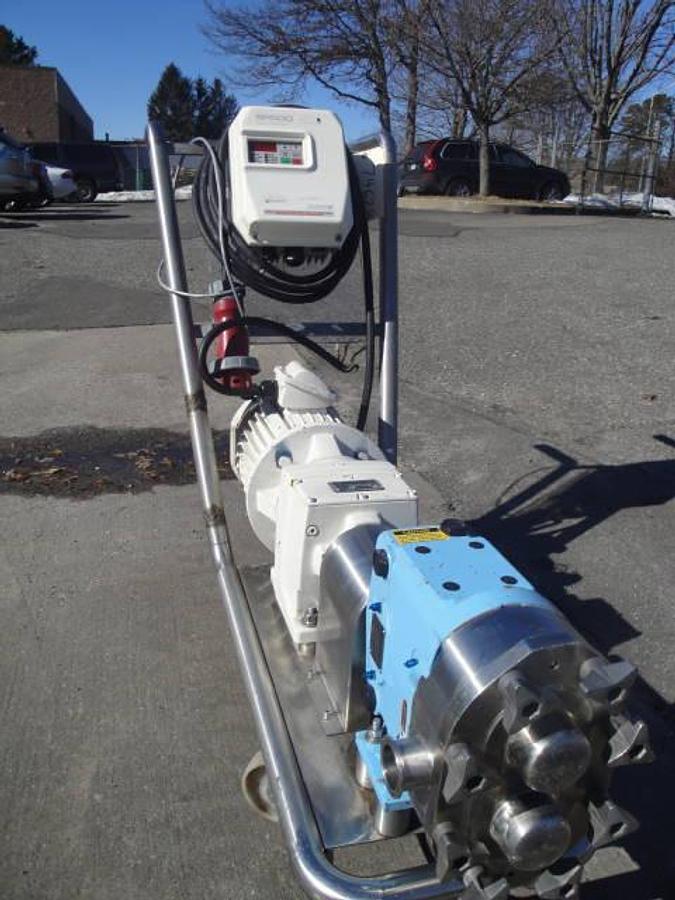
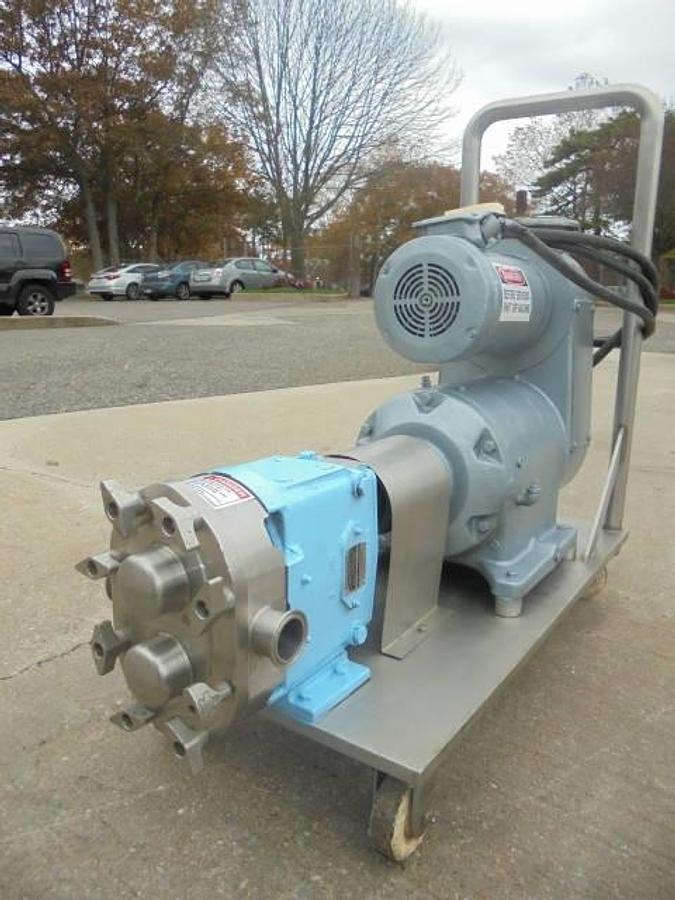
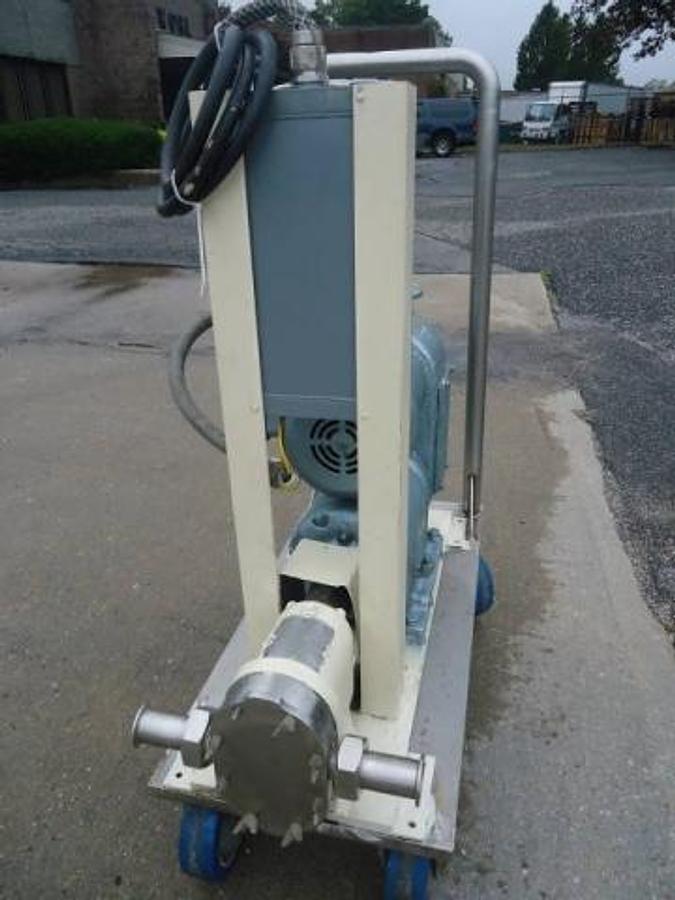
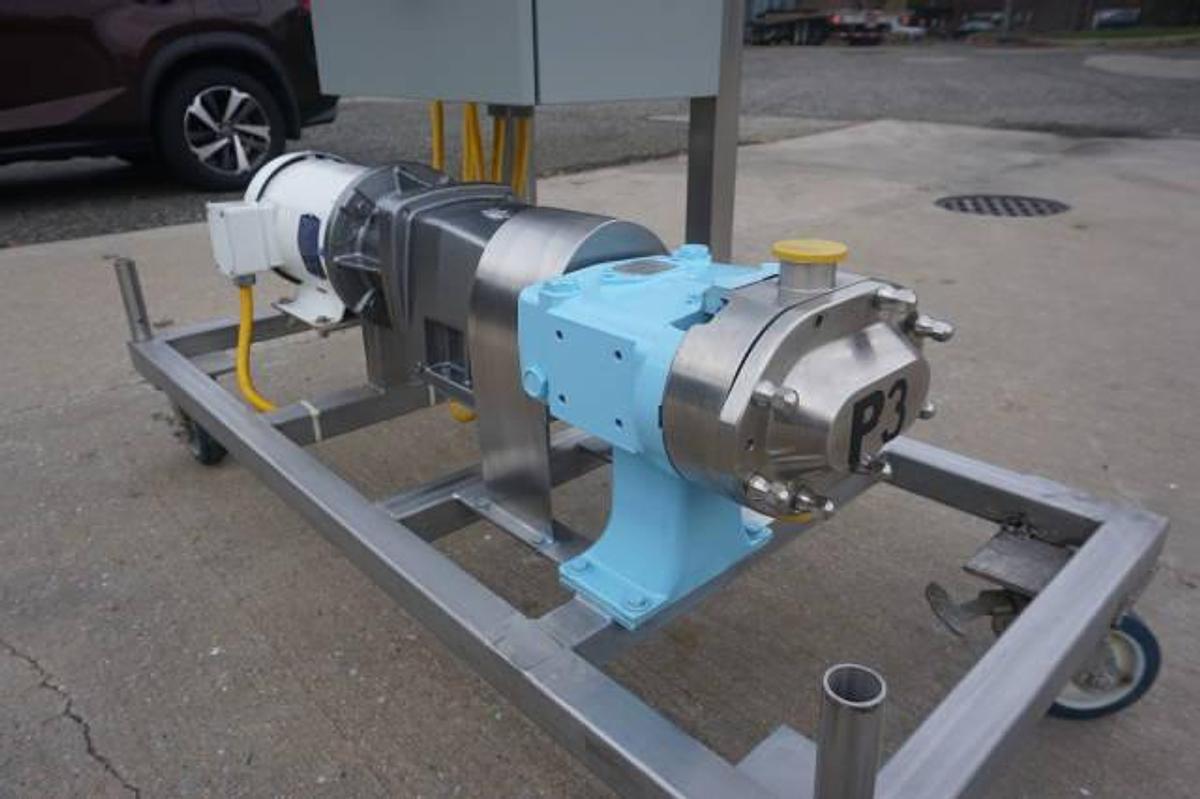
Specialized Waukesha equipment that surfaces in the used market includes the SP series inline shear pumps and emulsifiers, colloid mills in both horizontal and inline configurations, and portable pump units mounted on stainless steel bases. Variable speed and explosion-proof motor configurations are available on certain used models, which expands their applicability to facilities with specific electrical area classifications or process control requirements. The variety of models available used reflects how widely Waukesha equipment is deployed across industries, and buyers sourcing used units benefit from that broad installed base because parts, technical documentation, and manufacturer support are generally accessible for most models still in production.
What should buyers inspect when purchasing a used Waukesha pump?
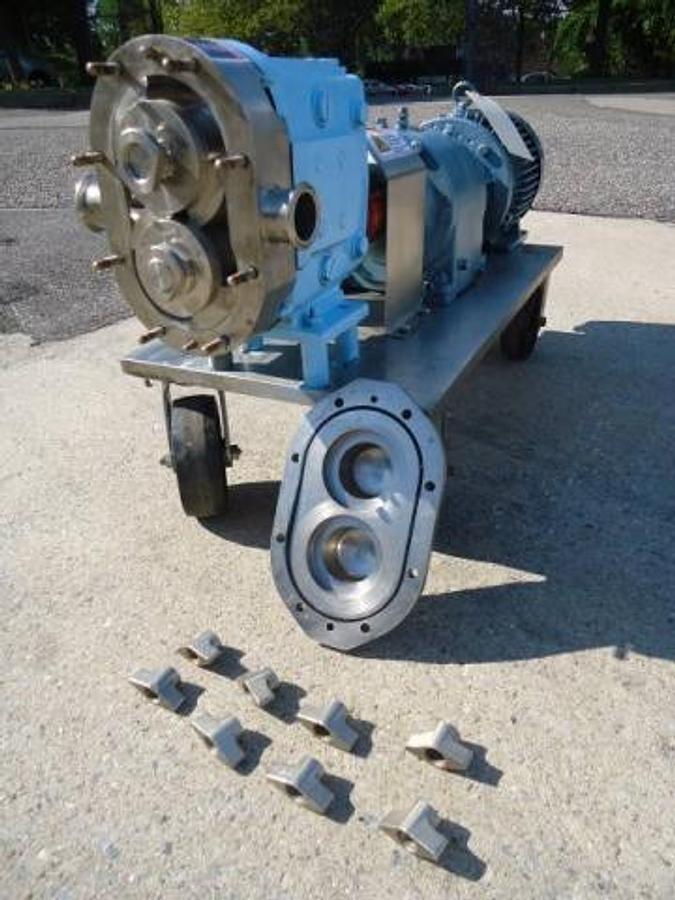
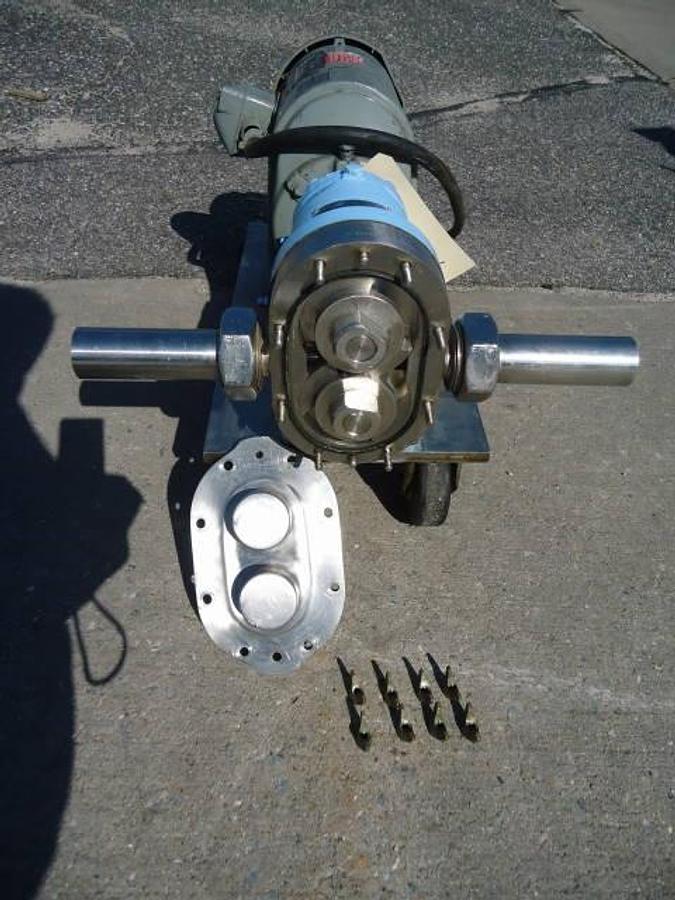
A thorough inspection of a used Waukesha pump should cover both the mechanical condition and the sanitary integrity of the unit. On the mechanical side, the rotors and pump body bore are the most critical wear components. Rotor tips and the housing bore wear over time, and excessive clearance between them reduces volumetric efficiency and can cause the pump to lose flow rate under pressure. Buyers should ask to see the rotors removed from the housing so the condition of the rotor tips, the bore surface, and the timing gears can be assessed. The mechanical seal or packing arrangement should be examined for signs of leakage, scoring, or deterioration. Bearing condition, shaft runout, and the state of the gearbox are also worth checking, particularly on higher-hour units.
On the sanitary side, all product-contact surfaces should be free of pitting, cracks, and deep scratches that could harbor bacteria and resist cleaning. Tri-Clamp port faces should be undamaged to ensure a proper seal with sanitary gaskets. Elastomeric components including seals, gaskets, and o-rings degrade over time and with chemical exposure, so buyers should plan to replace these as a matter of course on any used pump. Reputable used equipment dealers will typically accommodate in-person or video inspections, and some units may still be installed in operating facilities where a live inspection can be arranged. Because dealers generally do not have production facilities to run product through a pump, functional testing is usually limited to confirming that the unit turns freely, the motor runs, and there are no obvious mechanical defects visible during a dry run or inspection.
What are the typical sizes and flow rates available for Waukesha positive displacement pumps?
Waukesha positive displacement pumps span a wide range of sizes, from compact units suited to small-batch or pilot plant work up to large production-scale models. The size numbering system used by Waukesha corresponds roughly to the pump's displacement per revolution, with smaller numbers like the Size 3, 10, and 15 delivering lower flow rates and larger numbers like the 130, 220, and beyond handling high-volume production lines. At the lower end, a Size 10 or 15 pump might be used for laboratory-scale work, dosing systems, or pilot plant liquid feed systems. Mid-range models like the 030 and 060 are common in medium-volume food and beverage production. Larger models such as the 130 and 220 appear in high-throughput dairy, brewery, and industrial food processing environments.
Flow rate in practice depends on pump speed, rotor size, and the viscosity and slip characteristics of the product being pumped. Waukesha publishes performance curves for each model that relate speed (RPM) to flow rate and account for pressure differential. Variable speed drive configurations, which are available on many used models including the 016, 025, 030, and 060 series, allow operators to dial in precise flow rates rather than being locked to a fixed speed. Buyers matching a used pump to a specific application should reference the manufacturer's published specifications for the model in question and account for the fact that actual field performance may vary based on the pump's wear condition and the specific product being transferred.
How does buying a used Waukesha pump differ from buying a new one?
Purchasing a used Waukesha pump offers a meaningful cost advantage compared to buying the same model through a distributor at current list pricing. For processors who need to add capacity, replace a failed unit quickly, or equip a pilot line without a large capital outlay, the used market provides access to equipment that is otherwise expensive and sometimes subject to long lead times from the manufacturer. Used units are sold as-is, meaning the buyer takes on responsibility for assessing the pump's condition rather than receiving a factory-fresh machine with known performance specifications. This places a premium on the buyer's ability to inspect the equipment or work with a dealer who can provide detailed condition information.
The practical implication is that buyers should approach used pump purchases with a clear inspection checklist, a realistic budget for reconditioning (seals, gaskets, and potentially rotors), and a plan for verifying that the pump meets their sanitary and regulatory requirements before putting it into production. Selecting a dealer with a long track record in food and beverage or pharmaceutical equipment is important because those dealers are more likely to accurately represent a pump's condition, accommodate thorough inspections, and have the product knowledge to answer technical questions. Buyers should also contact the manufacturer directly to understand what parts, technical support, and documentation are available for the specific model and serial number they are considering, since older or discontinued models may have limited support.
What are the typical payment and shipping considerations when buying a used Waukesha pump?
Most used equipment dealers require full payment prior to releasing a machine for shipment. Some dealers extend payment terms to established customers with a prior purchase history, but first-time buyers should expect to pay in full before the equipment ships. Buyers should clarify accepted payment methods early in the process, as wire transfer is common for larger transactions. Understanding the total landed cost of a pump before committing to a purchase is important, and that means getting clear answers on packaging, freight, and any rigging charges in addition to the equipment price itself.
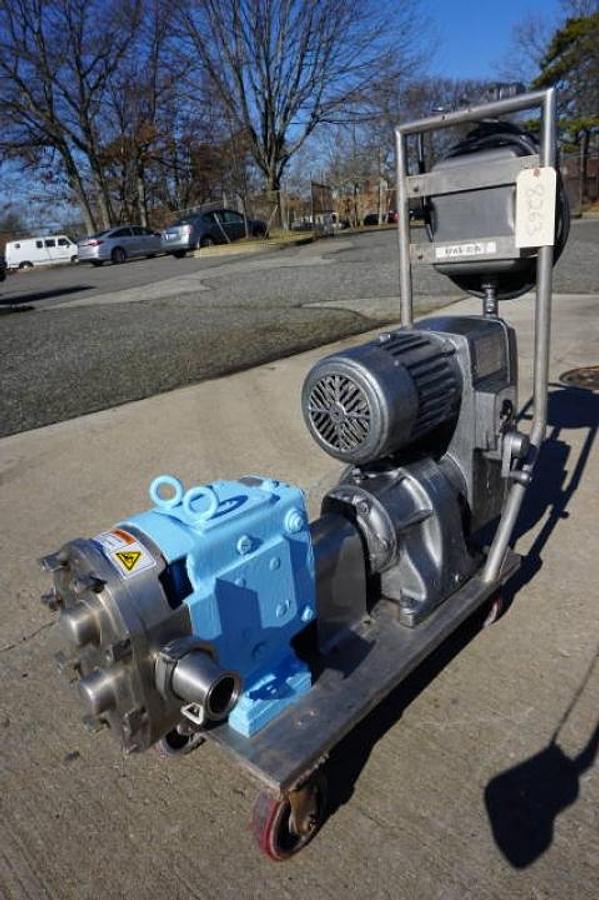
Shipping costs for Waukesha pumps vary considerably depending on the size and weight of the unit, the origin and destination, and the level of packaging required to protect the pump in transit. Smaller portable models may ship on a standard pallet, while larger units with motors and bases may require custom crating. Heavier machines or those requiring special handling may also incur rigging charges for loading at the dealer's facility and unloading at the destination. Buyers should ask the dealer specifically what packaging will be used, who arranges freight, and whether the buyer or dealer coordinates the carrier. Getting a freight quote before finalizing the purchase eliminates surprises and allows an accurate comparison between used pump options from different sources.
How do I identify the correct Waukesha pump model for my application?
Identifying the right Waukesha pump model starts with defining the key process parameters: the required flow rate, the inlet and outlet pressure conditions, the viscosity and temperature of the product, and any sanitary or certification requirements that apply. Waukesha's model numbering system ties directly to pump displacement and size, so knowing the target flow rate and operating speed narrows the field considerably. Port size is another practical filter: models with 1.5-inch, 2-inch, 3-inch, or 4-inch Tri-Clamp ports are common in the used market, and the port size needs to match the existing piping in the facility or be factored into the installation cost.
For buyers replacing an existing Waukesha pump, the model number and serial number on the pump's nameplate are the most reliable starting point. The nameplate data allows cross-referencing with manufacturer documentation to confirm specifications, identify compatible replacement parts, and verify certifications. When the application is new or the process parameters are not fully defined, consulting with the manufacturer's technical team or an experienced used equipment dealer who specializes in sanitary process equipment can help narrow the selection. Dealers familiar with Waukesha equipment can often identify a pump's suitability for a given application based on the model, configuration, and condition of the unit, which is particularly useful when evaluating used inventory where not every specification may be immediately obvious from a listing description.