Category
Manufacturer
Model
Watson Metal Masters
Watson Metal Masters specializes in custom metal fabrication, serving various industries including food and beverage. Their expertise includes the design and manufacture of specialized equipment such as conveyors and processing systems.
FAQ:
What types of equipment does Watson Metal Masters manufacture?
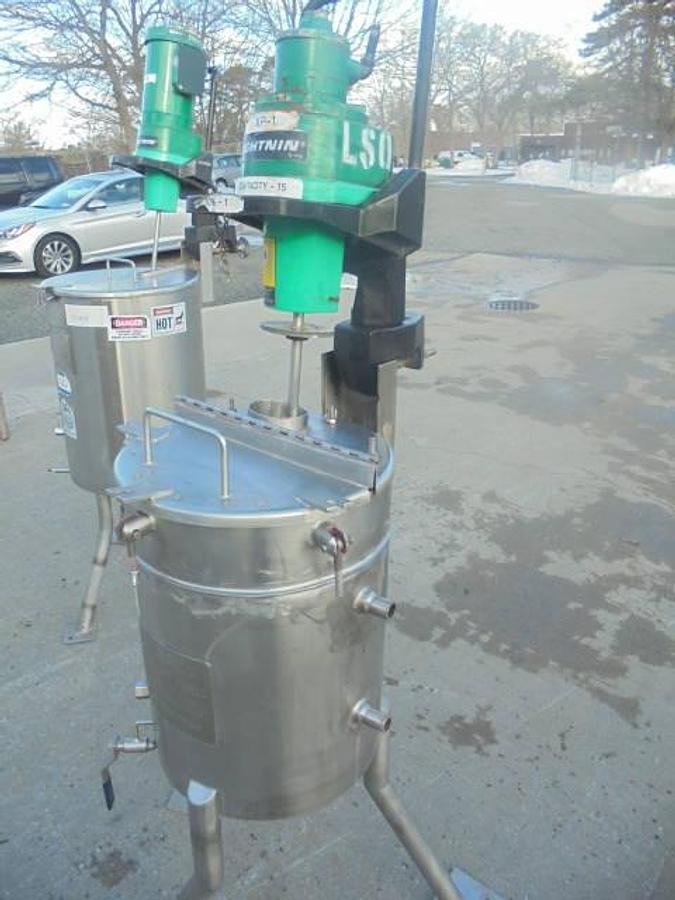
Watson Metal Masters specializes in custom metal fabrication, with a focus on serving industries that require precision-built stainless steel and heavy-duty metal equipment. Their product range includes conveyors, processing systems, and specialized fabricated components designed for demanding industrial and food-and-beverage applications. One well-known example is their stainless steel mix tanks, which are built to handle pressurized jacketed processing at ratings such as 150 PSI, making them suitable for sanitary processing environments.
Because Watson Metal Masters works in custom fabrication, the equipment they produce tends to be application-specific rather than off-the-shelf. This means buyers searching the used market will encounter a varied inventory that reflects the breadth of industries Watson has served over the years. Each piece of equipment is typically built to exacting standards for its intended use, which is one reason used Watson Metal Masters machinery continues to attract serious buyers long after its initial deployment.
What should I look for when buying used Watson Metal Masters equipment?
Condition assessment is the most critical step when purchasing used industrial fabrication equipment from any manufacturer, including Watson Metal Masters. Buyers should pay close attention to the integrity of welds, the condition of any jacketing or insulation, the state of fittings and valves, and whether pressure-rated components still meet their rated specifications. For stainless steel equipment like mix tanks, surface pitting, corrosion at welds, or signs of improper cleaning can indicate long-term damage that affects both performance and sanitary compliance.
Beyond the physical inspection, buyers should request documentation on the machine's service history if available, and ask the dealer to arrange either an in-person or video inspection so the equipment can be evaluated in its current state. It is also worth contacting the manufacturer directly to understand what level of parts support or technical guidance is available for the specific model and age of the machine. Used industrial equipment is typically sold as-is, so thorough due diligence before purchase is far more valuable than any assumption about condition.
How can I inspect used Watson Metal Masters equipment before buying?
Reputable used equipment dealers will typically offer buyers several inspection options: an in-person visit to the facility where the machine is stored, a live video walkthrough, or a recorded video that documents the equipment's current condition. For Watson Metal Masters fabricated equipment, a visual inspection should cover all exterior surfaces, pressure-rated jacket components, inlet and outlet connections, and any mechanical or electrical systems attached to the unit. If the machine is still installed at a production facility, the dealer may be able to coordinate access directly with the facility owner.
One important limitation to understand is that most used equipment dealers are not set up to run full production tests, as doing so would require permits and operational infrastructure that a resale business does not typically maintain. This means inspections will generally confirm physical condition and basic mechanical integrity rather than a full operational run. Buyers should factor this into their evaluation and, where possible, consult with a qualified technician or the original manufacturer to interpret what they observe during the inspection.
What industries commonly use Watson Metal Masters processing equipment?
Watson Metal Masters has built a reputation serving industries that demand sanitary, durable, and precisely fabricated metal equipment. The food and beverage industry is one of their most prominent markets, where stainless steel construction and pressure-rated jacketed vessels are essential for mixing, heating, and processing products under controlled conditions. Their conveyors and processing systems are also found in pharmaceutical, chemical, and general manufacturing environments where hygiene, structural integrity, and custom configurations are priorities.
Because the company focuses on custom fabrication rather than standardized catalog products, their equipment tends to appear across a wide range of niche industrial applications. Buyers searching the used market for Watson Metal Masters machinery are often processors, plant operators, or equipment resellers who recognize the brand's build quality and are looking to source reliable used equipment at a lower cost than purchasing custom-fabricated alternatives. The diversity of industries served also means that a single dealer's inventory may include very different types of Watson equipment depending on what has recently come off production floors.
What is the typical price range for used Watson Metal Masters stainless steel processing equipment?
Pricing for used Watson Metal Masters stainless steel fabricated equipment varies considerably depending on the type of machine, its size, its condition, and how recently it was decommissioned. Smaller units such as a 10-gallon jacketed stainless steel mix tank will generally be priced lower than large-scale conveyors or multi-component processing systems. Because Watson Metal Masters equipment is built to custom specifications and uses high-grade materials, even used units tend to retain meaningful value compared to lower-quality alternatives on the market.
Buyers should also account for the total landed cost when evaluating price, which includes not just the purchase price but also packaging, rigging, freight, and any installation or recommissioning work required at the destination. A machine listed at an attractive price point can become significantly more expensive once heavy-duty crating and specialized rigging for loading and unloading are factored in. Requesting a detailed quote from the dealer that breaks out all of these costs before committing to a purchase is the best way to avoid surprises.
Does used industrial fabrication equipment like Watson Metal Masters come with a warranty?
Used industrial equipment is almost universally sold on an as-is basis, meaning no warranty is provided by the reseller. Warranties are a feature of purchases made directly from manufacturers on new production equipment, and they do not transfer through the used market. This is standard practice across the used machinery industry and is not specific to any one brand or dealer. The responsibility for evaluating condition and fitness for purpose rests with the buyer, which is why inspection and due diligence are so important before completing a transaction.
Given this reality, buyers are well-served by working with used equipment dealers who have a long track record in the relevant industry, since established dealers have reputational incentives to represent equipment accurately. It is also advisable to check with the manufacturer about parts availability and technical support for the specific model being considered, as older or discontinued models may have limited support infrastructure. Selecting a dealer who specializes in industrial processing or food-grade fabrication equipment, rather than a generalist reseller, also improves the likelihood of getting accurate condition information.
What are the shipping and freight considerations for used Watson Metal Masters equipment?
Shipping used industrial fabrication equipment requires careful planning, and costs can vary significantly based on the size and weight of the machine, its fragility, and the distance to the buyer's facility. Stainless steel processing equipment like jacketed mix tanks and conveyors often requires custom palletization or wooden crating to prevent damage during transit. Heavier or more complex machines may also require specialized rigging services for both loading at the origin and unloading at the destination, and those rigging costs are typically separate from the freight charge itself.
Buyers should request a fully itemized shipping quote from the dealer before finalizing any purchase, covering packaging, rigging, freight carrier fees, and any required permits for oversized loads. Understanding the total landed cost, meaning what it actually costs to have the machine sitting on your floor ready for installation, is essential for making an accurate cost comparison. Some dealers include basic palletization in their pricing while others quote it separately, so it pays to ask specific questions rather than assume what is covered.
What payment terms should buyers expect when purchasing used industrial equipment?
The standard practice in the used equipment industry is for dealers to require full payment before a machine is released for shipping. This protects the dealer from the risks associated with releasing high-value equipment before funds are secured, and it is a policy buyers should expect regardless of which dealer they work with. Payment is typically accepted by wire transfer, though some dealers may accommodate other methods depending on the transaction size and the buyer's relationship with the business.
Buyers who have an established purchasing history with a particular dealer may occasionally be offered payment terms, but this is not the norm for first-time transactions. It is worth having a direct conversation with the dealer about payment options if standard terms create a challenge, but buyers should plan for full upfront payment as the default expectation. Confirming payment requirements, along with the full landed cost breakdown, before signing any purchase agreement helps avoid misunderstandings at the point of closing the deal.
How does used Watson Metal Masters fabrication equipment compare to other used stainless steel processing equipment on the market?
Watson Metal Masters has built a reputation for producing well-constructed, application-specific stainless steel equipment, particularly for food-grade and industrial processing environments. Their fabricated vessels and processing systems are generally regarded as durable and built to tight tolerances, which is why used units continue to attract buyers even after years of service. Compared to lower-cost alternatives, Watson Metal Masters equipment tends to show better long-term material integrity, particularly in weld quality and surface finish, which matters a great deal in sanitary processing applications.
That said, the used equipment market is broad, and buyers comparing Watson Metal Masters to other brands should evaluate specific units on their individual merits rather than relying solely on brand reputation. Age, maintenance history, and the conditions under which a machine was operated all have a significant impact on how a used piece of equipment performs relative to another. A well-maintained unit from a secondary brand can outperform a neglected Watson Metal Masters machine, so inspection and condition assessment remain the most reliable basis for any purchase decision.
Where can used Watson Metal Masters equipment be found for sale?
Used Watson Metal Masters fabricated equipment surfaces through several channels, including specialized used industrial equipment dealers, food processing equipment resellers, and plant liquidation sales. Dealers who focus specifically on food-grade or stainless steel processing equipment are often the most reliable source, as they tend to have the industry knowledge to accurately describe the equipment's condition and suitability for specific applications. Because Watson Metal Masters produces custom fabricated equipment rather than mass-market products, inventory availability can be limited and tends to move quickly when it does appear.
Buyers looking for specific types of Watson Metal Masters equipment, such as jacketed mix tanks or conveyors, are best served by working directly with dealers who specialize in that category of machinery. Checking in regularly with dealers who carry food processing or stainless steel fabrication equipment gives buyers the best chance of finding the right unit when it becomes available. Providing dealers with a clear description of the capacity, configuration, and pressure ratings needed can also help them match buyers with suitable inventory as it comes through their pipeline.