Category
Manufacturer
Model
FAQ:
What types of Walker Stainless equipment are commonly available on the used market?
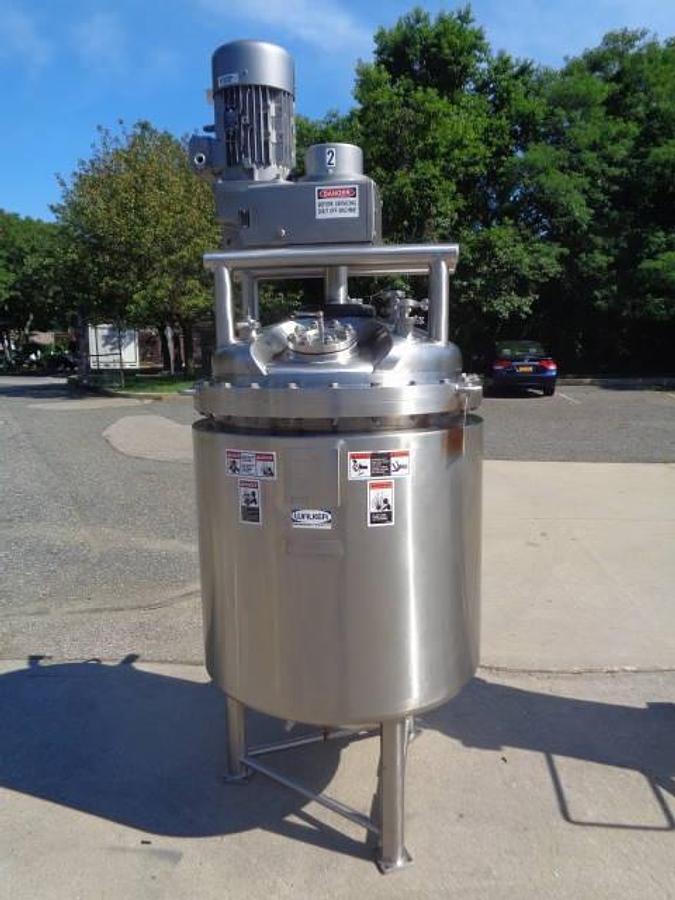
Walker Stainless has built a strong reputation across the food, beverage, dairy, and pharmaceutical industries, which means their equipment shows up regularly on the secondary market in a wide variety of configurations. The most commonly available pieces include jacketed mixing tanks, sanitary storage tanks, pressure vessels, scraped surface reactors, silo tanks, and liquid transport trailers. Capacities can range from small 100-gallon lab-scale vessels all the way up to large-volume storage silos used in commercial dairy or brewing operations. Because Walker Stainless built their equipment to last, used units often retain significant functional value even after years of service.
Scraped surface reactors and jacketed tanks tend to be among the more sought-after pieces on the secondary market, particularly for buyers in temperature-sensitive processing applications. A scraped surface sanitary reactor, for example, is designed to keep product moving against a heat transfer surface, which makes it critical for viscous or heat-sensitive materials. When shopping for used Walker Stainless equipment, it pays to look carefully at the specific model and construction details, such as whether the vessel is built from 304 or 316L stainless steel, since the grade of steel affects corrosion resistance and suitability for certain product types.
What is the typical price range for used Walker Stainless tanks and vessels?
Pricing for used Walker Stainless equipment varies considerably depending on the type of vessel, its capacity, construction grade, age, and overall condition. A smaller 100-gallon sanitary reactor or mixing tank might sell for a few thousand dollars, while larger jacketed storage tanks or pressure vessels in good working condition can command prices well into the tens of thousands. Specialty configurations, such as scraped surface reactors with intact agitation systems or insulated silo tanks, tend to sit at the higher end of the range because of the complexity and cost of the original fabrication.
Beyond the purchase price itself, buyers should factor in additional costs before committing to a unit. Rigging, crating, freight, and any site installation work can add meaningfully to the total landed cost, especially for larger or heavier vessels. It is always worth asking the dealer for a full breakdown of packaging, loading, and shipping costs upfront so there are no surprises. In some cases, buyers may also need to budget for inspection fees, particularly if an independent third-party inspector is brought in to assess the vessel's condition before purchase.
What industries most commonly use Walker Stainless equipment?
Walker Stainless equipment has historically served a broad range of process industries, with the strongest concentration in food and beverage, dairy, brewing, pharmaceutical, and chemical processing. Their tanks and vessels are specifically engineered for sanitary applications, which means they are built to meet the strict hygiene and cleanability standards those industries require. Dairy processors use Walker Stainless tanks extensively for milk storage, cream separation, and pasteurization support. Craft and commercial brewers rely on their jacketed fermentation and brite tanks for temperature-controlled fermentation and conditioning.
Pharmaceutical and nutraceutical manufacturers are also frequent users of Walker Stainless vessels because of the 316L stainless steel construction found in many of their products, which offers superior corrosion resistance and is less prone to product contamination compared to lower grades of steel. Chemical processors handling corrosive or sensitive materials similarly value the material quality. Because the equipment was built to serve regulated industries, used Walker Stainless pieces often retain the documentation and construction characteristics that make them re-deployable in similarly regulated environments, though buyers should always verify that existing certifications are still valid and applicable to their specific use case.
Does Walker Stainless equipment meet FDA and sanitary standards for food and beverage processing?
Walker Stainless has long been a recognized manufacturer in the sanitary processing equipment space, and many of their tanks and vessels were built to comply with 3-A Sanitary Standards, which are the benchmark requirements for equipment used in dairy, food, and beverage processing in the United States. 3-A compliance addresses surface finish, material selection, and design features that allow for thorough cleaning and prevent bacterial harborage points. Equipment meeting these standards is generally acceptable for use in FDA-regulated food and beverage facilities, though buyers should always confirm compliance with their own regulatory and quality teams.
For used equipment specifically, it is important to verify that the sanitary characteristics of the vessel are still intact. Years of use, repairs, or modifications can affect surface finish, weld integrity, or fitting configurations in ways that may compromise sanitary compliance. Buyers should request any available documentation, including original fabrication records or compliance certificates, and consider having the equipment inspected by someone familiar with sanitary standards before putting it back into a regulated production environment. Some used equipment dealers can facilitate video or in-person inspections that allow buyers to assess the interior surface condition and fitting types before committing to a purchase.
What certifications or documentation should I look for when buying used Walker Stainless equipment?
When purchasing used Walker Stainless equipment for regulated industries, documentation is one of the most important things to pursue from the outset. The most relevant certifications to look for include ASME (American Society of Mechanical Engineers) stamps for pressure vessels, 3-A Sanitary Standards compliance documentation for food and dairy applications, and any original fabrication data reports or mill certifications that confirm the grade of stainless steel used in construction. ASME-certified vessels have undergone third-party inspection during fabrication and carry a nameplate indicating the allowable working pressure and temperature ratings, which is critical information for safe operation.
Not all used equipment will come with complete documentation, particularly for older units that have changed hands multiple times. In those cases, buyers should at minimum request the model and serial number so they can contact the manufacturer directly to understand what standards the equipment was originally built to and what level of support or parts availability they can expect for that particular model and age. Consulting with the manufacturer is a practical step that many buyers overlook, but it can reveal whether replacement parts are still available and whether the unit's design is compatible with current industry requirements. Reputable used equipment dealers will typically share whatever documentation they have and be transparent about any gaps.
How do I verify the condition of used Walker Stainless equipment before buying?
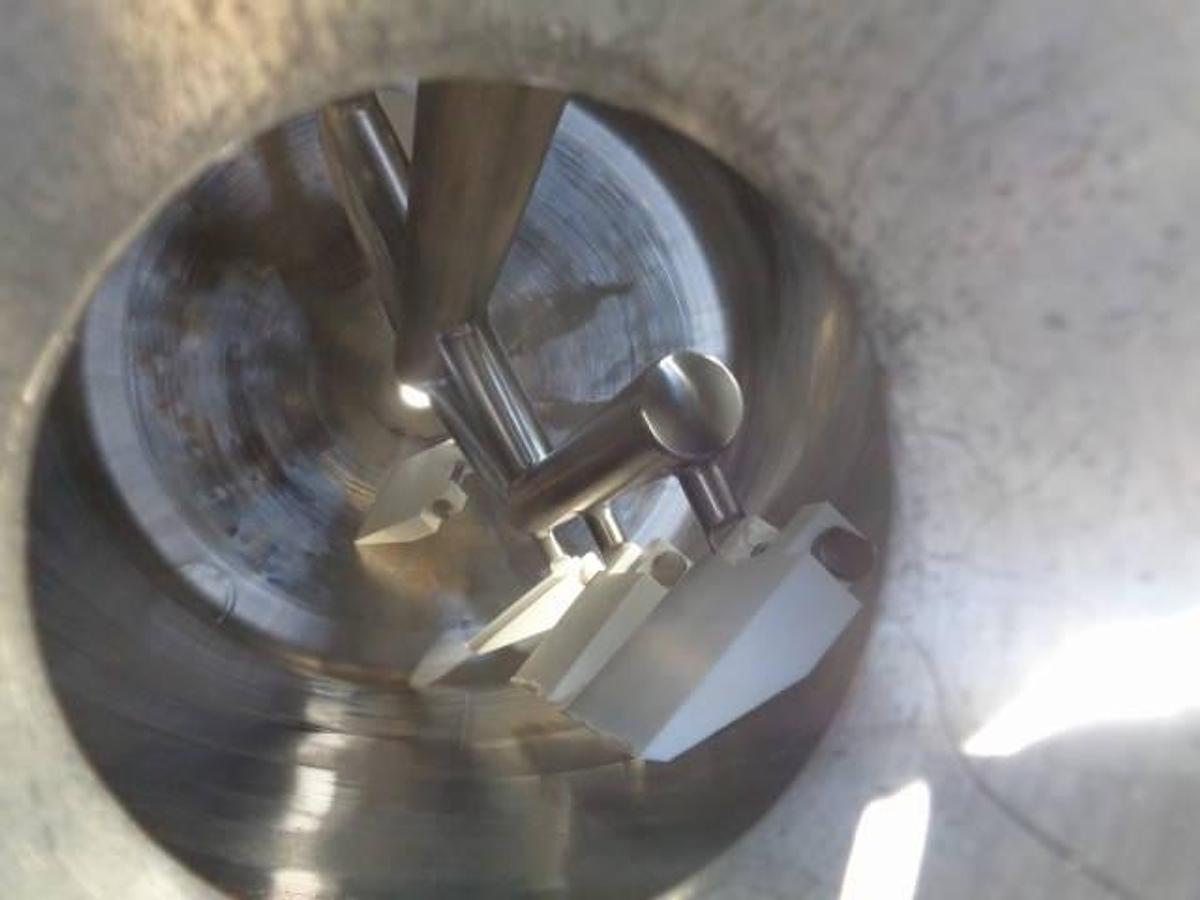
Condition verification is one of the most critical steps in purchasing used process equipment, and buyers should approach it systematically. The starting point is requesting detailed photographs or video of the equipment, covering the exterior, interior surfaces, welds, fittings, agitator assemblies (if applicable), and any visible wear points. For scraped surface reactors or jacketed tanks, the condition of the jacket, the agitator blades, and the mechanical seal are particularly important to assess. Reputable dealers will typically accommodate video walkthroughs or virtual inspections if an in-person visit is not practical.
For higher-value purchases, arranging an in-person inspection is worth the investment. Some equipment may still be installed and operating at the seller's facility, in which case the dealer can often coordinate a site visit where the buyer or their representative can observe the equipment in its current state. Keep in mind that most used equipment dealers do not have the permitting or production capabilities to run actual product through the equipment during an inspection, so functional testing in a production sense is generally not possible. What buyers can assess in person is the physical condition of the vessel, the integrity of the welds and surface finish, the completeness of the fittings and components, and any signs of corrosion, damage, or prior repairs. Combining a thorough inspection with available documentation gives the buyer the clearest possible picture before committing.
What is the difference between 304 and 316L stainless steel in Walker Stainless vessels, and why does it matter?
Walker Stainless built equipment using both 304 and 316L stainless steel grades, and the distinction matters quite a bit depending on the intended application. Type 304 stainless steel is the more common of the two, offering good corrosion resistance for general food and beverage processing, water handling, and non-aggressive chemical environments. It is cost-effective and performs well in a wide range of sanitary applications. Type 316L stainless steel adds molybdenum to the alloy, which significantly improves resistance to chloride-induced corrosion and pitting. The "L" designation indicates a low carbon content, which reduces the risk of sensitization during welding and makes it the preferred choice for pharmaceutical, biotech, and highly corrosive processing environments.
For buyers evaluating used Walker Stainless equipment, confirming the steel grade is not just a technical detail. It directly affects whether the vessel is suitable for the buyer's specific process. A 316L scraped surface reactor, for example, is a better fit for pharmaceutical or high-purity food applications than a 304 unit would be. When documentation is available, mill certifications or original fabrication records will confirm the material grade. If documentation is unavailable, a reputable dealer should be able to provide the model specifications that indicate what grade was used in that particular unit's construction.
Is Walker Stainless equipment compatible with CIP (Clean-In-Place) systems?
Many Walker Stainless tanks and vessels were designed with CIP compatibility in mind, particularly those built for dairy, beverage, and pharmaceutical applications where in-place cleaning is a standard operational requirement. CIP-compatible vessels typically feature spray balls or rotating spray heads, sloped bottoms to facilitate complete drainage, sanitary tri-clamp fittings that allow for tool-free disassembly and reassembly, and interior surface finishes polished to a roughness average that prevents bacterial adhesion and allows cleaning solutions to remove residues effectively. These design features are part of what makes Walker Stainless equipment attractive on the secondary market, since the CIP infrastructure built into the vessel reduces the need for manual cleaning and supports regulatory compliance.
For used equipment, buyers should verify that the CIP-related components are still intact and functional. Spray balls can become clogged or damaged over time, and surface finishes can be compromised by abrasive cleaning practices or repairs done without attention to finish quality. During an inspection, checking the interior surface finish, the condition and completeness of spray devices, and the integrity of drain connections gives a buyer a realistic picture of whether the vessel is ready for CIP use or whether refurbishment will be needed. In some cases, replacement spray balls or fittings are readily available, making minor CIP-related repairs a manageable part of returning a used vessel to service.
What should buyers know about shipping and rigging used Walker Stainless tanks?
Shipping large stainless steel vessels requires more planning than most standard freight shipments, and buyers should get a clear picture of the full logistics cost before finalizing a purchase. Smaller tanks in the 100 to 500-gallon range can often be palletized and shipped via standard LTL freight, though proper blocking, bracing, and protective wrapping are essential to prevent damage in transit. Larger tanks, silos, or jacketed vessels may require flatbed trucking, custom crating, or specialized rigging equipment for loading and unloading. The cost of rigging, which involves the use of cranes, forklifts, or other lifting equipment to safely move heavy vessels, is typically an additional charge on top of freight and should be confirmed with the dealer upfront.
Buyers should also think through the receiving end of the shipment before the equipment leaves the seller's location. If the destination facility does not have a loading dock or a forklift capable of handling the weight of the vessel, arranging for unloading equipment in advance will prevent costly delays or damage on arrival. Dealers will generally provide details on how the equipment will be packaged and what rigging is required for loading, but it is the buyer's responsibility to ensure their facility is prepared to receive it. Getting a full landed cost estimate, covering the purchase price, packaging, rigging, freight, and any destination handling, gives a realistic picture of the total investment.
What payment terms are typical when purchasing used Walker Stainless equipment from a dealer?
The standard practice among used industrial equipment dealers is to require full payment before the equipment is released for shipping. This applies to the majority of transactions, particularly for buyers who are purchasing from a dealer for the first time. The reasoning is straightforward: once a large piece of equipment leaves the dealer's facility, recovering it in the event of a payment dispute is logistically difficult and expensive. Buyers should be prepared to wire funds or arrange other accepted payment methods in full before a ship date is confirmed.
Some dealers may offer payment terms to established repeat customers with a track record of completed transactions, but this is not the norm and should not be assumed. Buyers who are concerned about the condition of equipment prior to releasing payment should focus their energy on conducting a thorough inspection before committing, since the inspection phase is the primary protection available in a used equipment transaction. Selecting dealers with a long history in the industry and a solid reputation for accurately representing their equipment is the most practical risk management approach available to buyers in this market.