Category
Manufacturer
Model
FAQ:
What types of Waldner process equipment are commonly available on the used market?
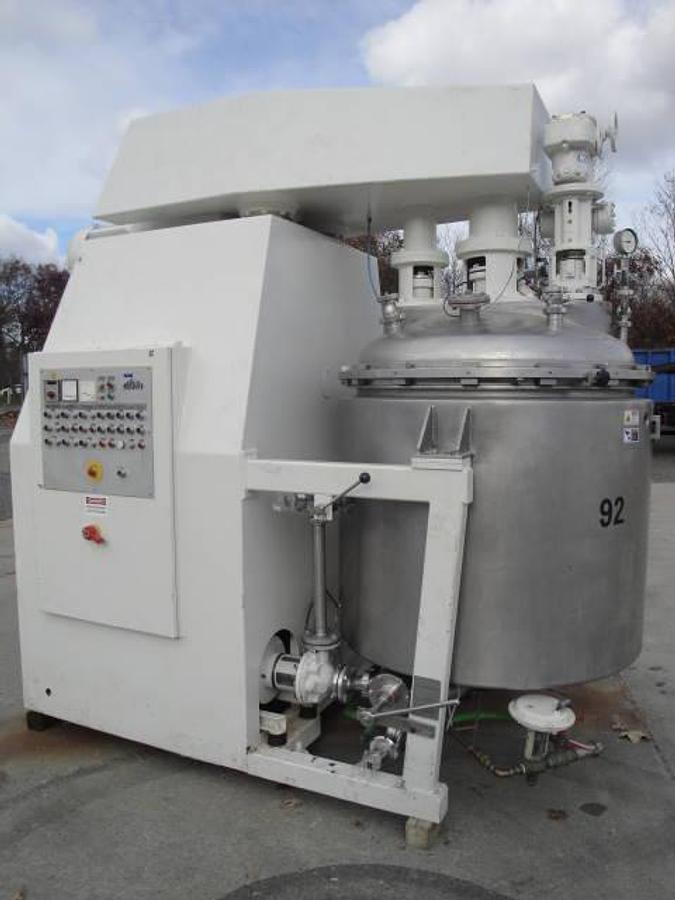
Waldner produces a fairly broad range of process equipment, and the used market reflects that variety. Buyers searching for pre-owned Waldner machinery will typically encounter mixing and homogenizing vessels (such as stainless steel vacuum process vessels in capacities like 1,000 liters), filling and closing machines, tray sealing systems, and laboratory furniture systems. The DOSOMAT line of filling and closing machines is among the most frequently searched Waldner product categories, particularly among pharmaceutical and cosmetic manufacturers looking for precision dosing equipment at a lower acquisition cost than buying direct.
Beyond filling equipment, Waldner has a well-established presence in sterile and aseptic process line configurations, which means used dealers occasionally list complete or partial production lines in addition to standalone machines. Buyers sourcing equipment for food processing, pharmaceutical manufacturing, or laboratory environments will find that Waldner's product range covers a meaningful portion of the production workflow, from mixing and processing through to final filling and sealing. Availability on the used market fluctuates based on facility upgrades, production line changes, and plant closures, so checking with specialized dealers regularly is the best way to find specific models.
What industries use Waldner process equipment?
Waldner has built its reputation primarily across three sectors: pharmaceutical and biotech manufacturing, food and beverage processing, and laboratory environments. In pharmaceutical production, Waldner equipment is particularly valued for its compliance with GMP (Good Manufacturing Practice) standards and FDA regulations, making it a practical fit for sterile filling lines, aseptic processing, and other regulated production environments. The food industry uses Waldner tray sealing and filling systems extensively, particularly for portioned and packaged products requiring consistent, hygienic sealing.
Laboratory applications represent a third significant market, where Waldner is known for modular laboratory furniture and fume cupboard systems built to meet European and international safety standards. Cosmetic manufacturers also make up a notable portion of Waldner equipment users, especially for filling and closing applications where precision dosing and contamination control matter. Because Waldner equipment is engineered for regulated, high-hygiene environments, it tends to hold its value well on the secondary market, and buyers from any of these industries can generally expect the machines to have been operated under disciplined maintenance regimes.
What should buyers know about purchasing used Waldner process equipment compared to buying direct from the manufacturer?
Buying used Waldner process equipment offers a meaningful cost advantage over purchasing directly from the manufacturer, which is the primary reason many buyers turn to the secondary market. For capital-constrained operations, or for facilities that need a machine quickly without the lead times associated with custom-configured equipment orders, used machinery can be a practical and economical path. Waldner equipment is known for its long service life and durable German engineering, which means machines that are several years old can still perform reliably in production environments when properly maintained and inspected before purchase.
The trade-off is that used equipment is sold as-is, without the manufacturer support structure that comes with a direct purchase. Buyers should factor in the cost of any refurbishment, spare parts, or integration work needed to bring a machine into their specific production line. It is worth contacting Waldner directly before completing a purchase to understand what level of technical support, documentation, and parts availability exists for the specific model and age of machine being considered. Older models may have limited parts availability, while more recent machines are more likely to have active manufacturer support. Selecting a used equipment dealer who specializes in pharmaceutical or food processing machinery adds an important layer of confidence to the transaction.
Does used Waldner equipment still comply with GMP, FDA, or EU regulatory standards?
Waldner designs its process equipment to meet stringent international standards, including GMP requirements, FDA regulations for pharmaceutical manufacturing, and applicable EU directives. When a machine leaves the factory, it is built to satisfy these requirements. However, compliance on a used machine is not automatic. Whether a specific pre-owned Waldner unit still meets current regulatory standards depends on its condition, any modifications made during its operational life, how it was maintained, and whether the relevant documentation (validation records, calibration logs, maintenance histories) has been preserved and transferred with the machine.
Buyers purchasing used Waldner equipment for regulated industries should treat qualification and validation as a necessary step after acquisition, not an assumption. This typically involves an Installation Qualification (IQ), Operational Qualification (OQ), and where relevant, a Performance Qualification (PQ). Requesting all available documentation from the seller is essential, as complete records can significantly reduce the time and cost of re-validation. Consulting with a process validation specialist before finalizing a purchase is a sound practice, particularly for sterile or aseptic applications where regulatory scrutiny is highest.
What is the Waldner DOSOMAT, and why is it frequently searched on the used equipment market?
The Waldner DOSOMAT is a line of filling and closing machines designed for the pharmaceutical and cosmetic industries. These machines handle the dosing and sealing of a wide range of container formats, including vials, ampoules, bottles, and tubes, with a focus on precision, hygiene, and compliance with pharmaceutical manufacturing standards. The DOSOMAT line is engineered for sterile and aseptic filling environments, which makes it a critical piece of infrastructure for manufacturers producing injectable drugs, eye drops, topical treatments, and similar products.
The reason DOSOMAT machines appear frequently in used equipment searches is straightforward: they are expensive to purchase from the manufacturer, they have long operational lives, and there is consistent demand from pharmaceutical and cosmetic producers who need filling capability without the capital outlay of a new machine. A well-maintained used DOSOMAT can serve a facility reliably for many years, particularly if the buyer invests in a thorough inspection and any necessary servicing before commissioning. Buyers should verify the specific model configuration, filling volume range, container compatibility, and available documentation when evaluating a used DOSOMAT unit.
How should buyers inspect used Waldner process equipment before purchasing?
Inspection is one of the most important steps in any used equipment purchase, and Waldner machinery is no exception. Reputable used equipment dealers will typically accommodate in-person inspections at their facility, or arrange virtual inspections via video call or recorded video walkthrough of the machine. In some cases, equipment may still be installed at the facility where it was last used, in which case the dealer can coordinate access for the buyer to view the machine in its operational context, whether it is still running in production or has been decommissioned.
Buyers should use the inspection to assess the physical condition of the machine, including the state of seals, gaskets, contact surfaces, control systems, and any wear components specific to the machine type. For mixing vessels and process equipment, checking the integrity of the stainless steel surfaces, valve assemblies, and agitator mechanisms is particularly important. For filling and closing machines, the dosing heads, closing mechanisms, and conveyor systems deserve close attention. Keep in mind that most used equipment dealers are not set up to run full production trials, as that would require permitting and product handling capabilities beyond a typical dealer's scope. The inspection is therefore focused on mechanical condition and completeness rather than live production testing. Buyers with specific technical requirements should consider bringing a qualified equipment engineer to the inspection.
Are spare parts and replacement components available for used Waldner equipment?
Parts availability for used Waldner equipment depends largely on the age and model of the machine. Waldner is a well-established German manufacturer with a long history in pharmaceutical and food processing equipment, and for many of its product lines, the company continues to support machines that have been in service for a decade or more. That said, parts availability is not guaranteed for every model, and older or discontinued configurations may present challenges. Before committing to a purchase, buyers should contact Waldner directly to confirm what support and parts supply exists for the specific machine they are evaluating.
In addition to manufacturer-sourced parts, the aftermarket for Waldner components includes third-party suppliers who manufacture compatible parts for common wear items such as seals, gaskets, dosing components, and conveyor elements. For pharmaceutical-grade equipment, buyers should be cautious about using non-OEM components in applications where material certifications and traceability are required for regulatory compliance. Establishing a relationship with a qualified service technician who has experience with Waldner equipment is a practical way to manage ongoing maintenance and parts sourcing after the machine is in service.
What does a stainless steel mixing and homogenizing vacuum process vessel do, and what industries use them?
A stainless steel mixing and homogenizing vacuum process vessel is a closed, pressure-controlled tank designed to blend, emulsify, or homogenize liquid and semi-liquid materials under vacuum conditions. The vacuum environment serves several purposes: it prevents oxidation of sensitive ingredients, eliminates air bubbles from the product, and allows processing at lower temperatures than would be required in open-air systems. These vessels are typically equipped with agitator systems (which may include anchor, paddle, or high-shear homogenizer configurations), heating and cooling jackets, and ports for ingredient addition, sampling, and discharge.
The industries that rely on this type of equipment include pharmaceutical manufacturing (for creams, ointments, gels, and suspensions), cosmetics production (for lotions, serums, and emulsified products), food processing (for sauces, dressings, and dairy products), and chemical processing. A 1,000-liter capacity vessel, for example, is well-suited for mid-scale production batches where consistent product quality and hygiene are critical. On the used market, these vessels are valued for their durability, as stainless steel construction resists corrosion and is compatible with CIP (clean-in-place) and SIP (sterilize-in-place) protocols that regulated industries require.
What are typical shipping and logistics considerations when buying used Waldner process equipment?
Shipping used process equipment like Waldner vessels and filling machines involves more logistical planning than standard freight. The weight, size, and fragility of these machines mean that proper packaging is critical to preventing damage in transit. Depending on the machine, this can range from standard palletization with protective wrapping to full custom crating for larger or more complex units. Buyers should ask the dealer specifically what packaging will be used and whether crating costs are included in the quoted price or billed separately, as this can meaningfully affect the total landed cost.
Larger machines, such as multi-hundred-liter process vessels or complete filling lines, will typically require professional rigging for loading and unloading. This involves specialized equipment like forklifts, cranes, or hydraulic skates, and the cost of rigging at both the origin and destination should be factored into the budget before purchase. International shipments add customs documentation, import duties, and potentially additional compliance requirements depending on the destination country. Buyers should request a full breakdown of packaging, rigging, freight, and any applicable import costs from the dealer before finalizing the transaction, so there are no surprises when the machine arrives.
What payment terms should buyers expect when purchasing used Waldner process equipment?
Used equipment dealers generally require full payment before a machine is released for shipment. This is standard practice across the industry and reflects the nature of the secondary equipment market, where dealers carry inventory risk and cannot hold machines indefinitely against unpaid orders. Payment is typically made by wire transfer, though some dealers may accept other forms of business payment. Buyers should clarify accepted payment methods and the exact timing of payment relative to shipment when negotiating a purchase.
For buyers with an established purchasing history with a particular dealer, some flexibility on payment terms may be available, but this is the exception rather than the rule for first-time transactions. It is also worth confirming whether the quoted price is inclusive of any applicable taxes, export documentation fees, or other administrative costs, as these can vary depending on the buyer's location and the nature of the transaction. Taking the time to understand the full payment and release process before signing a purchase agreement helps avoid delays and misunderstandings once the transaction is underway.