Category
Manufacturer
Model
Vulcatherm
Vulcatherm is known for its advanced thermal processing equipment, primarily serving the food and beverage industries. Their machines are widely used for pasteurization and sterilization, ensuring product safety and quality.
FAQ:
What is Vulcatherm thermal processing equipment used for?
Vulcatherm thermal processing equipment is designed for precise industrial temperature control, most commonly applied in pasteurization, sterilization, and heat transfer processes across manufacturing environments. The systems use thermal oil or hot water as a heat transfer medium, which allows for uniform, controlled heating that is difficult to achieve with direct heating methods. This makes them particularly well-suited for applications where consistent temperatures are critical to product quality or process safety.
In the food and beverage industry, Vulcatherm units are widely used to ensure products meet safety standards during pasteurization and sterilization. Beyond food processing, the equipment sees regular use in plastics, rubber, pharmaceuticals, chemicals, and textiles, where maintaining tight temperature tolerances directly affects product integrity and production efficiency. Temperature control units and electric boilers are among the most commonly traded Vulcatherm configurations on the used equipment market.
What industries use Vulcatherm equipment?
Vulcatherm equipment serves a broad range of industries that share one common requirement: precise, reliable temperature control throughout a production process. The food and beverage sector is among the most prominent users, relying on Vulcatherm systems for pasteurization and sterilization to meet food safety regulations. Pharmaceutical manufacturers use similar thermal processing equipment to maintain the strict temperature conditions required during drug production and ingredient processing.
Beyond those sectors, Vulcatherm units are found in plastics and rubber manufacturing, where mold temperature control directly affects part quality and cycle times. Chemical processing facilities use them to manage exothermic and endothermic reactions safely. Textile operations also apply thermal processing equipment for dyeing, finishing, and drying processes. This cross-industry applicability is one reason used Vulcatherm equipment retains strong demand, as a well-maintained unit can often be repurposed across different production environments with relatively modest modifications.
What should buyers evaluate when purchasing used Vulcatherm equipment?
Buying used Vulcatherm thermal processing equipment requires a more hands-on evaluation process than purchasing from a manufacturer. The most important starting points are the machine's heating capacity (typically measured in kW), its temperature range, pump flow rate, and the condition of the control system. Buyers should verify that overtemperature protection and other safety features are functioning correctly, since these components are critical in any thermal processing environment. Checking for signs of thermal oil degradation, scale buildup, or pump wear can also reveal how well the unit was maintained during its service life.
Integration compatibility is another major consideration. Buyers need to confirm that the unit's connections, voltage requirements, and control interfaces are compatible with their existing production lines before committing to a purchase. Requesting an in-person or video inspection from the dealer is strongly recommended, as it provides a realistic view of the machine's current condition. Reputable used equipment dealers who specialize in industrial processing machinery will typically accommodate inspection requests and can provide documentation on the unit's specifications. Consulting with Vulcatherm or the manufacturer directly is also worth doing, as the age and model of a unit can affect the availability of spare parts and technical support going forward.
Are used Vulcatherm machines inspected before sale?
Reputable used equipment dealers typically offer buyers the opportunity to inspect machinery before purchase, either in person, through a live video call, or via recorded video of the equipment. The goal of any inspection is to get an accurate picture of the machine's current working condition, including the state of mechanical components, control systems, and any visible wear. Some Vulcatherm units available on the used market may still be in active production at a facility, in which case the dealer can often arrange an inspection at the plant itself.
It's worth understanding that most used equipment dealers are not set up to run full production tests, since operating thermal processing equipment at production capacity requires specific permitting and facility infrastructure that a dealer's warehouse typically does not have. What inspections can realistically cover includes visual condition, electrical checks, control system functionality, and confirmation of key specifications. Buyers should ask detailed questions about what the inspection will include and request as much documentation as possible, including any service records if they are available. Selecting a dealer with a long track record in industrial processing equipment is one of the best ways to ensure the inspection process is handled thoroughly and honestly.
What types of Vulcatherm equipment are available on the used market?
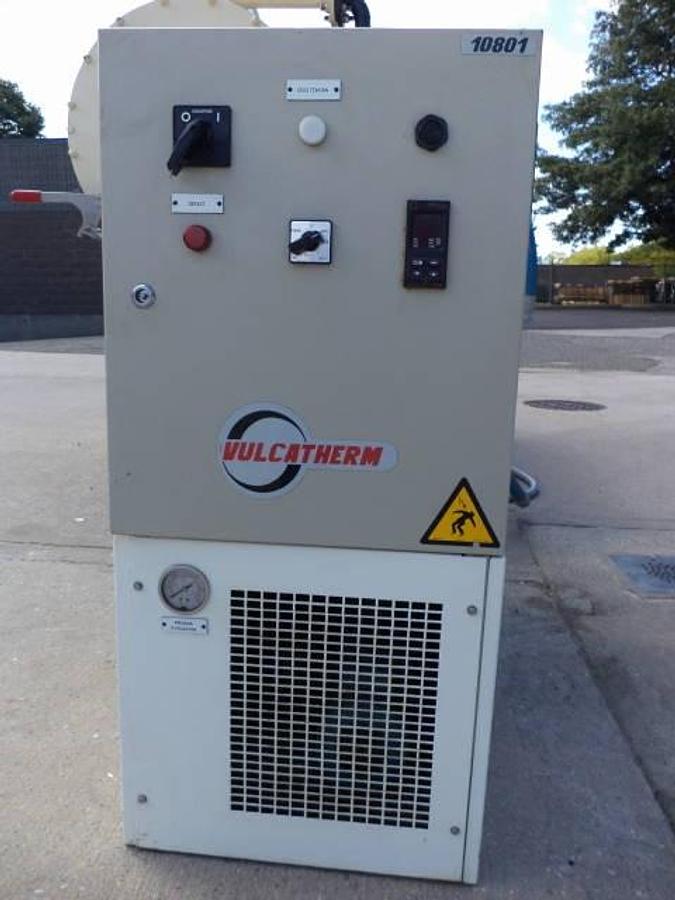
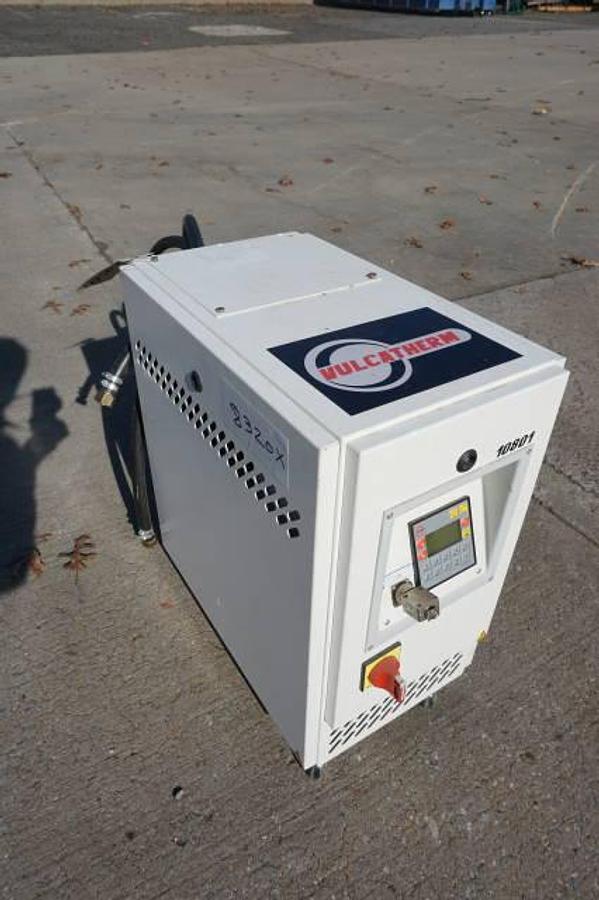
The used market for Vulcatherm equipment most commonly includes temperature control units and electric boilers, which are the core product lines the brand is known for. Temperature control units are used to regulate and maintain precise process temperatures in manufacturing applications, circulating thermal oil or hot water through connected machinery. Electric boilers, such as the 400-volt configurations that appear in used equipment listings, provide the heat source for steam or hot water systems in food processing, chemical, and industrial environments.
Availability on the used market fluctuates based on facility upgrades, plant closures, and production changes across industries. Because Vulcatherm equipment is built for industrial-grade use, units that have been properly maintained often have considerable service life remaining when they enter the secondary market. Buyers looking for specific models or configurations should work with dealers who specialize in thermal processing or food and beverage equipment, as they are more likely to have relevant inventory and the technical knowledge to match a buyer's application requirements to the right machine.
What temperature ranges can Vulcatherm thermal processing systems achieve?
Vulcatherm temperature control units are designed for industrial-grade thermal processing, and the achievable temperature range depends on the specific model and the heat transfer medium being used. Systems that circulate thermal oil can typically reach significantly higher temperatures than hot water systems, with some industrial thermal oil units capable of operating well above 300 degrees Celsius. Hot water-based systems generally operate at lower temperature ranges suited to food processing and pharmaceutical applications where more moderate heat levels are required.
When evaluating a used Vulcatherm unit, buyers should confirm the rated temperature range for that specific model and verify whether the control system is calibrated accurately. Over time, temperature sensors and controllers can drift, which affects process consistency. Asking the dealer for the unit's original specifications and comparing them against the machine's current performance during inspection is a practical way to assess whether the system is still operating within its designed parameters. For applications with tight temperature tolerances, having the unit independently assessed by a qualified technician before installation is a sensible step.
How does thermal oil heating compare to steam or electric direct heating in industrial processing?
Thermal oil heating systems, like those used in many Vulcatherm configurations, offer several practical advantages over steam or direct electric heating in industrial applications. The most significant is the ability to reach high process temperatures without the high pressures associated with steam systems. Steam requires pressure vessels and the associated safety infrastructure, while thermal oil systems can operate at atmospheric or low pressure even at elevated temperatures. This reduces infrastructure complexity and can lower installation costs in facilities that are not already equipped for high-pressure steam.
Uniform heat distribution is another advantage. Thermal oil circulates continuously through the system and connected equipment, delivering consistent temperatures across the entire process surface rather than relying on localized heating elements. This is particularly valuable in food processing and chemical manufacturing, where hot spots can damage product quality or create safety risks. The tradeoff is that thermal oil systems require monitoring of oil condition over time, as degraded oil loses heat transfer efficiency and can create maintenance issues. When buying used thermal oil equipment, checking the condition of the oil and the heat exchanger surfaces should be part of any pre-purchase inspection.
What are typical payment terms when buying used industrial thermal processing equipment?
Most used equipment dealers require full payment before a machine is shipped. This is standard practice across the industry and reflects the nature of used equipment transactions, where the dealer needs to confirm funds before arranging logistics for large, heavy machinery. Some dealers may offer payment terms to established customers with a history of repeat purchases, but buyers approaching a dealer for the first time should generally expect to pay in full upfront.
Before making payment, buyers should ensure they have completed any inspections they want to conduct and have a clear understanding of all costs involved, including the purchase price, any rigging or loading fees, packaging or crating charges, and freight to the destination. These additional costs can be substantial for large industrial equipment and should be factored into the total budget from the start. Asking the dealer for a complete landed cost estimate before committing to a purchase is the most straightforward way to avoid surprises.
What should buyers know about shipping used Vulcatherm equipment?
Shipping industrial thermal processing equipment involves more logistical complexity than shipping standard freight. Vulcatherm temperature control units and electric boilers are heavy, precision machines that require proper packaging to prevent damage in transit. Depending on the size and weight of the unit, this may mean palletization with adequate blocking and bracing, or full wooden crating for larger or more fragile configurations. The level of packaging required will affect shipping costs, and buyers should ask the dealer specifically what packaging will be used and what that includes.
Larger units may also require professional rigging for loading at the dealer's facility and unloading at the buyer's location. Rigging services involve specialized equipment such as forklifts, cranes, or skidsteers, and the cost is typically separate from freight charges. Buyers should confirm whether rigging is included in any shipping quote or whether it will be billed additionally. Getting a fully itemized shipping cost before finalizing the purchase is the best way to understand the true landed cost of the equipment and plan for the receiving process at the destination facility.
How can buyers assess parts and support availability for a used Vulcatherm unit?
Parts and support availability for used Vulcatherm equipment depends largely on the age and model of the specific unit. Older or discontinued models may have limited manufacturer support, while more recent configurations are more likely to have spare parts still in production. Before purchasing, it is worth contacting Vulcatherm or the manufacturer directly to ask about parts availability for the specific model under consideration. Manufacturers can often confirm whether replacement components such as pumps, heating elements, sensors, and control boards are still stocked or can be sourced, which is important information for long-term maintenance planning.
Used equipment dealers who specialize in thermal processing or food and beverage machinery are also a useful resource, as they may carry spare parts inventory or have established relationships with suppliers who can source components for older equipment. Third-party industrial parts suppliers and machine shops can sometimes fabricate or supply compatible components for common wear items even when manufacturer support is limited. Factoring potential parts sourcing complexity into the purchase decision is a practical step, particularly for buyers who will be relying on the equipment for continuous production.