Category
Manufacturer
Model
Vitaline
Vitaline specializes in producing equipment for the food and beverage industry, particularly for liquid food processing. Their machines are known for their efficiency in blending, mixing, and packaging various liquid products.
FAQ:
What types of ice cream equipment does Vitaline manufacture?
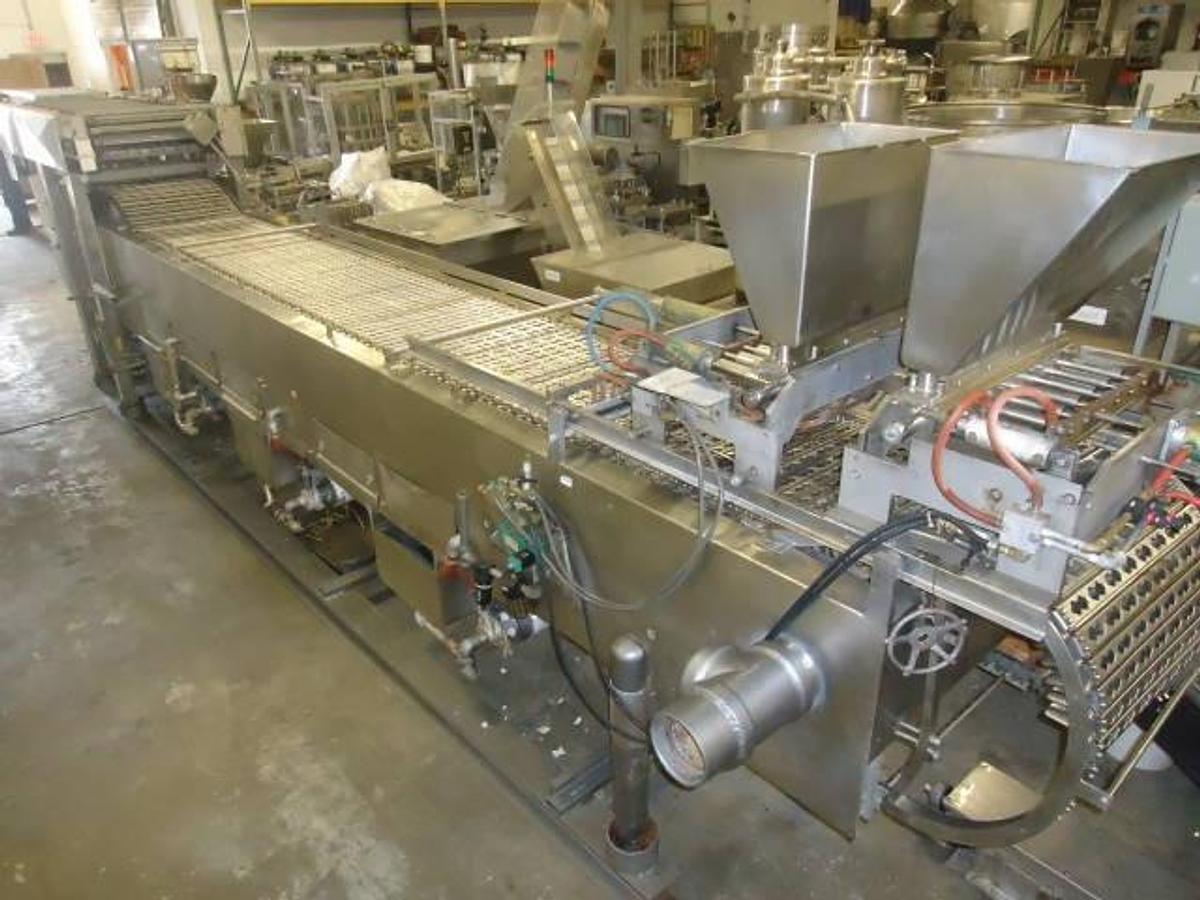
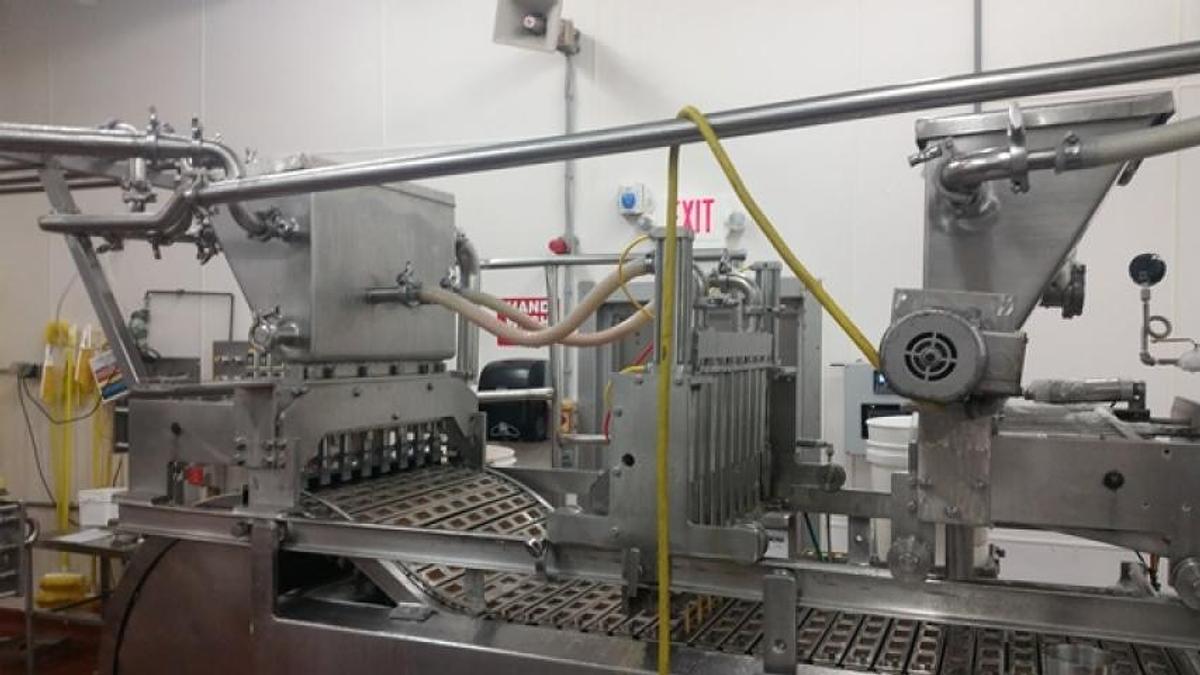
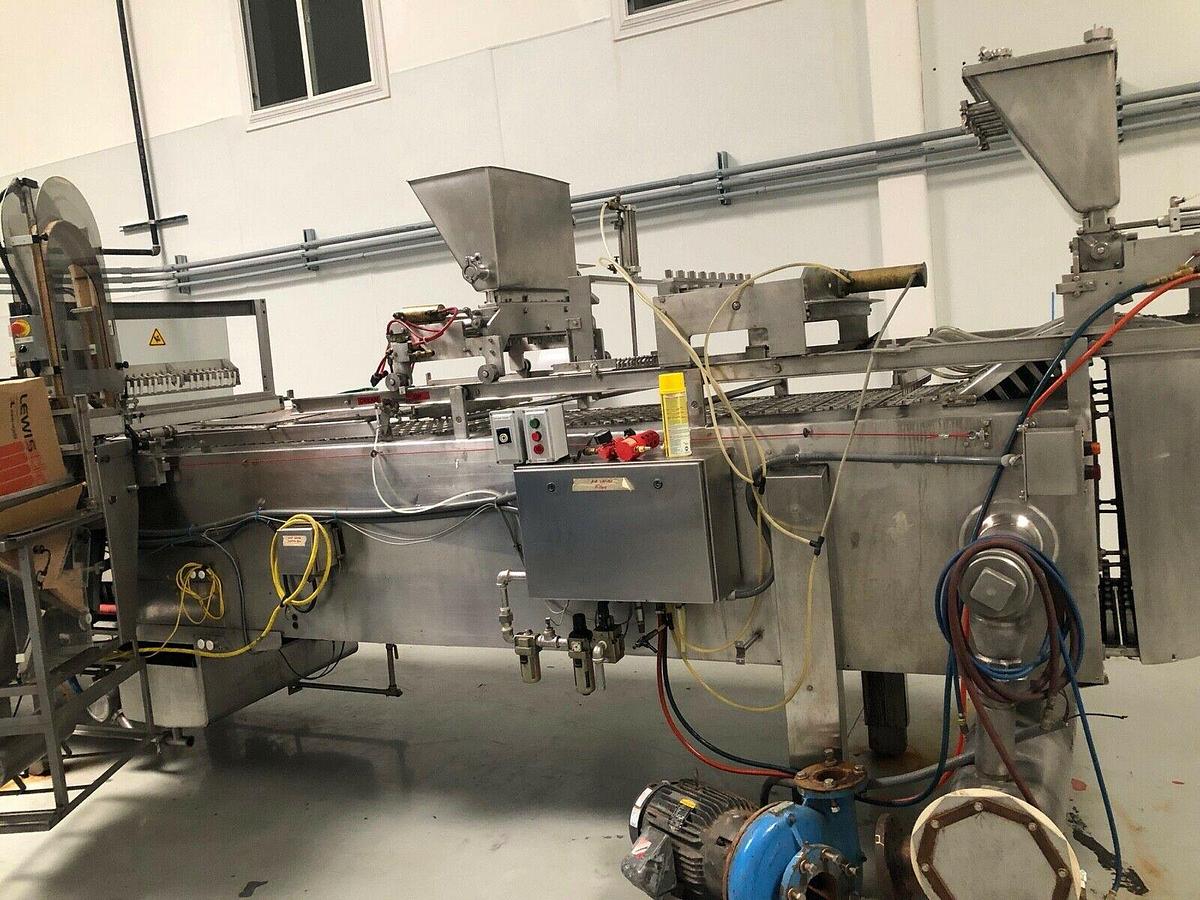
Vitaline focuses on food and beverage processing equipment, with a particular specialization in liquid food processing machinery. Within the ice cream and frozen novelty segment, the brand is best known for stick novelty lines and ice cream bar machines. These are industrial-scale systems designed for high-volume production of individually portioned frozen treats on sticks, complete with wrapping and packaging capabilities.
Specific models that appear on the used equipment market include the Vita Line 8 Wide Ice Cream Bar Machine, the Eight Lane Stick Novelty Line with Wrapper, and variations of that eight-lane configuration that include additional hoppers for expanded production flexibility. The eight-lane design means the machine can produce eight bars or novelties simultaneously per cycle, which significantly increases throughput compared to smaller-format machines. These are not countertop or small-batch units. They are floor-standing production lines built for commercial manufacturing environments.
Is Vitaline ice cream equipment designed for commercial or home use?
Vitaline ice cream equipment is strictly commercial and industrial in scale. The machines are built for food manufacturing facilities, co-packers, and high-volume frozen novelty producers, not for home kitchens or small foodservice countertop applications. An eight-lane stick novelty line, for example, requires significant floor space, three-phase electrical service in most cases, and a production environment that meets food safety permitting requirements.
Buyers considering this type of equipment are typically frozen novelty manufacturers, private-label ice cream producers, or established food businesses looking to bring stick bar production in-house. Startup operators should carefully assess their facility requirements, electrical infrastructure, and production volume targets before purchasing a machine of this scale. The operational complexity and footprint of these systems makes them unsuitable for anything short of a dedicated production setting.
What should buyers know about purchasing used Vitaline ice cream equipment?
Used Vitaline machines are sold on the secondary market by equipment dealers who acquire them from food manufacturers that have upgraded, consolidated, or closed operations. Because these are pre-owned machines rather than factory-direct units, the condition, age, and service history of each individual machine can vary considerably. Buyers should treat each listing as its own evaluation rather than assuming uniformity across models with the same name.
The most important step a buyer can take is requesting a thorough inspection before committing to a purchase. Reputable used equipment dealers will typically accommodate in-person visits, video walkthroughs, or detailed photo documentation of the machine's current condition. Some machines may still be installed and running at a production facility, which offers the best opportunity to observe the equipment in operation. Buyers should also contact the manufacturer directly to ask about parts availability and technical support for the specific model and production year in question, since older models may have limited service resources available.
What does 'refurbished' mean when applied to used ice cream equipment?
When a used ice cream machine is listed as refurbished, it generally means the equipment has undergone some level of inspection, cleaning, and mechanical servicing beyond simply being wiped down and photographed. In practice, refurbishment can range from replacing worn seals and belts to more involved work on refrigeration components, electrical systems, or the forming molds themselves. The scope of work varies by dealer and should always be clarified before purchase.
It is worth noting that refurbishment by a used equipment dealer is different from a factory rebuild or a manufacturer-certified reconditioning program. Buyers should ask the dealer specifically what was done during the refurbishment process, which components were replaced, and whether any documentation of that work exists. A machine described as refurbished should at minimum have been inspected for obvious mechanical issues and cleaned to a standard appropriate for food processing equipment. Getting those details in writing protects the buyer and sets clear expectations about the machine's starting condition.
What is the production capacity of a Vitaline eight-lane stick novelty line?
An eight-lane stick novelty line is designed for continuous, high-volume frozen bar production. The eight-lane configuration means eight individual molds or cavities are filled and processed simultaneously during each production cycle. Depending on cycle time, product formulation, and freezing requirements, machines of this type can produce thousands of bars per hour in a well-optimized production run.
Actual output figures depend on several variables including the size of the individual bars, the mix temperature going into the molds, the ambient temperature of the production environment, and the speed settings the operator uses. Buyers should request specific throughput data from the dealer for the particular machine they are evaluating, and if possible, review any available production records from the previous owner. Comparing the machine's rated capacity against the buyer's projected production volume is a critical step before purchase, since running a large-format machine at a fraction of its capacity is inefficient from both an energy and labor standpoint.
Are replacement parts available for used Vitaline ice cream machines?
Parts availability is one of the most important practical considerations when buying any used commercial food equipment, and Vitaline is no exception. Before purchasing, buyers should contact the manufacturer directly to ask whether parts are still stocked or available to order for the specific model and approximate production year of the machine they are considering. Older or discontinued models may have limited factory support, which means buyers would need to rely on third-party fabrication, aftermarket suppliers, or cannibalized parts from other machines.
Dealing with a used equipment specialist who has experience in food processing machinery can be a significant advantage here. Established dealers often have knowledge of which parts are commonly needed, whether they have spares in stock, and which local or regional service technicians are familiar with the equipment. Buyers should also inspect wear items such as mold seals, conveyor components, and wrapper mechanisms closely during any pre-purchase inspection, since these are the parts most likely to need attention first. Factoring in the cost and lead time for likely replacement parts is a smart part of calculating the true total cost of ownership.
What certifications should buyers look for on commercial ice cream equipment?
Commercial ice cream and frozen novelty equipment intended for use in a food production environment is typically expected to meet certain safety and sanitation standards. The most commonly referenced certifications in North American markets include NSF (National Sanitation Foundation) certification, which confirms that a machine's materials and design meet food safety and cleanability standards, and UL or ETL listings for electrical safety. In European and international markets, CE marking is the standard indicator of compliance with health, safety, and environmental directives.
For used equipment, buyers should verify whether the machine carried these certifications when it was manufactured, and whether those certifications are still relevant given the machine's current condition. Local health departments and food safety inspectors may require documentation of certification before approving a facility for production. Buyers should check with their local regulatory authority early in the purchasing process to understand exactly what will be required for their specific production setting, rather than assuming a used machine will automatically pass inspection without review.
What voltage and power requirements should buyers verify before purchasing a used ice cream production line?
Large-format ice cream production lines like an eight-lane stick novelty system typically require three-phase electrical power, which is standard in industrial facilities but not always available in smaller commercial spaces or buildings that have not previously housed manufacturing operations. The specific voltage requirements, amperage draw, and phase configuration vary by machine, and buyers must confirm these specifications against what their facility can actually deliver before purchasing.
Beyond the electrical supply, buyers should also assess the compressed air requirements if the machine uses pneumatic components for wrapping or ejection, the water supply and drainage needs for the refrigeration system, and the floor load capacity if the machine is particularly heavy. These infrastructure questions are easy to overlook when evaluating the machine itself, but discovering a mismatch after delivery can result in significant added costs for electrical upgrades or facility modifications. Asking the dealer for a full utilities specification sheet for the machine is a reasonable and standard request.
How does the shipping and delivery process work for large used ice cream equipment?
Shipping a commercial ice cream production line is a logistically involved process that goes well beyond standard freight. Machines of this size and weight typically need to be properly secured to heavy-duty pallets or enclosed in custom crates to prevent damage during transit. The level of packaging required, and therefore the cost, depends on the machine's dimensions, weight, fragility of components, and the distance being shipped. Buyers should ask the dealer for a detailed breakdown of packaging, rigging, and freight costs upfront to understand the full landed cost of the equipment.
Loading at the origin and unloading at the destination often require a forklift or crane, and in some cases specialized rigging services. These are typically additional costs that the buyer is responsible for arranging on their end. For international shipments, customs documentation, import duties, and compliance with destination-country import regulations add further complexity. Buyers should confirm with the dealer exactly what is included in any quoted shipping cost and what arrangements need to be made independently, so there are no surprises when the machine arrives.
What payment terms are typical when buying used commercial food equipment?
The standard practice among used equipment dealers is to require full payment before a machine is released for shipping. This applies whether the buyer is purchasing domestically or internationally. The reasoning is straightforward: once a large piece of machinery leaves the dealer's facility, the transaction is effectively complete from the seller's standpoint, and recovering an unpaid machine from a buyer's location is impractical.
Payment methods commonly accepted include wire transfer, which is the most typical for transactions of this size, as well as other forms of verified funds. Some dealers may extend payment terms to established customers with a prior purchase history, but first-time buyers should expect to pay in full before shipment is arranged. Buyers should also factor in any applicable sales tax, import duties, or other transaction-related costs when budgeting for a purchase. Getting a written invoice that itemizes the equipment price, any refurbishment costs, and shipping charges separately is good practice for both accounting and dispute-prevention purposes.