Category
Manufacturer
Model
Virtis
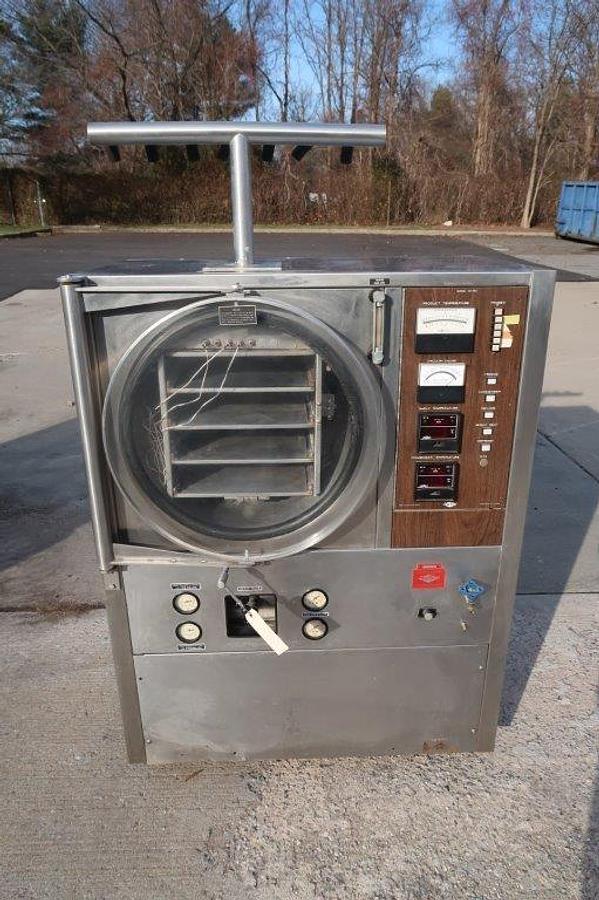
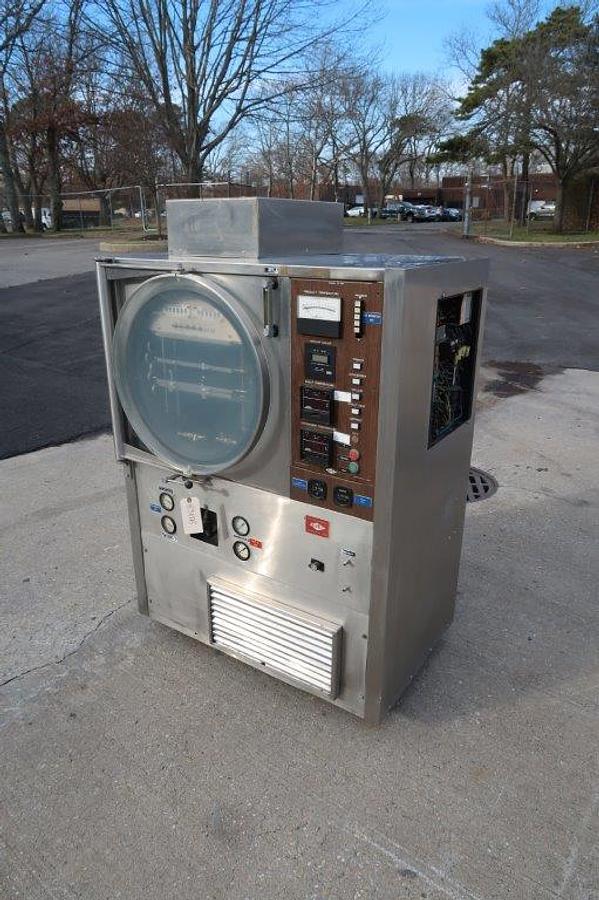
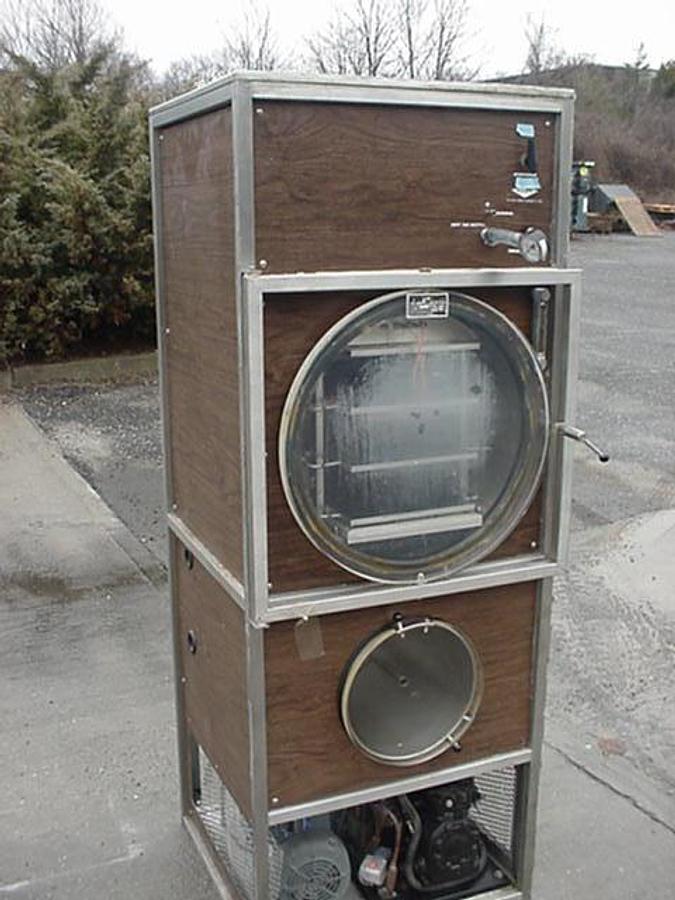
Virtis is recognized for its freeze-drying technology, primarily serving the pharmaceutical and food industries. Their equipment helps preserve product integrity and stability during the drying process.
FAQ:
What industries are Virtis freeze dryers best suited for?
Virtis freeze dryers have a strong track record in pharmaceutical manufacturing and life sciences research, where preserving the biological activity and chemical stability of sensitive compounds is critical. The Genesis and Advantage series in particular are well regarded for pharmaceutical applications because they offer precise shelf temperature control and the kind of process documentation capabilities that support validation requirements. Beyond pharma, these machines are also used in food processing, nutraceuticals, and academic or government research labs where long-term sample preservation matters.
The core appeal across all these industries is the same: freeze drying removes moisture through sublimation rather than heat, which protects heat-sensitive materials from degradation. Virtis equipment was engineered with that precision in mind, and the brand built its reputation over decades in settings where product integrity is non-negotiable. Buyers sourcing used Virtis units for pharmaceutical or research use should verify the specific model's capabilities against their process requirements, since condenser temperature range and shelf control specs vary meaningfully across the product line.
What is the difference between a Virtis BenchTop and a Virtis Genesis freeze dryer?
The BenchTop series is designed for smaller-scale laboratory work, typically handling vials, flasks, or trays in modest quantities. These units are compact, self-contained, and well suited to research environments where bench space is limited and throughput demands are relatively low. They are a practical choice for academic labs, small-scale R&D, and pilot testing of freeze-drying cycles before scaling up to production.
The Genesis series sits at the higher end of the Virtis product line and is built for more demanding applications. It features controlled shelf temperature ramping, which allows users to program precise freeze and drying cycles rather than simply running a fixed process. This level of control is important for pharmaceutical development and any application where cycle optimization and reproducibility are required. Genesis units are larger, more complex, and typically command higher prices on the used market. Buyers should also be aware that Virtis was acquired by SP Scientific, so some Genesis units may be listed under either brand name depending on when they were manufactured.
What condenser temperatures and vacuum levels do Virtis freeze dryers typically achieve?
Condenser temperature is one of the most important specifications to evaluate when selecting a freeze dryer, because it determines which products can be dried effectively. Virtis units span a wide range depending on the model. Standard laboratory models typically reach condenser temperatures around -55°C to -75°C, which is adequate for aqueous-based pharmaceutical formulations and most food or biological samples. Higher-performance models, including certain Genesis configurations, can achieve condenser temperatures down to around -105°C, which is necessary for drying products that contain residual solvents or materials with very low eutectic points.
Vacuum performance is the other critical variable. Virtis freeze dryers are engineered to pull deep vacuum levels, generally in the range of 100 millitorr or lower, which is required to drive sublimation efficiently at low temperatures. When evaluating a used Virtis unit, buyers should ask about the current condition of the vacuum pump and the integrity of the seals and gaskets, since these components degrade over time and directly affect the machine's ability to reach and hold the vacuum levels the system was originally rated for.
What are the most common Virtis freeze dryer models found on the used equipment market?
The models that appear most frequently on the secondary market include the BenchTop Pro, Genesis, Advantage, and Wizard series. The BenchTop Pro is popular among research labs because it is compact and relatively straightforward to operate, making it a practical used buy for institutions that need reliable small-scale lyophilization without the complexity of a full production system. The Advantage series occupies a middle ground, offering more capacity than a benchtop unit while remaining manageable for pilot-scale or mid-volume research applications.
The Genesis series is the most sophisticated of the group and tends to attract buyers from pharmaceutical development and contract research organizations. These units support programmed freeze-drying cycles and are built to handle the documentation and process control expectations of regulated environments. The Wizard series is a simpler, more entry-level option that shows up occasionally in academic surplus sales. Because Virtis was acquired by SP Scientific, buyers may encounter units listed under either name, and it is worth confirming the original manufacturer branding when reviewing specifications or seeking parts.
What should buyers inspect when purchasing a used Virtis freeze dryer?
A thorough inspection of a used Virtis freeze dryer should cover several key systems. The vacuum pump is a primary concern since it experiences significant wear over time and is expensive to replace. Buyers should ask about pump hours, oil condition, and whether the unit can still achieve the vacuum levels specified for the model. The condenser coils and refrigeration system should also be checked for signs of contamination, corrosion, or refrigerant loss, as these issues can affect the machine's ability to reach target condenser temperatures. Shelf systems on larger models like the Genesis should be tested for uniform temperature distribution and hydraulic or pneumatic function if stoppering capability is included.
Reputable used equipment dealers will typically accommodate in-person or video inspections of their machines. For units that are still installed at a production facility, it may be possible to arrange an inspection while the equipment is operational, giving buyers a clearer picture of actual working condition. Keep in mind that most equipment dealers are not set up to run actual product through a machine during an inspection, since that would require production permitting they generally do not hold. Buyers should also consult with SP Scientific (the current successor to Virtis) to understand what level of technical support and parts availability to expect for the specific model and age of the unit they are considering.
Can a used Virtis freeze dryer be used for pharmaceutical or cGMP applications?
Used Virtis freeze dryers, particularly the Genesis and Advantage series, were originally designed with pharmaceutical and regulated research applications in mind. These models include features like programmable shelf temperature control, data logging, and in some configurations, stoppering capability, all of which are relevant to pharmaceutical development workflows. Whether a used unit can be deployed in a cGMP environment depends less on the machine's brand and more on the buyer's qualification process and the current condition of the equipment.
In regulated pharmaceutical settings, equipment must be qualified before use, which involves installation qualification (IQ), operational qualification (OQ), and often performance qualification (PQ). A used machine will require requalification regardless of its history, and buyers should factor in the cost and effort of that process. It is also worth contacting SP Scientific directly to determine whether the specific model is still supported with parts and technical documentation, since older units may have limited manufacturer support, which can complicate validation efforts. Buyers with strict cGMP requirements should work with a qualified validation specialist alongside their equipment purchase decision.
What sizes and capacities are available for used Virtis freeze dryers?
Virtis produced freeze dryers across a broad size range, from compact benchtop units intended for small laboratory samples up to pilot and production-scale systems with multiple shelves and significant shelf area. Benchtop models like the BenchTop Pro typically offer a few liters of ice capture capacity and are designed to handle flask or vial loads in the range of a few hundred milliliters to a few liters of total water content. These are the most commonly available units on the used market and are practical for R&D labs that do not need high throughput.
Larger Virtis systems, including certain Genesis and Advantage configurations, offer substantially more shelf area and condenser capacity, making them suitable for pilot-scale production or higher-volume research. Shelf area on these units can range from roughly 0.5 square meters up to several square meters depending on the configuration. When evaluating a used unit, buyers should pay close attention to the condenser capacity (measured in kilograms of ice) relative to their expected batch size, since undersizing the condenser is a common mistake that leads to incomplete drying cycles or extended run times.
Are replacement parts and technical support still available for older Virtis freeze dryers?
Virtis as an independent brand no longer exists. The company was acquired by SP Scientific, which is now part of SP Industries. SP Scientific has continued to support portions of the Virtis product line, but the level of parts availability and technical support varies by model and age. Buyers considering older Virtis units should contact SP Scientific directly before purchasing to confirm whether replacement parts, service manuals, and technical assistance are still available for the specific model they are evaluating. For some older or discontinued models, manufacturer support may be limited or unavailable.
When manufacturer support is limited, buyers have a few options. Third-party laboratory equipment service companies often work on Virtis units and can source compatible vacuum pump components, gaskets, and refrigeration parts through aftermarket channels. For critical components like the refrigeration compressor or control system electronics, availability can be harder to predict, and it is worth researching this before committing to a purchase. Buyers should ask the selling dealer what they know about the service history of the unit and whether any components have been recently replaced or repaired, as this context helps set realistic expectations for ongoing maintenance costs.
What accessories or components are typically included with a used Virtis freeze dryer?
The accessories included with a used Virtis freeze dryer vary depending on the seller and the original configuration of the unit. Common items that may be included are drying shelves, manifold attachments for flask drying, chamber door gaskets, and in some cases the vacuum pump if it was sold as part of the original system. Manifold ports are particularly useful for researchers who need to dry samples in multiple flasks simultaneously without using trays, and buyers should confirm whether a manifold is included or available separately.
For stoppering-capable units like certain Genesis configurations, the hydraulic or pneumatic stoppering system and the associated chamber components may or may not be included depending on how the unit was decommissioned. Buyers should request a detailed inventory of what is included with any specific listing before purchasing, and ask the dealer whether any accessories that were part of the original system are missing. Replacement accessories for Virtis units can sometimes be sourced through SP Scientific or through the used laboratory equipment market, but availability is not guaranteed for all models, so knowing exactly what comes with a unit at the time of purchase is important for budgeting and planning.
What does a used Virtis freeze dryer typically cost, and what factors affect pricing?
Pricing for used Virtis freeze dryers covers a wide range depending on the model, size, age, and condition of the unit. Compact benchtop models in working condition can be found in the range of a few thousand dollars, making them accessible for university labs or small research operations with limited budgets. Mid-range units like the Advantage series typically fall in the range of ten thousand to thirty thousand dollars depending on configuration and condition. Larger or more sophisticated systems, particularly Genesis units with full shelf temperature control and stoppering capability, can run considerably higher.
Several factors push prices up or down on the used market. Condition is the most significant variable: a unit with a recently serviced vacuum pump, intact refrigeration system, and functional controls will command more than one sold for parts or in unknown condition. Configuration matters too, since units with more shelves, higher condenser capacity, or additional accessories are priced accordingly. Age affects both price and the practical cost of ownership, since older units may require more maintenance investment after purchase. Buyers should also account for shipping and rigging costs when calculating total landed cost, as larger freeze dryers require specialized packaging and handling that adds meaningfully to the purchase price.