Category
Manufacturer
Model
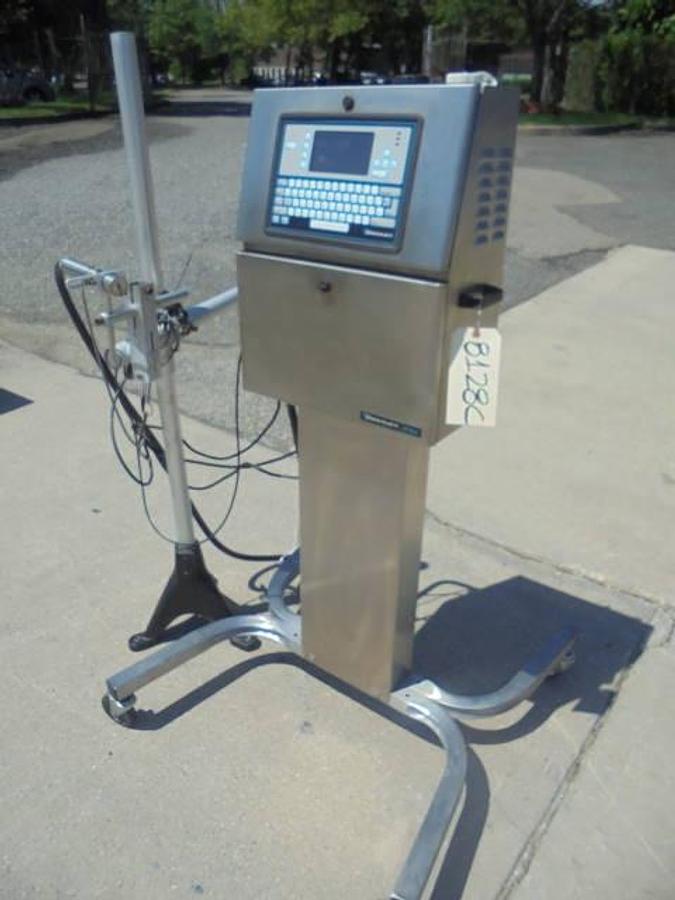
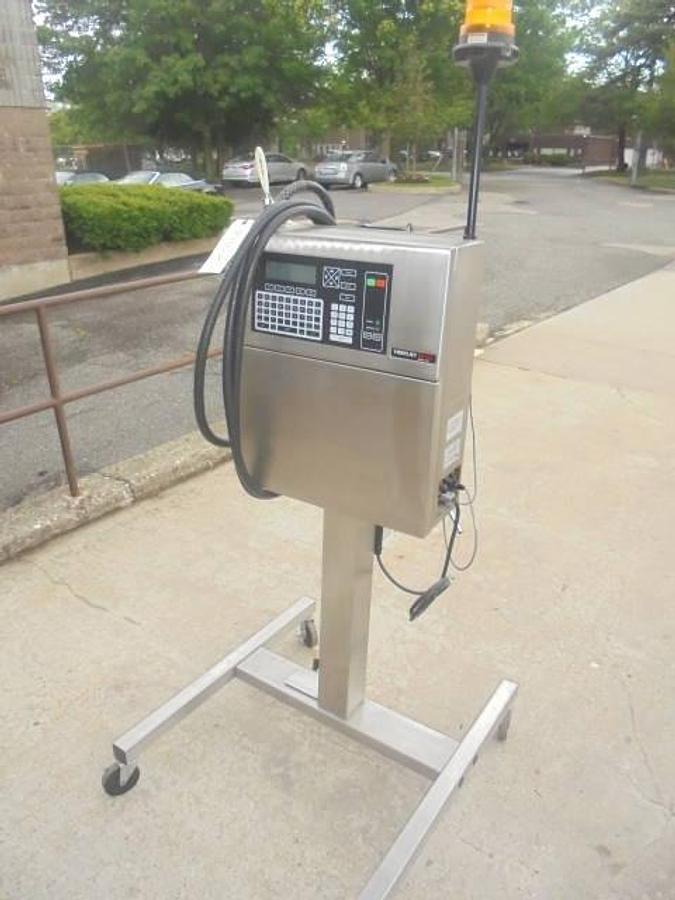
Video Jet
Video Jet is a leading provider of coding and marking solutions for various industries, including food and pharmaceuticals. Their printers and labeling systems ensure compliance with regulations and improve product traceability.
FAQ:
What is Videojet equipment used for?
Videojet equipment is used for coding, marking, and printing product information directly onto packaging, containers, and labels during the manufacturing process. Common applications include printing date codes, expiration dates, lot numbers, barcodes, and other traceability information on products across a wide range of industries. The equipment is designed to handle high-speed production environments where consistent, legible marking is critical for regulatory compliance and supply chain management.
Industries that rely heavily on Videojet equipment include food and beverage, pharmaceuticals, cosmetics, automotive, electronics, and consumer goods manufacturing. In regulated industries like food and pharma, Videojet printers play a direct role in helping manufacturers meet labeling requirements set by agencies like the FDA. The ability to print on diverse substrates, including plastics, glass, metals, cardboard, and flexible films, makes Videojet systems a widely adopted choice across manufacturing sectors.
What types of Videojet printers and coders are available on the used equipment market?
The used equipment market carries several distinct categories of Videojet machinery, each suited to different production needs. Continuous Inkjet (CIJ) printers, such as the popular Videojet 1000 series, are among the most commonly available used units. These are high-speed, non-contact printers capable of marking on virtually any surface and are widely valued for their durability and the broad availability of compatible consumables. Other categories include Thermal Inkjet (TIJ) printers, laser coders, Thermal Transfer Overprinters (TTO), and large character inkjet systems for printing on corrugated cases and pallets.
Specific used models that appear regularly include units like the Videojet Excel/170i inkjet coder and the Videojet 43S inkjet printer, among many others. Each model was built for different line speeds, substrate types, and character height requirements. Buyers shopping the used market should identify which technology type fits their application before narrowing down to a specific model, since CIJ, laser, and thermal transfer systems each operate on different principles and require different consumables and maintenance routines.
What is the typical price range for used Videojet coding and marking equipment?
Pricing for used Videojet equipment varies considerably depending on the model, technology type, age, and overall condition of the machine. Entry-level or older CIJ units can sometimes be found in the low hundreds to a few thousand dollars, while more advanced laser coders, thermal transfer overprinters, or newer high-speed CIJ systems in good working condition can reach tens of thousands of dollars. The specific configuration, included accessories, and any recent servicing history all influence where a unit lands on that spectrum.
Buyers should also factor in the total cost of ownership beyond the purchase price. Videojet equipment requires ongoing consumables such as inks, solvents, make-up fluid, and periodic maintenance kits, and these costs vary by technology type and usage volume. Laser coders, for example, have lower consumable costs than CIJ printers but typically carry a higher upfront price. Getting a clear picture of both the acquisition cost and the projected operating costs is important before committing to a particular model or technology.
Are used Videojet machines reliable for production use?
Videojet equipment has a well-established reputation for durability, which is one of the main reasons used units retain value and continue to perform in production environments long after their initial installation. Models like the Videojet 1000 series CIJ printers are particularly known for their rugged construction and straightforward maintenance, which makes them a practical choice on the secondary market. That said, reliability of any used machine depends heavily on its maintenance history, how it was operated, and how it was stored before resale.
Buyers purchasing used Videojet equipment should take advantage of inspection opportunities offered by reputable dealers, whether in person, via video call, or through detailed video captures of the machine running. Since used equipment is typically sold as-is, the inspection process is the buyer's primary tool for assessing current condition. It is also worth contacting Videojet directly to ask about parts and support availability for a specific model and serial number range, as older or discontinued models may have limited manufacturer support, which affects long-term serviceability.
Do used Videojet machines come with a warranty?
Warranties on used industrial equipment are handled very differently than on equipment purchased directly from the manufacturer. Used equipment dealers typically sell machinery on an as-is basis, meaning there is no manufacturer warranty attached to the sale. The responsibility for evaluating the machine's condition falls on the buyer, which is why thorough pre-purchase inspections are so important. Buyers should treat the inspection process as their primary form of due diligence rather than relying on any post-sale coverage.
When selecting a used equipment dealer, buyers should look for sellers with a long track record in the industry and demonstrated expertise in coding and marking equipment specifically. A reputable dealer will facilitate in-person or virtual inspections and provide honest documentation of the machine's condition. Buyers should also consult directly with Videojet to understand what level of technical support, service parts, and documentation is available for the specific model they are considering, since manufacturer support can vary significantly based on the age and production status of a given unit.
What consumables does Videojet equipment require, and what do they cost over time?
The consumable requirements for Videojet equipment depend on the technology type. CIJ printers, which are the most common type found on the used market, require ink, solvent or make-up fluid, and periodic replacement of filters and other internal components. These fluids are formulated specifically for the printer model and substrate being marked, so buyers need to confirm compatibility when sourcing consumables. Thermal inkjet printers use replaceable ink cartridges, while thermal transfer overprinters require ribbon rolls matched to the substrate and print resolution. Laser coders have the lowest ongoing consumable costs since they use the laser beam itself to mark the product, though they do require periodic lens cleaning and occasional replacement of wear components.
Ongoing consumable costs can add up significantly over a production year, particularly for high-volume CIJ installations. Industry estimates suggest that consumable and maintenance costs for CIJ systems can run into thousands of dollars annually depending on shift patterns and throughput. Before purchasing a used Videojet unit, buyers should calculate projected annual consumable spend alongside the equipment purchase price to get an accurate picture of total cost of ownership. Sourcing consumables from reliable suppliers and keeping recommended maintenance schedules are the best ways to control these costs and extend machine life.
How do I choose the right Videojet model for my production line?
Selecting the right Videojet model starts with understanding your specific production requirements. Key variables include line speed (measured in meters per minute or products per minute), the substrate being marked (porous vs. non-porous, curved vs. flat), the required print resolution and character height, and the environmental conditions on the production floor such as temperature, humidity, and exposure to washdowns. CIJ printers are a strong fit for high-speed lines marking on non-porous surfaces like plastics, metals, and glass. Thermal transfer overprinters are better suited for flexible film packaging where high-resolution date codes or barcodes are needed. Laser coders are ideal when permanent, high-contrast marks are required without any consumables touching the product.
For buyers considering used equipment, it helps to research the specific model's rated print speed and substrate compatibility before purchasing. Many Videojet models were designed for particular industry applications, so cross-referencing the machine's original specifications with your production environment is a practical first step. Consulting with the equipment dealer and, if possible, with a Videojet technical representative can help confirm whether a specific used unit is a good match for your line configuration. Inspecting the machine's current condition and confirming that replacement parts are still available for that model are equally important steps before finalizing a purchase.
What should I inspect before buying a used Videojet printer?
A thorough inspection of a used Videojet printer should cover both the mechanical and electronic condition of the machine. On the mechanical side, buyers should look at the condition of the printhead, ink system components, filters, and any conveyor or mounting hardware included with the unit. For CIJ printers specifically, the ink system including the pump, valves, and tubing is the heart of the machine, and signs of leaking, corrosion, or heavy ink buildup can indicate deferred maintenance. The condition of the control panel, display, and user interface should also be evaluated since these components can be expensive to repair or source on older models.
Reputable used equipment dealers will typically offer in-person inspections, live video walkthroughs, or recorded video of the machine operating. Some units may still be installed in a production facility where the equipment can be observed running under actual production conditions, which provides the most reliable assessment of current working order. Keep in mind that most dealers are not set up to run full production tests with actual product, since that requires different facility permitting. Buyers should use the inspection to verify that the machine powers on, that the ink system pressurizes correctly, and that the printhead produces a consistent ink stream or print pattern. Any concerns identified during inspection should be discussed with the dealer before purchase, and buyers should factor potential refurbishment costs into their offer.
What are the shipping and logistics considerations for buying used Videojet equipment?
Shipping used coding and marking equipment requires careful attention to packaging to prevent damage in transit. Smaller benchtop Videojet units may be palletized and shrink-wrapped for standard freight shipment, while larger floor-standing systems or units with sensitive ink systems may require custom crating to protect internal components. The level of packaging required directly affects shipping costs, so buyers should ask the dealer for a detailed breakdown of palletization or crating charges in addition to the freight rate itself. Ink systems in CIJ printers may also need to be drained or purged before shipping to comply with hazardous materials regulations, which can add preparation time and cost.
For heavier or bulkier Videojet systems, rigging equipment may be needed to safely load and unload the machine at both the origin and destination. Rigging costs are typically separate from standard freight charges and should be confirmed upfront. Buyers should request a full landed cost estimate from the dealer that includes the equipment price, packaging, freight, and any rigging fees, so there are no surprises upon delivery. It is also a good practice to inspect the shipment for visible damage upon arrival and document any issues before signing the delivery receipt.
What payment terms are typical when purchasing used Videojet equipment from a dealer?
Most used industrial equipment dealers require full payment before the equipment is released for shipment. This is standard practice in the industry and applies to the majority of transactions, particularly for buyers purchasing from a dealer for the first time. Payment is typically accepted by wire transfer, though some dealers may accept other forms depending on the transaction size and the buyer's location. Buyers should confirm accepted payment methods and the exact timing of payment relative to shipment during the quoting process to avoid any delays.
Some dealers may offer extended payment terms or other arrangements to established repeat customers with a history of prior purchases, but this is handled on a case-by-case basis rather than as a standard offering. Buyers who are new to a particular dealer should expect to pay in full prior to shipment and plan their purchasing timeline accordingly. Getting a clear written quote that itemizes the equipment price, shipping costs, and any additional fees before submitting payment helps ensure both parties have aligned expectations and reduces the risk of disputes.