Category
Manufacturer
Model
FAQ:
What is a Vertisa autoclave and what is it typically used for?
Vertisa autoclaves are compact sterilization units designed for use in small to mid-sized healthcare and personal care settings. They are most commonly found in dental clinics, tattoo studios, veterinary offices, and small medical or aesthetic practices. The units use pressurized steam to kill bacteria, viruses, spores, and other microorganisms on instruments and tools, making them a standard piece of equipment anywhere sterile conditions are required.
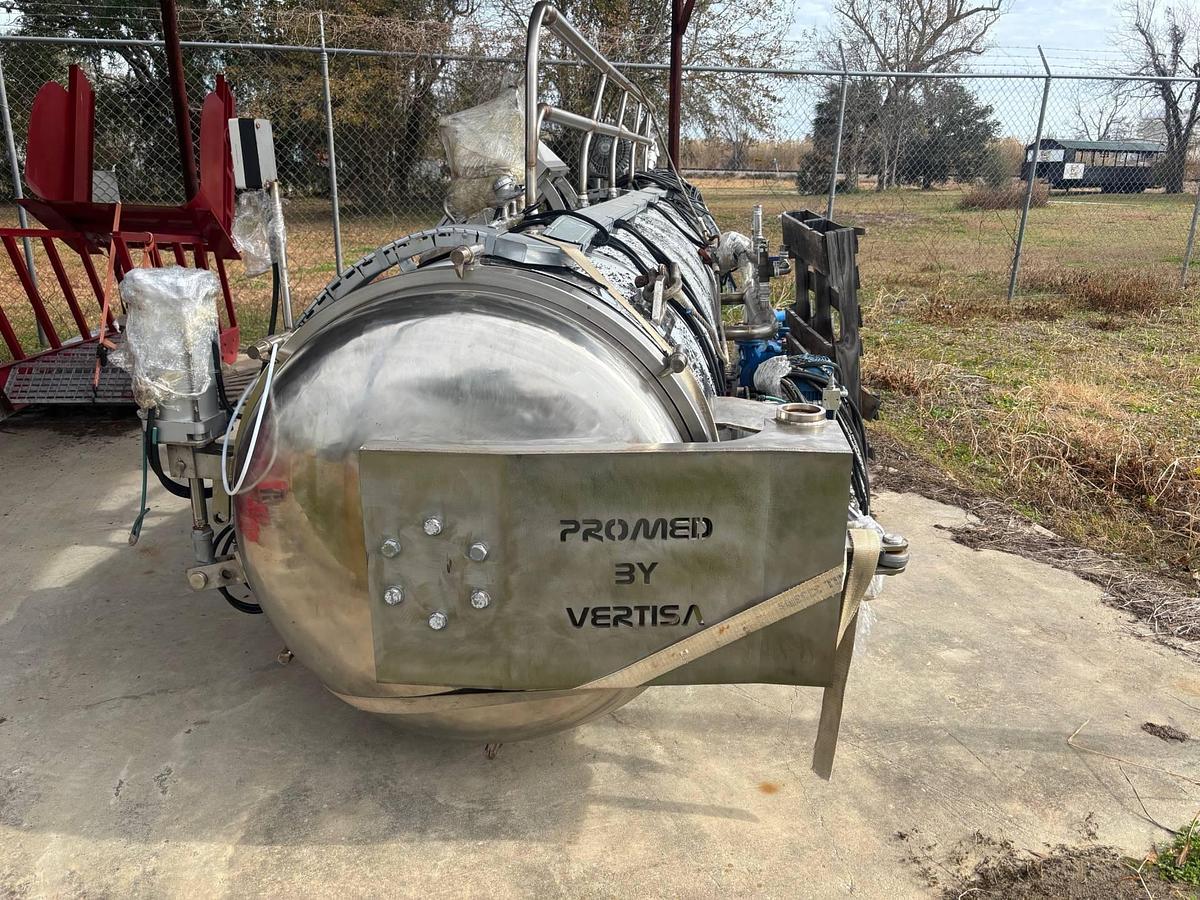
The Vertisa Model 400A, for example, is a horizontal autoclave built for tabletop or countertop installation, which makes it practical for facilities with limited floor space. Buyers in this category typically prioritize cycle time, chamber capacity, and ease of daily operation. Used Vertisa autoclaves carry the same functional design as when they were manufactured, and their relatively straightforward mechanical construction means they can continue performing reliably when properly maintained after purchase.
What chamber sizes and capacities are available for Vertisa autoclaves?
Vertisa autoclaves are generally available in tabletop configurations with chamber capacities that typically range from around 8 liters on the smaller end up to approximately 23 liters for larger countertop models. The right capacity depends on the volume of instruments a facility needs to sterilize per cycle and how frequently cycles are run throughout the day. A dental office processing a moderate caseload, for instance, may find a mid-range chamber size sufficient, while a busier clinic might benefit from a larger chamber to reduce the number of cycles needed.
When purchasing a used Vertisa autoclave, it is worth confirming the exact chamber dimensions and usable tray space, since internal accessories like trays and baskets may or may not be included with the unit. Asking the seller for the specific model number and cross-referencing it with available technical documentation can help buyers verify the chamber volume and confirm whether the unit meets their sterilization throughput requirements before committing to a purchase.
What sterilization cycles does a Vertisa autoclave support?
Vertisa autoclaves are designed to run steam sterilization cycles suited to the types of instruments commonly used in dental, medical, and personal care environments. Depending on the specific model, units may support gravity displacement cycles as well as pre-vacuum or porous load cycles, which are categorized under international standards as Class N, Class B, or Class S cycles. Class B cycles are the most thorough and are capable of sterilizing wrapped instruments, hollow loads, and porous materials, making them the preferred standard in many clinical settings.
Buyers evaluating a used Vertisa autoclave should confirm which cycle types the specific unit supports, as this directly affects what kinds of loads can be safely sterilized. Some older models may be limited to gravity-displacement cycles only, which are appropriate for solid, unwrapped instruments but not for wrapped packs or complex hollow instruments. Reviewing the machine's original technical specifications and consulting with the seller about the unit's operational history can help buyers determine whether the available cycle types align with their sterilization protocols.
How long does a typical sterilization cycle take on a Vertisa autoclave?
Cycle times on a Vertisa autoclave vary depending on the cycle type selected, the load size, and the sterilization temperature used. A standard gravity cycle at 134 degrees Celsius typically runs between 3 and 5 minutes of actual sterilization time, but the full cycle, including heat-up, sterilization, and drying phases, commonly takes anywhere from 20 to 45 minutes from start to finish. Pre-vacuum cycles designed for wrapped or porous loads may take somewhat longer due to the additional vacuum and conditioning phases involved.
For facilities running multiple cycles throughout the day, total cycle time is an important operational consideration. A used autoclave that is functioning properly should complete cycles within the time ranges specified for its model. If a unit is taking significantly longer than expected to reach temperature or complete a cycle, that can be a sign of a worn door gasket, a failing heating element, or a water quality issue. Buyers should ask sellers about the unit's recent cycle performance and, where possible, request a demonstration or video of the machine running through a complete cycle before purchase.
Is a Vertisa autoclave FDA cleared or CE certified, and does that matter when buying used?
Vertisa autoclaves marketed for use in healthcare settings are generally manufactured with the intention of meeting applicable regulatory standards, which in the United States typically means FDA clearance as a Class II medical device, and in Europe means CE marking under the relevant medical device directives. These certifications confirm that the unit met safety and performance standards at the time of its manufacture and regulatory review. ISO certification, particularly ISO 13485 for quality management systems, is another credential that manufacturers in this space commonly hold.
For buyers purchasing a used Vertisa autoclave, the regulatory clearance of the original unit remains relevant because it speaks to the machine's design intent and construction standards. However, buyers should understand that a used autoclave does not carry forward any active regulatory status on its own. Facilities subject to health department inspections or accreditation audits should verify with their relevant regulatory body whether a used autoclave, once properly serviced and validated, meets the requirements for use in their specific setting. Consulting with a biomedical equipment technician to perform a validation cycle after purchase is a practical step many healthcare buyers take to confirm the unit is operating within acceptable parameters.
What maintenance does a Vertisa autoclave require, and what parts typically need replacement over time?
Regular maintenance is essential for keeping any autoclave operating reliably, and used units require particular attention since their service history may be incomplete. The most frequently replaced components on autoclaves in this category include the door gasket, which seals the chamber during pressurized cycles and degrades with repeated heat and pressure exposure. Water filters, chamber trays, and the solenoid valve are also parts that wear over time and may need attention depending on how heavily the unit was used before resale. Using distilled or demineralized water is critical, as mineral-laden tap water accelerates scale buildup inside the chamber and on heating elements.
Routine maintenance tasks typically include cleaning the chamber after each use, descaling the chamber and water reservoir on a regular schedule (often monthly or more frequently in high-use settings), inspecting the door gasket for cracks or deformation, and checking that safety valves and pressure indicators are functioning correctly. Some facilities contract with a biomedical equipment service company for periodic preventive maintenance. When evaluating a used Vertisa autoclave, asking the seller about the unit's maintenance history and whether any components have been recently replaced gives buyers a clearer picture of what servicing the machine may need after acquisition.
What should buyers look for when inspecting a used Vertisa autoclave before purchase?
A thorough inspection of a used autoclave covers both the physical condition of the unit and its operational performance. On the physical side, buyers should examine the chamber interior for pitting, corrosion, or heavy scale buildup, all of which can affect sterilization effectiveness and indicate how well the machine was maintained. The door seal and locking mechanism deserve close attention, since a compromised gasket or worn door components can prevent the unit from achieving or holding proper pressure. The exterior condition, control panel, and display should also be checked for damage or missing components.
On the operational side, the most informative thing a buyer can do is watch the machine run a complete cycle. Reputable used equipment dealers will typically accommodate in-person inspections, video walkthroughs, or recorded demonstrations of the machine in operation. This allows buyers to verify that the unit heats up correctly, reaches the target temperature and pressure, completes the cycle within a normal timeframe, and vents properly at the end. Buyers who cannot inspect in person should request detailed photos of the chamber, door seal, control panel, and any visible internal components. It is also worth contacting the manufacturer directly to ask about parts availability and technical support for the specific model, since older units may have limited support infrastructure.
Does a used Vertisa autoclave come with data logging or printer connectivity for sterilization records?
The availability of data logging and printer connectivity on a used Vertisa autoclave depends entirely on the specific model and its original feature set. Some tabletop autoclaves in this category were manufactured with built-in cycle printers or data ports that allow sterilization cycle records to be printed or exported, while simpler or older models may have only basic digital displays with no record-keeping output. For healthcare facilities that are required to maintain sterilization logs for regulatory compliance, accreditation, or infection control audits, this is a meaningful distinction.
Buyers with documentation requirements should confirm with the seller exactly what data output capabilities the specific unit includes before purchasing. If a unit lacks a built-in printer, some models support the addition of an external printer or data logger as an accessory, though compatibility varies by model and age. For settings where detailed cycle records are mandatory, purchasing a used unit that already has integrated logging functionality is generally the more straightforward path than attempting to add that capability after the fact.
What are the typical shipping and handling considerations for purchasing a used Vertisa autoclave?
Tabletop autoclaves like the Vertisa 400A are relatively compact compared to large industrial sterilization equipment, but they still require careful packaging to prevent damage to the chamber, door mechanism, and control components during transit. Sellers typically palletize or crate units for shipment, and the level of packaging required, along with any special handling instructions, will affect the total shipping cost. Buyers should ask sellers for specifics on how the unit will be packaged and what the estimated freight cost will be to their location, so they can calculate the full landed cost of the equipment before committing.
For most tabletop autoclave purchases, standard freight shipping with appropriate palletization is sufficient, though buyers should confirm that the unit will be protected against vibration and impact during transport. If the unit is being shipped a long distance or internationally, additional crating may be advisable. Buyers should also clarify with the seller who is responsible for arranging and paying for freight, whether the price quoted includes shipping or if that is quoted separately, and what the process is if the unit arrives with shipping damage. Most used equipment dealers require full payment prior to shipping, and buyers should confirm payment terms directly with the seller.
What is the typical price range for a used Vertisa autoclave, and what factors affect the cost?
Pricing for used Vertisa autoclaves varies based on the model, chamber size, age, cosmetic condition, and operational status of the unit. Smaller tabletop models in working condition generally sell in a range that reflects their utility for single-operatory or low-volume settings, while larger or more feature-rich units with data logging capabilities or larger chamber volumes tend to command higher prices. The overall condition of the chamber interior, the completeness of included accessories, and how recently the unit was serviced can all push the price up or down relative to comparable listings.
Buyers should factor in more than just the purchase price when budgeting for a used autoclave. Shipping costs, any servicing or parts replacement needed after delivery, the ongoing cost of distilled water, and periodic maintenance all contribute to the total cost of ownership. Purchasing from a dealer who specializes in used medical or dental equipment and can provide detailed information about the unit's condition is generally worth any modest price premium, since buyers get a clearer picture of what they are acquiring and can make a more informed decision about whether the unit is priced appropriately for its actual condition.