Category
Manufacturer
Model
Utica
Utica provides a range of manufacturing equipment, particularly in the textile and apparel industries. They are known for their sewing and finishing machines that enhance production efficiency. Utica’s commitment to innovation helps manufacturers improve their processes and product quality.
FAQ:
What types of Utica industrial equipment are commonly available on the used market?
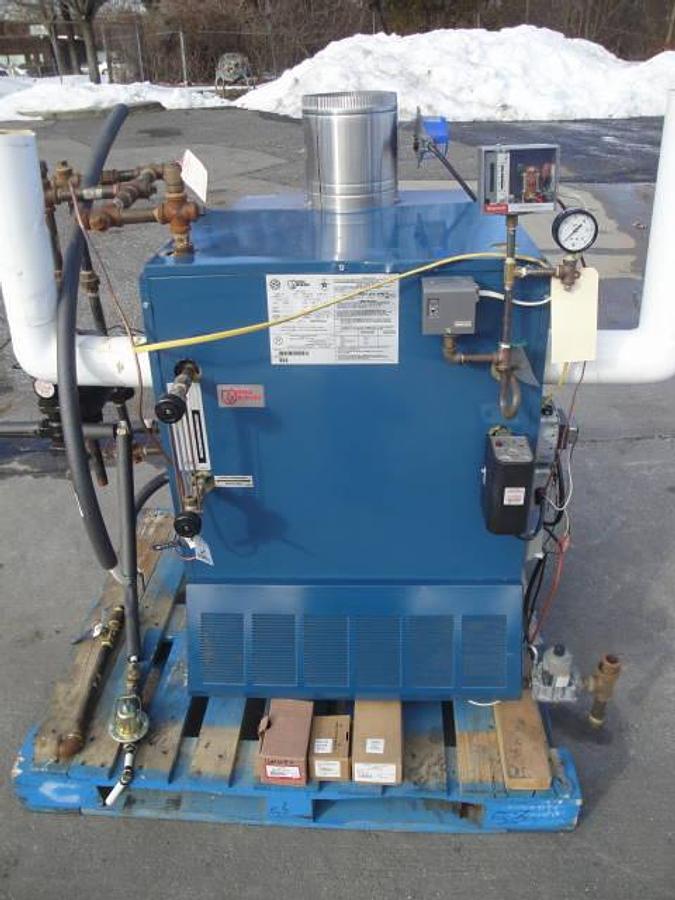
Utica is a manufacturer known primarily for equipment used in the textile and apparel industries, including sewing machines and finishing machines designed to improve production efficiency and product quality. On the used market, buyers can find a range of Utica machinery suited to garment manufacturing, fabric processing, and related production applications. One example that surfaces regularly is the Utica Gas Fired Steam Boiler, such as the Model Peg-300lp, which is used in industrial heating and steam generation processes common to textile and apparel facilities.
Beyond Utica-branded equipment, the broader Utica, New York region has a strong industrial heritage rooted in metalworking, fabrication, and general manufacturing. Buyers searching for used industrial equipment in this area will often encounter machining equipment, fabrication tools, and production machinery from a variety of manufacturers. The regional market tends to reflect the kinds of industries that have historically operated there, so the inventory available from local and regional dealers often skews toward heavy manufacturing and production equipment.
What should I know before buying used Utica sewing or finishing machines?
Utica sewing and finishing machines are built for production environments, and buying used versions of this equipment requires a careful look at the machine's service history, hours of use, and current mechanical condition. Since these machines are sold used rather than directly from the manufacturer, they come without the backing of a factory warranty. The condition grading commonly used by dealers, such as Good, Fair, or Rebuilt, can give you a starting point, but those labels are not standardized across the industry. Always request detailed photos of key components, ask about any known issues, and get as much documentation on maintenance history as the seller can provide.
It is also worth contacting Utica directly to understand what level of parts and technical support is available for the specific model you are considering. Older models may have limited parts availability, which can affect your long-term operating costs and downtime risk. A reputable used equipment dealer with experience in textile and apparel machinery will be able to give you honest guidance on the machine's remaining useful life and what, if anything, it may need before going into production.
How do I assess the condition of used industrial equipment before purchasing?
Condition assessment starts with getting as much documentation as possible from the seller. Ask for maintenance logs, hours of operation, and any records of past repairs or part replacements. Dealers who specialize in industrial equipment will typically have this information on hand or can obtain it from the previous owner. Condition grades like Good, Fair, or Rebuilt are commonly used, but they are subjective, so always pair those labels with a physical or visual inspection rather than relying on them alone.
Most reputable used equipment dealers will accommodate in-person inspections, virtual walkthroughs, or video captures of the machine in its current state. If the equipment is still installed at a production facility, an in-person inspection can sometimes be arranged directly at the plant. Keep in mind that dealers generally do not have the permitting required to run full production tests, so inspections will focus on the mechanical and visual condition of the machine rather than live output testing. If you have specific operational concerns, bring in a qualified technician or millwright who can evaluate the machine's components firsthand.
What does 'sold as-is' mean when buying used industrial machinery?
When used industrial equipment is sold as-is, it means the buyer accepts the machine in its current condition, with no implied promises about performance, remaining lifespan, or the absence of defects. This is the standard practice among used equipment dealers, and it places the responsibility of due diligence squarely on the buyer. Unlike purchasing directly from a manufacturer, there is no factory warranty or guarantee of any kind attached to the transaction. That is precisely why the inspection process matters so much before any money changes hands.
Buying as-is does not mean buying blind. A trustworthy dealer will be transparent about a machine's known condition, provide photos and documentation, and allow inspections. The as-is structure simply means that once the sale is complete, the buyer owns the equipment in whatever state it is in. To protect yourself, work with dealers who have a demonstrated track record in the specific type of machinery you are buying, ask detailed questions about the machine's history, and if possible, have a knowledgeable technician evaluate the equipment before you commit.
How is used industrial equipment typically shipped, and what costs should I expect?
Shipping costs for used industrial equipment depend on several factors: the size and weight of the machine, the level of packaging or crating required, the distance being covered, and whether specialized rigging is needed for loading and unloading. Smaller machines may ship on standard pallets, while larger or heavier equipment often requires custom crating to prevent damage in transit. The cost of that packaging is typically passed on to the buyer and can vary significantly based on the complexity of the job.
For heavy machinery, rigging is often required at both the origin and destination points. This involves specialized equipment and labor to safely lift, move, and position the machine, and it adds to the total landed cost of the purchase. Before finalizing any deal, ask the dealer for a detailed breakdown of packaging, rigging, and freight charges so you understand the full cost of getting the equipment to your facility. Buyers in the Utica region or nearby areas may benefit from reduced freight costs compared to purchasing from dealers located across the country, simply due to shorter shipping distances.
Can I inspect used industrial equipment in person before buying?
In-person inspections are generally available through reputable used equipment dealers and are strongly recommended before committing to any significant purchase. Depending on where the equipment is located, an inspection may take place at the dealer's warehouse, or it may be arranged at the facility where the machine is currently installed. In the latter case, the equipment might still be in active production or may have already been decommissioned, and the dealer typically coordinates access with the current owner.
For buyers who cannot travel, many dealers offer virtual inspections via live video call or pre-recorded video walkthroughs. These can be a practical alternative when distance is a factor, though they do have limitations compared to a hands-on evaluation. If the machine is high-value or critical to your operation, consider hiring a local third-party inspector or millwright to physically examine the equipment on your behalf. The goal of any inspection, whether in person or remote, is to get an accurate picture of the machine's current working condition before the sale is finalized.
What is the typical price range for used industrial equipment, and how is pricing determined?
Pricing for used industrial equipment varies widely based on the type of machine, its age, condition, brand reputation, and current market demand. A used steam boiler or textile finishing machine might range from a few thousand dollars to well over fifty thousand dollars depending on its size, capacity, and how recently it was serviced. Specialty equipment from well-regarded manufacturers tends to hold its value better than generic machinery, particularly when parts and technical support are still readily available.
In regional markets, pricing is often negotiable, especially for bulk purchases or package deals involving multiple machines from the same facility. Buyers who come prepared with knowledge of comparable sales and a clear understanding of the equipment's condition are in a stronger position to negotiate. It helps to research recent transactions for similar models and to factor in the total landed cost, including shipping, rigging, and any repairs or reconditioning the machine may need before it goes into service. The purchase price alone rarely tells the full story of what a piece of used equipment will actually cost you.
What payment terms are standard when purchasing used industrial equipment?
The standard practice among used equipment dealers is to require full payment before the machine ships. This applies to most transactions, particularly with first-time buyers. Some dealers may extend payment terms to established customers with a history of repeat purchases, but this is the exception rather than the rule. Wire transfer is the most common payment method for large transactions, though dealers may also accept certified checks or other forms of verified payment depending on the deal.
Financing and leasing options do exist in the used equipment market, but they are typically arranged through third-party lenders rather than directly through the dealer. If financing is important to your purchasing decision, it is worth asking the dealer whether they have relationships with equipment lenders, and it is equally important to factor financing costs into your total budget. For buyers in the Utica area or anywhere else, understanding the payment expectations upfront helps avoid surprises and keeps the transaction moving smoothly once you have agreed on a price.
How do I verify that used industrial equipment meets current safety and compliance standards?
OSHA compliance and safety certification are important considerations that buyers often overlook when focusing on price and condition. Used industrial equipment was manufactured to the standards in effect at the time of production, which may differ from current regulations. Before putting any machine into service, buyers should verify that it meets applicable OSHA standards for their specific work environment and intended use. This may require upgrades to guarding, electrical systems, or safety controls depending on the age and configuration of the equipment.
It is the buyer's responsibility to ensure that any used machine is compliant before it enters their facility. A qualified safety inspector or certified industrial hygienist can evaluate the equipment against current standards and identify what modifications, if any, are needed. Some dealers will have documentation on past safety inspections or modifications made to the machine, and it is worth asking for that information as part of your due diligence. Do not assume that a machine's previous use in a production environment means it automatically meets the safety requirements of your facility or jurisdiction.
Why is it important to choose a used equipment dealer that specializes in your industry?
A dealer who specializes in your specific type of machinery brings knowledge that a general reseller simply cannot match. For textile and apparel equipment like Utica sewing and finishing machines, a specialist will understand the mechanical quirks of the equipment, know which models have strong parts availability, and be able to give you an honest assessment of a machine's condition relative to others they have handled. That expertise reduces the risk of buying equipment that looks fine on the surface but has underlying issues that only someone familiar with the category would recognize.
Specialization also tends to correlate with a dealer's track record and reputation. Dealers who have been buying and selling a particular type of machinery for many years have established relationships with manufacturers, service technicians, and previous owners that give them access to better inventory and more reliable condition information. When evaluating any used equipment dealer, look at how long they have been in business, what industries they focus on, and whether they can point to a history of transactions in the specific category you are buying. A long track record in the right specialty is one of the strongest signals of a trustworthy source for used industrial machinery.