Category
Manufacturer
Model
Us Bottlers
Us Bottlers specializes in bottling equipment for the beverage industry, providing solutions for both alcoholic and non-alcoholic drinks. They are known for their automated bottling lines that enhance productivity and reduce labor costs. Us Bottlers focuses on innovative technology to meet the demands of modern beverage production.
FAQ:
What types of bottling equipment does US Bottlers manufacture?
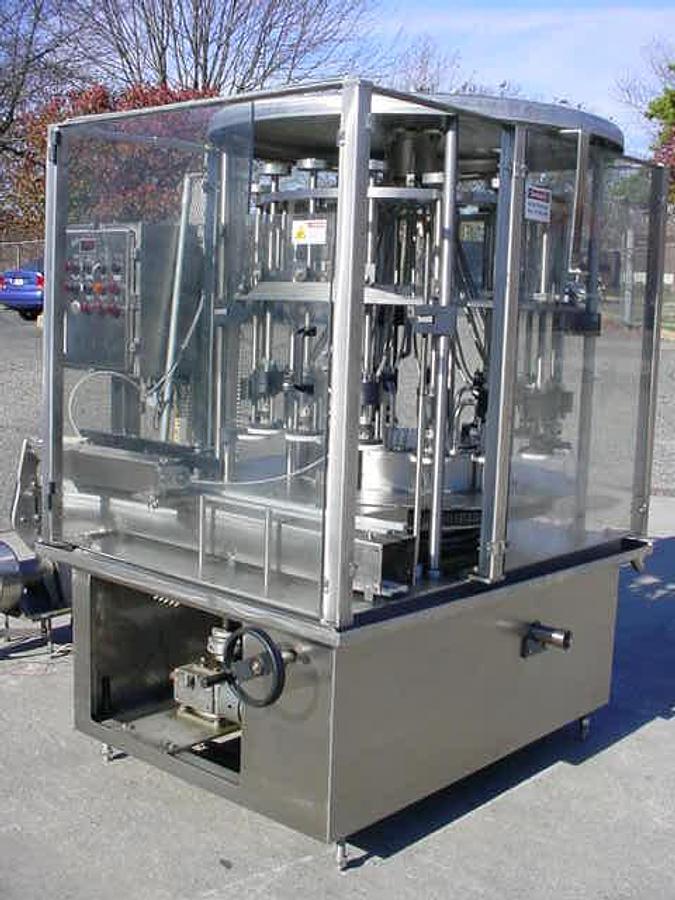
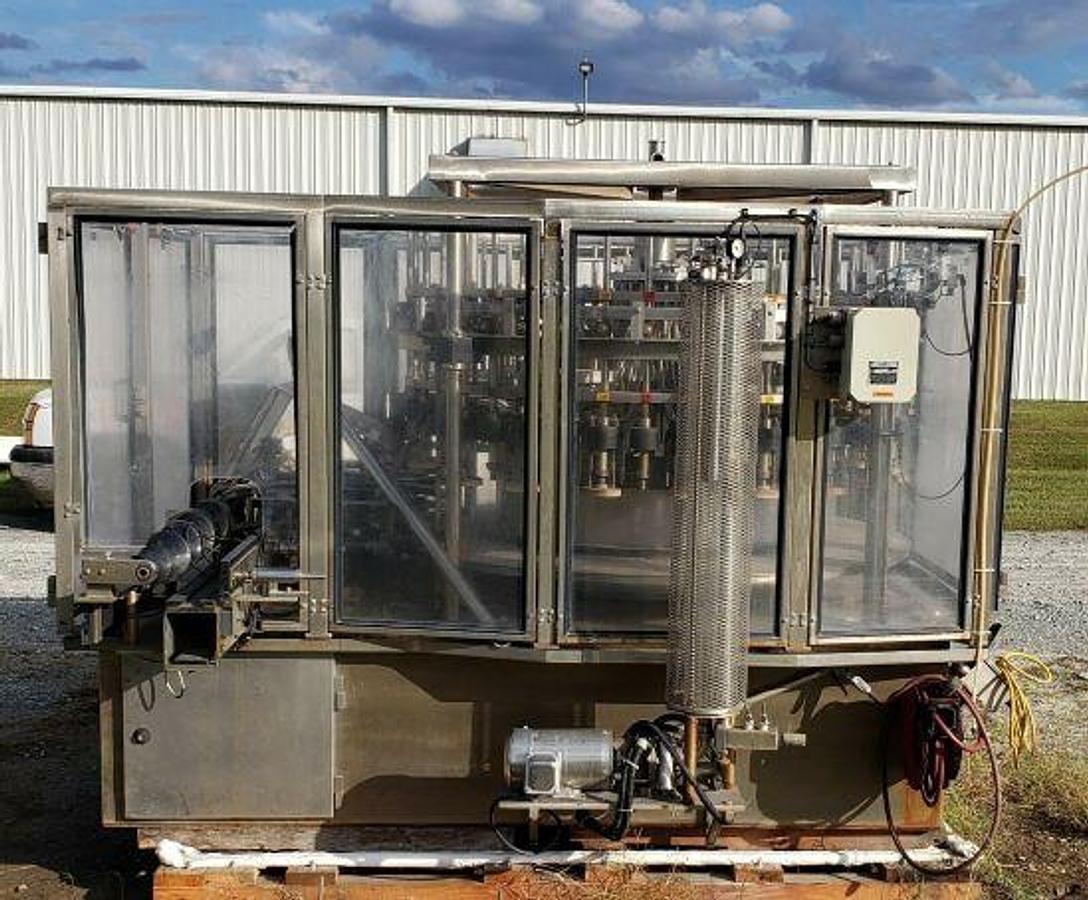
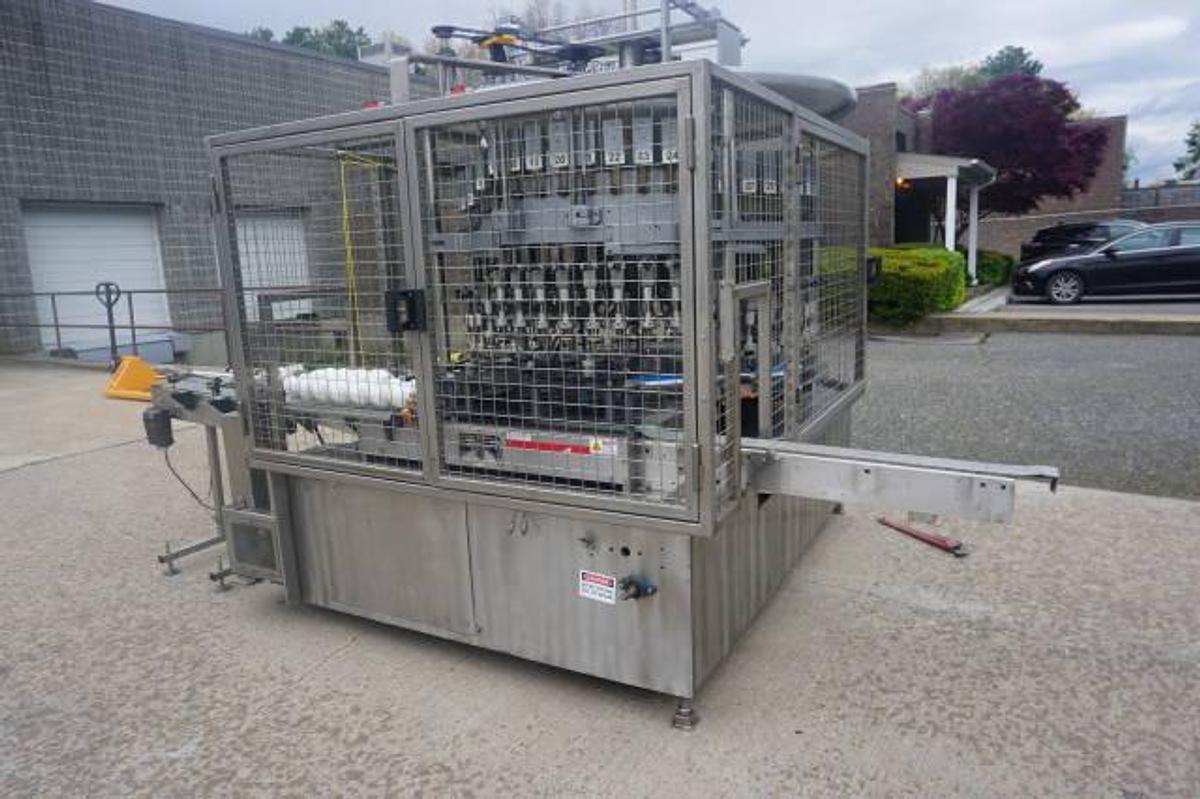
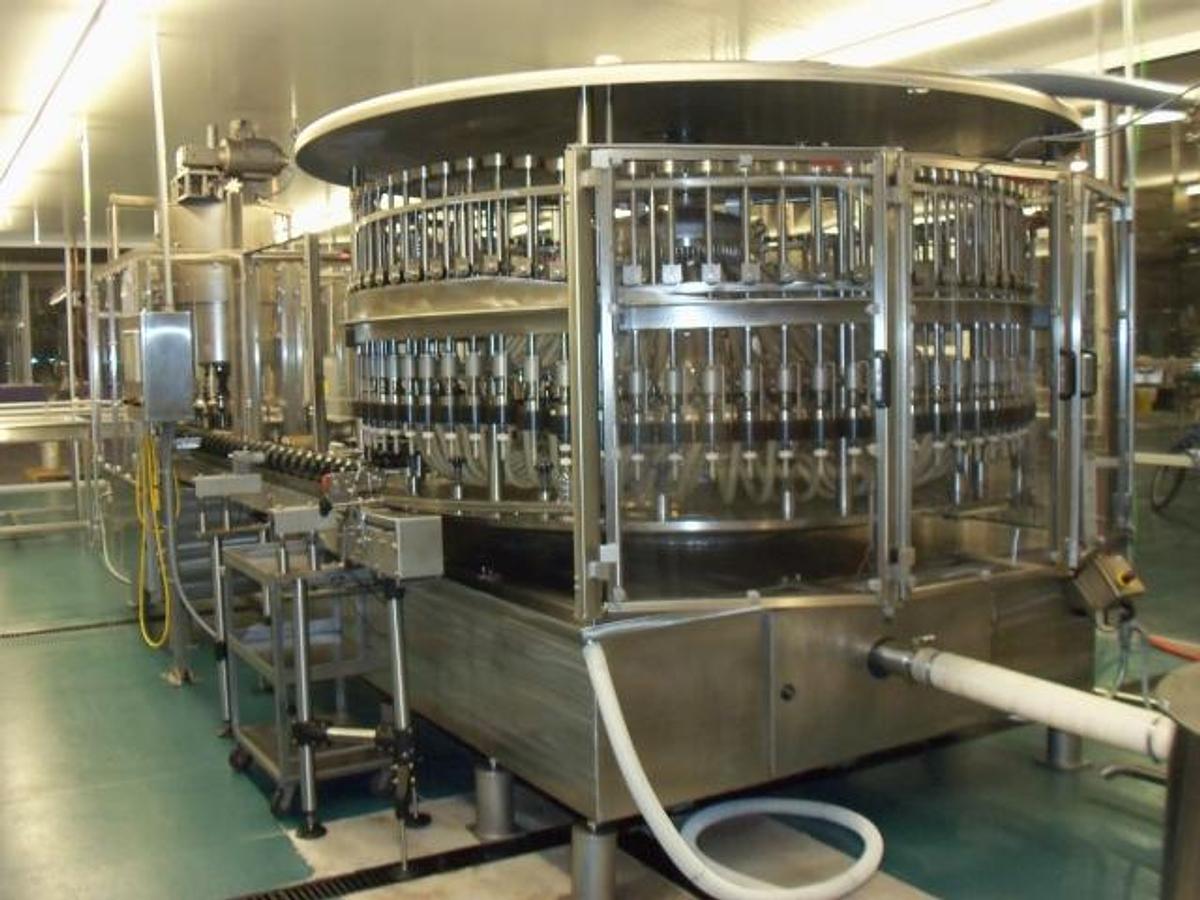
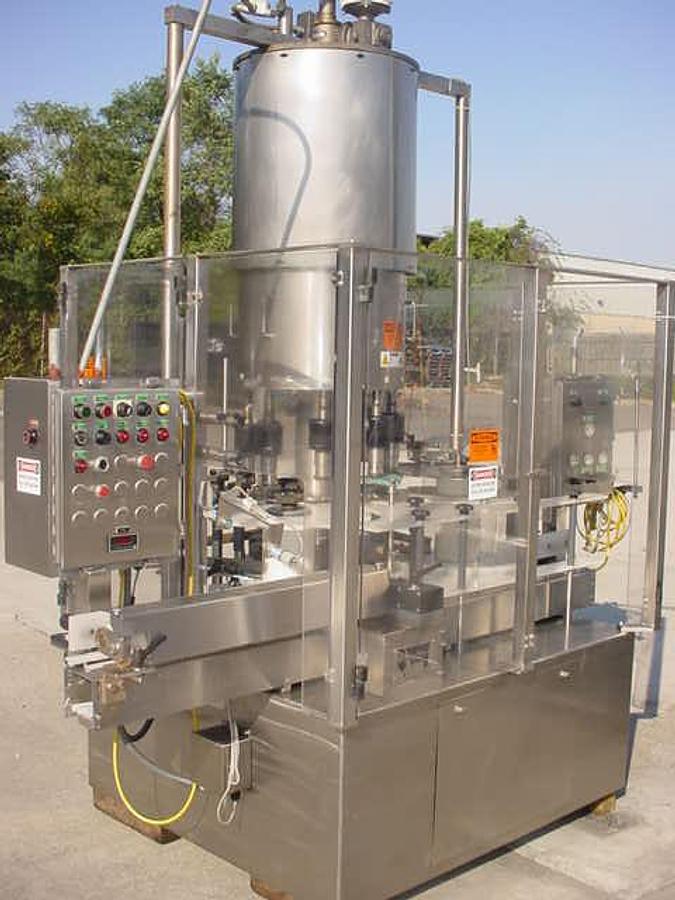
US Bottlers has been producing bottling equipment since 1947, and their product line covers the full range of what a beverage production facility typically needs. Their equipment includes rotary filling machines, gravity fillers, screw cappers, rinsers, labelers, and complete turnkey bottling lines. Specific models like the 42-valve rotary filler, the 48-valve rotary gravity filling machine, the VA-16-LS rotary liquid filler, the 72-spout rotary filling and capping machine, and the PMC-16 rotary screw capper represent the kind of variety found across their catalog. Most of their machines are built from stainless steel, which contributes to their longevity in demanding production environments.
The breadth of their lineup makes US Bottlers equipment applicable to a wide range of production scales and product types. Whether a facility needs a standalone capper or a fully integrated filling and capping system, there are US Bottlers models designed for that purpose. Because the brand has been producing equipment for over seven decades, used examples of their machinery are widely available in the secondary market, and the installed base is large enough that operators and technicians across the beverage industry tend to be familiar with how these machines work.
What beverages and liquid products are compatible with US Bottlers filling equipment?
US Bottlers equipment is designed to handle both alcoholic and non-alcoholic beverages, and the range of compatible products is broad. Common applications include water, juice, beer, wine, spirits, and carbonated soft drinks. Beyond beverages, their fillers and cappers are also used for sauces, condiments, and personal care liquids, which speaks to the versatility built into their machine designs. The use of stainless steel construction across much of their lineup is a key factor here, as it allows the equipment to contact a wide variety of liquid formulations without corrosion or contamination concerns.
When evaluating a specific used US Bottlers machine for a particular product, it is worth reviewing the original machine specifications and, if possible, consulting with a technician familiar with that model. Gravity fillers, for example, are best suited for thin, free-flowing liquids, while other filler types handle thicker or more viscous products. The valve count and filling mechanism on a given machine will determine what viscosities and carbonation levels it can reliably handle. Buyers should confirm these details during the inspection process before committing to a purchase.
What production speeds can US Bottlers machines achieve?
Production capacity across the US Bottlers equipment line varies significantly depending on the model, configuration, and number of filling valves or capping heads. Smaller or older manual-assist units may handle somewhere in the range of 10 to 30 bottles per minute, while mid-range rotary systems typically operate between 60 and 150 bottles per minute. Larger, fully automated rotary filling and capping machines, such as the 72-spout rotary filler and capper, can exceed 300 bottles per minute under the right conditions. The valve count on a rotary filler is generally a reliable indicator of its throughput potential, with higher valve counts corresponding to faster production speeds.
It is important to understand that rated production speeds are based on specific bottle sizes, cap types, fill volumes, and liquid characteristics. A machine running a small, lightweight bottle with a simple screw cap will typically perform closer to its rated maximum than the same machine running a large, heavy container with a complex closure. When inspecting a used US Bottlers machine, buyers should ask about the conditions under which the stated speed was achieved, and factor in any wear or maintenance needs that could affect throughput in their own facility.
What should buyers know about purchasing used US Bottlers equipment?
Buying used bottling equipment from a brand like US Bottlers carries real advantages because of the company's long manufacturing history and the durability of their machines. Equipment that has been well maintained can remain in productive service for decades, and the large installed base means that service technicians and operators across the industry are generally familiar with these machines. That said, purchasing used equipment requires more due diligence than buying directly from a manufacturer. Buyers are typically taking on the machine in its current condition, so a thorough inspection is essential before any purchase decision.
Reputable used equipment dealers will accommodate in-person inspections, virtual walkthroughs, or video documentation of the machine's current state. Some equipment may still be running in a production facility at the time of sale, which can provide a useful opportunity to observe it operating under real conditions. Buyers should also contact the manufacturer directly to understand what level of support, parts availability, and documentation exists for the specific model and age of machine they are considering. Older models may have more limited parts availability, while more recent models are likely to have better manufacturer support resources.
Does used US Bottlers equipment come with a warranty?
Used equipment is generally sold on an as-is basis by dealers in the secondary market. Warranties are typically associated with purchases made directly through the manufacturer and are not a standard feature of used machinery transactions. This places the responsibility of assessing the machine's condition squarely on the buyer, which is why inspection plays such a critical role in the purchasing process. Selecting a dealer with a long track record of selling bottling and packaging equipment, and one who specializes in the beverage industry, reduces the risk of encountering misrepresented or poorly documented machines.
Before finalizing any purchase, buyers should take full advantage of whatever inspection options the dealer offers, whether that is an in-person visit, a live video call, or a recorded walkthrough. It is also worth reaching out to US Bottlers directly to ask about the specific model's service history, available replacement parts, and any technical documentation that may still be accessible. The age and production history of the machine will influence how much manufacturer support a buyer can realistically expect, and having that information upfront allows for a more accurate assessment of the total cost of ownership.
How do you find replacement parts for used US Bottlers bottling equipment?
US Bottlers has been manufacturing equipment since 1947, and for many of their models, parts can still be sourced through the manufacturer or through third-party suppliers who specialize in beverage machinery components. The first step is to identify the exact model number and, if possible, the year of manufacture, since parts compatibility varies across different production runs and model generations. With that information in hand, contacting US Bottlers directly is usually the most reliable starting point. Their technical team can confirm what parts are available for a given machine and whether any components have been superseded by updated versions.
For older machines where manufacturer support may be more limited, third-party machining and parts fabrication can be a practical option. Many common wear components on rotary fillers and cappers, such as filling valves, seals, gaskets, and drive components, can be sourced from industrial suppliers or fabricated to specification by a qualified machine shop. Buyers considering a used US Bottlers machine should factor parts availability into their evaluation, particularly for higher-wear components that will need periodic replacement. A dealer familiar with the brand can often provide guidance on what parts are commonly needed and where to source them.
What bottle sizes and container types work with US Bottlers filling machines?
US Bottlers designs their equipment to handle a range of container types and sizes, and most of their rotary fillers and cappers can be adjusted or tooled to accommodate different bottle formats. Common container types include glass bottles, PET plastic bottles, and HDPE containers, with the specific compatibility depending on the machine model and its filling mechanism. Container height, diameter, neck finish, and fill volume all factor into whether a given machine can be configured for a particular bottle. Many machines include adjustable guides, star wheels, and fill heads that can be changed out or repositioned to handle different formats.
When evaluating a used US Bottlers machine, buyers should ask the dealer what bottle sizes and closure types the machine was most recently running, and whether any change parts for alternate formats are included with the sale. Change parts, which are the tooling components specific to a particular bottle size or cap type, can represent a meaningful additional cost if they need to be fabricated or sourced separately. Having clear information about the machine's current tooling setup, and the cost of adapting it to your specific containers, is an important part of calculating the true landed cost of the equipment.
Are US Bottlers machines suitable for small or startup beverage operations?
US Bottlers produces equipment across a wide range of scales, and some of their smaller or older models are well-suited to lower-volume production environments. A used rotary filler with 16 valves, for example, will have a much lower throughput than a 72-valve machine, making it more appropriate for a craft or startup operation that does not yet need high-speed automated production. The used equipment market is also where smaller operations often find their best value, since the capital cost of a used machine is significantly lower than comparable new equipment, allowing a business to establish production capacity without the same level of upfront investment.
That said, smaller operations should think carefully about the total cost of ownership, not just the purchase price. Used industrial bottling equipment may require maintenance, tooling adjustments, or integration work before it is ready for production. Having access to a qualified technician who is familiar with the equipment, or working with a dealer who can provide technical guidance, is particularly valuable for buyers who do not have an experienced maintenance team in-house. Starting with a machine that is well-documented and from a reputable dealer reduces the risk of unexpected downtime during the critical early stages of a beverage business.
What are typical shipping and logistics considerations for buying used bottling equipment?
Used bottling equipment, particularly industrial rotary fillers and cappers, can be large and heavy, which makes logistics planning an important part of the buying process. Shipping costs will depend on the size and weight of the machine, the distance involved, and the level of packaging or crating required to protect the equipment in transit. Smaller machines may ship on standard pallets, while larger rotary systems often require custom wooden crates or skids to prevent damage during handling. Buyers should ask dealers for a detailed breakdown of packaging, rigging, and freight costs before finalizing a purchase, since these expenses can add meaningfully to the total landed cost.
Loading and unloading heavier machines typically requires forklift access or crane rigging, which may involve additional charges at both the origin and destination. If the equipment is being removed from an active or recently decommissioned production facility, the rigging and removal process may be more complex and should be coordinated carefully with the dealer. Buyers should also confirm the receiving requirements at their own facility before the machine ships, including door clearances, floor load ratings, and available lifting equipment. Getting all of these details sorted out in advance avoids delays and unexpected costs once the equipment is in transit.
What payment terms are typical when purchasing used bottling equipment from a dealer?
Most used equipment dealers in the bottling and packaging industry require full payment before a machine is released for shipment. This is standard practice in the secondary equipment market and reflects the logistical and financial realities of used machinery transactions. Payment is typically made by wire transfer, though some dealers may accept other forms of payment depending on the transaction. Buyers who have an established relationship with a dealer may occasionally be offered extended terms, but for first-time buyers, full payment prior to shipping is the norm.
Because payment is generally required upfront, the inspection process takes on added importance. Buyers should complete a thorough review of the machine's condition, confirm the specifications match what was advertised, and have a clear understanding of exactly what is included in the sale before transferring funds. Asking for detailed photos, a video walkthrough, or arranging an in-person visit are all reasonable steps that reputable dealers will accommodate. Taking the time to do this due diligence protects the buyer and helps ensure that the equipment received matches expectations.