Category
Manufacturer
Model
Unnico
Unnico specializes in manufacturing equipment for the packaging and labeling industries. They are known for their high-performance label applicators and packaging machines that cater to various sectors including food and pharmaceuticals. Unnico focuses on delivering reliable solutions that enhance operational efficiency.
FAQ:
What types of packaging equipment does Unnico manufacture?
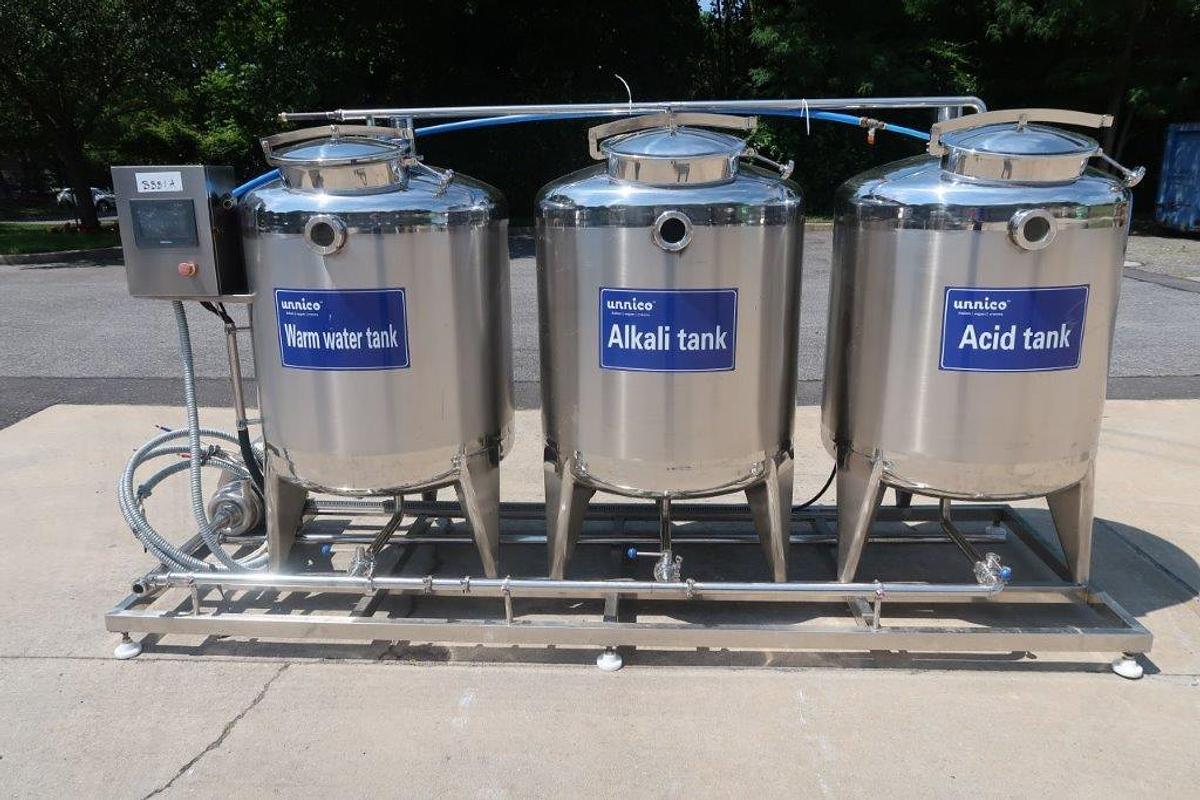
Unnico is a manufacturer focused on the packaging and labeling industries, with a product line that includes high-performance label applicators and a range of packaging machines. Their equipment serves multiple sectors, most notably food processing and pharmaceuticals, where precision, speed, and reliability are non-negotiable. Specific configurations vary by model, and used Unnico machines available through dealers can include everything from labeling systems to multi-tank electric processing units.
Because Unnico builds for industrial environments, their machines are generally designed to handle sustained production demands rather than light-duty or intermittent use. Buyers sourcing used Unnico equipment should review the specific model's original specifications carefully, including throughput rates (often measured in units per minute), compatible label or packaging formats, and the industries the machine was designed to serve. Dealers who specialize in packaging equipment can often provide detailed spec sheets and application history for individual units.
What should I know about buying used Unnico packaging equipment versus buying from a manufacturer?
Purchasing used Unnico packaging equipment through a dealer is fundamentally different from buying directly from a manufacturer. Used machines are sold as-is, meaning the buyer takes on responsibility for assessing the condition of the equipment before committing to a purchase. There are no manufacturer warranties attached to used units, so the inspection process becomes the most critical step in the transaction. This is why working with a reputable dealer who has a long track record in the packaging equipment space matters so much.
The upside of buying used is significant cost savings compared to purchasing comparable equipment through other channels, and Unnico machines are built for durability, so well-maintained units can offer many years of productive service. Buyers should factor in total cost of ownership, not just the purchase price. That means accounting for any refurbishment needed, parts availability for that specific model, and what level of support the manufacturer still offers for the age and version of the machine in question. Contacting Unnico directly to ask about parts and technical support for a specific model number is a smart step before finalizing any purchase.
How should I inspect a used Unnico machine before buying?
Inspections are one of the most important steps in any used packaging equipment purchase, and reputable dealers will typically offer buyers several options: an in-person visit, a live video walkthrough, or recorded video footage of the machine. The goal is to get an honest, accurate picture of the equipment's current condition and working order. For Unnico label applicators and packaging machines, key things to evaluate include the condition of mechanical drive components, the state of any electrical controls or touchscreens, wear on contact parts, and whether the machine powers on and cycles correctly.
Some used Unnico units may still be installed and running at a production facility at the time of sale, which creates an opportunity to see the machine operating under real conditions. Others may have been decommissioned and are being sold out of storage, in which case a more detailed mechanical inspection becomes even more important. Keep in mind that most equipment dealers do not have the permitting or production infrastructure to run actual product through a machine during a demonstration, so the inspection will focus on mechanical and electrical function rather than a full production trial. Buyers should come prepared with a checklist of the specifications most critical to their application.
What industries commonly use Unnico packaging and labeling equipment?
Unnico has built its reputation primarily in the food and pharmaceutical industries, two sectors where labeling accuracy and packaging integrity are tightly regulated and operationally critical. In food production, Unnico label applicators are used to apply product labels to bottles, jars, pouches, and other containers at high speeds with consistent placement. In pharmaceuticals, where compliance with labeling standards is a regulatory requirement, reliable and precise application equipment is essential.
Beyond those two core markets, Unnico equipment is also found in broader consumer goods and industrial packaging environments where throughput and label placement consistency are priorities. The versatility of their label applicator designs means that used Unnico machines can often be adapted to different container shapes or label formats with the right configuration adjustments. Buyers from outside the food and pharma sectors should verify that the specific model they are considering can accommodate their container type, label dimensions, and line speed requirements before purchasing.
What is the typical price range for used Unnico packaging equipment?
Pricing for used Unnico packaging equipment varies considerably depending on the machine type, model, age, condition, and the complexity of the system. Entry-level or older label applicator models can be found at lower price points, while more sophisticated multi-function packaging systems or newer models in good working condition will command higher prices. Unlike commodity goods, used industrial machinery is priced based on a combination of market demand, the machine's remaining useful life, and how well it has been maintained.
Buyers should also account for costs beyond the purchase price when calculating what a used Unnico machine will actually cost to put into production. Shipping, rigging, any necessary refurbishment or parts replacement, and installation all add to the total landed cost. Getting a clear picture of these additional expenses upfront, ideally in writing from the dealer, helps avoid surprises. Reaching out to dealers who specialize in packaging equipment is the most reliable way to get accurate current pricing on specific Unnico models, since used equipment markets fluctuate based on availability.
Are replacement parts available for used Unnico packaging machines?
Parts availability is one of the most important factors to research before purchasing any used packaging machine, and Unnico equipment is no exception. The availability of replacement components depends heavily on the age of the machine and the specific model. Newer or more recently discontinued models tend to have better parts support than older units, and contacting Unnico directly is the best way to get a straight answer about what is still available for a particular machine.
For older Unnico models where manufacturer support may be limited, buyers often turn to third-party parts suppliers, machine shops capable of fabricating wear components, or the used parts market. Some dealers who specialize in packaging equipment maintain their own parts inventory or have established relationships with suppliers that can help source hard-to-find components. Before committing to a purchase, it is worth spending time identifying the critical wear parts for the specific machine, confirming their availability and approximate cost, and factoring that into the overall ownership calculation.
How does shipping and delivery work for used Unnico packaging equipment?
Shipping used packaging equipment involves more complexity than standard freight because of the size, weight, and sensitivity of industrial machinery. Most dealers will arrange for the equipment to be properly palletized or crated before shipment, and the level of packaging required will influence the shipping cost. Larger or heavier Unnico machines may require specialized rigging equipment for loading at the origin and unloading at the destination, which adds to the overall transportation expense.
Buyers should request a detailed breakdown of all shipping-related costs from the dealer before finalizing a purchase. This should include packaging or crating fees, freight charges, and any rigging costs at either end of the shipment. Understanding the full landed cost of the equipment, meaning the purchase price plus all costs to get it to your facility and ready for installation, is essential for accurate budgeting. Transit times will vary based on the origin of the equipment, the carrier used, and the destination, so buyers with production deadlines should discuss timing expectations with the dealer early in the process.
What payment terms do used packaging equipment dealers typically require?
The standard practice among used industrial equipment dealers is to require full payment before the equipment is released for shipment. This applies to most transactions, particularly for buyers who are purchasing from a dealer for the first time. The as-is nature of used equipment sales, combined with the logistical complexity of shipping large machinery, makes advance payment the norm rather than the exception in this market.
Some dealers may offer more flexible terms to established customers with a track record of repeat purchases, but this is not something buyers should count on for an initial transaction. Wire transfers are the most common payment method for used machinery purchases of significant value. Buyers should also clarify with the dealer exactly when title to the equipment transfers, what happens if the machine is damaged in transit, and whether any escrow arrangements are available for higher-value purchases. Getting all payment and transfer terms documented in writing before sending funds is a basic but important protection.
Is used Unnico packaging equipment suitable for small businesses or primarily for large-scale operations?
Unnico designs its equipment for industrial production environments, which means their machines are built to handle sustained, high-volume output. That said, the used equipment market creates opportunities for smaller operations to access industrial-grade packaging and labeling machinery at a fraction of what comparable equipment would cost through other channels. A small food producer or contract packager, for example, might find that a used Unnico label applicator fits their production volume and budget in a way that buying comparable equipment elsewhere would not.
The key for smaller businesses is to match the machine's throughput capacity and footprint to their actual production needs. Unnico machines built for high-speed pharmaceutical or large-scale food production lines may be oversized for a small operation, both in terms of physical space and the volume of output they are optimized to produce. Reviewing the specifications for each specific model and being honest about current and near-term production volumes will help determine whether a particular used Unnico machine is a practical fit. Dealers who specialize in packaging equipment can often help buyers assess whether a given machine is appropriately sized for their application.
What should I look for when choosing a dealer to buy used Unnico equipment from?
Selecting the right dealer is arguably as important as selecting the right machine, especially in the used equipment market where there are no manufacturer warranties to fall back on. The most reliable indicator of a trustworthy dealer is a long, verifiable track record of selling packaging and labeling equipment specifically. Dealers who specialize in a particular industry segment tend to have deeper knowledge of the machines they sell, better access to accurate condition information, and more established relationships with the sellers of the equipment.
Buyers should look for dealers who are transparent about the condition of their inventory, willing to accommodate inspections (in person or by video), and able to provide detailed specifications for the machines they list. A dealer who is reluctant to allow inspection or who cannot provide basic documentation about a machine's history and current condition is a red flag. It is also worth asking how long the dealer has been in business, what their process is for sourcing machines, and whether they have experience placing Unnico equipment specifically. A dealer with genuine expertise in packaging machinery will be able to answer application-specific questions and help match the right machine to a buyer's production requirements.