Category
Manufacturer
Model
FAQ:
What types of Uhlmann packaging machines are commonly available on the used market?
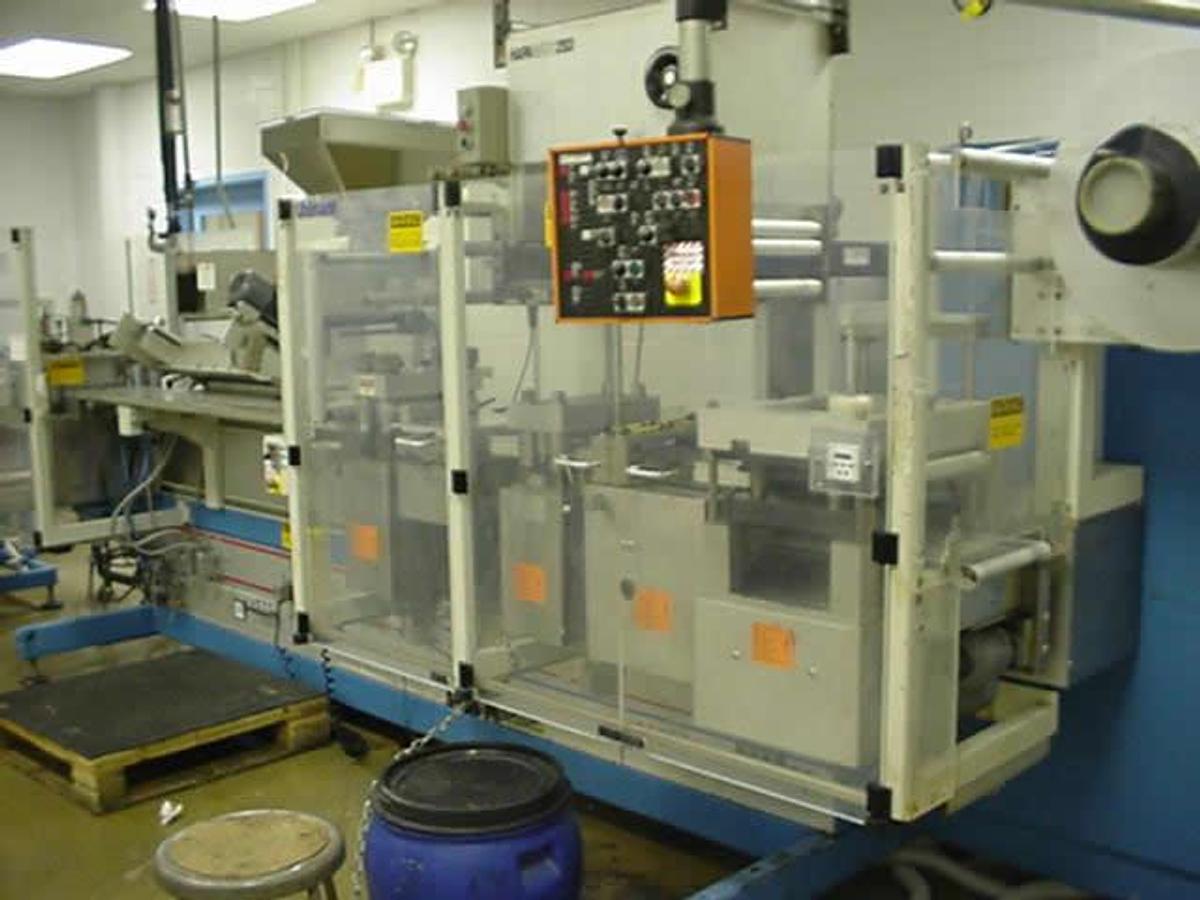
Uhlmann produces several distinct machine lines, and all of them appear with some regularity on the used equipment market. The most frequently traded models include the UPS (Uhlmann Packaging Systems) blister lines, the B series blister machines, and the C series cartoners. Each line is designed for a different production volume and packaging format, so buyers typically have a range of options depending on their throughput requirements and the type of product being packaged. Blister packaging machines, like the UPS-2-ET, are among the most sought-after because of their prevalence in solid-dose pharmaceutical manufacturing.
Beyond blister machines, Uhlmann also produces integrated packaging lines that combine blistering, cartoning, and end-of-line bundling into a single system. These complete lines occasionally come to market when pharmaceutical manufacturers upgrade facilities or consolidate production. Buyers looking for a specific configuration should work with a dealer who specializes in pharmaceutical packaging equipment, as they are more likely to source the right model and can provide accurate details on the machine's history and condition.
What is the typical price range for used Uhlmann packaging machines?
Pricing for used Uhlmann machines varies considerably based on the model, age, production speed, and overall condition of the equipment. Entry-level or older blister machines can be found in the $50,000 range, while high-speed, more recently built integrated packaging lines can exceed $500,000. The wide spread reflects the diversity of the Uhlmann product range and the fact that machines in different states of maintenance command very different valuations. A machine that has been well-maintained and recently serviced will naturally carry a higher price than one that has been sitting idle for several years.
Buyers should factor in more than just the purchase price when evaluating total cost. Shipping, rigging, installation, and any refurbishment or parts replacement needed to bring the machine to operating condition can add meaningfully to the landed cost. Requesting a detailed inspection report and getting clarity on the machine's service history before negotiating price is a practical way to avoid unexpected costs after purchase.
How long do Uhlmann blister packaging machines typically last?
Uhlmann machines have a well-established reputation for durability in the pharmaceutical packaging industry. With proper maintenance, many units operate reliably for 20 to 30 years, which is notably long compared to many other categories of production equipment. This longevity is a significant part of why used Uhlmann machines hold their value and remain in demand on the secondary market. The German engineering standards and heavy-duty materials used in their construction contribute directly to this extended service life.
That said, actual lifespan depends heavily on how the machine was used and maintained during its working life. A machine that ran multiple shifts in a high-volume production environment will show more wear than one used intermittently in a smaller facility. When evaluating a used Uhlmann machine, buyers should ask about the machine's total run hours, maintenance records, and any major component replacements that have been performed. This information gives a much clearer picture of remaining useful life than the machine's age alone.
Are used Uhlmann machines compatible with GMP and FDA regulatory requirements?
Uhlmann machines are designed from the ground up for pharmaceutical manufacturing environments, which means they are built to align with Good Manufacturing Practice (GMP) standards, FDA 21 CFR Part 11 requirements for electronic records, and EU Annex 11 guidelines. These regulatory frameworks govern everything from machine construction materials to data integrity and audit trail capabilities. Because of this, Uhlmann equipment is widely accepted in regulated pharmaceutical facilities around the world, and used machines generally retain the hardware architecture needed to support compliance.
However, buyers purchasing used equipment should conduct a thorough qualification review before assuming full regulatory compliance. Software versions, control system configurations, and documentation packages (IQ/OQ/PQ protocols) may need to be updated or recreated for the specific facility and regulatory environment. Consulting with a validation specialist and contacting Uhlmann directly to confirm support availability for the specific model and software version is strongly recommended before committing to a purchase for use in a regulated production environment.
What output speeds can be expected from Uhlmann blister packaging machines?
Uhlmann blister packaging machines cover a broad range of production speeds, which is one reason they are used in both small-batch clinical manufacturing and large-scale commercial production. Smaller or older models may produce in the range of 100 to 200 blisters per minute, while high-speed production models can reach 600 blisters per minute or more depending on the format and product type. The UPS series, for example, includes configurations designed for high-volume output with minimal changeover time, making them popular in facilities running multiple product SKUs.
Actual throughput in practice depends on several variables including blister format size, the type of lidding foil used, product characteristics, and how well the machine has been maintained. Buyers should request documentation of the machine's rated speed and, where possible, ask for recent production records or a video inspection showing the machine running at speed. This is particularly important with used equipment, as worn components can reduce effective output below the rated specification.
Can replacement parts and technical support be obtained for older Uhlmann machine models?
Parts availability and technical support for Uhlmann machines vary depending on the model's age and how long it has been out of active production. Uhlmann, as a manufacturer, maintains support for many of its machine lines, but older or discontinued models may have limited factory support. Before purchasing a used Uhlmann machine, prospective buyers are strongly encouraged to contact Uhlmann directly to confirm what level of support, parts, and documentation is available for that specific model. The manufacturer is typically the most reliable source for this information, and their response will give a realistic picture of long-term supportability.
In addition to the manufacturer, a network of third-party parts suppliers and specialized service technicians exists for Uhlmann equipment, particularly for widely used models like the B and UPS series. Some used equipment dealers who specialize in pharmaceutical packaging machinery can also assist with sourcing parts or connecting buyers with qualified service providers. Factoring parts availability into the purchasing decision is essential, especially for facilities that cannot afford extended downtime during production.
What should buyers inspect when evaluating a used Uhlmann packaging machine?
A thorough inspection is one of the most important steps in purchasing used pharmaceutical packaging equipment. For Uhlmann machines, key areas to examine include the forming and sealing stations (where wear from heat and pressure is most common), the feeding systems, the control panel and software version, and the condition of the drive and conveyor components. Buyers should also review the machine's maintenance logs if available, as a well-documented service history is a strong indicator of how the machine was cared for over its working life. Any signs of improvised repairs or missing safety guards should be treated as red flags.
Reputable dealers typically accommodate in-person inspections or, where that is not possible, virtual inspections via live video call or recorded video walkthroughs. Some machines may still be installed and operating at a production facility, which allows for a more realistic assessment of running condition. Keep in mind that most dealers do not have the permits or production infrastructure to run actual product through a machine during an inspection, so testing is generally limited to mechanical operation and basic functional checks. Buyers who require more detailed validation should plan for that work to happen after installation at their own facility.
How long does installation and commissioning of a used Uhlmann machine typically take?
Installation and commissioning timelines for used Uhlmann machines depend on several factors, including the size and complexity of the machine, the readiness of the installation site, and whether the buyer is integrating the machine into an existing packaging line or setting it up as a standalone unit. A standalone blister machine in a facility with utilities already in place might be mechanically installed within a few days. A complete integrated line with cartoning, bundling, and serialization components can take several weeks from delivery to the point where the machine is ready for qualification runs.
Commissioning a used machine also involves verifying that all components are functioning to specification after the disruption of transport and reinstallation. This process can surface issues that were not visible during pre-purchase inspection, particularly with sensors, pneumatic components, and software configurations. Buyers should budget time and resources for this phase and, if the machine will be used in a regulated environment, plan for formal qualification activities (IQ/OQ/PQ) on top of the basic commissioning work. Working with a service technician experienced specifically with Uhlmann equipment will generally shorten this timeline.
What are the shipping and logistics considerations for purchasing a used Uhlmann machine?
Uhlmann packaging machines range from relatively compact standalone blister units to large integrated lines that weigh several tons. Shipping costs and logistics complexity scale accordingly. Smaller machines may be palletized and shipped via standard freight, while larger systems require professional rigging for loading and unloading, specialized flatbed transport, and custom crating to prevent damage in transit. Buyers should ask the dealer for a detailed breakdown of packaging, rigging, and freight costs before finalizing a purchase, as these expenses can be substantial and should be factored into the total acquisition budget.
International shipments add further considerations including customs documentation, import duties, and compliance with destination country regulations for used industrial equipment. For pharmaceutical machinery specifically, some countries require additional documentation confirming the machine's prior use and regulatory history. Coordinating with a freight forwarder experienced in industrial machinery is advisable for cross-border transactions. The dealer should be able to provide the necessary technical specifications and documentation to support customs clearance.
What are the payment terms typically offered when purchasing used Uhlmann equipment?
Payment practices in the used pharmaceutical equipment market are fairly standardized. Most dealers require full payment before the machine is released for shipment. This is the norm rather than the exception, and buyers should expect it regardless of which dealer they work with. Some dealers may extend terms to repeat customers or in situations involving larger multi-machine transactions, but this is handled on a case-by-case basis and is not a standard offering for first-time buyers.
Given that used equipment is sold without the safety net of manufacturer warranties, buyers should approach the purchase process carefully. Selecting a dealer with a long track record in pharmaceutical packaging equipment, verifying the machine's condition through inspection before payment, and getting clear written documentation of what is included in the sale (manuals, spare parts, tooling, format parts) are all practical steps to protect the investment. Wire transfer is the most common payment method for transactions of this size, and buyers should verify banking details through confirmed channels to avoid fraud.