Category
Manufacturer
Model
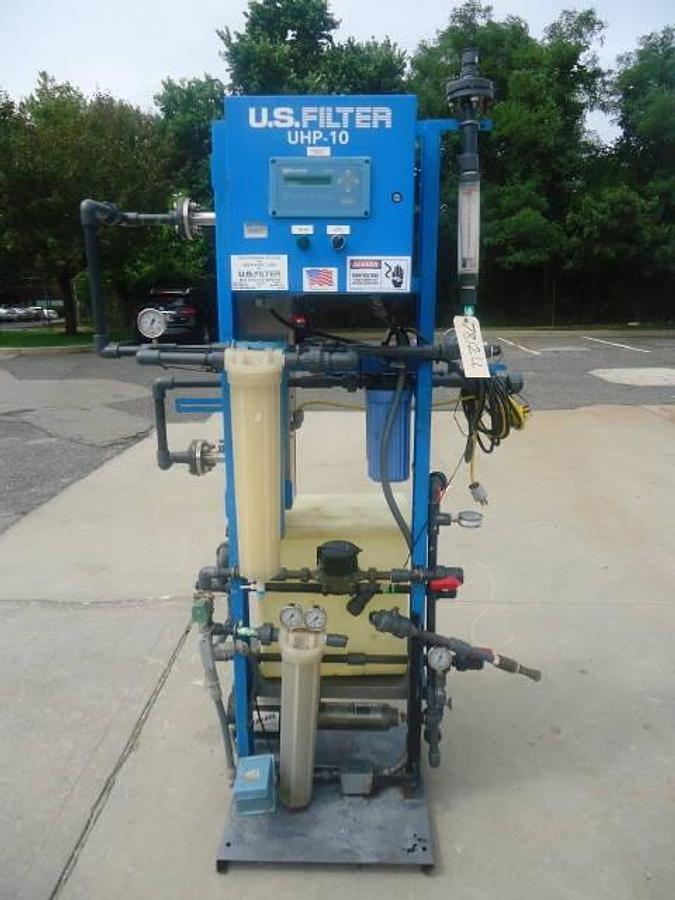
U.S.
U.S. is a broad-based manufacturer of industrial equipment, serving various sectors including construction and agriculture. They provide machinery that is designed for durability and high performance in challenging environments.
FAQ:
What types of used industrial equipment are available for sale in the U.S. market?
The U.S. used industrial equipment market is broad, covering machinery across dozens of sectors. Common categories include CNC machining centers, lathes, milling machines, material handling equipment, conveyors, compressors, generators, packaging machinery, food processing equipment, water treatment systems, and construction machinery. Manufacturers like U.S. Industries have historically produced equipment for demanding applications in construction, agriculture, and industrial processing, and their machines frequently appear on the secondary market as facilities upgrade or consolidate operations.
Beyond general manufacturing equipment, buyers can often find specialty items such as ion exchange and demineralization systems for water treatment, hydraulic presses, industrial mixers, and fabrication equipment. The availability of any specific machine depends on what facilities are currently decommissioning or selling off. Working with a dealer who specializes in a particular industry vertical tends to yield better results than searching general aggregation platforms, since specialized dealers have deeper knowledge of the equipment's condition, history, and suitability for specific applications.
What should buyers look for when purchasing used industrial equipment?
Condition is the single most important factor. Buyers should request detailed photos, maintenance logs, hours of operation, and any service records the seller has on file. Pay close attention to wear points specific to the machine type: spindle condition on CNC equipment, seal integrity on hydraulic systems, corrosion or scaling on water treatment equipment, and structural integrity on heavy construction machinery. Age alone is not always a reliable indicator of condition, since a well-maintained older machine can outperform a neglected newer one.
Beyond the physical condition of the machine, buyers should factor in total cost of ownership. That includes the cost of any parts needed to return the machine to full working order, ongoing maintenance expenses, energy consumption, and the availability of replacement parts from the manufacturer. Some manufacturers limit support and parts availability for older models, so it is worth contacting the manufacturer directly before committing to a purchase. A reputable used equipment dealer will be transparent about the machine's history and will facilitate inspections to help buyers make an informed decision.
How does the inspection process work when buying used industrial equipment?
Most reputable used equipment dealers offer buyers the opportunity to inspect machinery before purchase, either in person, via live video call, or through pre-recorded video walkthroughs of the machine. The goal of any inspection is to get an accurate picture of the equipment's current working condition, including visible wear, missing components, and any obvious mechanical issues. For machines that are still in active production at a facility, the dealer can often arrange access to the plant so the buyer can observe the equipment running under real operating conditions.
It is worth understanding that most dealers are not set up to run full production tests on the machines they sell. Operating production equipment requires specific permitting and facility infrastructure that a typical equipment dealer will not have. What dealers can generally demonstrate is that the machine powers on, that major mechanical components move as expected, and that there are no immediately apparent defects. Buyers with specific testing requirements should discuss those needs with the dealer upfront to determine what level of demonstration is feasible before making a purchase decision.
Are used industrial machines sold with a warranty?
Warranties on used industrial equipment are handled differently than on equipment purchased directly from a manufacturer. Manufacturer warranties are typically tied to the sale of new equipment and do not transfer to subsequent owners, or they expire based on age and hours of use. As a result, used equipment is almost always sold on an as-is basis, meaning the buyer accepts the machine in its current condition without a performance guarantee from the seller.
This makes the inspection process especially important. Because the burden of assessing the machine's condition falls on the buyer, selecting a dealer with a long track record in the industry matters significantly. Experienced dealers tend to be more accurate in their descriptions of equipment condition and more willing to facilitate thorough inspections. Buyers should also contact the manufacturer of the specific machine to understand what level of technical support, parts, and service documentation is still available for that model, since this can vary considerably depending on the age and production status of the equipment.
What compliance and safety certifications should buyers consider when evaluating used industrial equipment?
Industrial equipment used in U.S. workplaces is subject to a range of safety and compliance standards. OSHA regulations govern workplace safety broadly, and specific equipment categories may need to meet ANSI standards for design and performance. Electrical equipment is often subject to UL listing requirements, while equipment sold into certain markets or exported may carry CE certification. Buyers should verify which standards apply to their specific application and confirm that the equipment in question meets those requirements before putting it into service.
One complication with used equipment is that older machines may have been built to standards that have since been updated. This does not necessarily disqualify a machine from use, but it may require the buyer to retrofit certain safety features, such as updated guarding, emergency stop systems, or electrical panels, to bring the equipment into compliance with current regulations. Consulting with a qualified safety engineer or the relevant regulatory body before purchasing older equipment is a practical step that can prevent costly compliance issues after the machine is installed.
What are the typical payment terms when purchasing used industrial equipment?
The majority of used equipment dealers require payment in full before a machine is released for shipping. This is standard practice in the industry and reflects the fact that used equipment transactions involve a single asset that cannot easily be reclaimed once it leaves the seller's facility. Accepted payment methods vary by dealer but commonly include wire transfer, ACH, and in some cases certified funds. Credit card payments are less common for large transactions due to processing fees, though some dealers accommodate them for smaller purchases.
Some dealers extend payment terms to repeat customers or established buyers with a demonstrated purchase history. Buyers who need financing can explore equipment loans through commercial lenders, SBA loan programs, or equipment leasing arrangements, all of which are widely available in the U.S. market. Leasing can be a practical option for businesses that want to preserve working capital or that expect their equipment needs to change over time. Regardless of the financing structure, buyers should confirm the full payment terms with the dealer before signing any purchase agreement.
How is heavy industrial equipment shipped, and what costs should buyers anticipate?
Shipping heavy industrial equipment involves more logistical complexity than standard freight. Smaller machines may be palletized and shipped via LTL (less-than-truckload) freight carriers, while larger equipment typically requires flatbed trucking, specialized rigging, and in some cases overdimensional permits for transport on public roads. The cost of shipping is influenced by the size and weight of the machine, the distance between origin and destination, and the level of packaging or crating required to protect the equipment in transit.
Buyers should ask the dealer for a detailed breakdown of all costs associated with getting the machine to their facility. This includes packaging and crating charges, rigging fees for loading the equipment onto the transport vehicle, freight charges, and any unloading or rigging costs at the destination. Unloading heavy machinery often requires a forklift, crane, or other specialized equipment that the buyer may need to arrange independently. Getting a clear picture of the full landed cost before committing to a purchase prevents surprises and helps buyers compare the true cost of equipment from different sellers.
What is the typical lead time for receiving used industrial equipment after purchase?
Lead times for used equipment are generally shorter than for equipment ordered directly from a manufacturer, since the machine already exists and is ready to ship rather than being built to order. In many cases, a used machine can be prepared for shipment within a few days to a couple of weeks after payment is received, depending on how much preparation, cleaning, or disassembly is required before loading. Machines that are still in production at a facility may take longer, since the seller needs to coordinate decommissioning and removal with the plant.
Transit time adds to the overall timeline and varies based on distance and the type of freight service used. A machine shipping across the country via flatbed truck may take five to ten business days in transit, while international shipments involve additional time for customs clearance and port handling. Buyers with hard installation deadlines should communicate those timelines to the dealer early in the process so that shipping arrangements can be planned accordingly. Factoring in time for installation, leveling, and any necessary commissioning work is also important when planning a project schedule.
How do buyers evaluate the reputation of a used industrial equipment dealer?
Longevity in the industry is one of the clearest signals of a dealer's reliability. Dealers who have been operating for many years have navigated market cycles, built supplier relationships, and developed the expertise needed to accurately describe and represent the equipment they sell. It is reasonable to ask a dealer how long they have been in business and what industries they specialize in, since dealers with deep experience in a specific sector tend to have better knowledge of the equipment and a stronger network for sourcing quality machines.
Buyers can also look at the depth of a dealer's current inventory, the quality of their equipment listings (including photos, specifications, and condition notes), and their willingness to facilitate inspections. A dealer who is reluctant to allow inspections or who provides vague information about a machine's condition is a red flag. References from past buyers, online reviews, and any industry affiliations can provide additional context. Choosing a dealer who specializes in the type of equipment you need, rather than a generalist with no particular expertise, generally leads to a better buying experience and a more accurate assessment of what you are purchasing.
What is total cost of ownership, and why does it matter when buying used industrial equipment?
Total cost of ownership (TCO) is the full financial picture of owning and operating a piece of equipment over its useful life, not just the purchase price. For used industrial machinery, TCO includes the acquisition cost, shipping and rigging, installation and commissioning, any repairs or refurbishment needed to bring the machine to working condition, ongoing maintenance, energy consumption, and the cost of spare parts over time. Buyers who focus only on the sticker price often underestimate what a machine will actually cost them to operate.
Used equipment can offer significant savings compared to purchasing directly from a manufacturer, but those savings need to be weighed against the condition of the machine and the costs of getting it running reliably. A machine priced attractively may require substantial investment in parts or service before it is production-ready. Conversely, a machine that is priced higher but is in excellent condition with a full complement of tooling and documentation may represent better value over the long run. Running a realistic TCO analysis before purchasing, including a frank conversation with the dealer about the machine's known condition and any outstanding maintenance needs, leads to better purchasing decisions.