Category
Manufacturer
Model
FAQ:
What sizes and capacities are available for used Triumph dough mixers?
Triumph dough mixers are available in a range of capacities to suit different production volumes. On the smaller end, units designed for light commercial or semi-commercial use handle batches in the range of 20 to 60 quarts. Larger commercial models, like the 1-1/2 barrel (Bbl) tilt-discharge configuration, are built for high-volume bakery or food production environments where continuous, large-batch mixing is required. A barrel in dough mixing is roughly equivalent to 196 pounds of flour, so a 1-1/2 Bbl machine can process substantial batch weights in a single cycle.
When shopping for a used Triumph mixer, capacity is one of the first specs to nail down. Undersizing a machine for your production needs leads to over-cycling and premature wear, while oversizing means unnecessary footprint and energy consumption. Used machines are listed by their rated capacity, so pay close attention to whether the listing specifies quarts, pounds of dough, or barrels, as these are different units of measurement. Ask the seller for the full specification sheet if it is not included in the listing.
What types of dough can a Triumph commercial dough mixer handle?
Triumph commercial dough mixers are built to handle a wide spectrum of dough types, including stiff bread doughs, pizza doughs, bagel doughs, and high-hydration artisan-style doughs. The spiral or planetary mixing action found in commercial-grade machines generates the kind of consistent gluten development that bread and pizza production demands. Stiff doughs, which put the most strain on a mixer's motor and transmission, are where the heavy-duty construction of commercial equipment really matters. A machine rated for commercial use should be able to run repeated batches of low-hydration dough without overheating or straining.
High-hydration doughs, like those used for ciabatta or certain sourdough formulas, are generally easier on the motor but require thorough bowl scraping and longer mix times. Triumph mixers used in bakery and pizzeria settings are typically well-suited to both extremes. That said, when buying a used machine, it is worth asking the seller about the machine's history and what types of dough it was primarily used to mix, since a mixer that spent years on stiff bagel dough will have experienced more mechanical stress than one used for softer pastry applications.
Is a Triumph dough mixer suitable for home use, or is it strictly a commercial machine?
Triumph dough mixers are designed and built for commercial production environments, including bakeries, pizzerias, large restaurant kitchens, and food manufacturing facilities. The physical footprint, electrical requirements (many larger units run on three-phase power), and batch capacities are all calibrated for production-scale output rather than household use. A 1-1/2 Bbl machine, for example, is far beyond what any home kitchen would need or could practically accommodate.
That said, some serious semi-commercial operators, such as cottage bakers, small-scale artisan producers, or culinary schools, do purchase smaller used commercial mixers for dedicated baking spaces that are separate from residential kitchens. If you are considering a used Triumph mixer for a non-commercial setting, the key factors to verify are the power supply available at your location, the floor space and structural support required, and whether local health or zoning codes apply to your setup. A used commercial mixer can be a cost-effective way to access production-grade equipment, but it requires the right infrastructure to operate safely and effectively.
How much does a used Triumph dough mixer typically cost?
Pricing for used Triumph dough mixers varies considerably based on the machine's capacity, age, mechanical condition, and configuration. Smaller used commercial units can sometimes be found in the range of a few hundred to a couple of thousand dollars. Larger capacity machines, particularly floor-standing models with tilt-discharge or specialized bowl configurations, can run several thousand dollars or more depending on their condition and how recently they were last serviced.
Because these are used machines, condition plays a much larger role in pricing than it would for equipment purchased directly from a manufacturer. A well-maintained machine with documented service history will typically command a higher price than one sold with limited information about its operational past. Buyers should factor in not just the purchase price but also shipping, rigging, any refurbishment costs, and the cost of replacement parts or consumables like bowl liners or agitator attachments. Getting a clear picture of the total landed cost before committing to a purchase is always a smart approach.
What should I inspect when buying a used Triumph dough mixer?
A thorough inspection of a used Triumph dough mixer should cover both the mechanical and structural condition of the machine. On the mechanical side, check the motor for smooth operation without unusual noise, vibration, or heat buildup during a run cycle. Examine the transmission and drive components for signs of wear, and confirm that all speed settings engage and disengage cleanly. The mixing bowl should be free of significant dents, cracks, or corrosion, and the agitator or hook should show normal wear without any bending or cracking that would affect mixing performance.
Structurally, inspect the frame and base for any signs of damage from prior use or transport. On tilt-discharge models, confirm that the tilting mechanism operates smoothly and locks securely in both the mixing and discharge positions. Reputable used equipment dealers will typically accommodate in-person inspections at their facility, or they can arrange video walkthroughs and detailed photo documentation of the machine's current condition. Keep in mind that most dealers do not have the permitting required to run actual production, so testing will generally be limited to a dry or no-load run rather than a full dough batch. If the machine is still installed at a production facility, an inspection may be possible while it is still in operation.
What is a tilt-discharge dough mixer, and why does it matter for commercial baking operations?
A tilt-discharge dough mixer is a design in which the mixing bowl or the entire mixer head tilts to allow the finished dough to be discharged directly into a trough, bin, or onto a work surface, rather than requiring an operator to manually remove the bowl. This is a significant ergonomic and efficiency feature in high-volume production settings where batches are mixed continuously throughout a shift. Lifting heavy dough out of a stationary bowl is physically demanding and slows down production, so the tilt-discharge mechanism addresses both labor and throughput concerns.
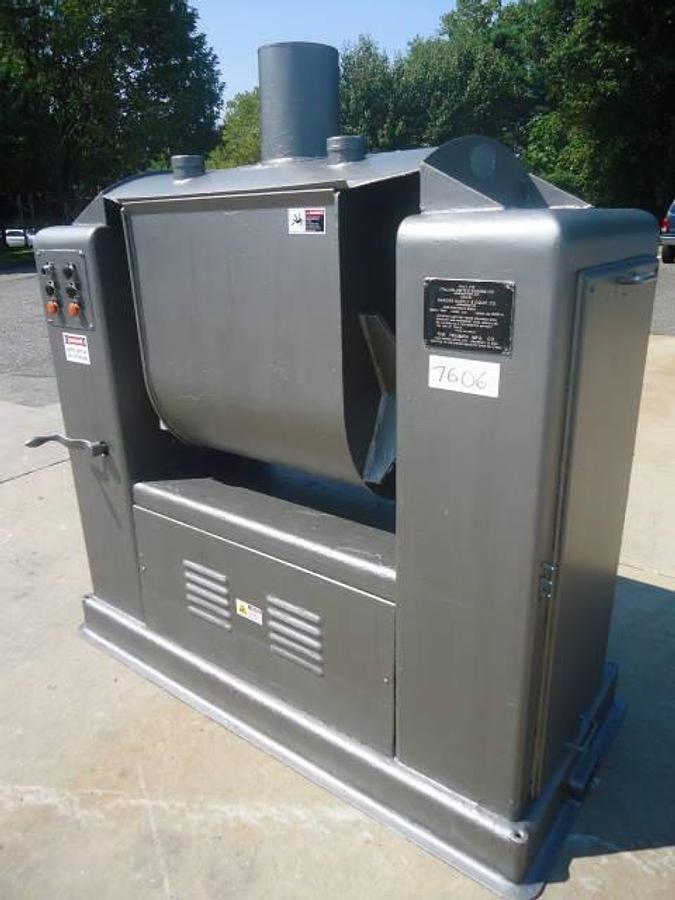
For larger commercial operations, the tilt-discharge configuration is often the standard rather than the exception. The 1-1/2 Bbl Triumph mixer, for example, is specifically noted as a tilt-discharge model, which signals that it was designed for production-scale bakery or dough manufacturing environments. When evaluating a used tilt-discharge machine, pay particular attention to the condition of the tilting mechanism, including the hydraulic or mechanical components that control the tilt angle, and verify that safety locks and stops are functioning correctly. A malfunctioning tilt mechanism on a large machine is both a safety hazard and a production liability.
Does a used Triumph dough mixer come with a warranty?
Used commercial equipment, including used Triumph dough mixers, is typically sold on an as-is basis by equipment dealers. This is standard practice in the used machinery industry. Unlike purchasing directly from a manufacturer, buying a used machine means the buyer takes on the responsibility of assessing the equipment's condition prior to purchase. There is no standard warranty coverage that transfers with a used machine sale.
Because of this, selecting a reputable used equipment dealer with a solid track record in the food processing or bakery equipment space is especially important. Buyers should take full advantage of any inspection options offered, whether in person, via video call, or through detailed photo documentation, before committing to a purchase. It is also worth contacting the manufacturer directly to understand what parts and technical support may still be available for the specific model and age of machine you are considering, since older or discontinued models may have limited parts availability.
What are the typical power and electrical requirements for a commercial Triumph dough mixer?
Commercial dough mixers in the Triumph lineup, particularly larger floor-standing models, commonly require three-phase electrical power rather than the standard single-phase power found in most residential and light commercial buildings. Three-phase power delivers more consistent torque and is better suited to the sustained heavy loads that large-batch dough mixing generates. Smaller commercial units may operate on single-phase 208V or 240V circuits, but this varies by model and motor configuration. Always confirm the specific voltage, phase, and amperage requirements of any machine before purchase.
For buyers who do not currently have three-phase power at their facility, installing it is possible but involves an electrician and potentially coordination with the local utility provider, which adds to the total cost of putting the machine into service. Some operations use phase converters as a workaround, though this approach has trade-offs in terms of motor efficiency and is not universally recommended for heavy-duty continuous use. Verifying electrical compatibility early in the buying process prevents surprises after the machine has already shipped.
How does shipping work for a large used commercial dough mixer?
Shipping a large commercial dough mixer requires more planning than typical freight shipments. Machines of this size and weight need to be properly palletized or crated to prevent damage in transit. The level of packaging required, whether a standard pallet, a reinforced crate, or a custom wooden skid, will affect the shipping cost. Heavier floor-standing models may also require specialized rigging equipment for loading at the origin and unloading at the destination, which is typically an additional cost beyond standard freight charges.
Buyers should ask the seller for a detailed breakdown of packaging, rigging, and freight costs before finalizing a purchase, since the total landed cost of the machine can differ meaningfully from the listed sale price. For very large machines, liftgate service at the delivery address may be required if a loading dock is not available. Most used equipment dealers require full payment prior to shipping, so it is important to have all logistics and costs confirmed in advance. If any uncertainty exists about the machine's dimensions or weight, request the full shipping specs from the seller to get accurate freight quotes.
What attachments or agitator types are typically associated with commercial dough mixers like the Triumph?
Commercial dough mixers are generally designed around a specific agitator type suited to the dough being produced. Spiral agitators are the most common in dedicated dough mixers, as the spiral shape efficiently develops gluten while minimizing heat buildup from friction, which is critical for maintaining dough temperature during long mix cycles. Some commercial mixers use a fork or double-arm agitator design, which is also well-regarded for artisan bread and high-hydration doughs. Planetary-style mixers, which use interchangeable attachments like a dough hook, flat beater, and wire whip, offer more versatility but are generally better suited to lighter dough volumes than a dedicated spiral machine.
When purchasing a used commercial dough mixer, it is important to confirm which agitator or hook is included with the machine, since these components are specific to the model and can be expensive or difficult to source separately. On used machines, inspect the agitator carefully for any bending, cracking, or unusual wear that could affect mixing performance or indicate prior overloading. If the listing does not specify what is included, ask the seller directly before completing the transaction.