Category
Manufacturer
Model
Tri-Canada
Tri-Canada is known for its high-quality packaging machinery that serves the food and beverage industries. They specialize in bottling and labeling equipment that helps streamline production lines and improve product presentation.
FAQ:
What types of packaging machinery does Tri-Canada make?
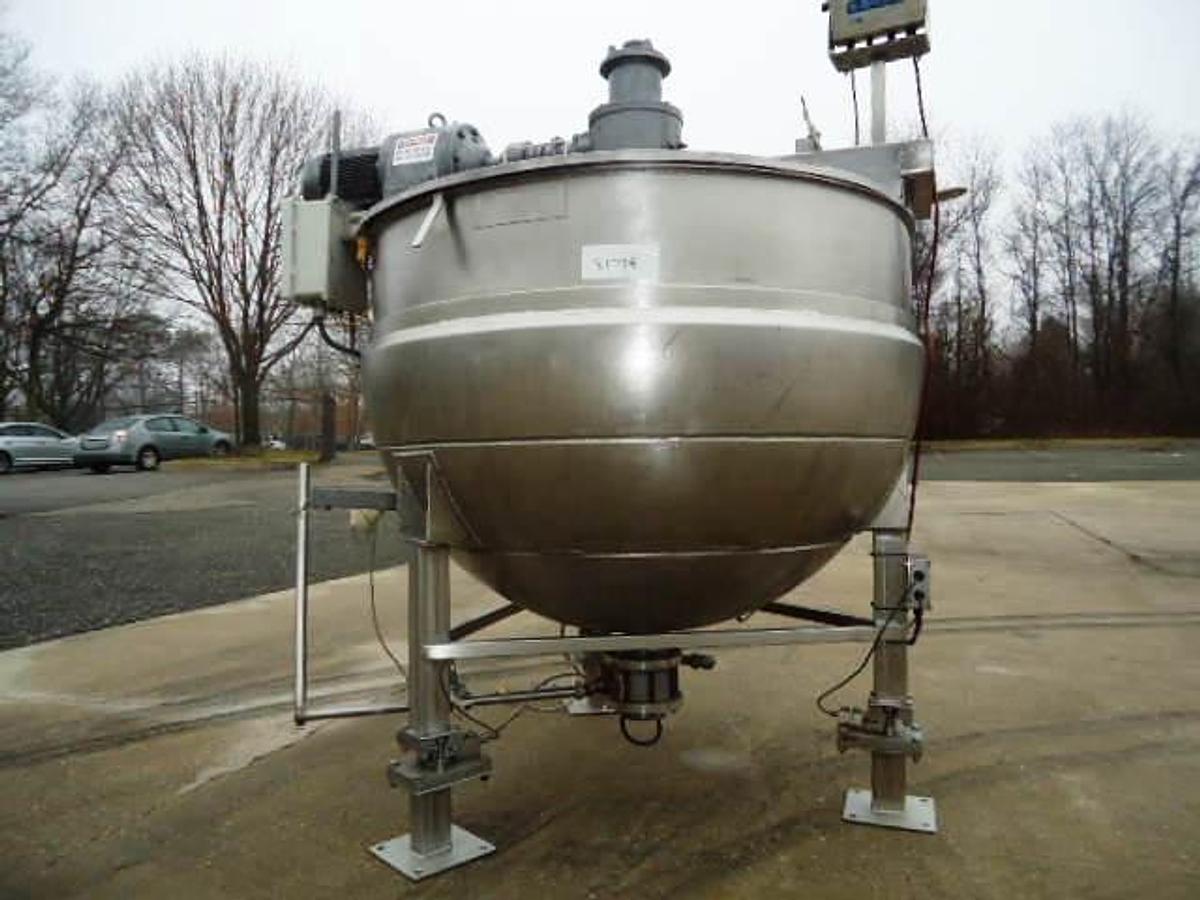
Tri-Canada is a packaging equipment manufacturer with a focus on the food and beverage industries. Their product line includes bottling and labeling equipment, stainless steel processing vessels such as dual-action scraper kettles, and positive displacement pumps. The scraper kettle design, for example, is built with 316 stainless steel construction and jacketed pressure ratings suited for heated processing applications, which speaks to the industrial-grade nature of the equipment. Labeling and bottling machinery from Tri-Canada is designed to streamline production lines and improve throughput consistency.
Beyond the core bottling and labeling focus, Tri-Canada equipment turns up in a range of food processing and liquid handling contexts. The positive displacement pump models, such as the 3/4 HP stainless steel units, are commonly used in sanitary transfer applications where product integrity matters. Buyers looking for used Tri-Canada machinery should pay attention to the specific model and configuration, as the brand covers both processing-side equipment (kettles, pumps) and packaging-side equipment (fillers, labelers), and the two categories serve quite different roles on a production floor.
What industries use Tri-Canada packaging equipment?
Tri-Canada machinery is primarily associated with the food and beverage industries, where sanitary construction standards and reliable throughput are non-negotiable. The stainless steel materials used across their equipment lineup, including 316 SS kettles and SS positive displacement pumps, make them well-suited for applications involving food-grade liquids, sauces, dairy products, beverages, and similar products. Bottling and labeling equipment from this manufacturer fits naturally into craft beverage operations, sauce and condiment production, and mid-scale food manufacturing environments.
Outside of food and beverage, the underlying equipment types that Tri-Canada produces, particularly pumps and processing vessels, can find applications in personal care, pharmaceutical, and specialty chemical processing where sanitary transfer and temperature-controlled mixing are required. Buyers from these adjacent industries sometimes source used Tri-Canada equipment because the stainless steel construction meets their cleanliness and corrosion-resistance requirements. When evaluating a specific used machine for a non-food application, it is worth confirming that the model's pressure ratings, material certifications, and mechanical configuration align with the intended process.
What should buyers know about purchasing used Tri-Canada packaging machinery?
Used Tri-Canada packaging machinery gives buyers access to industrial-grade equipment at a fraction of the cost of sourcing comparable capacity from a current production run. For small and mid-sized food and beverage operations, this can be a practical way to expand production capacity without a large capital outlay. That said, buying used equipment requires more due diligence than buying current production machinery. The buyer takes on the responsibility of verifying the machine's condition, since used equipment is sold as-is and does not carry manufacturer coverage.
The most important step in any used packaging equipment purchase is a thorough inspection. Reputable used machinery dealers will accommodate in-person inspections at their facility or, where the equipment is still at a production site, at the plant where it was last in use. Video inspections and detailed photo documentation are also commonly offered. Buyers should review wear on mechanical components, check for corrosion or damage to seals and contact surfaces, and confirm that all major assemblies are present and accounted for. Consulting the manufacturer directly about parts availability and service support for a specific model and age of machine is also a smart step before committing to a purchase.
How do inspections work when buying used packaging machinery?
Used packaging equipment dealers typically offer buyers several options for inspecting machinery before purchase. In-person inspections at the dealer's warehouse are the most straightforward, and most reputable dealers will schedule these by appointment. In cases where the equipment is still located at the facility where it was last used, the dealer can often coordinate access to the plant so the buyer can see the machine in its original operating environment. Virtual inspections via live video call, or detailed video recordings of the machine, are also widely available and useful for buyers who are not local.
One thing buyers should keep in mind is that most used equipment dealers are not licensed production facilities, so they cannot run actual product through a machine to demonstrate its output. What they can typically do is confirm that the machine powers on, that mechanical assemblies move as expected, and that there are no obvious signs of damage or missing components. For more complex packaging lines, buyers sometimes bring in an independent machinery technician to assess condition during an in-person inspection. Getting as complete a picture as possible of the machine's current state before purchase is the best protection a buyer has, given that used equipment changes hands as-is.
What is the typical price range for used Tri-Canada packaging machinery?
Pricing for used Tri-Canada packaging machinery varies considerably depending on the type of equipment, its age, condition, and configuration. Smaller items such as positive displacement pumps can sell in the range of a few hundred to a few thousand dollars depending on size and condition. Larger processing vessels like jacketed scraper kettles, which involve more complex fabrication and higher-grade materials, typically command higher prices, often ranging from several thousand dollars into the tens of thousands depending on capacity and condition.
Buyers should factor in more than just the listed price of the machine. Shipping, rigging, and crating costs can add meaningfully to the total landed cost, particularly for heavier equipment that requires specialized loading equipment. If the machine needs reconditioning, replacement seals, or other parts before it goes into service, those costs should be estimated before finalizing a purchase decision. Requesting a full breakdown of shipping and handling costs from the dealer upfront is the best way to understand what the equipment will actually cost by the time it arrives at your facility.
What payment terms do used packaging machinery dealers typically offer?
Most used packaging equipment dealers require full payment before a machine is released for shipping. This is standard practice across the industry and reflects the fact that used equipment transactions do not involve the same financing infrastructure as purchasing through a manufacturer's sales channel. Some dealers extend payment terms to repeat customers or established business relationships, but first-time buyers should generally expect to pay in full upfront.
Buyers who need financing for larger equipment purchases typically arrange it independently through equipment financing companies or their own banking relationships. There are specialty lenders who focus specifically on used industrial machinery, and some will finance equipment that is several years old as long as it has verifiable resale value. Getting financing pre-arranged before approaching a dealer puts buyers in a stronger position to move quickly when the right piece of equipment becomes available, since desirable used machines can sell without much notice.
How is used packaging machinery typically shipped, and what costs should buyers expect?
Shipping used packaging machinery involves more logistical complexity than standard freight because of the weight, size, and sensitivity of the equipment. Smaller items like pumps can often be palletized and shipped via standard LTL (less-than-truckload) freight carriers. Larger machines such as kettles or complete filling and labeling systems usually require custom crating to prevent damage in transit, and the cost of that crating is typically passed on to the buyer. The level of packaging required depends on the fragility of the equipment and the shipping distance.
For heavy equipment, rigging costs are an additional consideration. Loading a large kettle or a multi-component packaging line onto a truck requires forklifts or cranes, and if the buyer's facility does not have unloading equipment, that needs to be arranged on the receiving end as well. Buyers should ask the dealer for a complete breakdown of packaging, rigging, and freight costs before finalizing a purchase. Getting a clear picture of the total landed cost, meaning the purchase price plus all costs to get the machine operational at your site, is essential for accurate budgeting.
What is a 316 stainless steel dual-action scraper kettle, and what is it used for?
A dual-action scraper kettle is a type of jacketed mixing vessel used in food processing and similar industries. The 'dual-action' designation refers to the agitator design, which combines a central mixing blade with scraper blades that continuously move product away from the heated vessel walls. This prevents scorching and ensures even heat distribution throughout the batch, which is critical for thick or viscous products like sauces, jams, confections, and dairy-based preparations. The jacketed construction allows steam or hot water to circulate around the exterior of the vessel, providing indirect heat to the product inside.
316 stainless steel is the material of choice for food-contact processing equipment because of its superior corrosion resistance compared to standard 304 stainless. The added molybdenum content in 316 SS makes it more resistant to chlorides and acidic food products, which is why it is specified for applications involving tomato-based products, citrus, dairy, and similar ingredients. A pressure-rated jacket, such as one rated to 125 PSI, allows the vessel to be used with higher-temperature steam, expanding the range of products and processes it can handle. Used scraper kettles in good condition are popular among small and mid-sized food manufacturers because new vessels of comparable quality represent a significant capital investment.
What is a positive displacement pump, and where is it used in packaging and food processing?
A positive displacement pump moves fluid by trapping a fixed volume and forcing it through the discharge side of the pump with each cycle or rotation. Unlike centrifugal pumps, which rely on velocity to move fluid, positive displacement pumps deliver a consistent flow rate regardless of the viscosity of the product being transferred. This makes them particularly well-suited for thick, chunky, or shear-sensitive products that would be damaged or poorly handled by other pump types. Common applications include transferring sauces, creams, gels, slurries, and similar food products from one vessel to another or into filling equipment.
In food and beverage processing environments, stainless steel positive displacement pumps are the standard because they can be cleaned in place (CIP) and meet sanitary construction requirements. The pump's smooth internal surfaces and minimal dead zones reduce the risk of product buildup and bacterial growth. Smaller pumps in the 3/4 HP range, like those found in Tri-Canada's lineup, are typically used in lower-volume transfer applications or as part of a larger processing line where precise metering is needed. When evaluating a used positive displacement pump, buyers should inspect the condition of the rotor, stator, and seals, as these are the components most subject to wear and the ones most likely to need replacement before the pump goes back into service.
How should buyers evaluate a used packaging equipment dealer before making a purchase?
The track record of a used equipment dealer matters a great deal when buying machinery that comes without manufacturer backing. Buyers should look for dealers who have been operating for a meaningful number of years and who specialize in the type of equipment they are selling. A dealer who focuses specifically on food processing and packaging machinery will have more relevant expertise than a general industrial auction house, and is more likely to accurately represent the condition and specifications of the equipment. Industry specialization also means the dealer is more likely to have sourced the machine from a legitimate production environment and to understand what condition issues are common for a given type of equipment.
Beyond tenure and specialization, buyers should assess how forthcoming a dealer is with information. A trustworthy dealer will provide detailed photos, video footage, and honest descriptions of any known condition issues. They will accommodate inspection requests rather than discouraging them. It is also worth checking whether the dealer has verifiable references or reviews from past buyers, and whether they are reachable and responsive during the sales process. Taking the time to vet the dealer is especially important with used equipment, since the buyer is relying on the dealer's representation of the machine's condition in the absence of a manufacturer's certification or coverage.