Category
Manufacturer
Model
Total Packs
Total Packs specializes in providing packaging solutions primarily for the food and beverage industry. They are known for their automated packing machines, which enhance production line efficiency. Their equipment includes shrink wrappers and case packers that cater to various packaging needs.
FAQ:
What types of packaging machines does Total Packs manufacture?
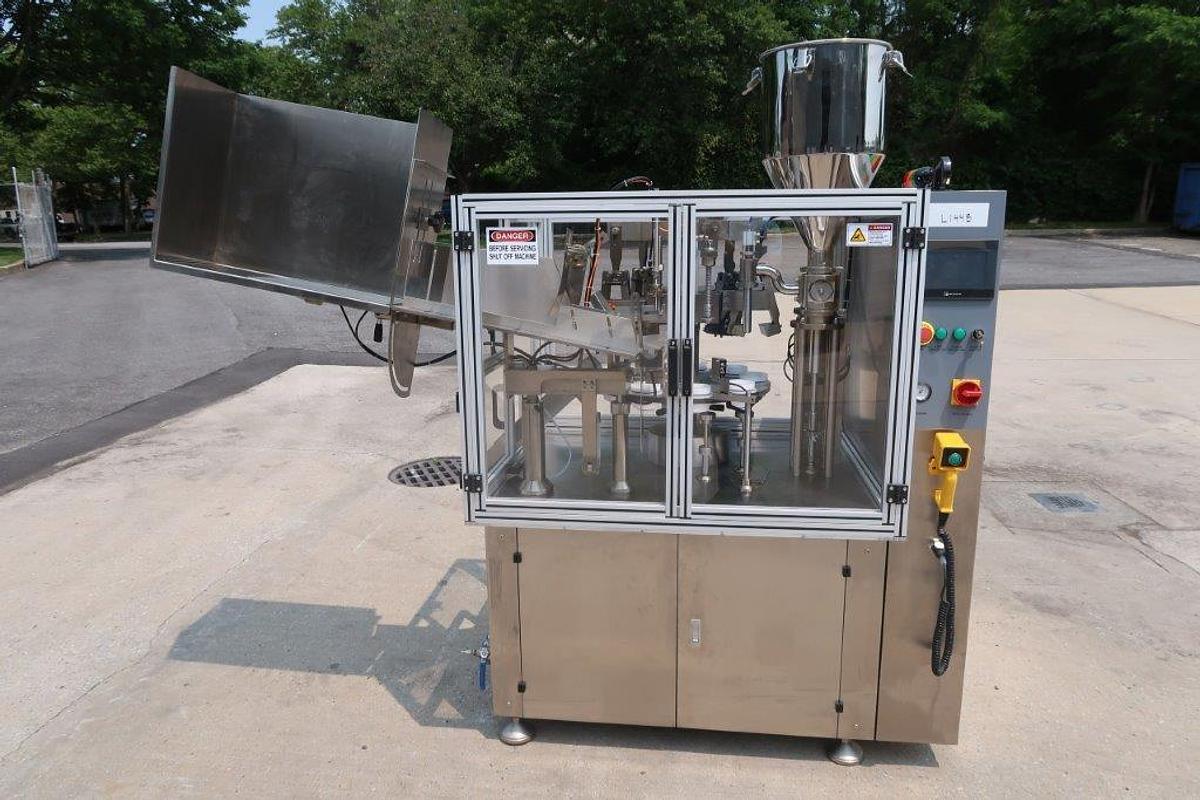
Total Packs builds equipment focused on automating packaging lines across several industries, with a particularly strong presence in food and beverage. Their lineup includes shrink wrappers, case packers, and tube filling and sealing machines, among other formats. One well-known example is their GMP Metal Tube Filling and Sealing Machine, which runs at up to 50 units per minute, a throughput rate that suits mid-to-high volume production environments. The brand is recognized for prioritizing line efficiency, which makes their machines a common target for buyers looking to reduce manual labor in their packaging operations.
Beyond the food and beverage sector, Total Packs equipment has found use in pharmaceuticals, cosmetics, and industrial goods packaging. Their machines tend to accommodate a range of packaging formats and film types, which gives buyers flexibility when running multiple product lines. Used Total Packs machines appear on the secondary market with some regularity, making it possible to acquire this equipment at a fraction of the cost of comparable alternatives, provided buyers do their due diligence on condition and compatibility before purchasing.
What should I know before buying a used Total Packs packaging machine?
Buying used packaging equipment requires a more careful evaluation process than purchasing from a manufacturer. Since used machines are sold as-is, the responsibility for verifying condition, functionality, and suitability falls squarely on the buyer. Before committing to a purchase, it is worth requesting a detailed inspection, whether in person, via live video call, or through recorded video footage of the machine in its current state. Reputable used equipment dealers will typically accommodate at least one of these options, and some machines may still be installed at the original production facility where a live demonstration can be arranged.
Buyers should also contact Total Packs directly to understand what level of manufacturer support is available for the specific model and age of the machine they are considering. Older models or discontinued lines may have limited parts availability, which affects long-term serviceability. Checking the machine's production speed, compatibility with your packaging materials, and whether it meets any relevant regulatory standards for your industry (such as GMP compliance for pharmaceutical or food applications) are all critical steps before finalizing a purchase.
Are used Total Packs machines suitable for small businesses?
Used Total Packs machines can be a practical entry point for smaller operations that need to automate packaging but cannot justify the capital outlay of purchasing comparable equipment at full price. Semi-automatic models, in particular, tend to have lower acquisition costs on the secondary market and require less infrastructure to operate, making them accessible to businesses that are scaling up gradually. A machine rated at 50 packs per minute, for example, may be more than adequate for a small-to-mid-size operation and can represent significant value when purchased used.
That said, small businesses should factor in more than just the purchase price. Installation, any required electrical or pneumatic modifications, operator training, and ongoing maintenance all carry costs that can add up quickly. It is also worth considering whether local technicians familiar with the brand are available in your area, since service access can be harder to arrange for smaller buyers who lack established vendor relationships. Consulting with the selling dealer about the machine's history, any recent servicing, and the availability of spare parts will help smaller buyers make a more informed decision.
What packaging materials and formats are compatible with Total Packs equipment?
Total Packs machines are designed to handle a variety of packaging formats depending on the specific model. Shrink wrappers in their lineup typically work with polyolefin and PVC shrink films, which are standard in food, beverage, and consumer goods packaging. Case packers handle corrugated carton formats and are built for high-volume secondary packaging applications. Their tube filling and sealing machines, such as the GMP Metal Tube model, are designed for viscous or semi-viscous products packaged in metal tubes, a format common in cosmetics, pharmaceuticals, and personal care products.
When evaluating a used Total Packs machine for compatibility, buyers should verify the specific film gauges, tube diameters, or carton dimensions the machine was configured for, since many packaging machines are set up for a particular product run and may require changeover parts or adjustments to handle different formats. Reaching out to Total Packs or a qualified packaging equipment technician can clarify what modifications, if any, are needed to adapt the machine to your specific packaging requirements before you finalize a purchase.
How fast do Total Packs packaging machines run?
Machine speed varies significantly across the Total Packs product range and depends on the type of equipment and the specific model. Their GMP Metal Tube Filling and Sealing Machine, for instance, is rated at 50 units per minute, which places it in the mid-range category for tube filling equipment and makes it well-suited for production environments with moderate-to-high volume demands. Shrink wrappers and case packers in the lineup may operate at different speeds depending on the configuration and the size of the packages being handled.
When shopping for a used Total Packs machine, it is important to verify that the rated speed reflects the machine's current condition and not just its factory specification. Used equipment that has experienced heavy production cycles may not consistently achieve its rated throughput without servicing or parts replacement. Asking the dealer for documentation on the machine's recent production history, and if possible observing it running during an inspection, will give buyers a more realistic picture of actual operating speed before committing to a purchase.
What is the typical price range for used Total Packs packaging machines?
Pricing for used Total Packs machines varies based on the type of equipment, its age, condition, and how recently it was serviced. Tube filling machines, shrink wrappers, and case packers each occupy different price tiers on the secondary market. Entry-level or older semi-automatic models tend to be more affordable, while fully automatic, high-speed machines in good working condition command higher prices. As a general reference point, used packaging machines in this category can range from a few thousand dollars for basic models up to tens of thousands for more complex, high-throughput equipment.
Buyers should also account for the full landed cost of the machine, not just the listed sale price. Shipping, crating or palletization, rigging for loading and unloading, and any installation or commissioning work are all additional expenses that can meaningfully affect the total investment. Requesting a detailed quote from the dealer that breaks out each of these costs before agreeing to purchase will help avoid budget surprises and allow for a more accurate comparison between different machines or suppliers.
Do used Total Packs machines come with a warranty?
Used packaging equipment is typically sold as-is, without a warranty from the dealer. Manufacturer warranties are generally tied to the sale of equipment directly from the manufacturer and do not transfer to subsequent buyers on the secondary market. This is a standard practice in the used machinery industry and applies broadly to Total Packs equipment as well. The absence of a warranty makes the pre-purchase inspection process especially important, since buyers assume responsibility for the machine's condition once the sale is complete.
To manage this risk, buyers should prioritize working with used equipment dealers who have an established track record in the packaging machinery space and who are willing to facilitate thorough inspections before purchase. It is also advisable to contact Total Packs directly to ask about parts availability and technical support for the specific model being considered, since the manufacturer's willingness and ability to support older equipment varies by model and production year. Understanding what support infrastructure exists before buying can significantly reduce the risk of being left without recourse if a repair is needed.
How does shipping work for used Total Packs packaging machines?
Shipping used packaging machinery involves more complexity than standard freight because of the size, weight, and fragility of the equipment. Most dealers will arrange for the machine to be palletized or crated prior to shipment, with the level of packaging depending on the machine's dimensions and the distance it needs to travel. Heavier or larger machines, such as case packers or multi-lane filling lines, may require professional rigging services for both loading at the origin and unloading at the destination, and those costs are typically passed on to the buyer.
Buyers should ask the dealer for a complete breakdown of shipping costs before finalizing the purchase, including crating or palletization fees, freight charges, rigging costs, and any applicable fuel surcharges. For international shipments, customs duties and import fees will also factor into the total landed cost. Transit times vary based on the carrier, the shipping method selected, and the distance involved, so it is worth confirming an estimated delivery window with the dealer at the time of purchase, particularly if the machine is needed by a specific production deadline.
What payment terms should I expect when buying a used Total Packs machine?
Payment terms for used packaging equipment purchases are generally straightforward but differ from what buyers might be accustomed to with other types of commercial transactions. Most used equipment dealers require full payment before the machine is released for shipping. This is the standard practice in the industry and reflects the dealer's need to confirm funds before incurring shipping and logistics costs on a large piece of equipment. Some dealers may extend alternative terms to repeat customers or established accounts, but first-time buyers should plan for full upfront payment as the default expectation.
Accepted payment methods vary by dealer but commonly include wire transfer, certified check, or other forms of verified funds. Credit card payments may be accepted in some cases, though often with an additional processing fee for large transactions. Buyers should clarify payment method options, any associated fees, and the exact timing of payment relative to shipping during the negotiation phase, before signing any purchase agreement. Confirming these details in writing protects both parties and helps ensure a smooth transaction.
Can I inspect a used Total Packs machine before buying it?
Inspections are a standard part of the used packaging equipment buying process and most reputable dealers will accommodate them in some form. Options typically include an in-person visit to the dealer's facility or, if the machine is still installed at the original production site, an inspection arranged at that location. Virtual inspections via live video call are also commonly available and can be a practical alternative for buyers who are geographically distant. Some dealers will provide recorded video footage of the machine as a baseline, though a live inspection is preferable when possible.
It is important to understand that most used equipment dealers are not set up to run full production trials, since operating a packaging line at commercial scale requires different permitting and infrastructure than a standard machinery resale facility. Inspections will therefore focus on verifying the machine's physical condition, completeness of components, and basic mechanical function rather than a full production run with actual product. Buyers who need a higher level of confidence in the machine's performance may want to engage an independent packaging equipment technician to accompany them during the inspection or review any available service and maintenance records before committing to the purchase.