Category
Manufacturer
Model
Torit
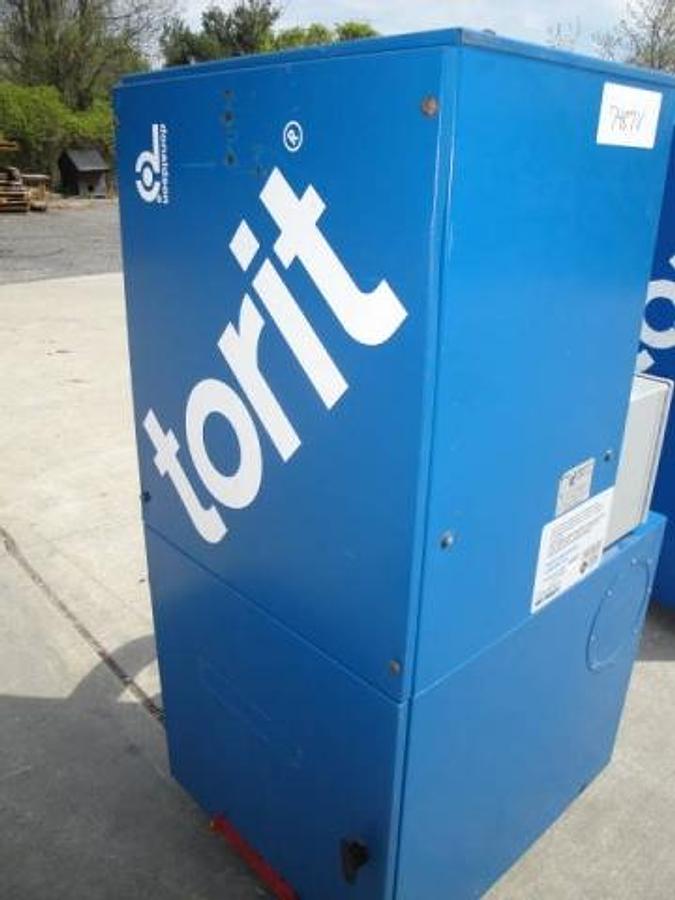
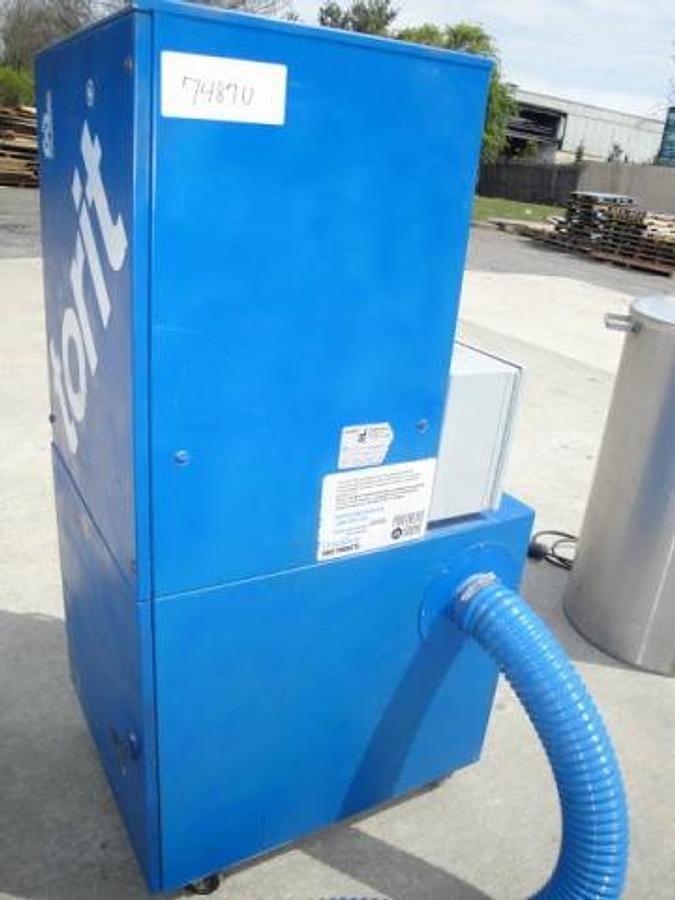
Torit is recognized for its dust collection systems, primarily serving the manufacturing and food processing industries. Their equipment is designed to enhance workplace safety and compliance with environmental regulations. Torit’s focus on innovation and efficiency makes them a trusted partner for manufacturers.
FAQ:
What industries are Torit dust collectors best suited for?
Torit dust collectors are widely used across manufacturing, food processing, metalworking, woodworking, pharmaceutical production, and chemical processing. Their filtration systems are designed to handle a broad range of dust types, from coarse wood chips to fine metal particulate and hazardous substances like silica dust. Food processing facilities in particular rely on Torit equipment because the systems are built to meet strict hygiene and safety standards while keeping production environments compliant with air quality regulations.
Beyond those core industries, Torit collectors also see heavy use in foundries, plastics manufacturing, and any facility where combustible dust is a concern. The equipment is engineered to enhance workplace safety and help facilities maintain compliance with environmental and occupational health regulations. Because the product line spans a wide range of airflow capacities and dust classifications, Torit units can be matched to light-duty applications like small fabrication shops as well as high-volume industrial operations running continuous production shifts.
What is the difference between Torit cartridge collectors and baghouse collectors?
Torit cartridge collectors use pleated filter cartridges that pack a large amount of filter media into a compact housing. This design gives them a significantly smaller footprint compared to baghouse collectors, which makes them a practical choice for facilities where floor space or ceiling height is limited. Cartridge collectors also tend to handle fine, dry dust more efficiently and are easier to service since cartridges can typically be changed without entering the hopper or housing.
Baghouse collectors, by contrast, use fabric filter bags arranged in a larger chamber and are generally better suited for high-moisture dust, sticky particulate, or very high grain loading applications where cartridge media would blind quickly. Baghouses can handle larger volumes of coarser dust and are common in heavy industrial settings like cement plants or grain handling facilities. For most manufacturing and fabrication environments dealing with fine to medium dust, cartridge-style Torit collectors are the more space-efficient and maintenance-friendly option. When buying used equipment, inspecting the condition of the filter media housing, pulse-jet cleaning components, and hopper is critical regardless of which style you are considering.
What filtration efficiency do Torit dust collectors provide?
Many Torit dust collector models achieve filtration efficiency ratings of 99.99% at 0.5 microns, which puts them in a class suitable for capturing fine and hazardous particulate including silica dust, metal fumes, and fine chemical powders. This level of efficiency is critical for facilities that must comply with OSHA permissible exposure limits (PELs) for respirable dust, particularly for substances like crystalline silica where regulatory thresholds have tightened considerably in recent years.
Some Torit models are also available with HEPA-grade after-filters for applications requiring the highest possible air cleanliness, such as pharmaceutical manufacturing or certain food processing lines. When purchasing a used Torit collector, it is worth confirming which filter specification the unit was originally built to handle, since filter media condition directly affects the efficiency the machine will deliver after purchase. A reputable used equipment dealer should be able to provide details on the model's rated efficiency and the current condition of the filtration components so buyers can accurately assess what reconditioning, if any, may be needed.
What sizes and CFM ratings are available for Torit dust collectors?
Torit produces dust collectors across a wide spectrum of airflow capacities, ranging from small portable units handling a few hundred CFM up to large industrial systems capable of moving tens of thousands of CFM. Portable models like the VS-550 are designed for single-machine or point-of-source collection in smaller shops, while larger cabinet and modular units in product lines such as the Downflo Evolution (DFE) and PowerCore series are built for centralized dust collection serving multiple machines or entire production areas.
Selecting the right CFM rating depends on the number of collection points, the duct system design, the type of dust being captured, and the required air-to-cloth ratio for the filter media being used. When evaluating used Torit equipment, buyers should cross-reference the unit's model number with published specifications to confirm the rated airflow and static pressure capacity, then verify that those numbers align with the demands of their specific application. A used machine in good mechanical condition can deliver performance close to its rated specifications, but actual output should be factored against the age of the unit and the condition of the fan, motor, and filter media.
Do Torit dust collectors meet OSHA and NFPA fire and explosion safety standards?
Torit dust collectors are engineered with industrial safety standards in mind, and many models are designed to comply with NFPA 652 (Standard on the Fundamentals of Combustible Dust) and NFPA 654 (Standard for the Prevention of Fire and Dust Explosions from the Manufacturing, Processing, and Handling of Combustible Particulate Solids). Specific safety features can include explosion venting panels, grounding provisions, and spark arrestors, depending on the model and configuration. OSHA standards related to combustible dust hazards also factor heavily into how these systems are specified for metalworking, woodworking, and chemical processing applications.
When buying a used Torit dust collector, buyers should carefully review the model's original safety specifications and confirm that any explosion protection components are intact and undamaged. Explosion vents, for example, are consumable safety devices that may need replacement. It is also advisable to consult with the manufacturer or a qualified industrial hygienist to determine whether a particular used model, given its age and configuration, still meets the safety requirements for the intended application. Compliance obligations rest with the end user, and understanding the full safety profile of a used machine before installation is an important part of the due diligence process.
How does the pulse-jet self-cleaning system on Torit dust collectors work?
Pulse-jet cleaning is a filter regeneration method used on many Torit cartridge and baghouse collectors. As dust-laden air passes through the filter media, particulate builds up on the surface and gradually increases resistance to airflow. At set intervals, the control system triggers short bursts of compressed air directed back through the filter elements, which flex the media and knock accumulated dust cake down into the hopper below. This process happens while the collector continues to operate, so there is no need to shut down production for filter cleaning cycles.
The benefit for high-production environments is significant. Continuous self-cleaning extends filter service life, maintains more consistent airflow through the system, and reduces the frequency of manual filter maintenance. On used Torit equipment, the condition of the pulse-jet solenoid valves, diaphragms, compressed air manifold, and timer board should be carefully inspected, as these components experience regular cycling wear over the life of the machine. A used collector with a well-maintained pulse-jet system can continue to deliver reliable filter cleaning performance, while one with worn solenoids or cracked diaphragms will require parts replacement before it performs as intended.
What should buyers inspect when purchasing a used Torit dust collector?
A thorough inspection of a used Torit dust collector should cover several key areas. The housing and hopper should be examined for corrosion, weld cracks, or physical damage that could affect structural integrity or allow air leakage. The fan wheel and motor should be checked for wear, bearing condition, and any signs of imbalance or corrosion. The pulse-jet cleaning system components, including solenoid valves, diaphragms, and the compressed air manifold, are high-cycle wear items that deserve close attention. Filter media condition is also critical, as replacing cartridges or bags adds to the total cost of ownership after purchase.
Reputable used equipment dealers will typically accommodate in-person inspections, virtual walkthroughs, or detailed video captures of the machine so buyers can assess its condition before committing. In some cases, equipment may still be installed and operating at a facility, which provides an opportunity to observe it running under actual production conditions. Keep in mind that most dealers do not have the permitting or infrastructure to run production-level tests, so buyers should focus inspections on mechanical condition, completeness of components, and visual evidence of maintenance history. Consulting with the manufacturer about parts availability for a specific model and serial number is also a smart step, since age and model generation can affect what support and replacement components are still accessible.
What is the typical price range for a used Torit dust collector?
Pricing for used Torit dust collectors varies considerably based on model, size, age, configuration, and overall condition. Small portable units like the VS-550 series typically sell at a fraction of the cost of larger industrial cabinet or modular systems. A compact portable collector might be priced in the low hundreds to low thousands of dollars, while larger centralized systems with high CFM ratings, explosion protection, and automated controls can range from several thousand dollars into the tens of thousands, depending on capacity and condition.
Buyers should also factor in costs beyond the purchase price itself. Shipping, rigging, filter media replacement, and any reconditioning work needed to bring the unit to operating condition all contribute to the true landed cost. Larger machines may require specialized rigging equipment for loading and unloading, which adds to freight expenses. Getting a clear breakdown of packaging, shipping, and any additional costs from the dealer before finalizing a purchase helps avoid surprises and allows for an accurate comparison between different units and sellers.
What are the main Torit dust collector product lines and how do they differ?
Torit, operating under the Donaldson Company umbrella, has produced several distinct product lines over the years. The Downflo Evolution (DFE) series is one of the most recognized, featuring a dual-flow cartridge design that directs dusty air both downward and inward across the filter surface, which helps distribute dust loading more evenly and extends filter life. The PowerCore series uses a different filter media technology with a more compact, high-surface-area design aimed at reducing the overall size of the collector while maintaining high airflow. The ECB (Easy Cabinet) series targets smaller-scale applications where a self-contained, lower-maintenance unit is preferable.
Portable models like the VS-550 and Model 75 are designed for source capture at individual machines rather than centralized plant-wide collection. These units are more mobile and easier to reposition as production layouts change. Understanding which product line a used unit belongs to matters because it affects filter media compatibility, replacement parts availability, and the types of applications the machine was designed to handle. Checking the model number against published specifications and confirming parts availability with the manufacturer is a practical step before purchasing any used Torit equipment.
What are the typical payment and shipping terms when buying used industrial dust collection equipment?
Most used equipment dealers require full payment before a machine ships. Some dealers may extend terms to established repeat customers, but buyers purchasing from a dealer for the first time should expect payment in full upfront as the standard arrangement. It is worth asking dealers directly about accepted payment methods and whether any flexibility exists based on the transaction size or relationship history.
Shipping costs for dust collectors depend heavily on the size and weight of the unit, the level of packaging required to protect it in transit, and the distance to the destination. Smaller portable collectors can often be palletized and shipped via common freight carriers at relatively modest cost. Larger cabinet or modular systems may require custom crating and heavy-duty rigging for both loading at the origin and unloading at the destination, which adds meaningfully to the total cost. Buyers should ask dealers for a detailed breakdown of packaging, rigging, and freight charges so the full landed cost of the equipment is clear before a purchase decision is made.