Category
Manufacturer
Model
Toresani/Pavan
Toresani/Pavan specializes in manufacturing equipment for the pasta and bakery industries. They are known for their advanced processing and packaging solutions that enhance production efficiency. Their commitment to quality and innovation positions them as a leader in the food manufacturing sector.
FAQ:
What types of pasta can Toresani and Pavan equipment produce?
Toresani and Pavan serve somewhat different segments of the pasta equipment market, though both are respected Italian manufacturers with long track records in food processing machinery. Toresani is particularly well regarded for fresh pasta production, with a strong focus on filled and formed varieties such as tortellini, ravioli, cappelletti, and other stuffed pasta shapes. Their machines are designed to handle the precise folding, filling, and sealing operations that these products require, making them a common choice for producers who specialize in fresh, refrigerated, or frozen filled pasta.
Pavan, operating under the Pavan Group, covers a broader range of pasta types and production scales. Their equipment is used for both dry and fresh pasta manufacturing, including long goods such as spaghetti and linguine, short cuts like penne and rigatoni, and specialty shapes. Pavan systems are also found in bakery and snack food applications, reflecting the company's wider footprint in food processing technology. When shopping the used equipment market, buyers will encounter machines from both manufacturers that span a wide range of output capacities and product formats, so it pays to clarify which pasta types a specific machine is configured for before purchasing.
What is the production capacity of Toresani Pavan pasta machines?
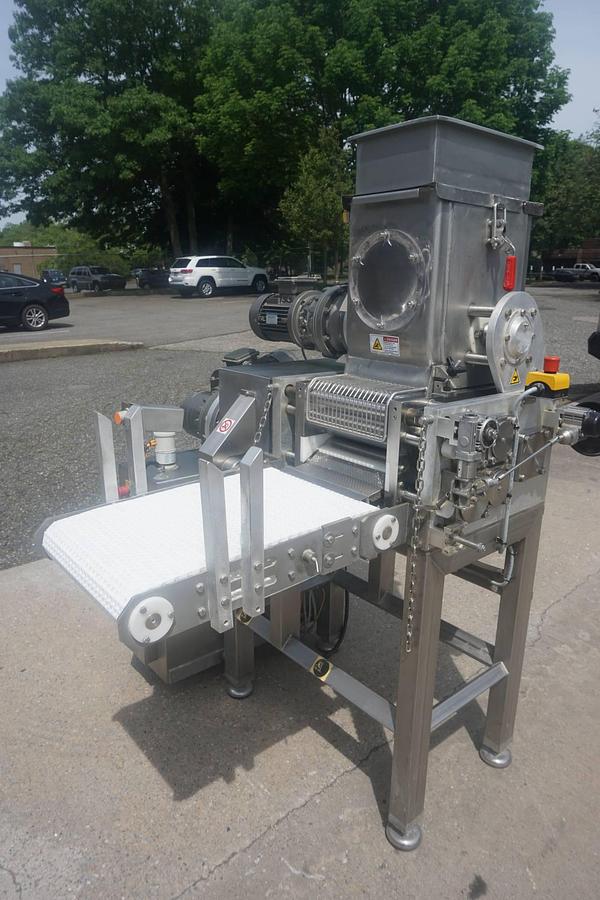
Production capacity varies considerably across the Toresani and Pavan equipment lines, since both manufacturers have built machines for everything from semi-industrial artisan operations to large-scale continuous production facilities. On the Toresani side, filled pasta machines are typically rated by output weight per hour, with many models designed to produce anywhere from a few dozen kilograms per hour up to several hundred kilograms per hour depending on the pasta shape and the specific machine configuration. As an example, a Toresani/Pavan SP300 Kneader-Sheeter is rated at 300 kg per hour, which positions it squarely in the mid-to-large production range.
Pavan equipment for dry pasta and long goods can reach significantly higher throughput figures, with industrial lines capable of processing multiple tons per hour in continuous operation. For buyers exploring the used market, the rated capacity of a machine is a useful starting point, but actual output will depend on the condition of the equipment, the dough formulation being used, and how well the machine has been maintained over its service life. Requesting documentation on the machine's production history, including any records of output rates during active use, gives a more realistic picture of what to expect after installation.
Are Toresani and Pavan machines suitable for small artisan pasta producers?
Both Toresani and Pavan have historically manufactured equipment across a range of scales, and the used market reflects that diversity. Smaller Toresani fresh pasta machines, particularly those designed for filled pasta production, have found homes in artisan and specialty food operations where the emphasis is on product quality and shape variety rather than raw volume. These machines automate the labor-intensive process of forming and filling pasta while still allowing producers to work with traditional recipes and dough formulations. For a small producer looking to scale up from fully manual production, a used Toresani machine can represent a practical step forward without the capital outlay of purchasing a high-capacity industrial line.
That said, prospective buyers should carefully match machine capacity to their actual production needs. A 300 kg per hour kneader-sheeter, for instance, is likely more than a small artisan shop would require on a daily basis, and running a large machine at a fraction of its rated capacity is not always efficient from an energy or maintenance standpoint. Before committing to a purchase, it is worth consulting with a dealer who specializes in food processing equipment to assess whether a particular machine's size, speed, and configuration align with the buyer's production volume and facility setup.
What should buyers look for when inspecting used Toresani or Pavan pasta equipment?
A thorough inspection is one of the most important steps in purchasing any used pasta machinery, and Toresani and Pavan equipment is no exception. Key areas to evaluate include the condition of the dough-contact components such as rollers, dies, and cutting heads, since these parts experience the most wear during normal operation. Buyers should also examine the drive systems, motors, and gearboxes for signs of excessive wear, unusual noise, or oil leaks. Electrical panels and control systems deserve close attention as well, particularly on older machines where components may be difficult to source. Asking the dealer for any available service records, maintenance logs, or documentation of prior repairs gives a clearer picture of how the machine was treated during its working life.
Used equipment dealers who specialize in food processing machinery will typically accommodate in-person inspections, video walkthroughs, or recorded video captures of the machine so buyers can assess its condition remotely. Some equipment may still be installed at the facility where it was last used, in which case an inspection can sometimes be arranged at the production site. Keep in mind that most dealers do not have the permitting or infrastructure to run full production tests, so inspections focus on mechanical and visual assessments rather than actual pasta output. Buyers who want additional assurance should also contact the manufacturer directly to understand what technical support, documentation, and parts availability they can expect for the specific model and production year they are considering.
Are replacement parts readily available for used Toresani and Pavan pasta machines?
Parts availability is one of the most practical concerns for any buyer of used pasta equipment, and it varies depending on the age of the machine, the specific model, and the manufacturer's current support posture. Pavan Group, as a well-established global manufacturer, generally maintains support infrastructure for many of its machine lines, though availability naturally decreases for older or discontinued models. Toresani, known for its fresh and filled pasta equipment, similarly has a history of supporting its machines through spare parts channels, but buyers should verify this directly with the manufacturer for any specific unit they are considering purchasing.
The best approach is to contact the manufacturer before finalizing a purchase and ask specifically about parts availability for the model and production year in question. It is also worth asking the selling dealer whether any spare parts are included with the machine or available separately. Some used equipment comes with a small inventory of consumables or wear parts that the previous owner accumulated during production. For machines where manufacturer support is limited, third-party fabrication of certain components is sometimes possible, though this depends on the complexity of the part. Factoring parts access and potential lead times into the total cost of ownership is a smart step before committing to a purchase.
What maintenance does Toresani or Pavan pasta equipment typically require?
Regular maintenance on pasta production equipment generally falls into a few categories: daily cleaning and sanitation, periodic lubrication of moving parts, inspection and replacement of wear components, and scheduled servicing of motors and drive systems. For filled pasta machines like those produced by Toresani, the forming and sealing heads require careful cleaning after each production run to prevent dough buildup, which can affect product consistency and create hygiene issues. Rollers and sheeting components should be inspected regularly for surface wear, and any parts that contact dough directly need to meet food-grade standards throughout their service life.
On the mechanical side, gearboxes, bearings, and belt drives have recommended service intervals that are typically outlined in the machine's technical documentation. Buyers of used equipment should request any available maintenance manuals or service guides from the dealer, since this documentation is essential for establishing a proper upkeep schedule. For machines that have been in storage or decommissioned for a period of time, a thorough mechanical inspection and lubrication service before returning the machine to production is strongly advisable. Engaging a technician with experience on Italian food processing equipment can help identify any deferred maintenance items that need to be addressed before the machine goes back into regular use.
What is the typical price range for used Toresani and Pavan pasta equipment?
Pricing for used Toresani and Pavan machinery covers a wide range depending on the type of equipment, its production capacity, age, condition, and what is included in the sale. Smaller or older units in average condition may be available at relatively modest prices, while high-capacity lines or machines in excellent working order from more recent production years command significantly higher figures. A mid-range kneader-sheeter or a single-station filled pasta former will generally be priced differently than a complete integrated production line that includes mixing, sheeting, forming, and packaging equipment.
Buyers should also account for costs beyond the purchase price itself. Rigging, crating, freight, and any reconditioning work needed after delivery can add meaningfully to the total landed cost of the equipment. Requesting a detailed breakdown of these ancillary costs from the dealer before finalizing a deal helps avoid surprises. Because the used food processing equipment market does not have standardized published pricing the way commodity goods do, comparing similar machines across multiple reputable specialized dealers is the most reliable way to gauge whether a particular asking price reflects fair market value for the equipment's age and condition.
Does used Toresani or Pavan pasta equipment come with a warranty?
Warranties on used pasta equipment work differently than those offered by manufacturers on new machinery. Used equipment dealers typically sell machinery on an as-is basis, meaning the responsibility for evaluating the machine's condition rests primarily with the buyer prior to purchase. This makes the pre-purchase inspection process especially important, since there is generally no coverage to fall back on if issues emerge after the sale closes. Buyers should therefore prioritize dealers with a long track record in the food processing equipment sector and a demonstrated history of accurately representing the condition of the machines they sell.
To reduce risk, buyers are encouraged to conduct thorough inspections, whether in person, via video, or through a combination of both, before committing to a purchase. Consulting with the manufacturer about the level of technical support available for a specific model and production year is also a worthwhile step, as this can affect how easily problems are diagnosed and resolved after the machine is in operation. Selecting a dealer who specializes in pasta and food processing machinery, rather than a general industrial auction platform, typically means working with someone who understands the equipment and can provide more meaningful context about its history and current condition.
How is used Toresani or Pavan pasta equipment typically shipped, and what are the logistics involved?
Shipping used pasta machinery involves several considerations that buyers should clarify with the dealer before finalizing a purchase. Smaller machines may be palletized and shipped via standard freight carriers, while larger or heavier equipment often requires custom crating to prevent damage in transit. The level of packaging directly affects shipping costs, and buyers should ask the dealer specifically what packaging method will be used and whether any special handling requirements apply to the equipment they are purchasing. For international shipments, customs documentation, import duties, and compliance with food equipment regulations in the destination country add another layer of planning.
Larger production line components or heavy-duty machinery may require specialized rigging for both loading at the origin and unloading at the destination. This rigging work is typically an added cost and requires coordination between the dealer, the freight carrier, and the buyer's receiving facility. Buyers should confirm whether their facility has the equipment and clearance needed to receive and position a large machine before the shipment is arranged. Getting a full landed cost estimate, covering the purchase price, packaging, rigging, freight, and any applicable import fees, before signing off on a deal is the clearest way to understand the true cost of acquiring the equipment.
Can used Toresani or Pavan equipment be integrated into an existing pasta production line?
Integration of used pasta equipment into an existing production environment is entirely feasible in many cases, but it requires careful planning to ensure compatibility with the machinery already in place. Key factors include throughput matching, since a new piece of equipment running at a significantly different capacity than the surrounding line will create bottlenecks or idle time. Mechanical interface points, such as conveyor heights, belt widths, and transfer mechanisms, also need to align with adjacent equipment. Electrical compatibility is another consideration, particularly for machines designed for European voltage and frequency standards that may require transformer or phase conversion equipment when installed in North American facilities.
Buyers who are adding a single machine to an existing line, such as a kneader-sheeter upstream of a forming station they already own, should review the technical specifications of both the used machine and their existing equipment carefully before purchase. Sharing those specifications with a qualified food processing equipment technician or the machine's manufacturer can help identify any integration challenges in advance. Dealers who specialize in pasta processing equipment are often a useful resource here, as they have experience placing machines in a variety of production environments and can flag potential compatibility issues before a purchase is made.