Category
Manufacturer
Model
Tirelli
Tirelli specializes in manufacturing high-quality packaging machinery for the food and beverage industry. They are particularly known for their vertical form-fill-seal machines, which offer efficiency and versatility in packaging. Tirelli’s commitment to innovation ensures their equipment meets the diverse needs of their clients.
FAQ:
What types of packaging machinery does Tirelli manufacture?
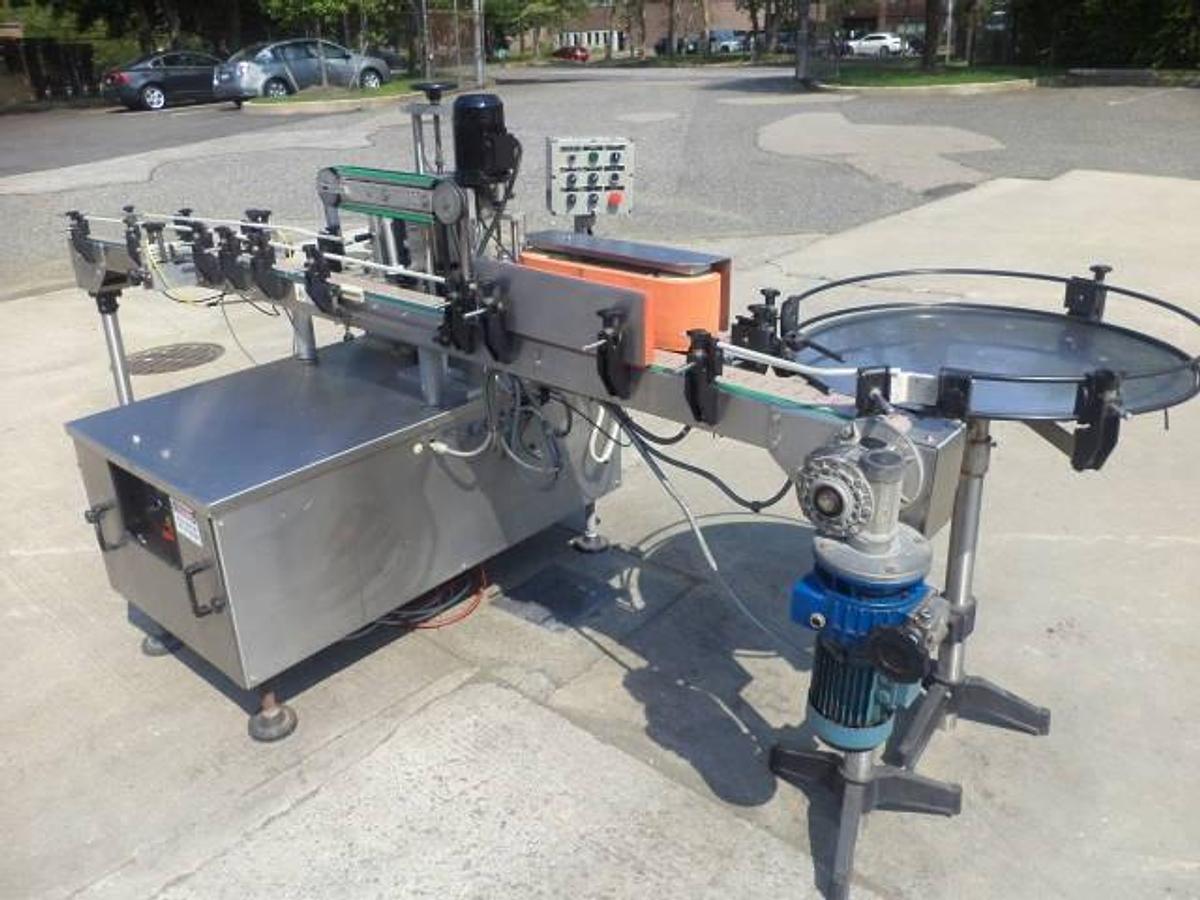
Tirelli is an Italian packaging machinery manufacturer with a strong reputation in the flexible packaging sector. The company is particularly well known for vertical form-fill-seal (VFFS) machines, horizontal form-fill-seal (HFFS) machines, and flow wrap equipment. Tirelli also produces labeling systems, including automatic pressure sensitive spot and wraparound labelers with integrated coding capability. Their product range is designed to handle a wide variety of packaging formats and production environments, which is a big part of why their machines remain in demand long after leaving the factory floor.
Beyond the core filling and sealing equipment, Tirelli machines are recognized for their Italian engineering quality, which emphasizes ease of maintenance and operational reliability. The company has built its reputation on versatility, producing equipment that can work with multiple packaging film types and adapt to different product shapes and sizes. Buyers looking at used Tirelli equipment will typically find machines that were originally designed for mid-to-high volume production runs, making them a practical fit for operations that need dependable throughput without the cost of purchasing unused equipment.
What industries are Tirelli packaging machines best suited for?
Tirelli packaging machines are most commonly found in food and beverage production environments. Specific sectors where these machines have a strong track record include confectionery, bakery goods, fresh produce, and meat and poultry processing. The machines are designed to handle the packaging demands of perishable and temperature-sensitive products, which requires both speed and film integrity. Their flow wrap and form-fill-seal equipment is particularly well suited to products that need a tight, protective seal to maintain freshness and shelf appeal.
Outside of food production, Tirelli machines are also used in non-food applications including pharmaceuticals, cosmetics, and personal care products. The precision and hygiene standards built into the equipment make it adaptable to industries where product protection and presentation are critical. Buyers evaluating used Tirelli machines for a specific application should consider whether the machine's configuration, including film path, sealing jaw size, and control system, aligns with their product dimensions and packaging material requirements before finalizing a purchase.
What packaging films and materials are compatible with Tirelli machines?
Tirelli packaging machines are engineered to work with a broad range of flexible packaging films. Commonly compatible materials include polypropylene (PP), polyethylene (PE), oriented polypropylene (OPP), and various laminated film structures. This flexibility is one of the reasons Tirelli equipment holds its value in the secondary market. The ability to run multiple film types without extensive mechanical changes makes these machines attractive to operations that package different product lines or switch between film specifications based on supplier availability or customer requirements.
That said, buyers of used Tirelli machines should verify which film widths and thicknesses a specific machine is configured for, as sealing jaw dimensions and film path geometry can vary by model and production year. It is also worth consulting with a packaging film supplier or a qualified machinery technician to confirm that the sealing temperature range and dwell time settings of a particular used machine are compatible with the films the buyer intends to run. Getting this confirmed before purchase saves time and avoids costly trial-and-error after the machine arrives on site.
What should buyers know about inspecting used Tirelli packaging machines before purchase?
Inspecting a used Tirelli machine before committing to a purchase is one of the most important steps a buyer can take. Reputable used equipment dealers will typically offer inspection options that include in-person visits, live video walkthroughs, or recorded video documentation of the machine's current condition. Where possible, an in-person inspection is preferable because it allows the buyer or their technician to examine wear on sealing jaws, film drive components, electrical panels, and any pneumatic or mechanical systems that are prone to degradation over time. Some machines may still be installed at an active production facility, which can allow for a more thorough assessment of operating condition.
It is worth understanding that most used equipment dealers do not have the permits or infrastructure to run actual production tests with product. What they can typically demonstrate is that the machine powers on, that mechanical and electrical systems function, and that there are no obvious signs of damage or neglect. Buyers should ask specific questions about the machine's history, including how long it was in production, what products it ran, and whether any major components have been replaced. Consulting with Tirelli or an authorized service technician about what to look for on a specific model can also help buyers conduct a more informed inspection.
How does the age and model of a used Tirelli machine affect parts and support availability?
Parts availability is one of the most practical factors to evaluate when purchasing any used packaging machine, and Tirelli equipment is no exception. Older models may have components that are no longer stocked by the manufacturer, which means buyers could face longer lead times or higher costs when sourcing replacements. Before finalizing a purchase, it is advisable to contact Tirelli directly or reach out to authorized service partners to ask specifically about parts availability for the model and production year in question. This conversation can reveal whether critical wear items like sealing elements, belts, sensors, and control boards are still actively produced or available through third-party suppliers.
For machines where manufacturer support is limited, the secondary market for spare parts can still be a viable option. Many packaging machinery components are manufactured to standard specifications and can be sourced from industrial suppliers independently of the original equipment manufacturer. Buyers should also factor in the cost of a pre-purchase technical inspection by a qualified engineer who is familiar with Tirelli equipment, as this can identify which parts may need near-term replacement and give a clearer picture of the total cost of ownership beyond the purchase price.
What are the typical production speeds and output capacities of Tirelli packaging machines?
Production speed on Tirelli packaging machines varies considerably depending on the machine type, model generation, and the product being packaged. Tirelli's vertical and horizontal form-fill-seal machines are generally designed for mid-to-high volume production environments. Flow wrap machines in this category commonly operate at speeds ranging from around 60 to over 200 packages per minute, depending on product size, film type, and sealing requirements. Labeling systems like the Tirelli Delta 1 are configured for continuous or intermittent motion depending on the label type and container format.
Buyers evaluating a used Tirelli machine for their production line should look at the machine's rated speed alongside the practical throughput they can realistically achieve given their product and packaging specifications. Rated speeds are typically measured under ideal conditions with a specific product and film combination, so real-world output can differ. It is also worth asking the dealer whether the machine was operating at full capacity during its previous production run or whether it was used at reduced speeds, as this can give useful context about the mechanical condition and remaining service life of key components.
What is the significance of CE marking on used Tirelli packaging machines?
CE marking on a Tirelli machine indicates that the equipment was designed and built to comply with European safety and performance standards at the time of manufacture. For buyers in the European Union, this marking is a baseline requirement for operating machinery in most commercial production environments. For buyers outside the EU, CE certification can still carry weight as a signal that the machine was built to a recognized international safety standard, which may simplify compliance assessments in other regulated markets.
However, buyers should be aware that CE compliance reflects the machine's status at the time it left the production floor. Modifications made during the machine's service life, or wear and deterioration of safety systems, can affect actual compliance. Before putting a used CE-marked machine into production, it is good practice to have a qualified machinery safety engineer review the equipment to confirm that guarding, emergency stops, and electrical systems still meet current standards. This is especially relevant if the machine will be integrated into a larger production line where safety interactions between pieces of equipment need to be assessed.
What are the typical payment terms when purchasing used packaging machinery?
Payment terms in the used packaging machinery market are fairly standardized across reputable dealers. In most cases, full payment is required before the machine is released for shipping. This protects the dealer against non-payment on large, hard-to-resell items and is an accepted norm in the industry. Some dealers may extend payment terms to repeat customers or buyers with an established purchasing history, but first-time buyers should expect to pay in full upfront.
Buyers should also factor in the total landed cost of the machine when budgeting, not just the purchase price. Rigging, crating or palletization, freight, customs duties, and any import taxes can add meaningfully to the final cost depending on the origin and destination of the shipment. Asking the dealer for a detailed cost breakdown that covers all of these elements before agreeing to purchase is the clearest way to avoid surprises. Some dealers will coordinate shipping logistics on behalf of the buyer, while others may require the buyer to arrange their own freight and rigging.
What should buyers understand about shipping and logistics for used Tirelli machinery?
Shipping used packaging machinery requires more planning than standard freight because of the size, weight, and mechanical complexity of the equipment. Tirelli machines, particularly larger form-fill-seal and flow wrap systems, typically require proper palletization or custom crating to prevent damage in transit. The level of packaging required depends on the machine's dimensions, fragility of exposed components, and the shipping method being used. Buyers should ask dealers specifically how the machine will be prepared for shipment and what that preparation costs, as these charges are separate from the freight rate itself.
For heavier machines, specialized rigging equipment is needed for loading at the origin and unloading at the destination. Rigging costs are typically an added expense that buyers are responsible for arranging or reimbursing. International shipments add another layer of complexity, including customs documentation, import duties, and potentially port handling fees. Getting a complete picture of all shipping-related costs before finalizing the purchase is essential for accurate budgeting. A dealer with experience shipping industrial machinery internationally can usually provide guidance on what to expect and may be able to recommend freight forwarders familiar with machinery shipments.
How should buyers evaluate a used Tirelli machine compared to other used packaging equipment options?
Tirelli has a long-standing reputation for building packaging machinery with durable Italian engineering, which is a meaningful factor when evaluating used equipment. Machines that were well-built originally tend to hold up better over time and are more likely to be repairable when components wear out. When comparing a used Tirelli machine to other used options in a similar price range, buyers should look at the mechanical design, the availability of technical documentation such as manuals and wiring diagrams, and whether service technicians familiar with the brand are accessible in their region.
Beyond brand reputation, the condition of the specific machine being considered matters far more than the nameplate. A well-maintained machine from a reputable manufacturer that has been properly serviced throughout its life will outperform a poorly maintained machine from any brand. Buyers should prioritize getting a thorough inspection, reviewing whatever maintenance records are available, and speaking with a technician who has hands-on experience with the model. Selecting a used equipment dealer with a track record in the packaging machinery sector and a history of selling to similar industries adds another layer of confidence to the buying process.