Category
Manufacturer
Model
Tipper Tie
Tipper Tie is recognized for its packaging solutions, particularly in the meat and poultry industries. They are known for their clip packaging systems that enhance product presentation and shelf life. Tipper Tie’s focus on innovation and efficiency positions them as a leader in packaging technology.
FAQ:
What types of Tipper Tie equipment are available on the used market?
Tipper Tie produces a broad range of packaging machinery, and used examples of most product lines surface regularly. The most commonly traded machines include automatic double clippers, net clippers, portion packaging systems, and automated sealing lines. Single and double clipper models handle a wide spectrum of production volumes, while net clippers are designed specifically for netting applications common in whole-muscle meat and poultry products. Automated systems that integrate clipping with conveying or portioning are also available, typically suited to higher-throughput facilities.
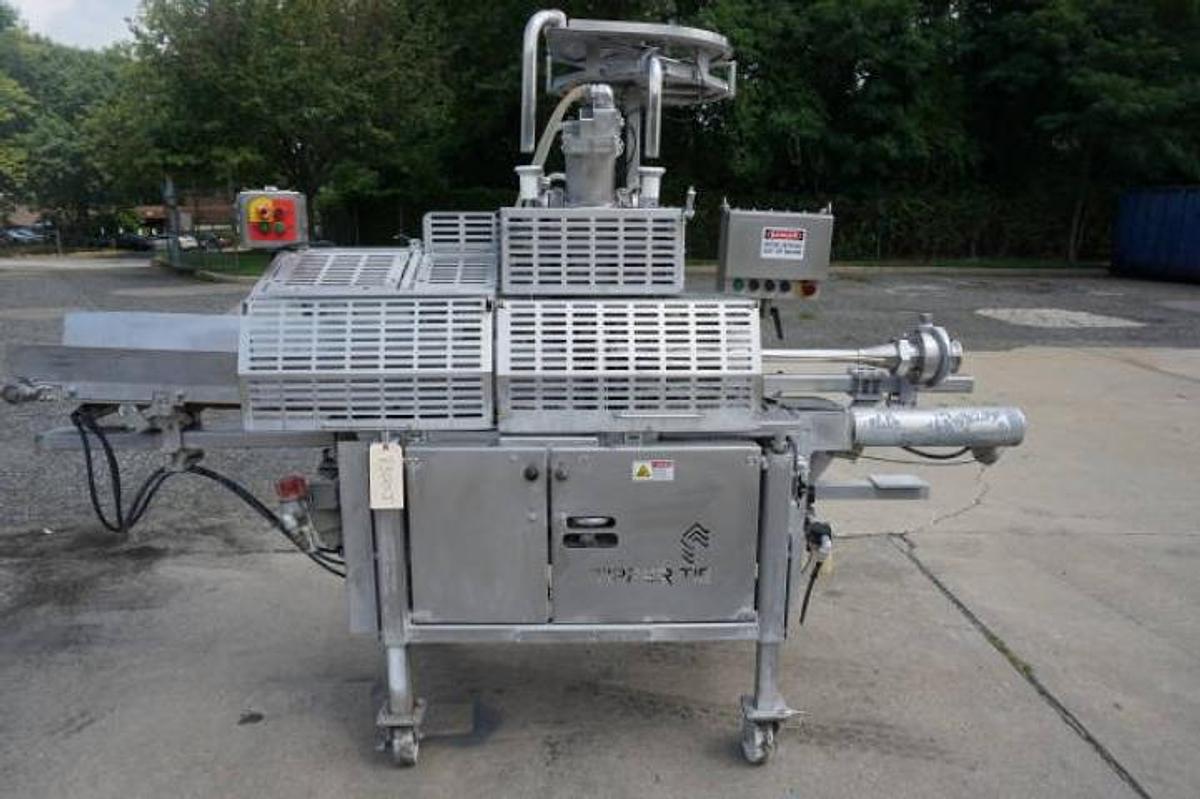
Beyond the core clipping machines, buyers sometimes find ancillary Tipper Tie equipment such as clip reels, loading horns, and stuffing attachments that pair with specific machine models. A specific example of what turns up on the used market is the Tipper Tie RS4203 Automatic Clipping Machine, a stainless steel unit built for demanding food processing environments. Because Tipper Tie has been manufacturing equipment for decades, used inventory spans several generations of machines, giving buyers the option to choose between older, simpler models and more recent versions with advanced controls and automation features.
What industries use Tipper Tie clipping and sealing machines?
Tipper Tie equipment is most closely associated with the meat and poultry processing industries, where clip packaging is the standard method for sealing products like sausages, deli meats, whole birds, and portion cuts. The clip-and-seal method extends shelf life, maintains product shape during distribution, and produces a clean retail presentation that meets the expectations of grocery and foodservice buyers. Poultry processors in particular rely heavily on Tipper Tie netting and clipping systems for products like whole roasting chickens and bone-in turkey breasts.
Beyond red meat and poultry, Tipper Tie machines are used in seafood processing, cheese production, and specialty food manufacturing where similar clip-sealing requirements exist. Some industrial applications outside food, such as packaging of non-food products in casing or netting, also make use of Tipper Tie or compatible clipping equipment. The brand's reputation for precision and durability has made it a go-to choice across any production environment where consistent, high-speed clip application is critical to product quality and packaging integrity.
How much does used Tipper Tie equipment typically cost?
Pricing for used Tipper Tie machinery varies considerably depending on the model, age, configuration, and overall condition of the machine. Entry-level or older single-clipper models can be found at price points accessible to smaller processors, while fully automated double-clipper systems or integrated sealing lines command significantly higher prices given their complexity and production capacity. As a general reference point, used automatic clipping machines from established brands like Tipper Tie often range from several thousand dollars for basic units to well into five figures for high-spec automated systems, though actual market prices shift with supply and demand.
Buyers should also account for total landed cost rather than just the machine price. Shipping, rigging, crating, and any integration or setup work add to the final investment. Consumables such as clips, clip reels, netting, and casings are ongoing expenses that should be factored into the cost-of-ownership calculation before purchase. Sourcing used equipment from a dealer who specializes in food processing machinery tends to yield more accurate condition assessments and more realistic pricing than purchasing through general auction channels, where machine history is often unknown.
Why do food processors buy used Tipper Tie machines instead of purchasing new equipment?
Tipper Tie has built a reputation for manufacturing equipment that holds up under the punishing conditions of commercial food processing, including frequent washdowns, continuous operation, and high-speed mechanical stress. That durability means well-maintained older machines can deliver reliable performance for years after leaving the original facility. A used Tipper Tie clipper purchased at a fraction of the cost of a comparable new machine can still meet production requirements, making the economics compelling for processors who are expanding capacity, replacing a failed unit quickly, or outfitting a secondary line.
Lead times are another factor. New packaging equipment from major manufacturers often involves extended lead times for manufacturing and delivery. A used machine that is already in inventory and ready to ship can get a production line running weeks or months faster. For food processors operating on tight margins or responding to a sudden increase in demand, that speed-to-production advantage carries real value. The key is sourcing from a reputable dealer who specializes in food processing equipment, can provide accurate condition information, and has the industry knowledge to match a specific machine to a buyer's production requirements.
Is Tipper Tie equipment compatible with existing production lines?
Compatibility depends on the specific machine model and the existing line configuration. Tipper Tie clippers and sealers are designed to integrate with standard food processing infrastructure, including stuffing machines, conveyors, and portioning equipment commonly found in meat and poultry facilities. Many Tipper Tie machines accept industry-standard loading horns and stuffing tubes, which simplifies integration with equipment from other manufacturers. That said, older models may use proprietary clip sizes or reel formats that differ from current production consumables, so confirming consumable compatibility before purchase is an important step.
Buyers considering a used Tipper Tie machine for an existing line should document their current line speed, product diameter range, casing type, and clip size requirements, then verify those specifications against the machine being considered. Consulting directly with the manufacturer is also advisable, since Tipper Tie can clarify which consumables and accessories are supported for a given model and whether parts remain available. A dealer who specializes in food processing equipment can often help with this compatibility assessment based on experience placing similar machines in comparable facilities.
What should buyers inspect when evaluating a used Tipper Tie clipping machine?
A thorough inspection of a used Tipper Tie machine should cover both mechanical condition and the availability of key components. On the mechanical side, buyers should examine the clipping head for wear on the punch and die, check the condition of the drive system and any pneumatic or hydraulic components, and look at the overall frame and stainless steel surfaces for corrosion, cracks, or evidence of heavy impact. Electrical controls and safety interlocks should be verified as functional. Any signs of improvised repairs or non-standard modifications are worth scrutinizing carefully, as they can indicate a history of problems or affect the machine's ability to run standard consumables.
Reputable dealers typically accommodate in-person inspections, video walkthroughs, or recorded video captures of the machine so buyers can assess condition remotely. Some machines may still be installed and running in a production facility, which offers the best possible view of operational status, though live product testing is generally not feasible at a dealer's location due to permitting and facility requirements. Buyers should also contact Tipper Tie directly to determine what level of technical support, service documentation, and parts availability exists for the specific model and serial number range they are evaluating, since age and model generation can affect ongoing supportability.
Are replacement parts and consumables readily available for Tipper Tie machines?
Tipper Tie is a well-established brand under the ProMach group, and the manufacturer has maintained parts and service support for many of its machine lines over the years. Consumables such as clips, clip reels, netting, and casings are widely available through authorized Tipper Tie distributors and food processing supply channels. For machines that are still within supported model generations, wear parts like punches, dies, and sealing components can generally be sourced through the manufacturer or qualified service providers.
For older or discontinued models, parts availability becomes less predictable. Some components may no longer be stocked by the manufacturer, requiring buyers to source aftermarket alternatives or have parts fabricated. Before committing to a used machine purchase, it is worth contacting Tipper Tie directly with the model number and serial number to get a clear picture of what parts and technical support remain available. Dealers who specialize in food processing equipment often have practical knowledge of which older Tipper Tie models retain good parts availability and which ones present sourcing challenges, making that expertise a useful resource during the buying process.
What is the typical lifespan of Tipper Tie clipping equipment?
Tipper Tie machines are built for industrial food processing environments and are generally regarded as long-lasting equipment when properly maintained. In well-run facilities with regular preventive maintenance and timely replacement of wear parts, Tipper Tie clippers routinely remain in productive service for 15 to 25 years or more. The stainless steel construction that is standard on most models resists the corrosive effects of washdowns, cleaning chemicals, and the moisture-heavy environment of meat and poultry processing, which is a primary reason the equipment holds up over such extended periods.
Actual service life depends heavily on usage intensity, maintenance practices, and whether the machine has been operated within its rated capacity. A clipper running two shifts a day in a high-volume facility will accumulate wear faster than one used intermittently in a smaller operation. The clipping head components, particularly the punch and die, are the highest-wear parts and require periodic replacement regardless of overall machine condition. Buyers of used Tipper Tie equipment should assess not just the machine's age but its maintenance history and the condition of these high-wear components, as they are the most direct indicator of remaining productive life.
What maintenance does Tipper Tie sealing and clipping equipment require?
Tipper Tie clipping machines require a combination of daily, weekly, and periodic maintenance to sustain reliable operation. Daily tasks typically include cleaning and sanitizing all product-contact surfaces, inspecting the clipping head for clip jams or misfeeds, checking pneumatic line pressures, and lubricating specified points according to the manufacturer's maintenance schedule. In food processing environments, thorough washdown procedures are a routine part of each production day, and the stainless steel construction of most Tipper Tie machines is designed to withstand this.
Longer-interval maintenance covers inspection and replacement of wear components such as punches, dies, and feed mechanisms, along with checks of electrical connections, control system calibration, and any conveyor or integration components attached to the machine. Tipper Tie publishes maintenance documentation for its equipment, and buyers of used machines should request any available service manuals or maintenance records as part of the purchase process. A machine that comes with documented maintenance history gives buyers much greater confidence in its current condition than one with no records. For machines where documentation is unavailable, consulting with a qualified technician familiar with Tipper Tie equipment before purchase is a practical precaution.
What should buyers know about shipping and payment when purchasing used Tipper Tie equipment?
Shipping costs for used Tipper Tie machinery vary based on machine size, weight, and the level of packaging required to protect the equipment in transit. Smaller clipping units may ship on a standard pallet, while larger automated systems or integrated lines require custom crating and heavier-duty rigging for safe loading and unloading. Forklift or crane access at both the origin and destination should be confirmed before scheduling shipment, and buyers should ask the dealer for a detailed breakdown of packaging, rigging, and freight costs to understand the full landed price before committing to a purchase.
On payment, used equipment dealers typically require full payment before a machine ships. Some dealers extend payment terms to repeat customers or established buyers, but this is not standard practice for first-time transactions. Buyers should clarify payment expectations early in the process and confirm what documentation, such as bill of sale and any available maintenance records, will accompany the machine. Because used equipment is generally sold as-is, the condition assessment and inspection process prior to payment is the buyer's primary protection, making it important to complete any inspection, whether in-person or via video, before funds are transferred.