Category
Manufacturer
Model
Thropp
Thropp specializes in manufacturing equipment for the food processing industry, particularly known for their cooking and cooling systems. Their machines are designed to optimize production processes while ensuring product quality. Thropp’s commitment to technology and customer service makes them a reliable partner for manufacturers.
FAQ:
What types of food processing equipment does Thropp manufacture?
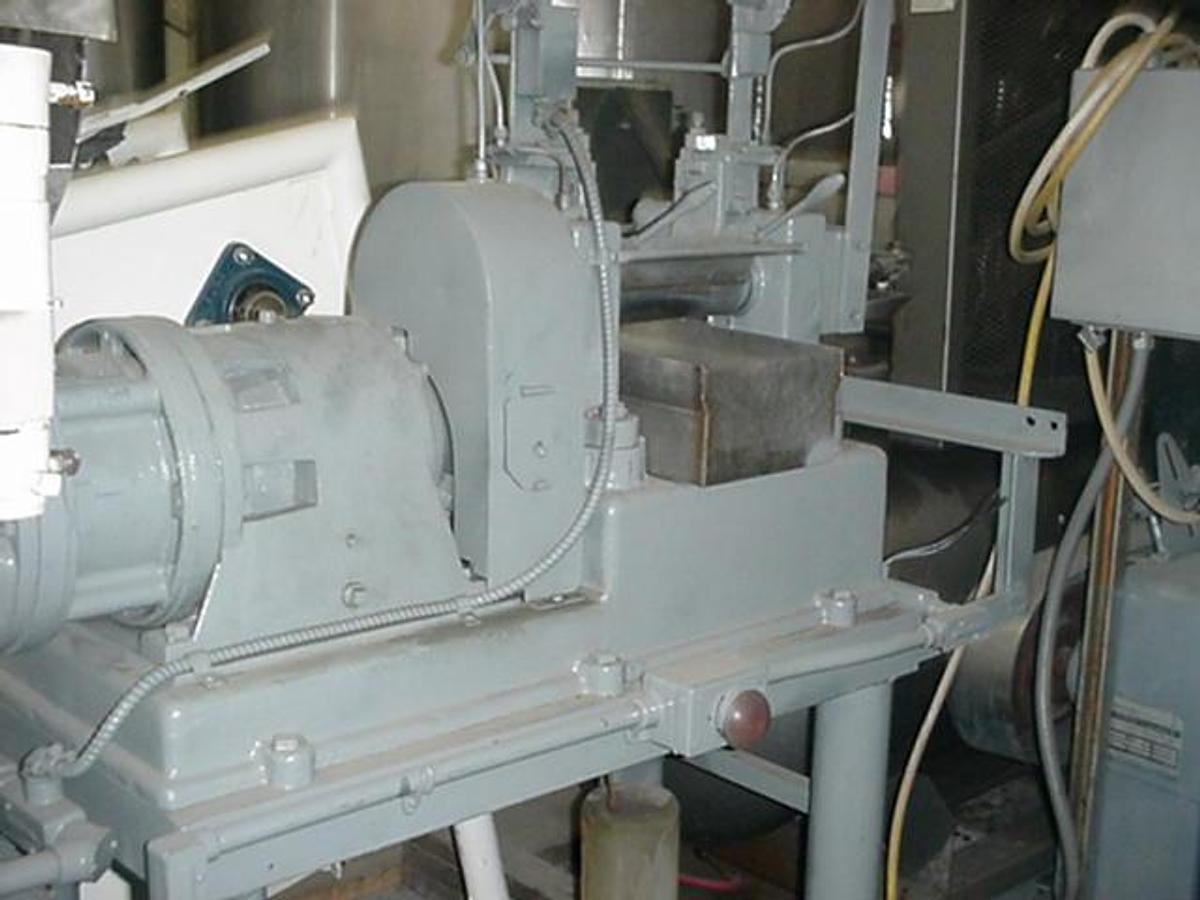
Thropp specializes in equipment designed for the food processing industry, with a particular focus on cooking and cooling systems. Their machines are built to optimize production workflows while maintaining consistent product quality throughout the process. One example of their equipment includes roll mills, such as a 3-inch by 8-inch two roll mill, which illustrates the kind of precision mechanical equipment they produce for food manufacturing applications.
Beyond cooking and cooling, Thropp equipment is used across a range of food production environments where controlled processing is critical. Buyers in meat processing, confectionery, dairy, and produce handling have historically sourced Thropp machines for their reliability and engineering quality. Because Thropp occupies a specialized niche in the food processing equipment market, available models can vary, and buyers should check current listings with used equipment dealers to see what specific machines are in stock at any given time.
What should I know before buying used Thropp food processing equipment?
Purchasing used food processing equipment requires more due diligence than buying from a manufacturer, because machines have operational histories that directly affect their current condition and remaining service life. Before committing to a purchase, buyers should request detailed information about the machine's age, hours of use, and the conditions under which it was operated. A reputable used equipment dealer will be transparent about this history and will accommodate inspection requests, either in person or via video walkthrough.
One important consideration is parts availability. Thropp is a niche manufacturer, so buyers should contact the manufacturer directly to understand what level of support is available for a specific model and age of machine. Older machines may have limited parts availability, which affects long-term maintenance costs. Used equipment is typically sold as-is, placing the responsibility of condition assessment squarely on the buyer, which is why choosing a dealer with a strong track record in food processing equipment is so important.
How do I inspect used Thropp equipment before purchasing?
Reputable used equipment dealers typically offer three inspection options: an in-person visit to their facility, a live video call walkthrough, or recorded video footage of the machine. Each approach gives buyers a different level of detail, and for higher-value purchases, an in-person inspection is generally the most thorough option. In some cases, equipment that has not yet been removed from a production facility can be inspected at the plant where it is still installed, which may allow buyers to see it in an operational context.
It is worth understanding that most used equipment dealers do not have the permits or infrastructure required to run actual food production, so functional testing with real product is rarely possible. What dealers can typically demonstrate is whether a machine powers on, whether mechanical components move freely, and whether there is visible wear, damage, or corrosion. Buyers should come prepared with specific questions about the machine's condition, cleanliness, and any known repairs or modifications made during its service life.
Does Thropp food processing equipment come with a warranty when purchased used?
Warranties on food processing equipment are typically offered by the original manufacturer at the point of sale for a new machine. When equipment enters the used market, those manufacturer warranties are generally no longer in effect, and used equipment dealers almost universally sell machinery on an as-is basis. This is standard practice across the industry, not specific to any one brand or dealer.
Because there is no warranty protection on used equipment, the buyer's best safeguard is a thorough pre-purchase inspection and a careful choice of dealer. Working with a dealer who has a long history in food processing equipment, who is transparent about machine condition, and who facilitates proper inspections significantly reduces the risk of acquiring a machine with undisclosed problems. Buyers should also consult directly with Thropp regarding the support they can expect for a particular model, since parts availability and technical assistance can vary considerably depending on the machine's age.
What is the typical price range for used Thropp food processing equipment?
Pricing for used Thropp equipment depends on several factors, including the type of machine, its age, its mechanical condition, and current market demand for that category of food processing equipment. Cooking and cooling systems, roll mills, and other specialized food processing machines can range from a few thousand dollars for smaller or older units to significantly higher amounts for larger, more complex systems in good working condition. Because Thropp is a niche manufacturer, pricing can also be influenced by the relative scarcity of available units on the used market at any given time.
Buyers should factor in costs beyond the purchase price when evaluating total expenditure. Shipping, rigging, and any necessary reconditioning or parts replacement all contribute to the true landed cost of the equipment. Getting a clear picture of these additional expenses upfront, before finalizing a purchase, helps avoid surprises and allows for a more accurate comparison between available options.
What are the shipping and logistics considerations for used Thropp food processing equipment?
Food processing equipment, including the kinds of machines Thropp manufactures, tends to be heavy and mechanically complex, which means shipping requires careful planning. Proper packaging is essential to prevent damage in transit, and costs will vary depending on whether the equipment needs basic palletization or more substantial custom crating. Buyers should ask the dealer specifically what packaging is included in the quoted price and what options exist for additional protection.
Larger machines often require specialized rigging equipment for loading and unloading, and that service carries its own cost. Freight rates will also vary based on distance, carrier selection, and the dimensions and weight of the equipment. The practical advice for any buyer is to request a fully itemized breakdown of shipping, rigging, and packaging costs before finalizing the purchase, so the total landed cost is clearly understood. Surprises in freight costs are one of the more common sources of frustration in used equipment transactions, and a good dealer will walk buyers through these details proactively.
What payment terms are typical when buying used food processing equipment?
The standard practice among used equipment dealers is to require full payment before equipment is released for shipping. This applies broadly across the industry and is not unique to any particular brand or category of machine. The rationale is straightforward: once equipment leaves the dealer's facility, verifying its condition or resolving disputes becomes considerably more difficult, so dealers protect themselves by collecting payment upfront.
Some dealers will extend payment terms to repeat customers or buyers with whom they have an established relationship, but this is at the dealer's discretion and not something a first-time buyer should count on. Buyers should clarify payment expectations early in the conversation, including accepted payment methods, to avoid delays once a purchase decision is made. Understanding payment terms alongside shipping costs gives buyers a complete picture of the financial commitment involved before they commit to a specific machine.
How important is food safety compliance when evaluating used Thropp equipment?
Food safety compliance is one of the most critical factors in any food processing equipment purchase, used or otherwise. Standards from organizations like the FDA, USDA, and NSF set requirements around materials, surface finishes, and design features that affect how thoroughly equipment can be cleaned and sanitized. Stainless steel construction is the benchmark material in food processing because it resists corrosion, does not harbor bacteria easily, and can withstand the cleaning chemicals used in food production environments.
For used equipment specifically, buyers should assess whether a machine still meets the hygiene standards required by their facility and the regulatory bodies that govern their specific food category. Equipment that has been well maintained and cleaned properly throughout its service life is more likely to pass inspection, but buyers should verify this independently rather than taking a seller's word for it. If a machine will be subject to USDA or FDA inspection in its next use, consulting with a compliance specialist before purchase can prevent costly surprises after the equipment is installed.
Are replacement parts available for used Thropp food processing equipment?
Parts availability for used food processing equipment depends heavily on the age of the machine and the manufacturer's current production and support policies. For a niche manufacturer like Thropp, buyers should contact the company directly before purchasing a used machine to understand what parts are still being produced or stocked, and whether technical support is available for the specific model they are considering. This step is often skipped but can make a significant difference in long-term operating costs.
Older machines may require sourcing parts from third-party suppliers or fabricating custom components, which adds time and expense to any repair. Some buyers work with experienced food processing equipment technicians who can identify compatible aftermarket parts when manufacturer-supplied components are no longer available. Before purchasing, it is reasonable to ask the dealer if they have any documentation, manuals, or spare parts associated with the machine, as these can be valuable assets that simplify future maintenance.
Is used Thropp equipment suitable for small food businesses as well as large-scale operations?
Thropp equipment was designed with food manufacturing environments in mind, and the suitability of any specific machine for a small versus large operation depends primarily on the capacity and throughput specifications of that particular unit. A smaller roll mill, for example, may fit well into a boutique or specialty food production setup, while larger cooking and cooling systems are typically engineered for higher-volume continuous production. Buyers should match equipment specifications, including capacity, cycle times, and footprint, to their actual production requirements before purchasing.
One advantage of buying used equipment is that smaller businesses can sometimes access machines that would be cost-prohibitive at full manufacturer pricing. That said, smaller operations should be realistic about their ability to maintain and repair specialized equipment, particularly if local technical support for the brand is limited. Evaluating the total cost of ownership, including potential maintenance and parts expenses, is just as important as evaluating the purchase price when deciding whether a particular machine is the right fit for a given business scale.