Category
Manufacturer
Model
Thomsen
Thomsen is known for its high-quality packaging machinery, particularly in the food and beverage sectors. They offer a range of solutions including filling, sealing, and labeling machines that enhance production efficiency. Thomsen’s commitment to reliability and performance makes them a preferred choice for manufacturers.
FAQ:
What materials are Thomsen sanitary centrifugal pumps made from?
Thomsen sanitary centrifugal pumps are typically constructed from 316L stainless steel, which is the standard material for hygienic processing equipment. This grade of stainless steel offers superior corrosion resistance compared to 304 stainless, making it well-suited for contact with acidic food products, cleaning chemicals, and saline solutions. The internal wetted surfaces are generally polished to a smooth finish to minimize surface roughness (Ra values), which reduces the risk of bacterial adhesion and makes the pump easier to clean.
Beyond the pump body, key components like impellers, housings, and seals are also designed with sanitary requirements in mind. Elastomer seals and gaskets are typically made from FDA-compliant materials such as EPDM or silicone. The overall design philosophy prioritizes minimal dead zones and full drainability, both of which are critical in food, beverage, dairy, and pharmaceutical applications where product residue and microbial contamination must be strictly controlled.
Are Thomsen sanitary centrifugal pumps 3-A certified or FDA compliant?
3-A Sanitary Standards certification and FDA compliance are among the most important purchase criteria for buyers in regulated industries like dairy, beverage, and pharmaceutical processing. 3-A certification indicates that a pump's design and materials meet specific hygienic standards developed jointly by regulatory agencies, equipment manufacturers, and processors in North America. EHEDG (European Hygienic Engineering and Design Group) compliance serves a similar function for European markets. Buyers in these sectors should verify the certification status of any specific pump model before purchase, as not every unit in a product line may carry the same certifications.
For used Thomsen sanitary centrifugal pumps, it is especially important to confirm the model number and check directly with Thomsen or review the pump's documentation to determine its original certification status. Used equipment dealers can often provide model details and serial numbers that allow buyers to conduct this verification independently. Because these are pre-owned machines, buyers should also physically inspect or request detailed photos of sealing surfaces, impeller condition, and any components that could affect compliance with sanitary standards in their specific application.
What sizes and configurations are available for used Thomsen sanitary centrifugal pumps?
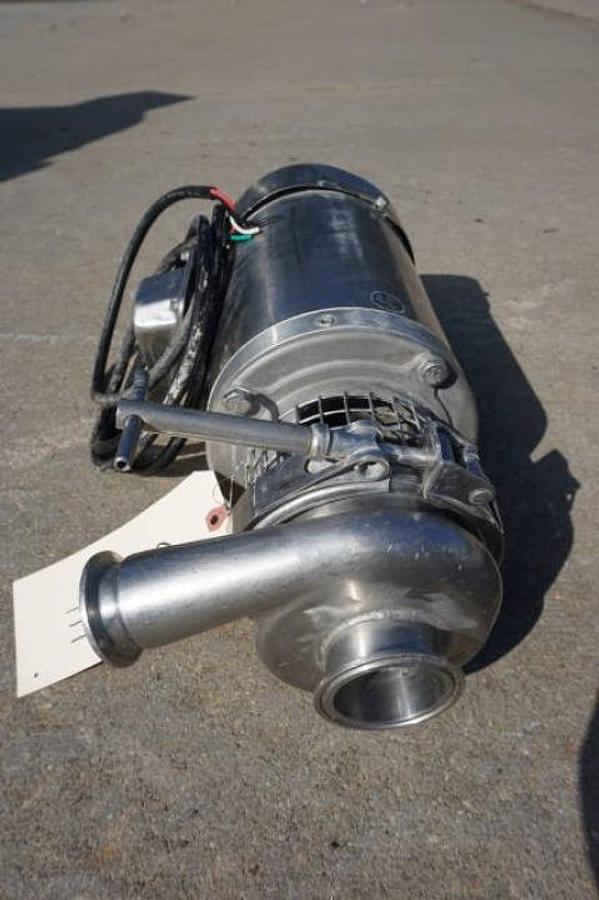
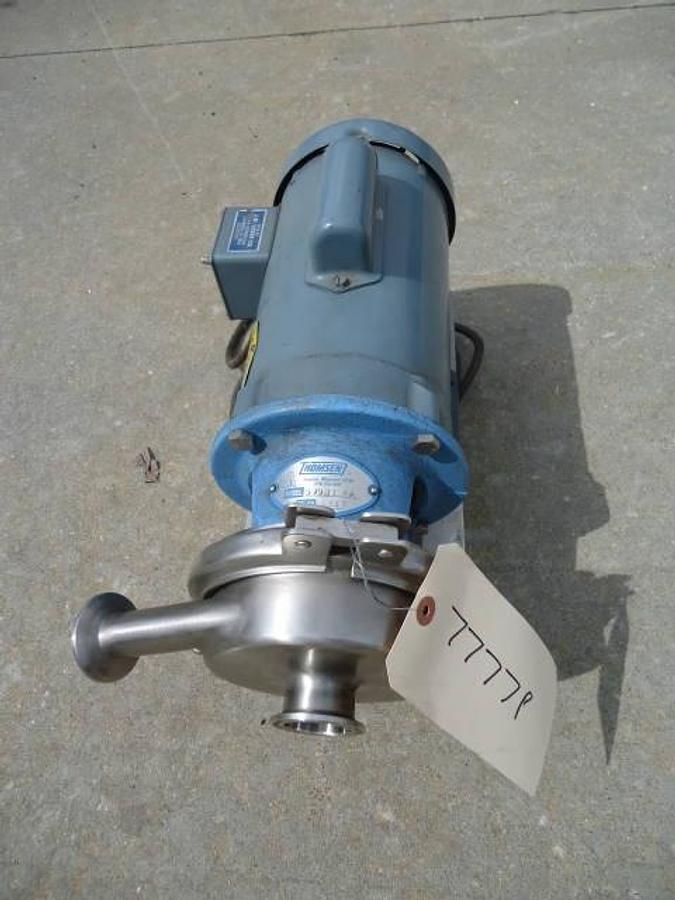
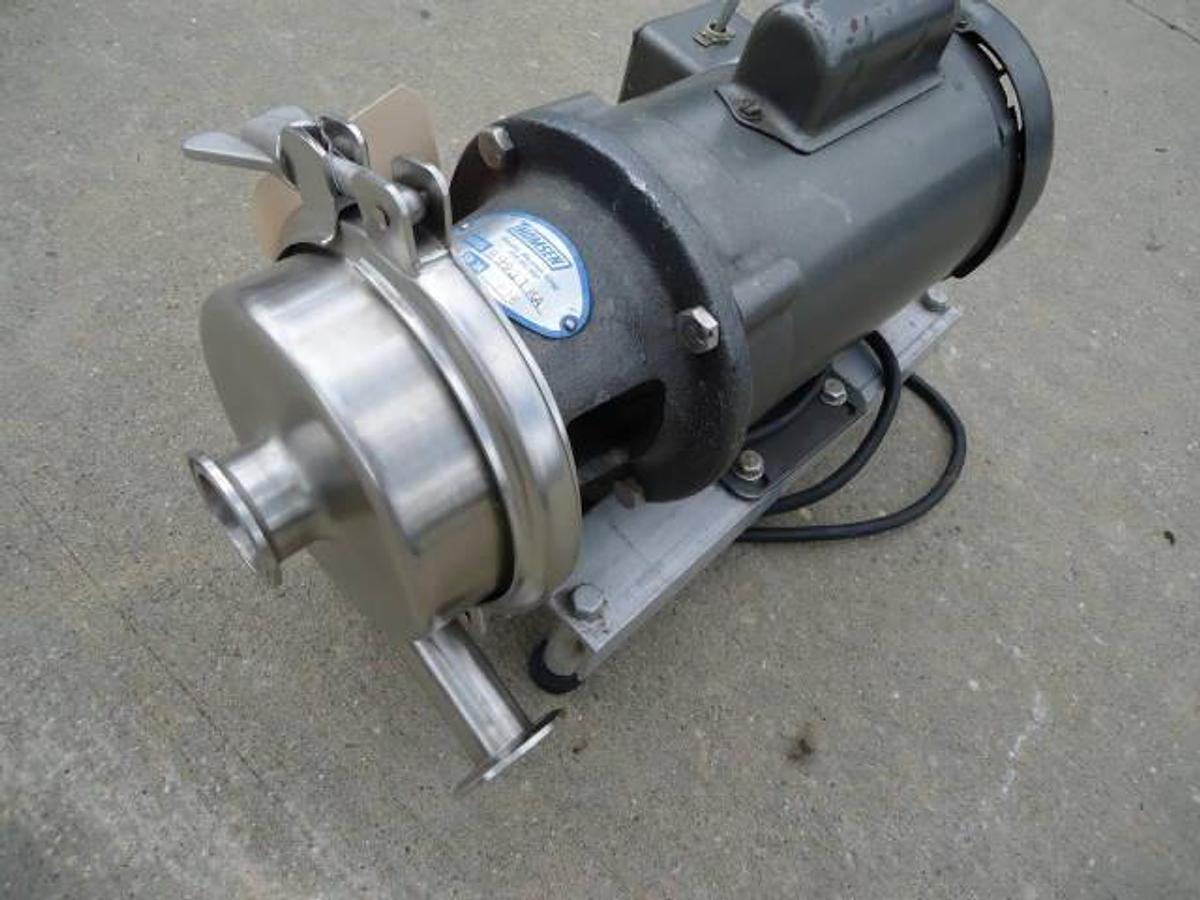
Thomsen sanitary centrifugal pumps are available in a range of port sizes to accommodate different flow rate requirements. Commonly available sizes in the used equipment market include 1-1/2 inch and 2 inch inlet/outlet configurations. For example, used inventory often includes models such as 1-1/2 inch stainless sanitary centrifugal pumps in single-phase electrical configurations, as well as 1-1/2 inch by 2 inch models that feature different inlet and outlet diameters to match specific piping layouts. Single-phase motors are common in smaller pump models and are practical for facilities without three-phase power infrastructure.
The specific flow rates achievable depend on the impeller size, motor horsepower, and the system's head pressure requirements. Buyers should request the full nameplate data and any available documentation for a used pump to confirm that the flow and pressure characteristics match their process needs. Because used Thomsen pumps come from decommissioned food and beverage processing lines, the available inventory at any given time reflects what has come off those lines, so selection may vary. Working with a dealer who specializes in sanitary processing equipment improves the odds of finding a pump that matches specific size and configuration requirements.
What industries are Thomsen sanitary centrifugal pumps used in?
Thomsen sanitary centrifugal pumps are designed for industries where hygiene, cleanability, and product integrity are non-negotiable. The most common applications are in food and beverage processing, dairy production, brewing, and pharmaceutical manufacturing. In these sectors, pumps must handle products ranging from thin liquids like water and juice to slightly viscous fluids like milk, cream, or light syrups, all while maintaining sanitary conditions throughout the process. The stainless steel construction and polished internal surfaces make these pumps appropriate for direct contact with consumable products.
Beyond food and beverage, Thomsen sanitary centrifugal pumps also appear in cosmetics manufacturing and personal care product processing, where similar standards for cleanliness and material compatibility apply. Their design compatibility with CIP (Clean-in-Place) and SIP (Steam-in-Place) systems is a key reason they are favored in these regulated environments, since CIP and SIP allow thorough internal cleaning without disassembly, which reduces downtime and labor costs. Facilities that run multiple product changeovers per shift particularly benefit from pumps that can be cleaned quickly and reliably in place.
What is the difference between a sanitary centrifugal pump and a positive displacement pump?
Centrifugal pumps and positive displacement pumps move fluid through fundamentally different mechanisms, and the right choice depends on the specific processing application. A centrifugal pump uses a rotating impeller to impart velocity to the fluid, converting that velocity into pressure as the fluid exits through the pump housing. This design works well for low to medium viscosity liquids at relatively high flow rates, and it tends to be simpler, less expensive, and easier to maintain than positive displacement designs. Thomsen sanitary centrifugal pumps fall into this category and are commonly used for transferring water-like liquids in food and beverage or dairy applications.
Positive displacement pumps, by contrast, move a fixed volume of fluid per revolution regardless of pressure, making them better suited for high-viscosity products like sauces, gels, pastes, or products that are shear-sensitive. They also tend to be more precise for metering applications. The trade-off is that positive displacement pumps are generally more mechanically complex and can be more costly to maintain. For applications involving thin, free-flowing liquids where high sanitary standards are required but precise metering is not the primary concern, a sanitary centrifugal pump like those made by Thomsen is typically the more practical and cost-effective choice.
What should buyers inspect when purchasing a used Thomsen sanitary centrifugal pump?
Buying a used sanitary centrifugal pump requires a more careful evaluation than purchasing standard industrial equipment, because hygienic condition directly affects food safety and regulatory compliance. The most critical areas to inspect are the internal wetted surfaces, including the impeller, pump housing, and any sealing faces. Pitting, corrosion, scoring, or surface roughness that has developed over time can create areas where bacteria can harbor, even after cleaning. Buyers should request detailed photos or video of these surfaces, or arrange an in-person or virtual inspection with the dealer to assess the pump's hygienic condition.
Seal condition is another major inspection point. Mechanical seals and elastomer components degrade over time and with exposure to cleaning chemicals, heat, and pressure cycling. A worn seal can cause leaks or allow contamination into the product stream. Buyers should also verify that the motor runs smoothly, check for unusual vibration or noise during operation if a test run is possible, and confirm that all nameplate data matches the pump's documentation. Reputable used equipment dealers who specialize in sanitary processing machinery will typically accommodate in-person inspections or provide detailed video walkthroughs to give buyers an accurate picture of the machine's current condition.
Are replacement parts and seals readily available for used Thomsen sanitary centrifugal pumps?
Parts availability is a practical concern for any used equipment purchase, and it is worth investigating before committing to a specific pump model. For Thomsen sanitary centrifugal pumps, buyers should contact Thomsen directly or reach out to authorized distributors to confirm what replacement parts, including mechanical seals, impellers, gaskets, and housing components, are currently stocked or can be ordered. The age and specific model of the pump can significantly affect parts availability, as older or discontinued models may have limited manufacturer support.
In many cases, sanitary centrifugal pumps from established manufacturers share standardized seal sizes and connection dimensions (such as tri-clamp fittings) with other brands, which means aftermarket or cross-compatible parts may be available even if manufacturer-direct parts are harder to source. Third-party seal suppliers often carry replacements for common mechanical seal configurations used across multiple sanitary pump brands. Buyers should gather the full model number and seal specifications from the pump's nameplate before purchasing, and use that information to confirm parts availability through both the manufacturer and aftermarket suppliers before finalizing the purchase.
What does CIP compatibility mean for a sanitary centrifugal pump, and why does it matter?
CIP stands for Clean-in-Place, a method of cleaning the interior surfaces of pumps, pipes, and processing equipment without disassembling them. A CIP-compatible sanitary centrifugal pump is designed so that cleaning solutions can be circulated through the pump at the flow rates, temperatures, and chemical concentrations required to achieve effective sanitation. This is achieved through smooth internal surfaces with no dead zones where product can pool, appropriate seal materials that resist degradation from cleaning agents, and housing geometries that allow complete drainage after the cleaning cycle.
For food, beverage, dairy, and pharmaceutical processors, CIP compatibility is not optional. Regulatory standards and internal quality programs typically require validated cleaning procedures, and a pump that cannot be effectively cleaned in place creates a bottleneck in production since it would need to be manually disassembled and cleaned between runs. This adds labor time and increases the risk of reassembly errors that could compromise sanitary integrity. SIP (Steam-in-Place) compatibility is a related feature that allows the pump to be sterilized with steam, which is particularly important in pharmaceutical and aseptic processing environments. When evaluating a used Thomsen sanitary centrifugal pump, confirming that the seals and materials are rated for the specific CIP chemicals and temperatures used in a facility is an important step before purchase.
How does the shipping and logistics process work for used sanitary centrifugal pumps?
Shipping used processing equipment like sanitary centrifugal pumps involves more planning than standard parcel shipping. The pump must be properly packaged to prevent damage in transit, which typically means palletizing and crating the unit with appropriate blocking and bracing. The level of packaging required affects the shipping cost, and buyers should ask the dealer specifically what packaging will be used and whether crating is included or priced separately. For smaller single-phase centrifugal pumps like the Thomsen models commonly available in the used market, the units are generally manageable without heavy rigging, but larger pump and motor assemblies may require forklift handling at both the origin and destination.
Shipping costs vary based on the pump's weight and dimensions, the origin and destination locations, and the carrier selected. Freight carriers with experience handling industrial equipment are generally preferred over standard parcel services for anything beyond the smallest pumps. Buyers should also factor in unloading requirements at their facility. If a loading dock and forklift are not available, liftgate service may be needed, which adds cost. Getting a complete landed cost estimate from the dealer before purchase, including packaging, freight, and any special handling fees, avoids surprises and allows for accurate budget planning.
What payment terms should buyers expect when purchasing used Thomsen sanitary centrifugal pumps?
Used equipment transactions in the industrial and food processing sectors typically require full payment before the equipment ships. This is standard practice across the used machinery market and reflects the nature of pre-owned equipment sales, where the dealer needs to confirm cleared funds before releasing a machine. Buyers who are new to a particular dealer should expect to pay in full upfront, and should factor this into their procurement process, particularly if internal purchase order or accounts payable workflows require lead time.
Some dealers may extend payment terms to established repeat customers with whom they have a documented purchase history, but this is not the norm for first-time transactions. Accepted payment methods vary by dealer and may include wire transfer, ACH, or other arrangements. Credit card payments, if accepted, may carry a processing fee. Buyers should clarify payment method options and any associated fees before finalizing a purchase. Because used equipment is sold as-is, understanding the full cost including payment, shipping, and any inspection or rigging fees before committing is the best way to ensure the transaction goes smoothly.