Category
Manufacturer
Model
FAQ:
What is a Thompson Frozen Block Flaker and what is it used for?
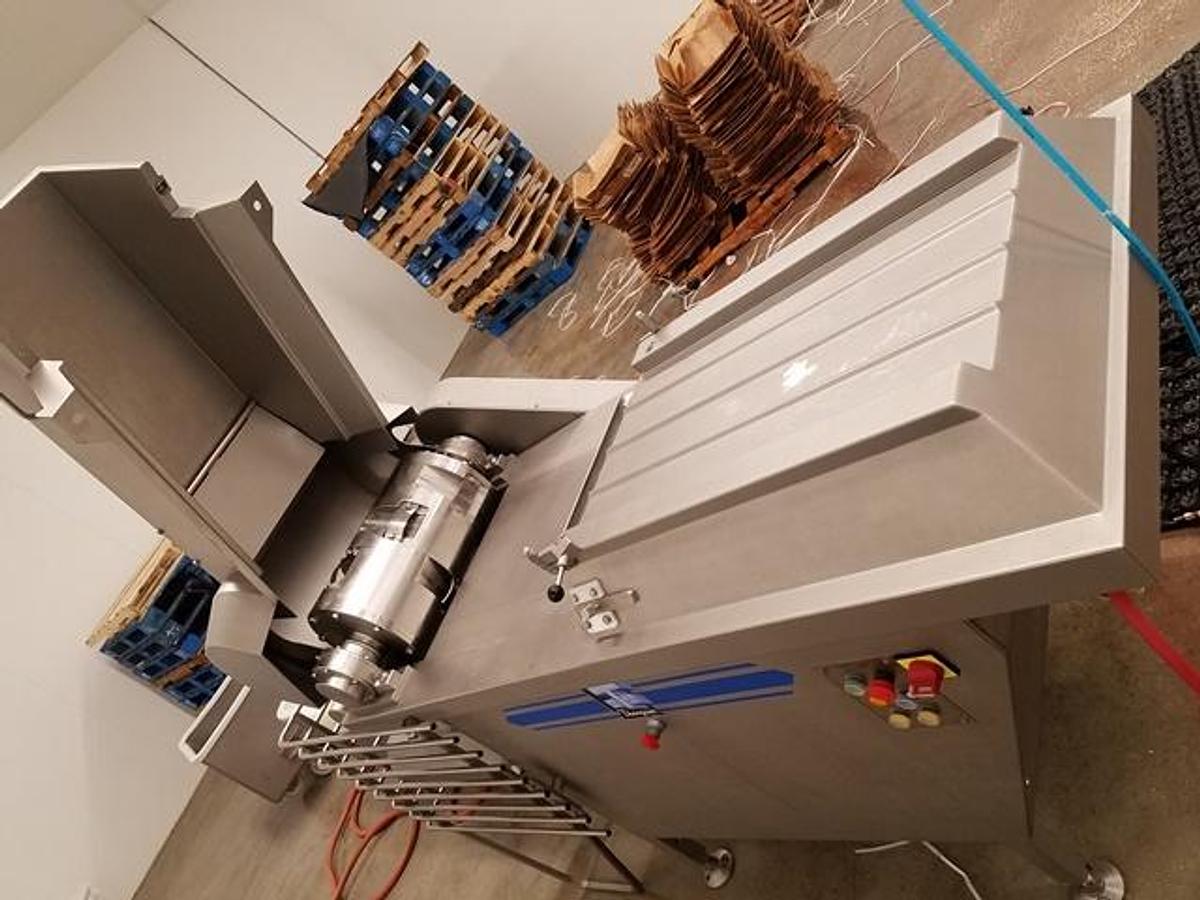
A Thompson Frozen Block Flaker is an industrial food processing machine designed to break down large, solid frozen blocks of protein into smaller flakes, chips, or shreds. The machine is built for heavy-duty continuous use in commercial and industrial settings, where manually thawing or breaking down frozen product would be impractical and time-consuming. Facilities that rely on these machines include seafood processing plants, meat packing operations, poultry processors, and large institutional food production facilities.
The core function of the machine is to accept a solidly frozen block, typically of fish, beef, pork, or poultry, and reduce it into uniform flakes or pieces that can then be fed into grinders, mixers, or other downstream processing equipment. Processing product in its frozen state helps maintain food safety standards, reduces bacterial growth risk during processing, and preserves product texture. Thompson has built a strong reputation in the food processing industry for producing durable, high-output flaking equipment, which is why used units remain in high demand on the secondary market decades after manufacture.
What types of frozen products can a Thompson Frozen Block Flaker process?
Thompson Frozen Block Flakers are designed primarily for processing solidly frozen blocks of protein-based food products. The most common applications include fish and seafood blocks (such as cod, pollock, and surimi), beef and pork trim blocks, poultry blocks, and other frozen meat products used in further-processed food manufacturing. The machines are built to handle the extreme hardness of fully frozen material, which can place significant stress on cutting components and the machine's drive system.
Some operations also use frozen block flakers to process other dense frozen materials outside of traditional protein categories, though the machine's design is optimized for food-grade applications in protein processing. When evaluating a used Thompson Flaker for a specific application, buyers should confirm that the machine's blade configuration and feed mechanism are suited to the density and block dimensions of the product they intend to run. Blade type and spacing can vary between models and configurations, so reviewing the machine's specifications against your production requirements before purchasing is an important step.
What capacity range should I expect from a Thompson Frozen Block Flaker?
Capacity on Thompson Frozen Block Flakers is typically expressed in pounds of frozen product processed per hour, and the range varies considerably depending on the specific model. Smaller units may handle several hundred pounds per hour, while larger, industrial-scale models are capable of processing several thousand pounds per hour under continuous operation. The right capacity for a given facility depends on production throughput requirements, the number of shifts the machine will run, and how the flaker fits into the broader processing line.
When shopping for a used Thompson Flaker, capacity ratings listed in machine specifications are based on manufacturer data and can be affected by the age of the machine, the condition of the blades, the hardness and temperature of the incoming frozen block, and how well the machine has been maintained over its service life. Buyers should factor in some margin when sizing a machine for their line, and should ask the seller about the machine's production history and what product types and block sizes it was running in its previous application. That context can help you make a more accurate assessment of whether a particular used unit will meet your throughput needs.
What are the power and voltage requirements for a Thompson Frozen Block Flaker?
Thompson Frozen Block Flakers are industrial machines that require three-phase electrical power, which is standard in commercial food processing facilities. Voltage requirements typically fall in the range of 208V to 480V three-phase, depending on the model and the motor configuration. Horsepower ratings on the drive motors can vary significantly between models, with larger-capacity machines requiring more powerful motors to handle the mechanical load of cutting through solid frozen blocks.
Before purchasing a used Thompson Flaker, buyers should confirm the machine's electrical specifications and compare them against the available power supply at their facility. Voltage mismatches can require transformer solutions or rewiring, which adds cost and complexity to the installation. It is also worth having an electrician review the machine's motor and control panel condition during any inspection, as electrical components are a common wear item on older industrial equipment. Asking the seller for the machine's nameplate data or any available documentation will help you assess electrical compatibility early in the buying process.
What is the typical price range for a used Thompson Frozen Block Flaker?
Pricing for used Thompson Frozen Block Flakers varies based on the model, capacity, age, and overall condition of the machine. Smaller or older units in average condition may be priced in the range of a few thousand dollars, while larger, higher-capacity models in good working condition can command prices well into the tens of thousands of dollars. Thompson equipment has a strong reputation for durability, which tends to support higher resale values compared to lesser-known brands in the same category.
Beyond the purchase price, buyers should factor in the total landed cost of the machine, which includes freight, rigging, any required electrical or mechanical modifications for installation, and the cost of replacement blades or wear parts needed to bring the machine up to production-ready condition. A lower sticker price on a machine that needs significant blade replacement or mechanical work may end up costing more than a higher-priced unit in better condition. Requesting a detailed inspection and asking the seller about the current state of the cutting components before finalizing a purchase will give you a clearer picture of the true cost of ownership.
Are replacement parts and blades readily available for Thompson Frozen Block Flakers?
The availability of replacement parts, particularly flaking blades and cutting components, is one of the most important factors to evaluate before purchasing any used frozen block flaker. Thompson machines have been in service in food processing facilities for many years, and parts availability can vary depending on the age and specific model of the machine. Some parts may still be available through the manufacturer or authorized service channels, while older or discontinued models may require sourcing components through specialty parts suppliers or fabrication.
Before completing a purchase, buyers are strongly encouraged to contact Thompson directly or consult with a parts supplier to confirm what components are available for the specific model they are considering. Blade condition is especially critical because dull or damaged blades directly impact output quality, machine efficiency, and motor load. If the machine being purchased has worn blades, factoring the cost of replacement into the total purchase budget is essential. A reputable used equipment dealer should be able to provide the model number and serial number of the machine so you can do this research before committing to a purchase.
What should I look for when inspecting a used Thompson Frozen Block Flaker?
A thorough inspection of a used Thompson Frozen Block Flaker should cover several key areas. The condition of the cutting blades and flaking drum is the most critical mechanical element to assess, as these components bear the greatest wear during normal operation and are directly responsible for output quality. Signs of blade wear, chipping, or uneven spacing should be noted, along with any visible cracks or damage to the machine's housing or feed mechanism. The condition of the drive system, including the motor, gearbox, and any chain or belt drives, should also be reviewed carefully.
Inspections can typically be arranged in person, by video, or through detailed photo documentation provided by the seller. Some machines may still be installed and operational at the facility where they were last used, which can allow for a live demonstration or at minimum a visual inspection of the machine in its working environment. Keep in mind that most used equipment dealers do not have the permitting or production infrastructure to run actual food product through a machine during an inspection, so functional testing is generally limited to confirming that the machine powers on and mechanical components move freely. Buyers who want a deeper technical assessment may want to bring in a qualified food processing equipment technician to participate in the inspection.
Does a used Thompson Frozen Block Flaker come with a warranty?
Warranties on used industrial food processing equipment work differently than they do on equipment purchased directly from a manufacturer. Used equipment dealers typically sell machinery on an as-is basis, meaning the buyer accepts the machine in its current condition at the time of sale. This places the responsibility for assessing condition squarely on the buyer, which is why inspection is such an important step in the purchasing process. Manufacturer warranties, if they were ever transferable, are almost certainly expired on machines of this type given their age and prior use in production environments.
Buyers can reduce their risk by choosing dealers with a long track record of selling food processing equipment specifically, as industry-specialized dealers are more likely to accurately represent machine condition and provide useful documentation. It is also worth reaching out to Thompson directly to understand what level of technical support, parts availability, and service documentation they can provide for the specific model and serial number you are considering. The manufacturer's ability to support a machine, even without a formal warranty, can be an important factor in the long-term reliability and repairability of older equipment.
What are the dimensions and weight of a Thompson Frozen Block Flaker, and how does that affect shipping?
Thompson Frozen Block Flakers are heavy industrial machines, and their physical dimensions and weight vary by model. Larger capacity units can weigh several thousand pounds and may have footprints that require significant floor space in a processing facility. Exact dimensions and weights for a specific used unit should be requested from the seller, as this information is necessary for planning both the shipping logistics and the installation layout at the receiving facility.
Shipping costs for machines of this size and weight can be substantial, and the total landed cost should be understood before finalizing a purchase. Proper packaging is critical to prevent damage during transit, and larger machines typically require professional rigging for both loading at the origin and unloading at the destination. Buyers should ask the seller to provide a detailed breakdown of packaging, crating, rigging, and freight charges so there are no surprises. Depending on the machine's size, a flatbed truck, specialized freight carrier, or crane service may be required, all of which add to the overall cost of acquisition.
What are the typical payment terms when purchasing a used Thompson Frozen Block Flaker?
Payment terms for used industrial food processing equipment like the Thompson Frozen Block Flaker are generally straightforward but worth understanding before entering into a transaction. Most used equipment dealers require full payment prior to releasing a machine for shipment. This is standard practice in the industry and protects the seller from shipping a machine before funds have cleared. Buyers should plan accordingly and ensure financing or capital is in place before committing to a purchase.
Some dealers may offer extended payment terms to repeat customers or buyers with an established purchasing relationship, but this is not the norm for first-time transactions. Wire transfer is the most common payment method for transactions of this size, though other arrangements may be possible depending on the dealer. Buyers should clarify payment expectations early in the negotiation process and confirm all terms in writing before any deposit or final payment is made. Understanding the full payment timeline alongside the shipping schedule will help ensure a smooth transaction from purchase to delivery.