Category
Manufacturer
Model
Thermo Scientific
Thermo Scientific offers a wide range of analytical and laboratory equipment, serving various industries including pharmaceuticals, biotechnology, and food safety. They are particularly known for their chromatography and mass spectrometry systems, which are essential for quality control and research. Thermo Scientific’s commitment to innovation ensures that their equipment meets the evolving needs of the market.
FAQ:
What types of Thermo Scientific laboratory equipment are commonly available on the used market?
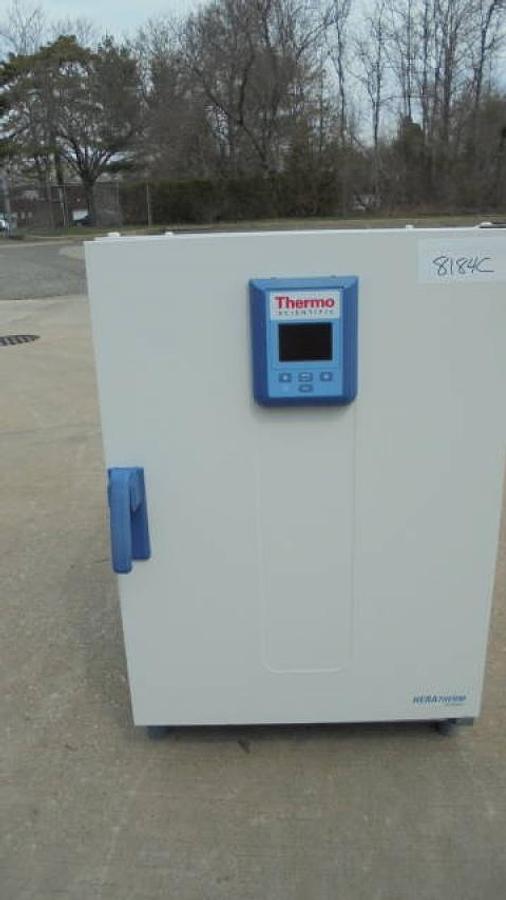
Thermo Scientific produces one of the broadest portfolios in the laboratory instrumentation industry, and a wide range of those instruments regularly appear on the used equipment market. Common categories include centrifuges, incubators, ultra-low temperature freezers, water baths, biosafety cabinets, spectrophotometers, PCR thermal cyclers, and chromatography systems. Mass spectrometry platforms, including triple quadrupole and high-resolution instruments, are also frequently listed, as are liquid chromatography systems such as HPLC and UHPLC units. Specific models like the Thermo Scientific Heratherm incubator series are well-represented because of their widespread adoption across pharmaceutical, biotech, and food safety labs.
The variety available reflects how broadly Thermo Scientific equipment is used across industries. A pharmaceutical quality control lab might retire a perfectly functional HPLC system after a product line change, while a university research department might sell off freezers or biosafety cabinets during a facility upgrade. That kind of institutional turnover keeps a steady supply of used Thermo Scientific instruments available. Buyers should look for equipment that matches their specific application requirements and confirm the instrument's configuration, including any installed software licenses or detector modules, before committing to a purchase.
Is used Thermo Scientific equipment reliable enough for regulated laboratory environments?
Thermo Scientific instruments are engineered for durability, and many models remain fully functional for 10 to 20 years with proper maintenance. That longevity is one of the main reasons the used market for these instruments is so active. A well-maintained Heratherm incubator or a properly serviced mass spectrometer can perform to its rated specifications long after its initial installation, which makes used Thermo Scientific equipment a practical option for many lab settings, including those in regulated industries like pharmaceuticals and clinical diagnostics.
That said, buyers in regulated environments need to approach used equipment purchases with additional diligence. The reliability of any used instrument depends heavily on its service history, how it was stored, and whether it has been decommissioned or was still in active production use before the sale. Requesting service records, asking about the reason for decommissioning, and arranging an inspection are all steps that help establish confidence in the instrument's condition. For regulated applications, buyers should also plan for qualification activities such as installation qualification and operational qualification after receiving the equipment, since these processes will need to be completed regardless of the instrument's prior certification history.
How do I verify the calibration and certification status of used Thermo Scientific equipment before buying?
Calibration documentation is one of the most important things to request when evaluating used laboratory equipment, particularly for instruments used in quality control or regulated testing environments. Ask the seller for the most recent calibration certificate, including the date it was performed, the calibration standard used, and whether the calibration was done by an accredited third-party service provider or in-house. For instruments like spectrophotometers, balances, or temperature-controlled units, a calibration certificate gives you a baseline understanding of whether the instrument was performing within specification at the time of its last check.
It is equally important to understand that calibration certificates expire, and a certificate from several years ago does not confirm current performance. Buyers should factor in the cost of recalibration after purchase, especially if the instrument will be used in a regulated setting where traceability to national or international measurement standards is required. Contacting Thermo Fisher Scientific directly is also advisable, as they can confirm whether a specific model is still supported, whether calibration services are available, and whether replacement parts remain accessible. Age and model generation can significantly affect the level of manufacturer support available for a given instrument.
What should I inspect when evaluating used Thermo Scientific equipment?
A thorough inspection covers both the physical condition of the instrument and its functional performance. On the physical side, look for signs of corrosion, damaged seals, worn tubing, cracked housings, or any evidence of chemical spills or contamination. For chromatography and mass spectrometry systems, the condition of the vacuum pump, ion source, and detector components is particularly important since these are high-wear areas that directly affect analytical performance. For temperature-controlled equipment like incubators or freezers, check the integrity of door gaskets, the condition of compressor components, and whether the unit holds temperature accurately across its range.
Functional inspection is where the picture becomes clearer. Reputable used equipment dealers will typically offer in-person inspections, video walkthroughs, or recorded demonstrations of the equipment operating. Some instruments may still be in active use at a facility, making it possible to observe them running under real production conditions. Keep in mind that most dealers do not have the permitting or infrastructure to run actual product through analytical instruments, so functional testing is generally limited to powering on the system, running diagnostics, and demonstrating basic operation. Buyers should use the inspection to assess whether the instrument powers up cleanly, whether any error codes or fault conditions are present, and whether all major components appear intact and undamaged.
What is the typical lead time for receiving used Thermo Scientific laboratory equipment after purchase?
Lead times for used laboratory equipment vary considerably depending on several factors: whether the equipment is in dealer stock or still located at a third-party facility, the complexity of rigging and packaging required, and the shipping distance involved. For instruments that are already in a dealer's warehouse and are relatively compact, lead times can be as short as one to two weeks once payment is confirmed and packaging is arranged. Larger or more complex systems, such as mass spectrometers or ultra-low temperature freezer banks, may require more time for proper crating and rigging preparation, which can extend lead times to three to six weeks or longer.
Buyers should discuss lead time expectations with the seller before completing a purchase, and should ask specifically about the current location of the equipment, the packaging method planned, and the carrier being used. For sensitive analytical instruments, specialized freight carriers with experience handling laboratory equipment are preferable to standard freight services. International shipments add additional lead time due to customs clearance, export documentation, and import requirements in the destination country. Getting a clear picture of the full logistics process upfront helps avoid surprises and allows buyers to plan their lab timelines accordingly.
How is used Thermo Scientific equipment typically packaged and shipped?
Proper packaging is critical for laboratory instruments, which often contain sensitive optical components, vacuum systems, or precision mechanical assemblies that can be damaged by vibration, shock, or moisture during transit. Standard palletization is appropriate for some equipment, but larger or more fragile instruments typically require custom wooden crating with internal foam or cushioning to protect critical components. Chromatography columns, detector assemblies, and other removable parts should be disassembled and packed separately. Shipping costs will reflect the level of packaging required, and buyers should ask for a detailed breakdown of palletization or crating charges as part of the total landed cost calculation.
For heavy equipment, rigging is an added consideration. Loading a large freezer, a floor-standing centrifuge, or a mass spectrometer onto a freight truck requires specialized equipment and trained personnel, and those rigging costs are typically passed on to the buyer. On the receiving end, buyers should confirm whether they have the equipment and personnel needed to unload and position the instrument in their facility, or whether they need to arrange for rigging services on their end as well. Discussing all of these logistics details with the seller before finalizing the purchase prevents unexpected costs from appearing after the transaction is complete.
What are the typical payment terms for purchasing used laboratory equipment?
Most used equipment dealers require full payment before the equipment is shipped. This is standard practice in the industry and reflects the fact that used equipment transactions do not carry the same contractual protections as purchases from large manufacturers with established credit terms. Payment is typically accepted by wire transfer, though some dealers may accept other forms depending on the transaction size and the buyer's relationship with the seller. Buyers who have an established purchase history with a particular dealer may sometimes be able to negotiate payment terms, but this is not the norm for first-time transactions.
For buyers who need to spread the cost of a significant equipment purchase, some dealers work with third-party equipment financing companies that can provide leasing or loan arrangements. This is worth asking about directly, particularly for higher-value instruments like mass spectrometers or high-end chromatography platforms where the purchase price may be substantial even in the used market. Regardless of the payment structure, buyers should ensure they receive a clear invoice that details the equipment being purchased, its condition as represented, and any agreed-upon terms before transferring funds.
How do I choose the right Thermo Scientific model for my laboratory application?
Matching the right instrument to a specific application requires understanding both the technical specifications of the equipment and the demands of the intended use. For chromatography, factors like flow rate range, detector compatibility, pressure rating, and software version all affect whether a given HPLC or UHPLC system will work for a particular method. For mass spectrometry, the choice between a single quadrupole, triple quadrupole, or high-resolution platform depends on whether the application requires targeted quantitation, unknown identification, or both. For temperature-controlled equipment like incubators or freezers, the key variables are temperature range, uniformity, capacity, and whether CO2 or other atmospheric control is needed.
Thermo Fisher Scientific publishes detailed specification sheets and application notes for most of its product lines, and these documents are useful reference points when evaluating used instruments. Consulting with a specialist who knows the specific model being considered is also valuable, since some older instrument generations have known limitations or require specific software environments that may no longer be readily available. For regulated applications, it is worth contacting Thermo Fisher Scientific directly to confirm whether the model in question is still supported, what software versions are compatible, and whether replacement parts are still being manufactured. That conversation can prevent a buyer from acquiring an instrument that turns out to be difficult or expensive to maintain.
Can replacement parts and accessories for older Thermo Scientific instruments still be sourced?
Parts availability is one of the most practical considerations when buying used laboratory equipment, and it varies significantly depending on the age and model of the instrument. Thermo Scientific has a large installed base globally, which means that for many instrument families, parts remain available through the manufacturer for a reasonable period after a product is discontinued. Common wear items like pump seals, tubing, filters, lamp assemblies, and detector components for popular platforms are often stocked by both the manufacturer and independent laboratory supply companies. For instruments that have been out of production for many years, the used parts market can also be a viable source, particularly for widely adopted platforms.
Buyers should research parts availability before committing to a purchase, especially for complex instruments like mass spectrometers where key components such as ion sources, turbomolecular pumps, and detector assemblies are expensive and not always interchangeable between model generations. Contacting Thermo Fisher Scientific's service division with the instrument's serial number is the most reliable way to get a current answer on parts and service support status. Some models that are no longer actively supported by the manufacturer may still be serviceable through independent service organizations that specialize in Thermo Scientific platforms. Understanding the parts landscape ahead of time helps buyers make a realistic assessment of the instrument's total cost of ownership.
How does buying used Thermo Scientific equipment compare to purchasing through standard procurement channels?
The primary advantage of the used equipment market is cost. Thermo Scientific instruments, particularly advanced analytical platforms like mass spectrometers, high-performance chromatography systems, and high-capacity ultra-low temperature freezers, carry significant list prices. Used instruments of the same model and configuration can often be acquired for a fraction of that cost, freeing up budget for consumables, staffing, or facility improvements. For labs that need proven, well-established technology rather than the latest generation instrument, the used market offers access to highly capable equipment at a much lower entry point.
The trade-offs are real and worth understanding clearly. Used equipment is sold as-is, meaning the buyer takes on the responsibility of verifying the instrument's condition through inspection rather than relying on manufacturer assurances. There are no factory warranties on used instruments, and the buyer should plan for the possibility of servicing or reconditioning costs after acquisition. Selecting a reputable dealer with a track record in laboratory equipment, requesting thorough documentation, and conducting a proper inspection before purchase are the main ways buyers protect themselves in this market. For many laboratories, particularly those with experienced instrument operators and in-house service capabilities, these trade-offs are manageable and the cost savings make the used market a very practical procurement strategy.