Category
Manufacturer
Model
Thermo Electron Goring Kerr
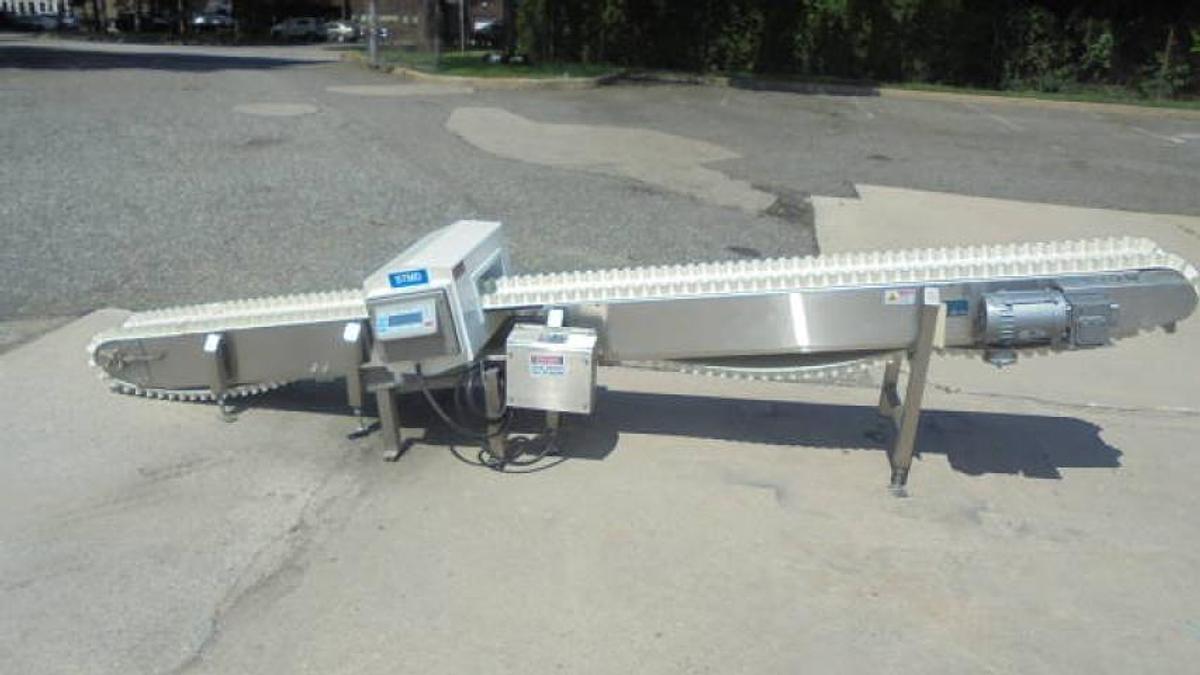
Thermo Electron Goring Kerr is a key player in the manufacturing of high-precision weighing and inspection equipment, primarily for the pharmaceutical and food industries. They are known for their advanced checkweighers and metal detectors that ensure product quality and compliance. Their technology helps manufacturers maintain high standards in production and packaging.
FAQ:
What industries are Thermo Electron Goring Kerr metal detectors designed for?
Thermo Electron Goring Kerr metal detectors were engineered primarily for the food processing and pharmaceutical industries, where contamination control is a regulatory and safety requirement. In food manufacturing, these detectors are installed on production and packaging lines to catch ferrous, non-ferrous, and stainless steel contaminants before products reach consumers. Pharmaceutical applications rely on them to protect both product integrity and patient safety, since even trace metal contamination in a drug product can have serious consequences.
Beyond those two core markets, the detectors have also been used in packaging, cosmetics, and general industrial manufacturing where product inspection standards are high. Their reputation for precision and durability made them a practical choice for any facility running high-volume lines that require consistent, reliable detection performance. Used units from this product line remain popular with small and mid-sized food processors specifically because they offer industrial-grade capability at a fraction of the cost of buying inspection equipment through a manufacturer's current catalog.
What types of metals can Goring Kerr metal detectors detect?
Goring Kerr metal detectors are capable of detecting all three major categories of metal contaminants: ferrous metals (such as iron and steel), non-ferrous metals (such as aluminum, copper, and brass), and stainless steel. Stainless steel is historically the most difficult metal to detect reliably because it has relatively low magnetic permeability and conductivity, making it harder to distinguish from the product signal. Goring Kerr's DSP (Digital Signal Processing) series was specifically developed to address this challenge, using advanced signal processing algorithms to improve sensitivity to stainless steel without increasing false reject rates.
The actual detection thresholds depend on the specific model, the aperture size, and the product being inspected. Wet, conductive, or high-salt products create what is known as product effect, which can mask small metal particles if the detector is not properly calibrated. Higher-end models in the Goring Kerr line included automatic product compensation features to minimize this interference. Buyers evaluating a used unit should confirm the model's detection capabilities match their product type and line requirements before purchase.
What is the detection sensitivity of Thermo Electron Goring Kerr metal detectors?
Detection sensitivity in Goring Kerr metal detectors varies by model, aperture size, and the type of product being inspected. As a general benchmark, well-maintained units from the DSP and Signature series are capable of detecting ferrous spheres as small as 0.5 to 1.0 mm in diameter under dry, non-conductive product conditions. Non-ferrous detection typically runs slightly higher, and stainless steel detection ranges from approximately 1.5 to 2.5 mm depending on the aperture and product effect present. These figures are broadly consistent with the performance specifications associated with this product line during its production years.
It is worth understanding that sensitivity is not a fixed number for any given machine. Aperture size has a direct inverse relationship with sensitivity, meaning a detector with a smaller opening will achieve finer detection thresholds than the same model with a larger aperture. Product effect from wet or conductive foods can reduce effective sensitivity significantly. When purchasing a used Goring Kerr detector, buyers should discuss the intended application with the seller and, where possible, arrange an inspection or demonstration to verify the unit is calibrated and performing within acceptable ranges for their specific product.
What is the history behind the Goring Kerr brand and its connection to Thermo Electron?
Goring Kerr was founded in the United Kingdom and became one of the pioneering companies in industrial metal detection technology. The brand built a strong reputation over decades by supplying detection equipment to food processors, pharmaceutical manufacturers, and packagers across Europe and internationally. Their engineering focus on sensitivity and reliability made Goring Kerr detectors a trusted name on production lines well before the brand changed hands.
Thermo Electron Corporation, a Massachusetts-based scientific instrumentation company, acquired Goring Kerr as part of a broader strategy to expand its industrial inspection and measurement portfolio. The acquisition brought Goring Kerr's metal detection expertise under Thermo Electron's umbrella, and products were subsequently sold under the combined Thermo Electron Goring Kerr name. Thermo Electron later underwent further corporate evolution and rebranded significant portions of its inspection equipment business under Thermo Scientific and eventually Thermo Fisher Scientific. As a result, buyers researching Thermo Electron Goring Kerr equipment in the used market may encounter the same underlying product lines listed under any of these brand names depending on when the specific unit was manufactured.
Do Thermo Electron Goring Kerr metal detectors comply with food safety standards like HACCP?
Metal detection is a recognized Critical Control Point (CCP) under HACCP (Hazard Analysis and Critical Control Points) frameworks, and Goring Kerr detectors were designed with that compliance context in mind. When properly installed, calibrated, and documented, a metal detector on a food production line serves as a verifiable control measure against physical contamination. Regulatory bodies and food safety auditors generally require that metal detectors be validated at installation, tested at defined intervals during production, and that rejection events be logged and investigated.
For a used Goring Kerr unit to function as a compliant CCP in a HACCP plan, the detector must be in proper working order and capable of meeting the sensitivity thresholds specified in the facility's food safety plan. Buyers should verify that the unit can be tested with certified test pieces and that the reject mechanism is functioning reliably. Consulting with the manufacturer or an authorized service technician about the specific model's current support status is advisable, since older models may have limited documentation or calibration support available. The machine itself does not carry a compliance certification independent of how it is installed and maintained within a specific facility's quality system.
What are the key product series associated with the Goring Kerr metal detector line?
Two of the most recognized product series from the Goring Kerr line are the DSP series and the Signature series. The DSP series, as the name suggests, incorporated digital signal processing technology, which represented a significant advancement in the brand's detection capability. DSP-based detectors were able to analyze the signal from a passing contaminant with greater precision, which improved sensitivity to difficult-to-detect metals like stainless steel and reduced the frequency of false rejects caused by product effect. This made them particularly well-suited for challenging applications involving wet, salty, or high-moisture food products.
The Signature series built on similar principles and was positioned as a higher-performance option for demanding production environments. Both series were designed for integration into conveyor-based production lines and were available in a range of aperture sizes to accommodate different product formats and packaging configurations. Because these machines were built to industrial standards and used extensively in food and pharmaceutical facilities, well-maintained used units from both series remain sought after in the secondary market. Buyers looking at used equipment should identify the specific series and model number, as this will determine parts availability, software support, and the level of technical assistance they can expect from the manufacturer or third-party service providers.
Are spare parts and replacement components available for older Goring Kerr metal detector models?
Parts availability for older Goring Kerr models is a practical consideration that buyers should research before committing to a purchase. Since the brand went through acquisition by Thermo Electron and subsequent rebranding under Thermo Scientific and Thermo Fisher Scientific, the current manufacturer may still support certain legacy models, but this varies significantly by model age and production era. Contacting Thermo Fisher Scientific directly to ask about parts and service support for a specific model number is a recommended step before buying a used unit.
For models that are no longer actively supported by the manufacturer, third-party industrial electronics and mechanical parts suppliers can sometimes source replacement components, particularly for wear items like conveyor belts, reject mechanisms, and control boards. Some specialized used equipment dealers who focus on food processing and inspection machinery maintain their own parts inventory for common Goring Kerr models. Buyers should factor potential parts sourcing challenges into their total cost of ownership calculation, especially for units that are more than 15 to 20 years old. An in-person or video inspection that includes a review of the machine's current condition and any recently replaced components can help buyers assess maintenance risk before purchase.
What should buyers inspect when evaluating a used Thermo Electron Goring Kerr metal detector?
A thorough inspection of a used Goring Kerr metal detector should cover both the mechanical and electronic condition of the unit. On the mechanical side, buyers should examine the conveyor belt and drive system for wear, check the reject mechanism (whether pneumatic flap, pusher, or air blast) for proper function, and look at the overall frame and housing for signs of corrosion, impact damage, or improper modifications. The aperture coil assembly is the heart of the detector and should show no signs of physical damage or moisture intrusion, as coil damage is expensive to repair.
On the electronics side, the control panel should power up cleanly, display no persistent fault codes, and allow calibration adjustments. If the seller can demonstrate the unit rejecting test pieces of known size (ferrous, non-ferrous, and stainless steel), that is a meaningful functional check. Reputable used equipment dealers will typically accommodate in-person inspections at their facility or provide detailed video walkthroughs of the machine in operation. Some units may still be installed at a production facility where an arranged inspection is possible. Keep in mind that most dealers do not have the permitting or production infrastructure to run actual food product through the machine, so testing is generally limited to dry conveyor runs with calibration test pieces rather than a full production simulation.
What is the typical price range for used Thermo Electron Goring Kerr metal detectors?
Pricing for used Goring Kerr metal detectors varies considerably based on the model, age, aperture size, physical condition, and whether the unit has been refurbished or is being sold as-is. Entry-level or older units in basic working condition can be found at the lower end of the used industrial inspection equipment market, while more capable models from the DSP or Signature series in good condition with functional electronics and reject systems will command higher prices. As a general frame of reference, used industrial metal detectors from established brands like Goring Kerr typically range from a few thousand dollars to upward of fifteen thousand dollars or more depending on these factors.
Buyers should also account for costs beyond the listed price. Shipping, crating, and rigging for loading and unloading can add meaningfully to the total landed cost, particularly for larger conveyor-integrated units. If the machine requires servicing, calibration, or parts replacement after arrival, those costs should be estimated in advance. Getting a clear picture of the full acquisition cost, including freight and any anticipated maintenance, helps buyers make an accurate comparison between used options and the cost of purchasing current-generation inspection equipment through a manufacturer's channel.
What are the shipping and payment considerations when buying a used Goring Kerr metal detector?
Shipping a used metal detector requires careful planning because these machines contain sensitive electronics and precision-wound coil assemblies that can be damaged by impact or vibration in transit. Proper packaging typically involves securing the unit to a heavy-duty pallet, adding protective crating around the aperture and control head, and using blocking and bracing to prevent movement inside the crate. Larger conveyor-integrated units may require professional rigging for loading at the seller's facility and unloading at the buyer's location, which adds to the total freight cost. Buyers should ask the seller for specifics on how the machine will be packaged and what rigging services, if any, are included or quoted separately.
On the payment side, most used equipment dealers require full payment prior to releasing a machine for shipment. Some dealers may extend payment terms to established repeat customers, but this is not standard practice for first-time buyers. Wire transfer is the most common payment method for used industrial equipment transactions of this type. Understanding the total landed cost, which includes the machine price, crating, freight, and any rigging fees, before finalizing a purchase helps avoid surprises and allows for accurate budgeting.