Category
Manufacturer
Model
Theo Walter Copperworks
Theo Walter Copperworks specializes in the production of copper-based manufacturing equipment, primarily serving the electronics and automotive industries. They are known for their expertise in crafting high-quality copper components and systems that enhance production efficiency. Their innovative designs are tailored to meet the specific needs of their clients.
FAQ:
What types of equipment does Theo Walter Copperworks manufacture?
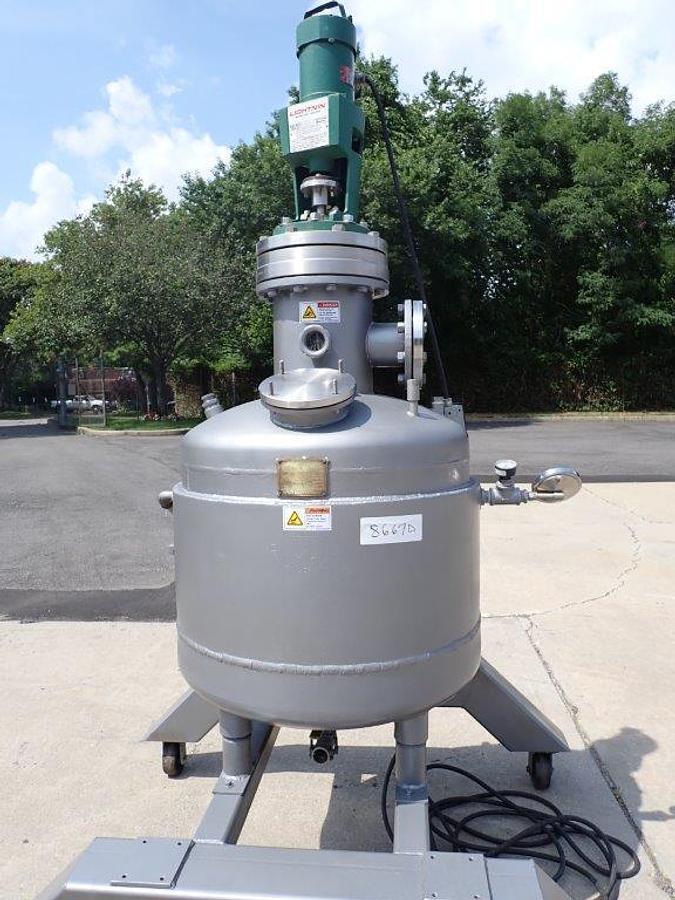
Theo Walter Copperworks specializes in copper-based manufacturing equipment, with a focus on systems designed for the electronics and automotive industries. Their equipment is built around copper's unique properties, including its exceptional electrical conductivity, thermal performance, and corrosion resistance, making it well suited for precision industrial applications. One example of their equipment that appears on the used market is a 100-gallon stainless steel agitated reactor with vacuum capability, which reflects the kind of process equipment they produce for controlled manufacturing environments.
Beyond reactors, Theo Walter Copperworks is associated with the broader category of copper fabrication systems, where craftsmanship and material quality are central to the product's value. Buyers researching this brand should expect equipment engineered for specific production needs rather than general-purpose machinery. Because these are specialized industrial systems, prospective buyers are encouraged to consult with knowledgeable used equipment dealers who can speak to the specific capabilities and condition of individual machines available for sale.
What should buyers know before purchasing used Theo Walter Copperworks equipment?
Buying used industrial copper equipment requires a different level of diligence than purchasing commodity machinery. Copper-based systems, including reactors and processing equipment, can experience wear in specific areas such as welds, seals, fittings, and internal components that come into contact with process materials. Before committing to a purchase, buyers should request detailed photographs, video walkthroughs, or in-person inspections to assess the current condition of the machine. Reputable used equipment dealers will typically accommodate all of these inspection formats.
It is also worth consulting with the original manufacturer to understand what parts and technical support may still be available for a given model and age of machine. Older equipment may have limited parts availability, which can affect long-term serviceability. Used equipment is sold as-is, so the burden of inspection falls entirely on the buyer. Selecting a dealer who specializes in industrial processing or copper-based equipment, and who has a demonstrated track record in the space, is one of the most important steps a buyer can take to reduce risk.
How should buyers inspect used copper processing equipment before purchasing?
Inspections for used copper industrial equipment typically happen in one of three ways: in-person visits, virtual video calls, or recorded video walkthroughs provided by the dealer. Each method has its place depending on the buyer's location and the machine's current status. If the equipment is still in active production at a facility, the dealer may be able to arrange an in-person inspection at the plant where the machine is operating. This gives buyers the clearest possible picture of how the equipment runs under real conditions.
For decommissioned machines, dealers usually conduct video inspections that cover key components, visible wear points, and any notable condition issues. Buyers should ask specific questions about weld integrity, internal surfaces, seals, and any modifications made during the machine's service life. Keep in mind that most equipment dealers do not have the permits or infrastructure to run full production tests, so functional testing of actual output is generally not part of the inspection process. The goal is to get an accurate, honest picture of the machine's mechanical condition so the buyer can make an informed decision.
What is the typical price range for used copper industrial equipment?
Pricing for used copper industrial equipment varies considerably based on size, complexity, age, and condition. Smaller processing units or reactors may be available in the range of a few thousand dollars, while larger, more specialized systems with vacuum capability, agitation, or custom configurations can command prices well into the tens of thousands. Copper as a material carries intrinsic value, so even older or heavily used copper equipment tends to hold more residual value than comparable steel machinery of similar age.
Factors that influence pricing include the current market price of copper as a commodity, the machine's remaining useful life, the availability of replacement parts, and how closely the equipment matches a buyer's specific production requirements. Buyers should also factor in the total landed cost, which includes shipping, rigging, crating, and any refurbishment work needed after delivery. Getting a clear picture of all these costs upfront is essential to evaluating whether a specific piece of used equipment represents fair value.
What are the shipping and logistics considerations for used copper manufacturing equipment?
Shipping large or heavy copper industrial equipment requires careful planning. Copper machinery, particularly reactors and processing vessels, can be both heavy and geometrically awkward, which means standard freight handling may not be sufficient. Equipment should be properly palletized or crated before shipment, and the level of packaging required will directly affect shipping costs. Heavier or more fragile machines may need custom crating, foam padding, or bracing to prevent damage in transit.
For very large machines, professional rigging is often required for both loading at the origin and unloading at the destination. Rigging involves specialized equipment like forklifts, cranes, or flatbed trucks, and this service is typically an added cost on top of the base freight charge. Buyers should ask dealers for a full breakdown of packaging, rigging, and freight costs before finalizing a purchase so there are no surprises in the total landed price. International shipments add additional complexity, including customs documentation, import duties, and potentially longer transit times, all of which should be discussed with the dealer in advance.
What payment terms are typical when buying used industrial equipment?
Most used equipment dealers require full payment before a machine ships. This is standard practice in the industry and reflects the nature of high-value, one-of-a-kind inventory where the dealer needs assurance of payment before releasing equipment. Payment is typically made by wire transfer, though some dealers accept other forms of business payment depending on the transaction size and buyer relationship. Buyers should confirm accepted payment methods directly with the dealer early in the process.
Some dealers may offer extended terms or payment arrangements to repeat customers or established business relationships, but this is not the norm for first-time buyers. Because used equipment transactions involve significant sums and no standard return policies, buyers are encouraged to complete their due diligence, including inspections and condition assessments, before submitting payment. Understanding the full scope of the purchase, including shipping costs, any refurbishment needs, and parts availability, should all be resolved before funds are transferred.
What warranty coverage should buyers expect on used copper industrial equipment?
Used industrial equipment is almost universally sold on an as-is basis, which means no warranty is included with the purchase. Warranties are a feature of equipment sold directly by manufacturers and are tied to the original sale of a machine. Once equipment enters the secondary market, that coverage does not transfer, and used equipment dealers do not typically offer warranty protection of their own. This is true across the industry and is not specific to any one brand or category of machinery.
Because of this, the inspection process becomes critically important. Buyers are taking on the condition of the machine as it stands at the time of purchase, so understanding that condition thoroughly is the best protection available. Choosing a dealer with a long track record in the specific type of equipment being purchased adds a layer of confidence, since experienced dealers tend to represent their machines accurately and have reputations to protect. Buyers should also contact the manufacturer directly to understand what technical support, parts, and service documentation may still be available for the specific model they are considering.
Is used copper distilling or processing equipment suitable for craft producers?
Used copper processing equipment can be an excellent option for craft distilleries, essential oil producers, and other small-batch manufacturers who want professional-grade machinery without the cost of buying directly from a fabricator. Copper has long been prized in distillation for its ability to remove sulfur compounds during the distilling process, which contributes to a cleaner, better-tasting final product. Many craft producers actively seek out used copper vessels and reactors precisely because the material quality of older, well-made equipment can be comparable to anything produced today.
That said, buyers in the craft space should pay close attention to the specific configuration and size of any used machine. A 100-gallon agitated reactor, for example, has different operational characteristics than a purpose-built pot still, and the intended use case matters. Buyers should also verify that any equipment intended for food or beverage production meets applicable regulatory standards in their jurisdiction, since used equipment may require inspection or certification before it can be put into licensed production. Consulting with a knowledgeable dealer who understands both the equipment and the production context can help match the right machine to the right application.
What is a stainless steel agitated reactor with vacuum capability, and what is it used for?
A stainless steel agitated reactor with vacuum capability is a type of process vessel used in chemical, pharmaceutical, food, and specialty manufacturing. The agitation component refers to a mechanical mixing system, usually a motorized impeller or paddle, that keeps the contents of the vessel in motion during processing. This is important for reactions or processes that require consistent mixing of ingredients, temperature uniformity, or suspension of solids in a liquid medium. The vacuum capability allows the vessel to operate at pressures below atmospheric, which can lower the boiling point of liquids, remove dissolved gases, or facilitate certain chemical reactions that require a low-pressure environment.
These reactors are used across a wide range of industries, including specialty chemicals, extraction processes, pharmaceutical compounding, and food ingredient processing. The combination of agitation and vacuum in a single vessel makes it a versatile piece of equipment for operations that need precise control over both mixing and pressure. When evaluating a used agitated reactor, buyers should pay attention to the condition of the agitator shaft and seals, the integrity of the vacuum fittings, the internal surface finish, and the condition of any jacket used for heating or cooling. All of these components affect the vessel's ability to perform its intended function.
How do buyers find reputable dealers of used copper industrial equipment?
Finding a trustworthy dealer for used copper industrial equipment starts with looking for specialists rather than generalists. Dealers who focus on a specific industry or equipment category tend to have deeper knowledge of what they are selling, more accurate condition assessments, and better relationships with buyers who need that type of machinery. A dealer's track record matters significantly in this space. Long-established dealers with verifiable sales histories and industry references are generally a safer choice than newer entrants or marketplace aggregators.
Buyers should also look for dealers who are transparent about the inspection process, willing to provide detailed photos and video, and able to answer specific technical questions about the equipment. A dealer who is evasive about condition details or unwilling to accommodate inspection requests is a red flag. Reading reviews, asking for references from past buyers, and verifying that the dealer has experience with the specific type of equipment being purchased are all reasonable steps. Because used copper equipment can represent a substantial investment, taking the time to vet the seller carefully is just as important as evaluating the machine itself.