Category
Manufacturer
Model
FAQ:
What is the TecMaq Alimat meat grinder used for?
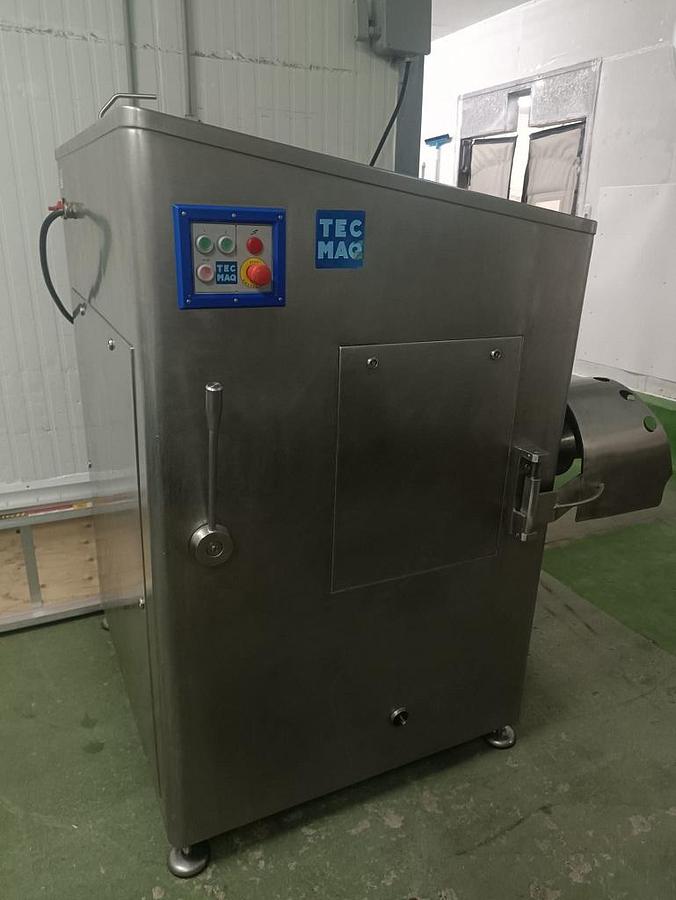
The TecMaq Alimat is a commercial-grade meat grinder designed for processing meat in high-volume food production environments. It is built to handle the demands of butcher shops, meat processing facilities, delis, and other commercial food operations that require consistent, reliable grinding output over extended production runs. The Alimat line is produced by TecMaq, a Brazilian food processing equipment manufacturer with a track record in the Latin American market.
The Model 160, one of the more commonly available configurations, includes a built-in meat mixer kit, which makes it a practical choice for operations that need to blend seasonings, fats, or other ingredients directly into ground meat. This combination of grinding and mixing in a single unit reduces the need for separate equipment and streamlines production workflow. Used units of this machine are available through specialized food processing equipment dealers.
What should buyers know about purchasing a used TecMaq Alimat meat grinder?
Buying a used commercial meat grinder like the TecMaq Alimat requires more due diligence than purchasing other types of equipment, because wear on grinding components directly affects output quality and food safety. Buyers should pay close attention to the condition of the grinding plates, blades, and auger, since these are the parts that experience the most mechanical stress during operation. Asking for detailed photos or a video inspection of the internal components is a reasonable and standard request when buying used food processing equipment.
It is also worth consulting with TecMaq or an authorized service provider before purchasing, to confirm whether replacement parts are still available for the specific model and serial number in question. The age of the machine can affect parts availability, and knowing this upfront prevents costly surprises after purchase. Reputable used equipment dealers will typically accommodate in-person or video inspections so buyers can assess the machine's current condition before committing to a purchase.
What is the motor power and grinding capacity of the TecMaq Alimat Model 160?
The TecMaq Alimat Model 160 is a commercial-grade machine, and like most equipment in its class, its motor power and throughput capacity are sized for production-level use rather than light-duty or household applications. Commercial meat grinders in this category typically operate with motors ranging from 3 HP to 10 HP or more, and throughput capacities can range from several hundred kilograms per hour up to over a thousand kilograms per hour depending on the model configuration and the type of meat being processed.
For exact specifications on a specific used unit, buyers should request the machine's technical datasheet or nameplate information directly from the dealer listing the equipment. Specifications can vary between production years and model variants, and the condition of a used machine may also affect real-world performance relative to the factory-rated capacity. Confirming these details before purchase helps buyers match the equipment to their actual production requirements.
Is the TecMaq Alimat meat grinder suitable for commercial food production?
Yes, the TecMaq Alimat is designed specifically for commercial food production environments. It is not a household appliance. The machine is built with industrial components intended to withstand continuous operation, which is a requirement in settings like meat processing plants, butcher shops, sausage manufacturing facilities, and large-scale food service operations. The inclusion of a built-in meat mixer on the Model 160 further positions it as a production-oriented machine rather than a light-duty unit.
For businesses operating in regulated markets, it is important to verify that any used unit meets current local sanitary and safety standards before putting it into production. In Brazil, for example, commercial food equipment may need to comply with ANVISA or INMETRO requirements. Buyers should consult with local regulatory authorities and potentially have the equipment inspected by a qualified technician to confirm compliance before use in a licensed food production facility.
What materials are the grinding plates and blades made of on commercial meat grinders like the TecMaq Alimat?
On commercial-grade meat grinders, grinding plates and blades are typically made from hardened stainless steel. Stainless steel is the preferred material in food processing applications because it resists corrosion, is easier to sanitize, and holds a sharp edge longer than softer metals. The quality and grade of stainless steel used can vary between manufacturers and model lines, which is one reason buyers in this category often ask about material specifications before purchasing.
For a used machine like the TecMaq Alimat, the condition of the grinding plates and blades is one of the most important things to assess during an inspection. These components wear down over time and with heavy use, and dull or pitted plates can affect grind quality and put additional strain on the motor. Buyers should ask whether the plates and blades being sold with the unit are in serviceable condition, and whether replacement parts are available from TecMaq or third-party suppliers for that specific model.
Does the TecMaq Alimat come with multiple plate sizes for different grind textures?
Commercial meat grinders in the Alimat class are typically compatible with interchangeable grinding plates of different hole diameters, which allows operators to produce coarse, medium, or fine grinds depending on the product being made. Common plate sizes in commercial grinding applications range from around 3mm for fine grinds used in emulsified products, up to 12mm or larger for coarser grinds used in sausage or burger applications. The specific plates included with any given unit can vary.
For used equipment, buyers should confirm exactly which plates and accessories are included with the machine at the time of sale, since these components are not always transferred with the unit. If a specific grind configuration is critical to production, it is worth verifying parts availability with TecMaq or a compatible supplier before purchase. Replacement plates for commercial grinders are often available through food equipment parts distributors, but compatibility depends on the model and plate diameter specifications.
How easy is the TecMaq Alimat meat grinder to clean and maintain?
Commercial meat grinders are designed with disassembly in mind, since thorough cleaning after each production run is a food safety requirement in any regulated facility. The grinding head, plates, blades, and auger on machines like the TecMaq Alimat are typically removable without tools or with minimal tooling, allowing operators to clean each component individually. Stainless steel contact surfaces are easier to sanitize than aluminum or painted components, and most commercial grinders of this type are compatible with standard food-safe cleaning and sanitizing agents.
For a used machine, maintenance history is worth asking about if the dealer has that information available. Machines that have been well maintained, with regular lubrication of moving parts and prompt replacement of worn components, will generally be in better working order than those that have not. Buyers should also factor in the availability of replacement wear parts such as plates, blades, and seals when evaluating long-term maintenance costs for a used TecMaq Alimat.
What types of meat can the TecMaq Alimat grinder process?
Commercial meat grinders like the TecMaq Alimat are designed to process a wide range of protein types, including beef, pork, poultry, lamb, and game meats. The machine's ability to handle different cuts depends largely on the motor power, the plate size selected, and whether the meat has been properly prepared before grinding. Partially frozen or chilled meat tends to grind more cleanly and with less smearing than meat at room temperature, which is a standard practice in commercial meat processing.
The built-in mixer on the Model 160 adds versatility for operations that produce blended products like seasoned sausage, meatballs, or burger patties, since it allows ingredients to be incorporated directly after grinding without transferring the product to a separate mixer. Buyers should confirm the actual condition of the grinding components on any used unit, since worn plates and blades can struggle with tougher cuts or connective tissue that a well-maintained machine would handle without issue.
What is the typical price range for a used TecMaq Alimat meat grinder?
Pricing for used commercial meat grinders varies considerably based on the model, age, condition, included accessories, and the seller's market. Smaller commercial grinders in used condition can sell for a few thousand dollars, while larger, higher-capacity machines with additional features like integrated mixers can command significantly higher prices. The TecMaq Alimat Model 160, being a commercial unit with a built-in mixer kit, would generally fall in the mid-to-upper range of used commercial grinder pricing, though exact figures depend on the specific unit's condition and the current market.
Buyers should also account for total landed cost when evaluating price, which includes shipping, any rigging or crating required for transport, and any reconditioning or parts replacement needed before the machine goes into production. Requesting a full cost breakdown from the dealer before committing to a purchase helps avoid unexpected expenses. Comparing a few reputable dealers who specialize in food processing equipment is a reasonable way to gauge fair market value for a specific unit.
What should buyers ask about shipping and delivery for a used commercial meat grinder?
Commercial meat grinders are heavy, dense machines that require careful handling during transport to avoid damage to the motor housing, grinding components, and frame. Buyers should ask the dealer specifically how the machine will be packaged, whether that means palletizing, crating, or both, and what the associated costs are. Larger units may require forklift loading at the origin point and forklift or liftgate delivery at the destination, which adds to the total shipping cost and requires the buyer to have appropriate receiving equipment on site.
Full payment prior to shipping is standard practice among used equipment dealers, and buyers should clarify payment terms and accepted methods before finalizing a purchase. Getting a clear picture of all costs, including freight, rigging, and any import duties if the equipment is crossing international borders, helps buyers make an accurate comparison between available units. Dealers who specialize in food processing equipment are generally experienced with the logistics involved and can provide detailed quotes for the full delivery process.