Category
Manufacturer
Model
Tait
Tait is a manufacturer of advanced automation solutions for the food processing industry. They are recognized for their robotic systems and control technologies that enhance production efficiency and accuracy. Tait’s innovative approach helps manufacturers optimize their operations and reduce labor costs.
FAQ:
What types of automation equipment does Tait manufacture?
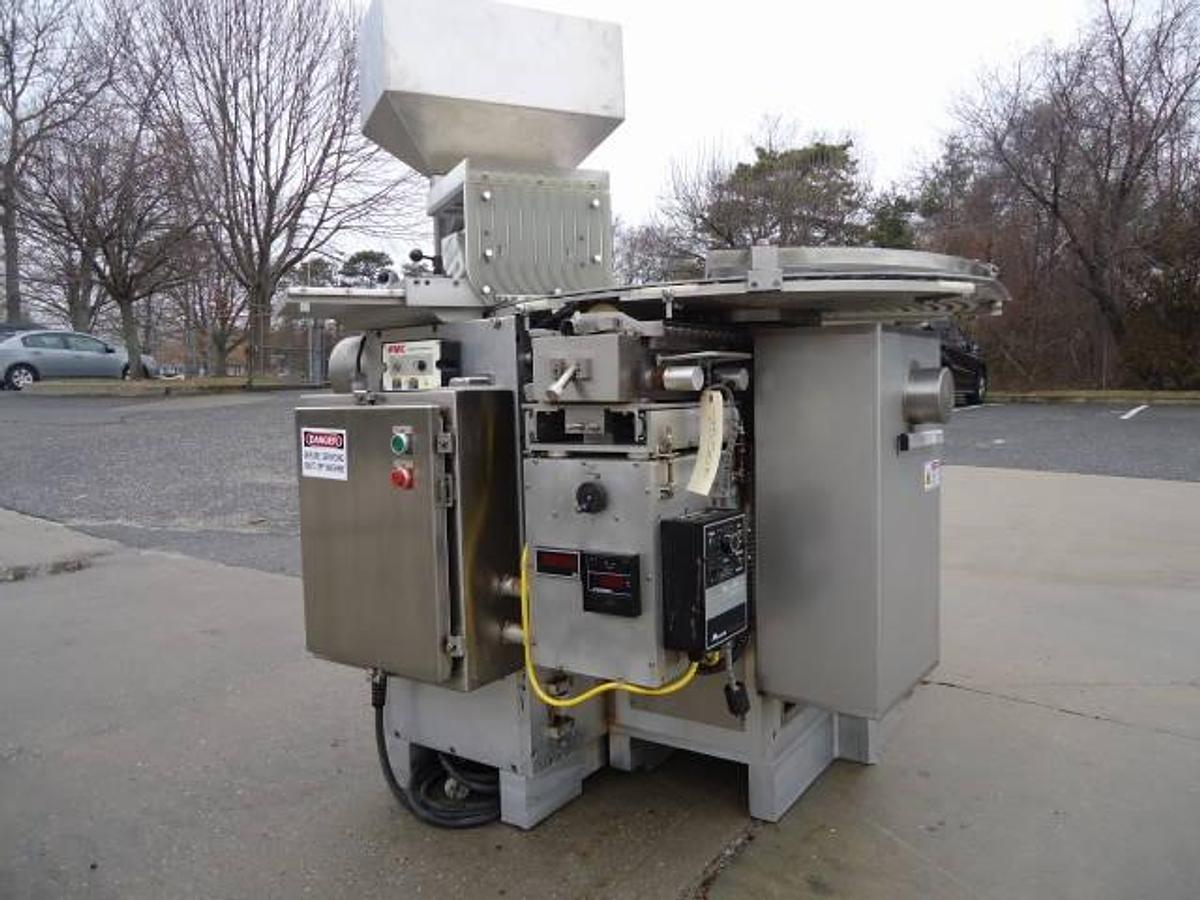
Tait specializes in advanced automation solutions with a particular focus on the food processing industry. Their product line includes robotic systems, control technologies, and specialized processing equipment designed to enhance production efficiency and accuracy on the plant floor. A specific example of their equipment is the Capsule Bander/Sealer, which is available in various tooling sizes (such as Size "0") and reflects the kind of precision machinery Tait builds for high-volume, repeatable production tasks.
Beyond food processing, Tait automation equipment has been associated with conveyor systems, assembly line automation, tooling fixtures, and custom-engineered solutions across industrial manufacturing environments. Their machines are generally built around the goal of reducing labor costs while improving throughput and consistency. Buyers looking at used Tait equipment should identify the specific model and its intended application to confirm it fits their production requirements before purchasing.
What should I know before buying used Tait automation equipment?
Purchasing used Tait automation equipment requires a careful evaluation of several factors. Because used machines are sold as-is, the condition of the equipment at the time of sale is what you get. Buyers should request detailed photos, video walkthroughs, or in-person inspections to assess the mechanical and electrical condition of the machine. Pay close attention to wear on tooling, the state of control panels, and whether the machine has been recently serviced or decommissioned from active production.
It is also worth contacting Tait directly to understand what level of support is available for the specific model you are considering. Older models may have limited parts availability or reduced manufacturer support, which directly affects your long-term cost of ownership. Selecting a used equipment dealer with a proven track record in industrial and food processing automation is equally important, as their expertise can help you avoid costly surprises after the machine arrives at your facility.
What industries is Tait automation equipment designed for?
Tait is best known for its work in food processing automation, where precision, hygiene standards, and high-volume throughput are critical. Their robotic systems and control technologies are built to handle the demanding conditions of food manufacturing environments, including tasks like sealing, banding, and packaging that require consistent accuracy across thousands of cycles per shift.
Outside of food processing, Tait automation equipment has also found application in broader industrial manufacturing settings, including assembly line automation and custom-engineered production solutions. Companies in pharmaceutical packaging, consumer goods manufacturing, and general industrial production have used similar capsule and banding technologies. When evaluating a used Tait machine, confirming that its design and tooling are appropriate for your specific industry and product type is an important step before committing to a purchase.
How do I inspect used Tait automation equipment before buying?
Reputable used equipment dealers typically offer inspection options that include in-person visits, live video calls, or recorded video walkthroughs of the machine. For Tait equipment that is still installed at a production facility, some dealers can arrange access to view the machine in its working environment, which gives buyers the clearest picture of its actual operating condition. Equipment that is actively running in production provides a meaningful opportunity to observe cycle times, tooling condition, and control system behavior.
Keep in mind that most used equipment dealers are not set up to run full production tests, as doing so requires product materials, permitting, and operational infrastructure that a resale facility typically does not have. The goal of an inspection is to get an accurate depiction of the machine's current mechanical and electrical state. Buyers should prepare a checklist of specific components to examine, including drive systems, sensors, pneumatic or hydraulic connections, and the condition of any tooling specific to the Tait model in question.
Are replacement parts available for used Tait automation equipment?
Parts availability for used Tait equipment depends significantly on the age and model of the machine. For more recent models, Tait or authorized service providers may still carry components such as tooling, sealing elements, control boards, and wear parts. For older machines, availability can become more limited, which is why consulting with the manufacturer before purchasing a used unit is a practical step. Tait can generally advise on what parts remain in production and what the realistic support timeline looks like for a given model.
Buyers should also factor parts availability into their total cost of ownership calculation. A machine priced attractively on the used market can become expensive to maintain if critical components are difficult to source. In some cases, third-party machining or aftermarket suppliers can produce replacement parts for older automation equipment, but this adds lead time and cost. Asking the selling dealer about the machine's service history and whether any spare parts are included in the sale is a smart way to start that conversation.
What is the typical lead time for receiving used Tait automation equipment after purchase?
Lead times for used Tait automation equipment vary based on several factors, including the machine's current location, the packaging and crating required for safe transit, and the shipping method selected. Smaller benchtop or modular units can often be palletized and shipped within a week or two of payment clearing. Larger, heavier automation systems may require custom crating, rigging, and freight coordination that extends the timeline to several weeks.
Most used equipment dealers require full payment before the machine is released for shipping, which means the clock on preparation and transit typically starts after funds are confirmed. Buyers should ask the dealer upfront about the estimated time from payment to delivery, what packaging will be used, and whether the buyer is responsible for arranging freight or if the dealer handles logistics. Getting a clear picture of the full landed cost, including rigging, crating, and freight, prevents unexpected expenses at delivery.
How is used Tait automation equipment typically shipped, and what are the freight considerations?
Shipping used automation equipment like Tait machinery requires careful preparation to prevent damage in transit. Depending on the size and weight of the unit, machines may be palletized with protective wrapping, placed in custom wooden crates, or secured to skids with blocking and bracing. The level of packaging required directly affects shipping costs, so buyers should ask the dealer exactly how the machine will be prepared and what that preparation adds to the total price.
For larger Tait automation systems, professional rigging may be needed to safely load the equipment onto a flatbed or enclosed freight carrier, and the same applies at the receiving end if the buyer's facility lacks a loading dock or forklift capacity. These rigging costs are typically separate from freight charges and should be factored into the budget. International shipments add additional considerations around customs documentation, duties, and export compliance. Clarifying all of these details with the dealer before purchase ensures there are no surprises when the equipment arrives.
Is used Tait automation equipment compatible with existing production line systems?
Compatibility depends on the specific Tait model and the control architecture of your existing production environment. Tait equipment is generally built around standard industrial control technologies, and many of their machines interface with PLCs (programmable logic controllers) and SCADA systems commonly found in food processing and manufacturing facilities. However, the age of the machine matters considerably. Older Tait units may use legacy control platforms or communication protocols that require additional integration work to connect with modern plant systems.
Before purchasing used Tait automation equipment, it is worth documenting your current system's control platform, voltage requirements, air supply specifications, and physical footprint constraints, then comparing those against the machine's documented specifications. If the seller can provide original technical manuals or electrical schematics, that information is invaluable for your engineering team to assess integration feasibility. In some cases, controls upgrades or custom interfacing can make an older Tait machine work within a modern line, but those costs should be estimated before the purchase decision is made.
What payment terms are standard when purchasing used automation equipment?
Used equipment dealers in the industrial automation space most commonly require full payment before a machine is released for shipping. This is standard practice across the industry and reflects the nature of used equipment transactions, where the seller needs to confirm funds before committing to packaging, rigging, and freight coordination. Wire transfer is the most widely accepted payment method for transactions of this size, though some dealers may accept other forms depending on the relationship and transaction history.
For buyers with an established history with a particular dealer, some flexibility on payment terms may be available, but this is the exception rather than the rule for first-time purchases. Buyers should also be aware that financing options for used industrial equipment are generally arranged through third-party lenders or equipment finance companies rather than through the dealer directly. If financing is needed, securing that approval before making an offer on a specific machine streamlines the process and avoids delays.
How do I evaluate whether a used Tait machine is priced fairly?
Pricing for used Tait automation equipment is influenced by the machine's age, condition, model, included tooling, and current demand for that type of equipment in the market. A Capsule Bander/Sealer with complete tooling in working condition, for example, will carry a different price than the same model missing key components or showing significant wear. Comparing asking prices across multiple listings for similar models and configurations gives a reasonable baseline, though used industrial equipment pricing is less standardized than consumer goods.
Total cost of ownership is the more useful frame for evaluating price. A lower purchase price may still result in higher overall costs if the machine requires significant refurbishment, controls upgrades, or hard-to-source parts. Factoring in shipping, rigging, installation, and any integration work needed to bring the machine into production gives a more accurate picture of what you are actually spending. Consulting with a qualified automation technician or engineer who is familiar with Tait equipment before finalizing a purchase can help identify any hidden costs that are not obvious from a visual inspection alone.