Category
Manufacturer
Model
Swiftpack Packaging Equipment
Swiftpack Packaging Equipment offers a wide range of packaging solutions, focusing on automation for the food and beverage sectors. Their equipment, including stretch wrappers and case packers, is designed to improve efficiency and reduce labor costs. Swiftpack emphasizes innovation in their product line to meet evolving industry needs.
FAQ:
What types of packaging equipment does Swiftpack manufacture?
Swiftpack is a UK-based manufacturer with a broad product range covering multiple packaging formats and industries. Their lineup includes open-mouth bagging machines, valve bag fillers, bulk bag fillers, stretch wrappers, case packers, and conveyor integration systems. Both semi-automatic and fully automatic configurations are available across many of their models, which makes the equipment adaptable as production volumes grow or change over time.
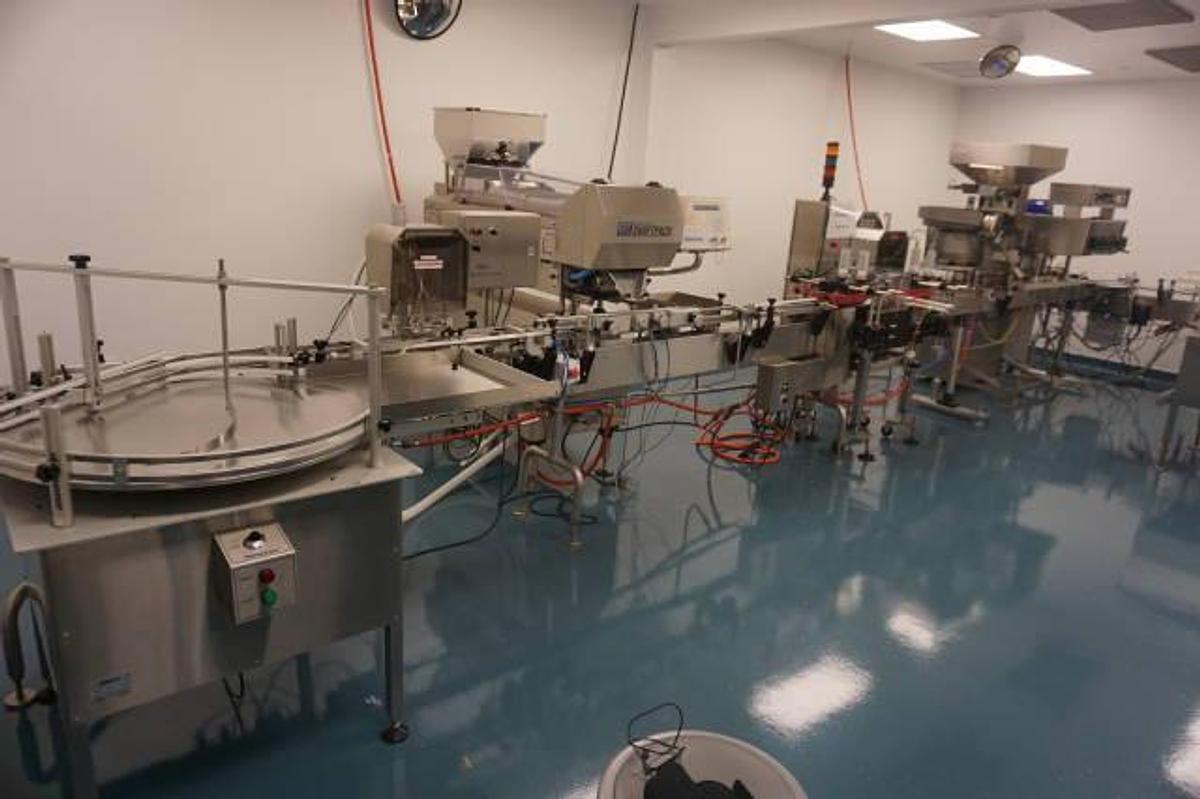
Beyond bagging and filling, Swiftpack has developed automated bottling line equipment, including tablet and capsule bottling systems produced under their Kalish "Swiftpack" brand in partnership with D.T. Industries. This pharmaceutical-grade equipment reflects the company's reach into regulated industries alongside their more common food, beverage, agricultural, and industrial packaging applications. The variety in their catalog means used Swiftpack machines turn up across a wide range of production environments.
What industries commonly use Swiftpack packaging equipment?
Swiftpack equipment is used across a surprisingly wide range of sectors. The food and beverage industry accounts for a large share of their installed base, where speed, hygiene, and consistent fill weights are critical. Agricultural operations use their bagging and bulk filling machines for seeds, fertilizers, and feed products. Pharmaceutical manufacturers rely on Swiftpack bottling and filling lines for tablets, capsules, and powders, where precision and compliance matter most.
Industrial and chemical producers also use Swiftpack equipment for bagging granular or powdered materials that require accurate, repeatable fills. This cross-industry versatility is one reason used Swiftpack machines retain their value well on the secondary market. A machine originally installed in a food plant, for example, may be entirely suitable for an agricultural or industrial buyer after proper inspection and cleaning, provided the model and configuration match the intended application.
What should buyers know about purchasing used Swiftpack packaging equipment?
Buying used packaging equipment is meaningfully different from buying factory-fresh machinery. Used machines are typically sold "as is," which places the responsibility of verifying condition squarely on the buyer. This makes choosing a reputable dealer with a demonstrated history in the packaging equipment space one of the most important decisions a buyer will make. A dealer who specializes in packaging machinery will have more relevant knowledge about Swiftpack models, common wear points, and realistic expectations for machine performance than a general industrial equipment reseller.
Before committing to a purchase, buyers should request an inspection, either in person, via video call, or through recorded video footage of the machine in its current state. Some machines may still be running in an active facility, which provides an excellent opportunity to observe actual operation. Others may be decommissioned and available only for static inspection. Either way, the goal is to get an honest, detailed picture of the machine's working condition. Buyers should also contact Swiftpack or D.T. Industries directly to confirm parts availability and technical support for the specific model and age of equipment they are considering.
How is Swiftpack packaging equipment typically priced on the used market?
Swiftpack machines are generally considered mid-to-high range in terms of build quality, and that reputation carries over into used pricing. Their steel-frame construction and long operational lifespan mean machines hold value better than lighter-duty alternatives, so buyers should expect used Swiftpack equipment to be priced accordingly rather than at deep discount. The specific price will depend on the machine type, model, age, configuration, and documented condition.
Highly automated systems, such as complete tablet bottling lines or fully automatic case packers, will command significantly more than standalone semi-automatic bagging machines. Buyers should also factor in shipping, rigging, and any refurbishment costs when comparing options. A lower sticker price on a machine requiring significant mechanical work may end up costing more than a slightly higher-priced unit in better condition. Requesting a detailed inspection and getting clarity on the machine's service history helps buyers make a fair comparison across listings.
What is the difference between semi-automatic and fully automatic Swiftpack machines?
Semi-automatic Swiftpack machines require an operator to handle certain steps in the packaging process, such as placing bags, positioning containers, or initiating each cycle manually. These machines are well suited to smaller operations, lower-volume production runs, or facilities where product changeovers happen frequently. They generally cost less to purchase and maintain, and the learning curve for operators tends to be shorter.
Fully automatic configurations handle the complete packaging sequence with minimal human intervention, from bag placement and filling to sealing and discharge. These systems are designed for high-volume, continuous production environments where labor cost reduction and throughput consistency are priorities. For a buyer evaluating used equipment, understanding which configuration a machine has is essential, since the automation level affects not just speed but also the integration requirements with upstream and downstream equipment on the production line.
What is the typical lead time for receiving a used Swiftpack machine after purchase?
Lead times for used packaging equipment depend on several factors that differ from buying stock items. Once payment is confirmed, the dealer will typically arrange for the machine to be prepared for shipment, which includes palletizing, crating, or rigging depending on the size and weight of the equipment. Smaller machines may ship within a week or two of payment. Larger, heavier equipment requiring custom crating or heavy-duty rigging for loading can take longer to prepare.
Transit time adds to the overall lead time and varies based on the origin location, destination, and shipping method chosen. Domestic freight for a mid-sized machine might arrive within a few days to two weeks after pickup. International shipments, particularly for equipment coming from or going to the UK where Swiftpack is based, will involve customs clearance and longer ocean or air freight timelines. Buyers should ask the dealer for a specific estimate on preparation and shipping time before finalizing the purchase so there are no surprises in the production schedule.
How should buyers inspect a used Swiftpack machine before purchasing?
Inspection is the most important step in buying used packaging equipment, and reputable dealers will accommodate it in some form. In-person inspections are ideal because they allow a buyer or their technician to physically examine the machine, check for wear on mechanical components, test electrical systems, and ask questions in real time. If travel is not practical, a live video inspection via video call is a solid alternative. The buyer can direct the dealer to show specific areas of the machine, run it through a dry cycle, and capture close-up footage of critical components.
For machines still installed and running at a production facility, some dealers can arrange an inspection at the plant itself, which offers the added benefit of seeing the equipment operate under actual production conditions. Keep in mind that most equipment dealers are not set up to run production trials with real product, as that requires different permitting and facility capabilities. The inspection should focus on mechanical condition, signs of wear or damage, completeness of parts, and whether the machine matches the listed specifications. Buyers with limited technical knowledge of packaging machinery may want to bring in an independent equipment technician or consult with a Swiftpack-authorized service provider before finalizing a purchase.
What are the shipping and rigging considerations for used Swiftpack packaging equipment?
Packaging machinery, including Swiftpack equipment, requires careful handling during transit to avoid damage to precision components, electrical systems, and structural frames. Smaller machines are typically palletized and shrink-wrapped or boxed, while larger systems may require custom wooden crates built to the machine's dimensions. The level of packaging needed directly affects the shipping cost, and buyers should ask dealers for a detailed breakdown of palletization or crating charges before agreeing to a price.
Heavier or bulkier machines, such as bulk bag fillers or complete bottling lines, may require industrial rigging equipment for loading at the origin and unloading at the destination. Rigging services involve forklifts, cranes, or other heavy lifting equipment operated by qualified riggers, and these costs are typically separate from standard freight charges. Buyers should confirm who is responsible for arranging and paying for rigging at each end of the shipment. Getting a full landed cost estimate, including freight, fuel surcharges, rigging, and any customs or import duties for international shipments, gives a much more accurate picture of the total investment.
What payment terms are standard when buying used packaging equipment?
Most used equipment dealers require full payment before a machine is released for shipment. This is standard practice across the industry and reflects the nature of used machinery transactions, where the dealer needs to confirm funds before incurring the costs of preparation, crating, and logistics. Buyers should expect to pay via wire transfer, certified check, or other verified payment methods. Credit card payments may be accepted by some dealers but are less common for high-value machinery purchases.
Some dealers will extend payment terms to buyers with whom they have an established purchasing history, but this is typically not available to first-time buyers. For businesses that need financing, options like equipment financing through a third-party lender or a leasing arrangement may be worth exploring independently. A buyer's bank or a commercial equipment finance company can often structure a loan or lease against the machine's value, allowing the buyer to pay the dealer in full while spreading the cost over time. Buyers should have financing arranged before making an offer to avoid delays.
How long do Swiftpack packaging machines typically last, and what affects their lifespan?
Swiftpack equipment is built with heavy-gauge steel frames and industrial-grade components, which gives it a longer operational lifespan than lighter-duty packaging machinery. Well-maintained machines can remain productive for many years beyond their initial installation, and it is not uncommon to find used Swiftpack equipment that has been in service for a decade or more and still functions reliably. The steel construction resists the kind of frame fatigue that affects machines built with lighter materials, which is one reason the brand holds its value on the secondary market.
That said, lifespan is heavily influenced by how the machine was used and maintained. A machine that ran three shifts a day in a high-volume facility will have more wear than one used for single-shift, lower-volume production. Maintenance records, if available, are a valuable indicator of how well the equipment was cared for. Buyers should also factor in the availability of replacement parts for older models. Contacting Swiftpack or D.T. Industries directly to ask about parts support for a specific model and serial number is a practical step that can prevent costly surprises after purchase.