Category
Manufacturer
Model
Swanmatic
Swanmatic focuses on providing automated packaging solutions, primarily for the food industry. They are known for their innovative filling machines and packaging systems that enhance production efficiency. Their technology is designed to be user-friendly and adaptable to various product types.
FAQ:
What types of caps and closures can Swanmatic capping machines handle?
Swanmatic capping machines are designed to work with a broad range of closure types, which is one of the reasons they've become a popular choice across multiple packaging industries. Depending on the model, these machines can handle screw caps, ROPP (roll-on pilfer-proof) closures, snap caps, trigger sprayers, and pump dispensers. This flexibility makes them practical for operations that package different product lines or need to switch between closure formats without investing in entirely separate equipment.
The specific closure compatibility of any given machine depends on the model and how it was configured during its working life. Used Swanmatic machines may come with tooling and change parts sized for particular cap diameters, so buyers should confirm what's included and whether additional tooling will be needed for their specific application. Consulting with the equipment dealer about the machine's history and current setup is a smart first step before purchase.
What industries use Swanmatic capping machines?
Swanmatic capping equipment is used across a wide range of industries where bottles and containers need to be sealed consistently and efficiently. The food and beverage sector is among the most common, covering everything from condiments and sauces to juices and water. Pharmaceutical and nutraceutical companies also rely on Swanmatic machines for supplement bottles, tinctures, and over-the-counter products where consistent torque and seal integrity are critical. Cosmetics and personal care manufacturers use them for lotions, shampoos, serums, and similar products.
The machines are built to handle a variety of container materials and sizes, which gives them cross-industry appeal. Swanmatic's focus on user-friendly design and adaptability means the equipment tends to transition well between different production environments, which is part of why used Swanmatic machines retain strong demand in the secondary market. Buyers from craft producers to mid-scale commercial operations regularly seek them out for their proven reliability across these sectors.
Are Swanmatic capping machines suitable for small businesses and startups?
Swanmatic makes machines at both ends of the production spectrum, and their tabletop and benchtop semi-automatic models are particularly well-suited to small businesses, craft producers, and startups. Models like the C300 and 49-PC are compact, run on single-phase electrical power (which most small facilities already have), and don't require the floor space or infrastructure that larger inline systems demand. For a business that's bottling in the hundreds or low thousands of units per day, a semi-automatic tabletop capper is often the right fit.
Buying a used Swanmatic in this category can be a cost-effective way for a small operation to get reliable, purpose-built capping equipment without the expense of purchasing something brand-new from a manufacturer. The trade-off with used equipment is that buyers need to do their due diligence, including requesting an inspection (in person or via video) and understanding the machine's condition before committing. Many reputable used machinery dealers will accommodate these inspections and can provide details on the machine's operational history.
What production speeds do Swanmatic capping machines typically achieve?
Production speed on Swanmatic machines varies considerably depending on the model and whether the unit is semi-automatic or fully automatic. Semi-automatic tabletop models, like the C300 and 49-PC series, are operator-dependent since the operator places each cap or container manually. In practical terms, a skilled operator on a semi-automatic machine can typically cap anywhere from 10 to 30 containers per minute, depending on cap type, container size, and how the workstation is set up.
Fully automatic inline Swanmatic systems are designed for much higher throughput and can handle significantly more units per minute, making them appropriate for commercial-scale production. When evaluating a used Swanmatic machine, the listed model and its configuration will give a reasonable indication of its speed range, but actual output in a buyer's specific application may differ based on product, cap style, and operator efficiency. Variable speed models (like several of the C300 variants) give operators more control over output rate, which adds flexibility for different container types.
What is the price range for used Swanmatic capping machines?
Used Swanmatic capping machines span a fairly wide price range depending on the model, age, condition, and included accessories. Compact semi-automatic tabletop units like the C300 or 49-PC series tend to be the most affordable used options, often ranging from a few hundred to a few thousand dollars depending on their condition and what tooling is included. Larger or more automated Swanmatic systems command higher prices, particularly if they've been well-maintained and come with change parts for multiple cap sizes.
It's worth factoring in the full landed cost when budgeting for a used capping machine. Beyond the purchase price, buyers should account for packaging and crating fees, freight or shipping charges, and any rigging costs if the machine is heavy enough to require special loading or unloading equipment. Tooling, spare parts, and any refurbishment needed to bring the machine to production-ready condition should also be considered. Getting a clear picture of all these costs upfront helps avoid surprises after the purchase.
What is the difference between the Swanmatic C300 and the Swanmatic 49-PC?
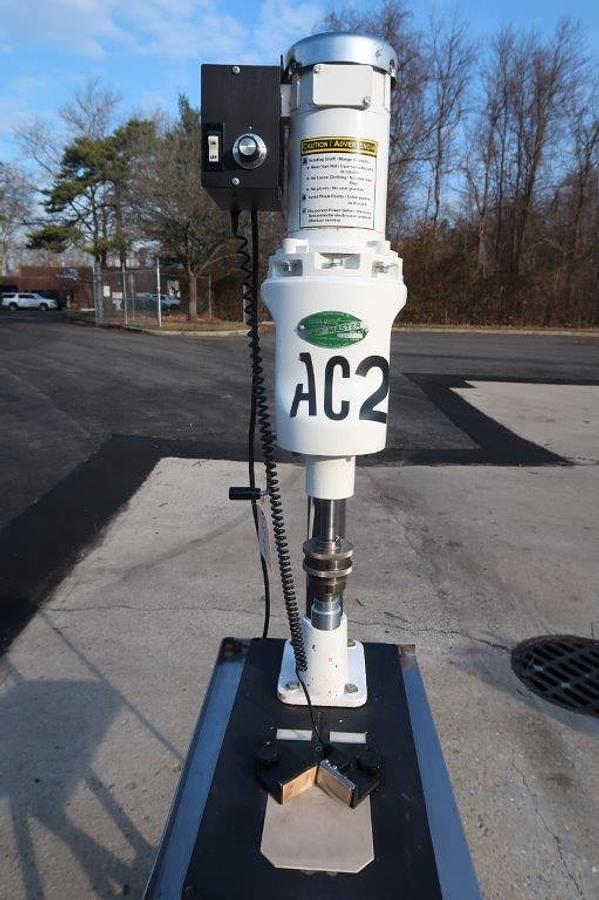
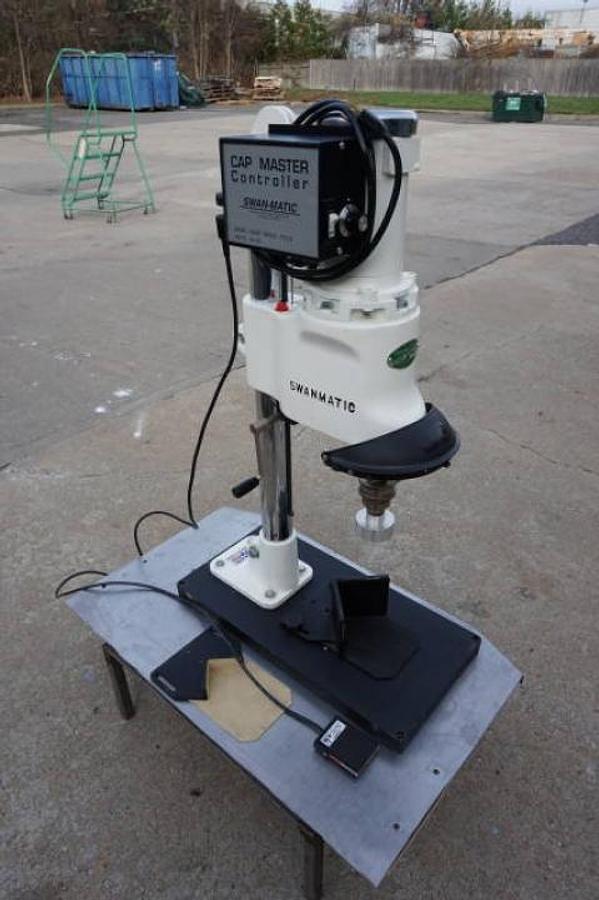
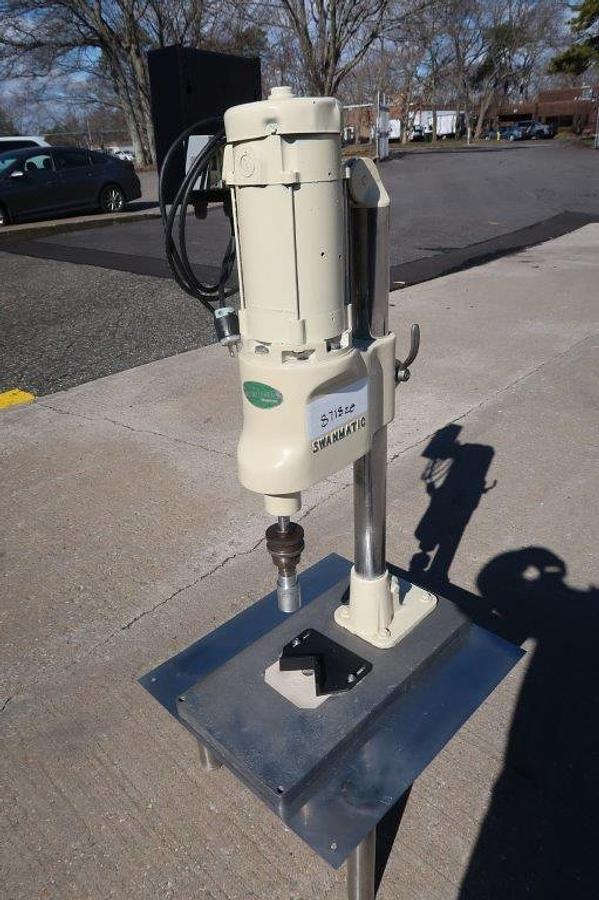
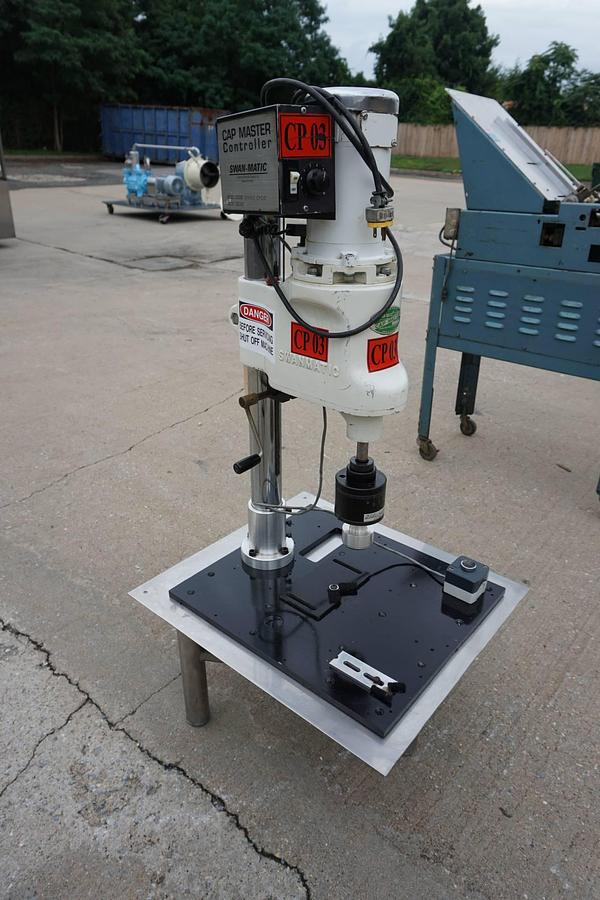
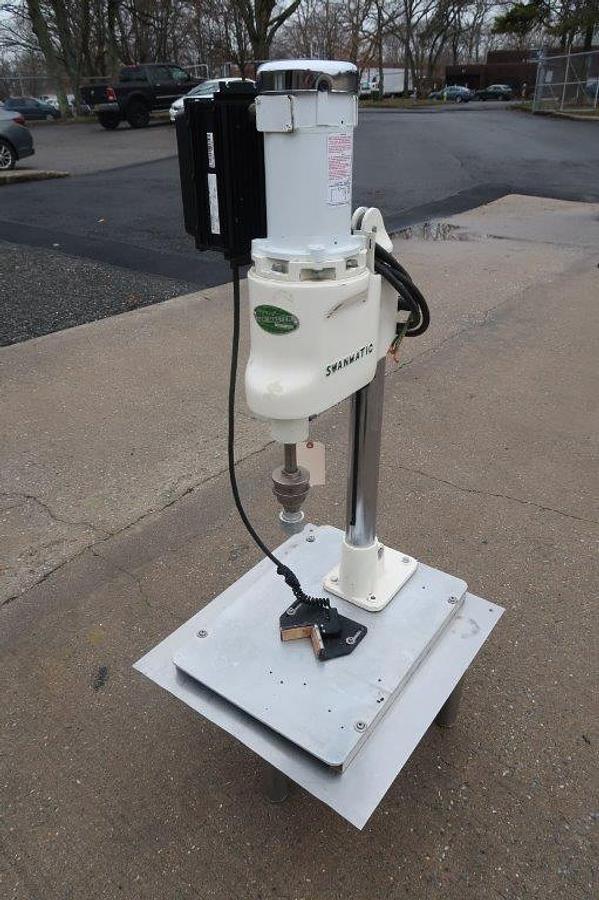
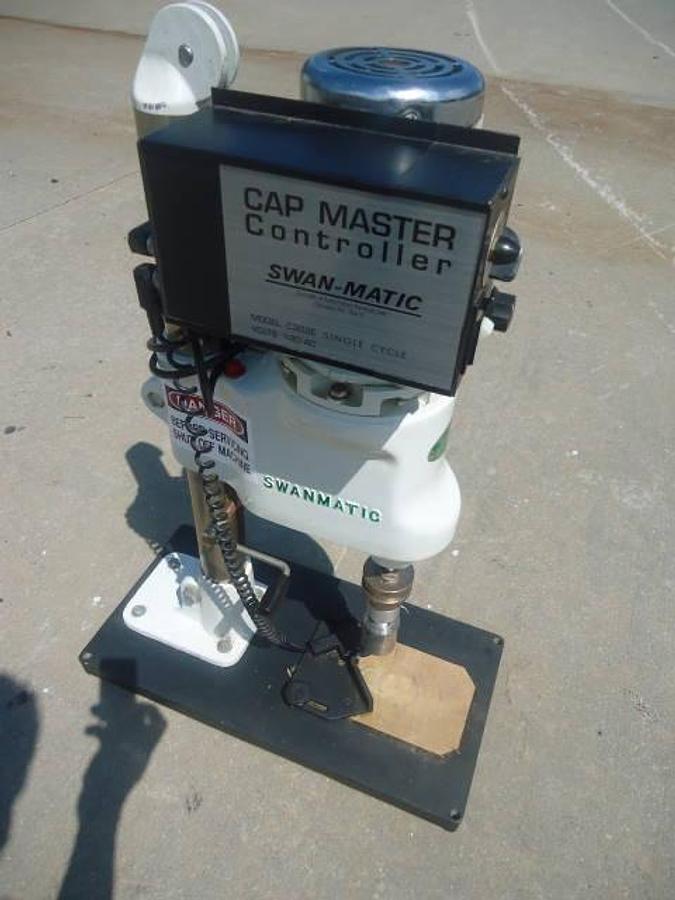
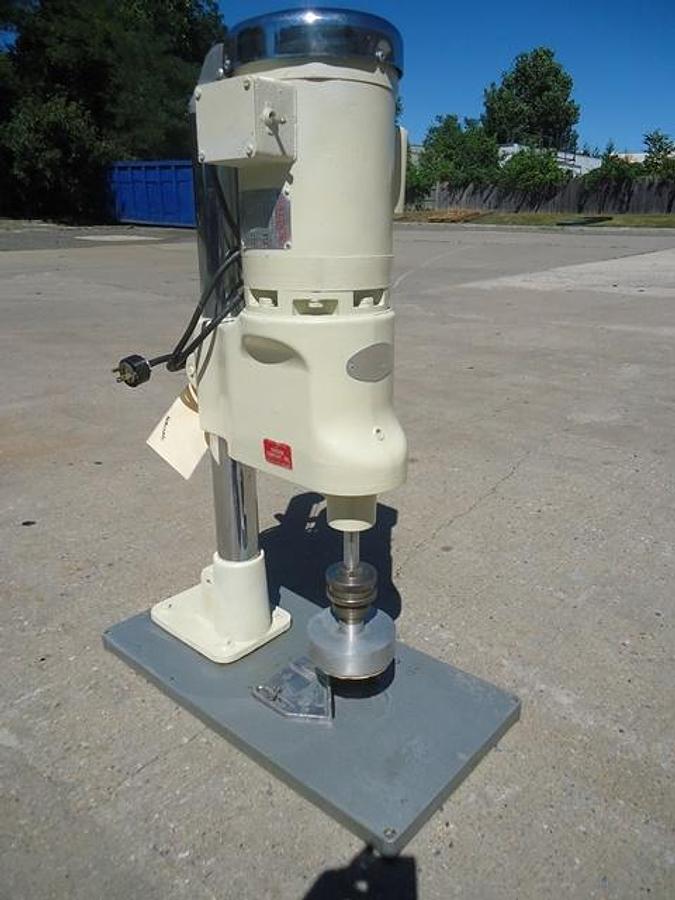
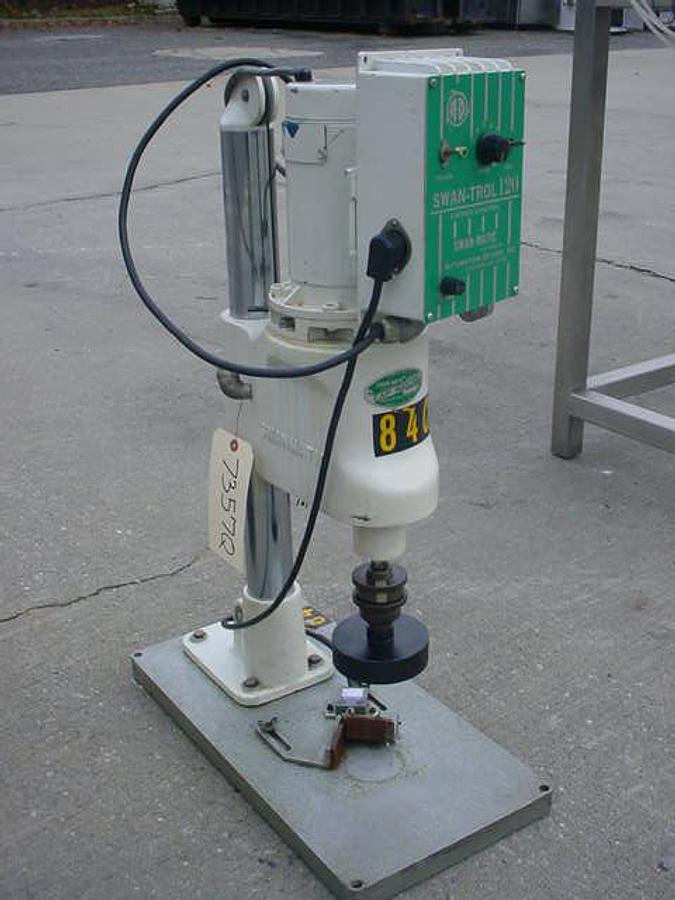
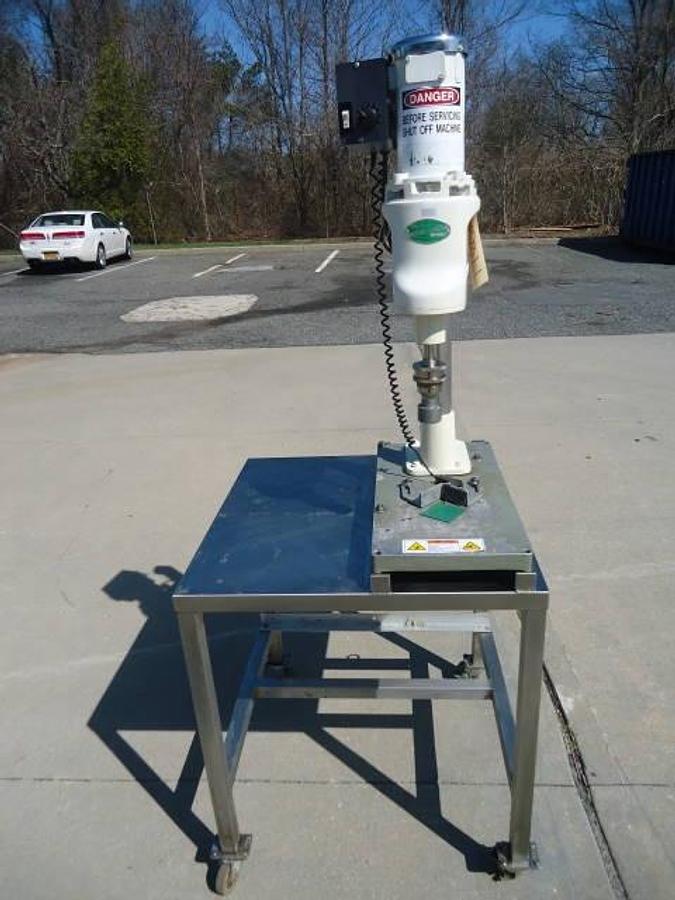
Both the Swanmatic C300 and the 49-PC are tabletop semi-automatic cappers designed for lower to mid-volume production environments, but they differ in their mechanical design and the types of closures they handle best. The C300 is a chuck capper that applies screw-on caps by driving them down with a rotating chuck, making it well-suited for threaded caps across a range of diameters. It's available in variable speed configurations, which gives operators the ability to adjust torque and speed to suit different cap and container combinations. Some versions also include the Capmaster control feature for more precise torque management.
The 49-PC is a spindle-style capper that uses spinning discs to tighten caps as containers pass through, which suits certain cap styles and production setups differently than a chuck-style machine. Both models run on single-phase electrical power, making them practical for small facilities without three-phase service. When evaluating either model in the used market, buyers should pay attention to what change parts and tooling are included, since these components are what allow the machine to handle different cap sizes and are often the most time-consuming items to source separately.
Do Swanmatic capping machines require professional installation?
Swanmatic's tabletop and benchtop models are generally designed to be straightforward to set up, and many small operations have put them into service without specialized installation crews. The machines are compact, run on standard single-phase power, and don't typically require complex integration into a production line. That said, getting the machine properly adjusted for a specific cap and container combination does take some mechanical familiarity, and first-time users often benefit from reviewing the machine's manual and, where possible, getting guidance from the selling dealer.
For larger or more complex Swanmatic systems, particularly fully automatic inline cappers, professional installation and line integration may be more appropriate. With used equipment specifically, it's also worth having a qualified technician inspect and verify the machine's condition before it goes into production, since a used machine may need adjustments, worn parts replaced, or calibration before it performs reliably. Contacting the manufacturer directly is also a reasonable step, as Swanmatic can often advise on what level of technical support is available for a given model based on its age and configuration.
Are replacement parts available for used Swanmatic capping machines?
Swanmatic is a domestic American manufacturer, which generally works in buyers' favor when it comes to parts availability. Domestically produced machinery tends to have more accessible supply chains for replacement components compared to equipment manufactured overseas, and Swanmatic has been producing capping equipment long enough that many of their machine families have established parts ecosystems. Buyers should contact Swanmatic directly to confirm parts availability for the specific model they're considering, since older or discontinued models may have more limited support than current production machines.
Change parts and tooling, which are the components sized for specific cap diameters and container types, are often just as important as mechanical spare parts. These are sometimes included with a used machine purchase and sometimes not, so it's worth clarifying with the dealer exactly what comes with the machine. If change parts for a buyer's specific cap size aren't included, sourcing them from Swanmatic or a qualified tooling supplier should be factored into the overall cost and timeline before the machine goes into production.
How should buyers inspect a used Swanmatic capping machine before purchasing?
Inspecting a used capping machine before buying is one of the most important steps in the purchasing process, and reputable used equipment dealers will typically offer multiple ways to do this. In-person inspections are ideal when geography allows, giving the buyer a direct look at the machine's mechanical condition, wear on key components, and any visible damage. When travel isn't practical, video inspections or detailed photo documentation are common alternatives, and a good dealer will walk through the machine's key components on camera and answer specific questions about its condition.
Buyers should pay particular attention to the condition of the chuck or spindle assembly, drive components, electrical controls, and any included tooling or change parts. Some used machines are still in active production at a facility and can be observed running, which gives the clearest picture of their working order. Keep in mind that most used equipment dealers don't have production permits that would allow them to run actual product through a machine at their facility, so live production testing may only be possible if the machine is still at its previous production site. Asking the dealer specifically about the machine's last known use and operational status before decommissioning is a reasonable part of any due diligence process.
What should buyers know about shipping a used Swanmatic capping machine?
Shipping used capping equipment involves more planning than a typical freight shipment, and the costs can vary significantly based on the machine's size, weight, and how it needs to be packaged for transit. Tabletop Swanmatic models like the C300 and 49-PC are relatively compact and can often be palletized and shrink-wrapped for standard LTL freight. Larger machines may require custom crating to prevent damage during handling, which adds to the overall shipping cost. Buyers should ask the dealer specifically what packaging method will be used and whether crating is included in the quoted price or billed separately.
For heavier machines, rigging, which covers the cost of specialized equipment and labor to load and unload the machine safely, may be an additional line item on both the shipping and receiving ends. Buyers who don't have a loading dock or forklift at their facility should plan for this in advance. Getting a clear breakdown of all shipping-related costs before finalizing the purchase helps avoid unexpected expenses and ensures the buyer understands the true landed cost of the equipment. Most used equipment dealers require full payment before a machine ships, so having financing or funds in place ahead of time will keep the process moving smoothly.