Category
Manufacturer
Model
Superior
Superior is a prominent player in the manufacturing of industrial equipment, particularly for the automotive and aerospace sectors. They are well-regarded for their precision machining tools and assembly line equipment that improve production accuracy. Superior’s focus on technological advancements keeps them at the forefront of industry standards.
FAQ:
What types of Superior industrial equipment are typically available on the used market?
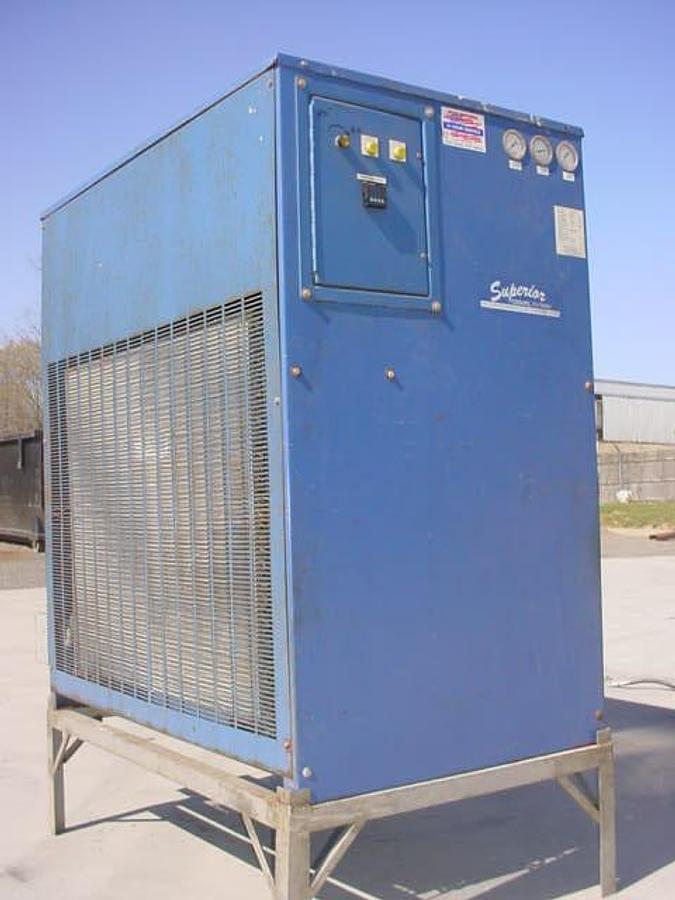
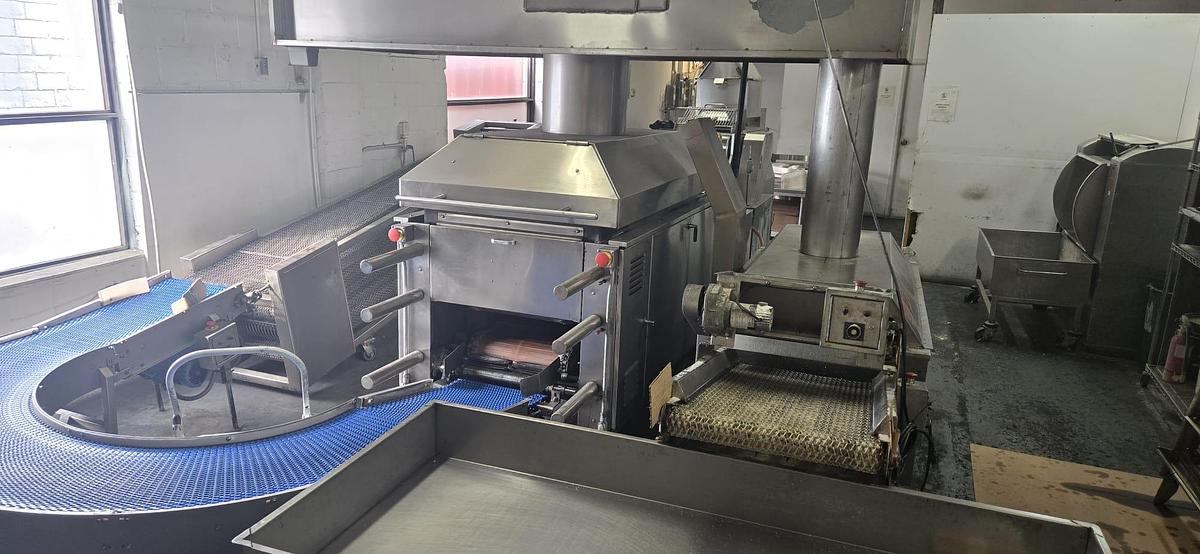
Superior produces a wide range of industrial equipment with particular strength in the automotive and aerospace sectors. Their lineup includes precision machining tools, assembly line equipment, food-grade processing systems, and specialized manufacturing lines. On the used market, buyers can find equipment like Superior chillers (including food-grade models such as the SPC-1200A-236), tortilla chip manufacturing lines with integrated packaging systems, and various other production-oriented machines designed for high-volume, accuracy-driven environments.
Because Superior has built a reputation around technological advancement and production accuracy, their equipment tends to hold its value and remain useful well beyond initial deployment. Used Superior machines are sought after by food processors, automotive suppliers, and aerospace manufacturers looking to expand capacity or replace aging equipment without the cost of buying from a manufacturer. Availability varies depending on what facilities are decommissioning or upgrading at any given time, so buyers with specific model requirements should work with dealers who specialize in industrial machinery and monitor inventory regularly.
What should buyers know before purchasing used industrial equipment?
Buying used industrial equipment is a different process than sourcing from a manufacturer, and buyers need to approach it with a clear checklist. The most important step is understanding the machine's current condition, operational history, and whether the manufacturer still supports that model with parts and technical assistance. Older or discontinued models may have limited parts availability, which can affect long-term uptime. Contacting the manufacturer directly before purchase to ask about parts support, service manuals, and technician availability is a smart move that many buyers skip.
Beyond the machine itself, buyers should factor in total landed cost, which includes the purchase price, rigging, freight, any required refurbishment, installation, and commissioning. Used equipment is typically sold as-is, meaning the responsibility for evaluating condition falls entirely on the buyer. Choosing a dealer with a long track record in the relevant industry significantly reduces risk, since experienced dealers are better positioned to accurately represent a machine's condition and help buyers understand what they are getting. Rushing a purchase without proper due diligence is the most common source of regret in the used equipment market.
How does buying used industrial equipment compare to buying from a manufacturer?
The most obvious difference is cost. Used industrial equipment is almost always priced well below what a manufacturer would charge for the equivalent machine, sometimes by 40 to 70 percent depending on age, condition, and demand. For companies that need to expand production capacity quickly or replace a failed machine without a large capital outlay, the used market offers a practical path. Lead times can also be faster with used equipment, since the machine already exists and is ready to ship rather than being built to order.
The tradeoffs are real, though. Used machines come without manufacturer warranties and are sold as-is, so buyers absorb more risk. There may also be wear on critical components, outdated control systems, or missing documentation. That said, many used machines have years of productive life remaining, particularly those from manufacturers like Superior that are known for durable construction and precision engineering. The key is doing thorough due diligence before purchase, including inspections and conversations with the manufacturer about parts and support availability for the specific model being considered.
What inspections should a buyer request before purchasing used industrial equipment?
A thorough inspection is the most important step in any used equipment purchase, and buyers should never skip it regardless of how well a machine is described in a listing. Most reputable dealers will accommodate in-person inspections, virtual walkthroughs via video call, or recorded video captures of the equipment. For machines that are still in active production at a facility, dealers can often arrange access to the plant so the buyer can see the equipment running under real operating conditions. This is one of the most valuable inspection scenarios available because it gives a live picture of the machine's performance.
For decommissioned equipment, buyers should request detailed photos and video of all major components, including control panels, drive systems, wear surfaces, and any areas prone to damage in that equipment type. It is worth having a qualified technician or engineer review the footage if the buyer does not have in-house expertise. Keep in mind that most dealers do not have the permitting or setup required to run full production tests, so testing actual product output is generally not possible at a dealer's facility. The goal of the inspection is to get an accurate, honest picture of the machine's current mechanical and electrical condition so the buyer can make an informed decision.
What are the key factors that affect the total cost of owning used industrial equipment?
Purchase price is only one part of the equation. The total cost of owning used industrial equipment includes freight and rigging, installation and commissioning, any refurbishment or replacement parts needed before the machine goes into service, ongoing maintenance, energy consumption, and the cost of spare parts over the machine's remaining life. For complex equipment like food-grade chillers or automated manufacturing lines, installation alone can require specialized technicians and significant downtime planning.
Energy efficiency is an increasingly important factor, especially for equipment that runs continuously. Older machines may consume significantly more power than more recent models, and that difference compounds over time. Parts availability is another long-term cost driver. Buyers should research whether the manufacturer still produces replacement parts for the model they are considering, or whether aftermarket or refurbished parts are available. A machine with a low purchase price but expensive or hard-to-find parts can end up costing more over its service life than a higher-priced machine with readily available support.
What certifications and compliance standards matter most for used industrial equipment?
Industrial equipment used in production environments is subject to a range of regulatory and safety standards, and those requirements do not disappear because the equipment is used. Relevant certifications depend heavily on the industry and application. Food processing equipment, for example, must meet FDA and USDA standards, and food-grade chillers like Superior's SPC-1200A-236 need to comply with sanitation requirements for direct or indirect food contact. In manufacturing environments, OSHA compliance, CE marking for equipment used in certain markets, and UL listings for electrical components are common requirements.
Buyers should verify that the equipment they are considering either already carries the necessary certifications or can be brought into compliance before being put into service. Certification documentation may or may not transfer with used equipment, so it is worth asking the dealer what paperwork is available. In some cases, equipment may need to be re-inspected or recertified by a third party before it can legally operate in a given facility. Understanding these requirements before purchase prevents costly surprises after the machine arrives.
How is used industrial equipment typically shipped, and what costs should buyers expect?
Shipping industrial equipment is a specialized process that goes well beyond standard freight. Machines must be properly palletized or crated to prevent damage in transit, and the level of packaging required depends on the size, weight, and fragility of the equipment. Smaller machines may ship on standard pallets, while larger or more complex equipment often requires custom crating built to protect specific components. The cost of packaging is typically passed on to the buyer and should be factored into the total landed cost before agreeing to a purchase price.
Larger machines frequently require heavy-duty rigging for both loading at the seller's location and unloading at the buyer's facility. Rigging involves cranes, forklifts, and specialized crews, and it adds meaningful cost to the transaction. Buyers should ask dealers for a detailed breakdown of packaging, rigging, and freight charges early in the process so there are no surprises. For international shipments, customs duties, import permits, and compliance with destination-country regulations add further complexity. Getting a full landed cost estimate before committing to a purchase is standard practice for experienced equipment buyers.
What payment terms are standard when purchasing used industrial equipment?
Used equipment dealers generally require full payment before a machine is released for shipping. This is standard practice across the industry and reflects the fact that used equipment transactions involve a single, specific asset rather than a recurring supply relationship. Wire transfer is the most common payment method for larger transactions. Some dealers may accept other forms of payment for lower-value equipment, but buyers should confirm acceptable payment methods before starting the purchase process.
Repeat customers with an established relationship with a dealer may occasionally be offered payment terms, but this is the exception rather than the rule and is typically extended at the dealer's discretion. Buyers looking for financing options may want to explore third-party equipment financing companies, which specialize in lending against used machinery and can structure loans or leases based on the equipment's value and the buyer's creditworthiness. Having financing arranged in advance speeds up the purchase process and puts buyers in a stronger negotiating position.
What should buyers look for when choosing a used industrial equipment dealer?
Track record is the single most important factor. A dealer with years of experience in a specific equipment category will have a much better understanding of what to look for in the machines they sell, how to accurately represent condition, and how to support buyers through the purchase process. Dealers who specialize in a particular industry, such as food processing or precision machining, are better equipped to answer technical questions and source equipment that meets the specific demands of that sector. General-purpose resellers may have broader inventory but less depth of knowledge.
Buyers should also look at how transparent a dealer is about the equipment's history and condition. Dealers who readily accommodate inspections, provide detailed photos and video, and are upfront about any known issues are demonstrating the kind of integrity that protects buyers. References from past customers, the dealer's tenure in the business, and the quality of their listings and documentation are all useful signals. Buying from an established, specialized dealer reduces the risk that comes with purchasing equipment as-is and provides a more reliable foundation for making a significant capital investment.
Can used industrial equipment be installed and commissioned after purchase, and who handles that process?
Installation and commissioning of used industrial equipment is typically the buyer's responsibility unless a specific arrangement is made with the seller. Once the machine arrives at the buyer's facility, getting it operational generally requires qualified technicians familiar with that type of equipment. For complex systems like automated manufacturing lines or food-grade processing equipment, commissioning can involve electrical hookups, utility connections, calibration, and safety checks before the machine is cleared for production use.
Buyers have several options for handling installation. Some manufacturers still offer installation and technical support services for their equipment even when it changes hands on the used market, though availability depends on the age and model of the machine. Third-party industrial service companies that specialize in equipment installation are another option and are often the most practical choice for older machines where manufacturer support may be limited. Buyers should budget for installation costs as part of the overall acquisition plan and, where possible, obtain service manuals and technical documentation from the dealer to support the commissioning process.