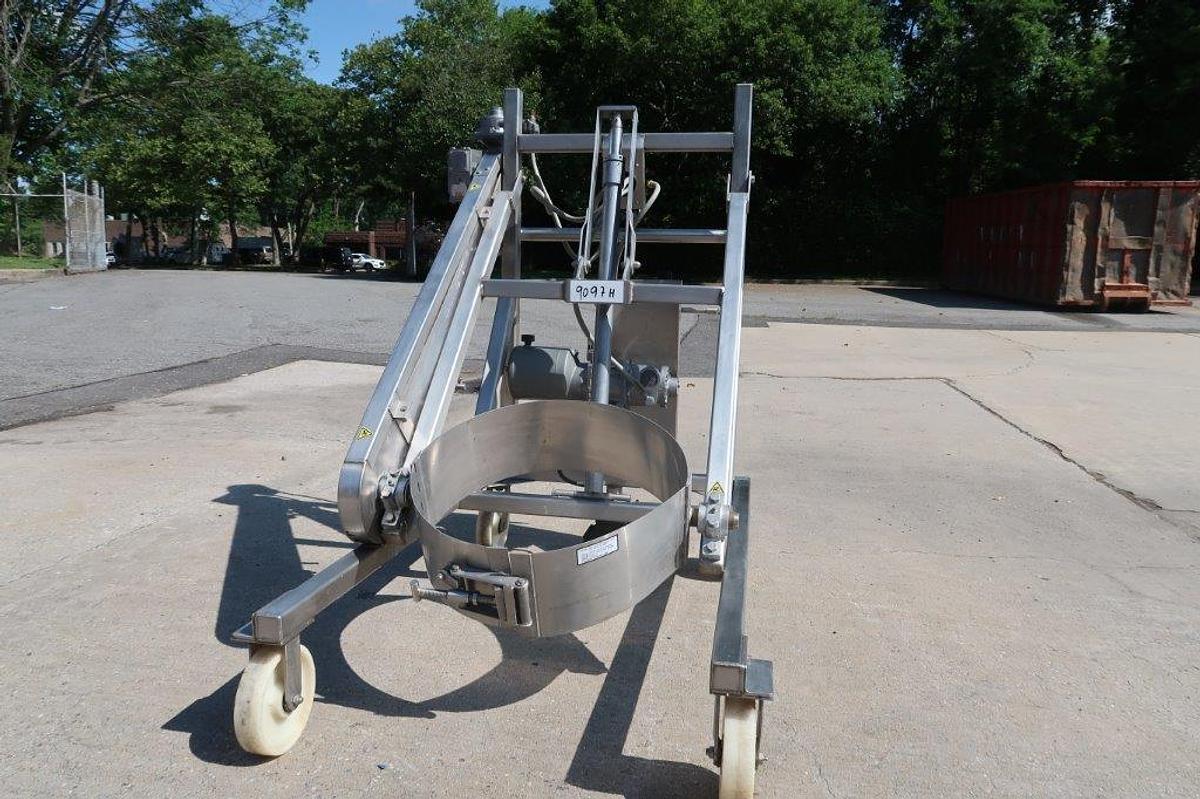
Category
Manufacturer
Model
FAQ:
What is a Sterling Fleischman drum lift and what is it used for?
A Sterling Fleischman drum lift is a piece of industrial material handling equipment designed to safely lift, transport, and position heavy drums in warehouse, manufacturing, and chemical processing environments. Sterling Fleischman has built a recognized reputation in the drum handling space, and their lifts are commonly found in facilities that regularly move standard 55-gallon steel or poly drums. The equipment is built to reduce the physical strain on workers and minimize the risk of injury that comes with manually handling heavy containers, which can weigh several hundred pounds when full.
These machines are typically portable units, meaning a single operator can maneuver them through a facility without the need for a forklift or additional personnel. They are used across a wide range of industries including chemical processing, food and beverage production, pharmaceutical manufacturing, and general warehousing. The portable design makes them especially practical for facilities where drums are moved frequently between different workstations or storage areas.
What is the typical weight capacity of a Sterling Fleischman drum lift?
Sterling Fleischman drum lifts are built to handle the loads common in industrial drum handling applications. Most drum lifts in this product category are rated to handle between 800 and 1,500 pounds, which covers the weight range of a standard 55-gallon drum filled with liquid or solid materials. The specific capacity of any individual unit will depend on the model, so buyers should confirm the rated load capacity of the exact machine they are considering before purchase.
For used equipment purchases in particular, it is a good practice to ask the seller for any available documentation, nameplates, or specification sheets that confirm the machine's rated capacity. Since drum contents vary widely in density, knowing the exact load limit helps ensure the equipment is matched correctly to the application. Overloading a drum lift, even a well-built one, creates safety risks and accelerates mechanical wear, so capacity verification is a critical step in the buying process.
What types of drums is the Sterling Fleischman drum lift compatible with?
Sterling Fleischman drum lifts are generally designed to work with standard 55-gallon drums, which are the most common drum size used in industrial and manufacturing settings. These drums come in both steel and high-density polyethylene (poly) construction, and most drum lifts in this category are built to accommodate both materials. Some models may also handle smaller drum sizes, such as 30-gallon drums, depending on the design of the cradle or gripping mechanism.
Buyers should pay close attention to the drum compatibility specs of the specific unit they are evaluating. Key factors include the diameter range the lift can grip, whether the cradle is adjustable, and whether the unit is designed for open-head or closed-head drums. When purchasing a used Sterling Fleischman drum lift, asking the seller for the model number and cross-referencing it with manufacturer documentation can help confirm compatibility with the drums used in your facility.
Is the Sterling Fleischman drum lift manually operated or does it require a power source?
Sterling Fleischman drum lifts are available in different configurations depending on the model, and the power source varies accordingly. Common options in the drum lift product category include manual hydraulic operation, electric power, and pneumatic (compressed air) actuation. Manual hydraulic units use a hand pump to generate lift pressure, which makes them fully portable and usable in areas without access to electrical outlets or air lines. Electric and pneumatic models offer more convenience for high-frequency use but require access to the appropriate power source.
For buyers considering a used Sterling Fleischman drum lift, understanding the power requirements of the specific unit is important before finalizing a purchase. A pneumatic lift, for example, requires a compressed air supply at a specific pressure rating, while an electric unit needs a compatible voltage and outlet configuration. Confirming these details with the seller, and if possible viewing the machine in operation during an inspection, helps ensure the equipment will integrate smoothly into the intended facility.
What should buyers inspect when evaluating a used Sterling Fleischman drum lift?
Buying a used drum lift requires a more thorough evaluation process than purchasing new equipment, since the machine's history and current condition are not always fully documented. Key areas to inspect include the hydraulic or pneumatic system for leaks or pressure loss, the structural integrity of the mast and cradle assembly, the condition of the wheels and casters for smooth mobility, and the function of any locking or safety mechanisms that hold the drum in place during transport. Checking for visible cracks, weld repairs, or signs of heavy impact on the frame is also important.
Reputable used equipment dealers typically offer in-person inspections, virtual walkthroughs, or video captures of the machine so buyers can assess its current working order before committing to a purchase. Some machines may still be in active use at a production facility, while others may be decommissioned and in storage. Keep in mind that most equipment dealers do not have the permitting required to run full production tests, so the inspection will generally focus on mechanical condition and visual assessment rather than live output testing. Buyers should also consult with the manufacturer to understand what parts and service support are available for the specific model and age of the machine they are considering.
How does a drum lift improve workplace safety compared to manual drum handling?
Manual handling of full 55-gallon drums is one of the more physically demanding and injury-prone tasks in industrial settings. A full steel drum filled with liquid can weigh close to 500 pounds, and attempting to tip, roll, or reposition it manually puts workers at significant risk of musculoskeletal injuries, crush injuries, and drum spills. Drum lifts address these risks by mechanically supporting the full weight of the drum and allowing a single operator to lift, rotate, and transport it in a controlled manner without excessive physical exertion.
From a regulatory standpoint, OSHA guidelines emphasize ergonomic solutions for heavy lifting tasks, and drum lifts are widely used as a practical compliance tool in facilities subject to those standards. Beyond regulatory compliance, the business case for drum lifts is straightforward: fewer injuries mean less downtime, lower workers' compensation costs, and better productivity. The portability of units like the Sterling Fleischman drum lift adds further value by eliminating the need to bring a forklift into tight spaces or areas where a larger piece of equipment would be impractical.
What is the typical price range for a used Sterling Fleischman drum lift?
Pricing for used Sterling Fleischman drum lifts varies based on the model, condition, age, and included features such as powered lift mechanisms or specialized drum attachments. In the used industrial equipment market, drum lifts from recognized manufacturers like Sterling Fleischman tend to hold their value reasonably well because of the brand's reputation for durability and the ongoing demand for drum handling solutions in manufacturing and warehousing environments. Buyers should expect pricing to reflect the machine's condition and operational readiness rather than a fixed market rate.
To get an accurate picture of the total cost, buyers should factor in more than just the listed equipment price. Shipping, rigging, and any palletization or crating required to safely transport the machine will add to the landed cost. Sellers can typically provide quotes for these additional expenses, and it is worth requesting that breakdown before finalizing a purchase decision. Getting multiple quotes and comparing the condition and specifications of available units is the most reliable way to assess whether a given asking price represents fair market value.
What are the typical shipping and logistics considerations when purchasing a used drum lift?
Shipping a used drum lift involves more planning than a standard parcel shipment. These machines are heavy, often awkwardly shaped, and require proper packaging to prevent damage during transit. Depending on the size and weight of the unit, the seller may need to palletize or crate the equipment before it can be safely loaded onto a freight carrier. The level of packaging required directly affects the shipping cost, so buyers should ask for a detailed breakdown of what is included before agreeing to terms.
For larger or heavier drum lift models, specialized rigging equipment may be needed to load the machine onto a truck at the point of origin and unload it at the destination. This rigging work is typically an added cost that falls outside the standard freight quote. Buyers should confirm with the seller whether rigging is included or billed separately, and whether the buyer is responsible for arranging unloading at their facility. Understanding all of these logistics costs upfront ensures there are no surprises when the equipment arrives.
What payment terms are typical when purchasing used industrial drum handling equipment?
In the used industrial equipment market, payment practices tend to be straightforward but differ from what buyers might expect in retail purchasing. Most used equipment dealers require payment in full before the machine is released for shipment. This is standard practice across the industry and reflects the nature of selling high-value, one-of-a-kind items where holding a machine for a buyer represents a real opportunity cost for the seller. Wire transfer and other verified payment methods are the most commonly accepted forms of payment for transactions of this size.
Some dealers may offer extended terms or other arrangements to established customers with a history of repeat purchases, but first-time buyers should generally plan for full payment upfront. It is always reasonable to ask a seller about their payment process and timeline before committing, particularly if the purchase involves coordinating shipping logistics that require lead time. Clarity on payment and shipping timelines upfront makes the transaction smoother for both parties.
How can buyers verify the credibility of a used equipment dealer selling a Sterling Fleischman drum lift?
Purchasing used industrial equipment requires a level of due diligence that goes beyond simply comparing prices. A reputable dealer should have a demonstrable track record in the industry, with years of experience selling machinery in the relevant category. Buyers can look for indicators like the length of time the dealer has been in business, the breadth of their inventory, and whether they specialize in industrial and material handling equipment rather than selling across unrelated categories. Customer reviews, industry references, and the dealer's willingness to accommodate inspections are also meaningful signals of credibility.
One practical step is to request an inspection of the machine before purchase, whether in person, via video call, or through a video recording of the equipment in its current state. A dealer that is transparent about the machine's condition and willing to answer detailed questions about its history and specifications is generally a safer choice than one that resists scrutiny. Buyers should also reach out to the manufacturer directly to understand what technical support, parts availability, and service documentation can be expected for the specific model and production year of the drum lift they are considering.