Category
Manufacturer
Model
Sterling
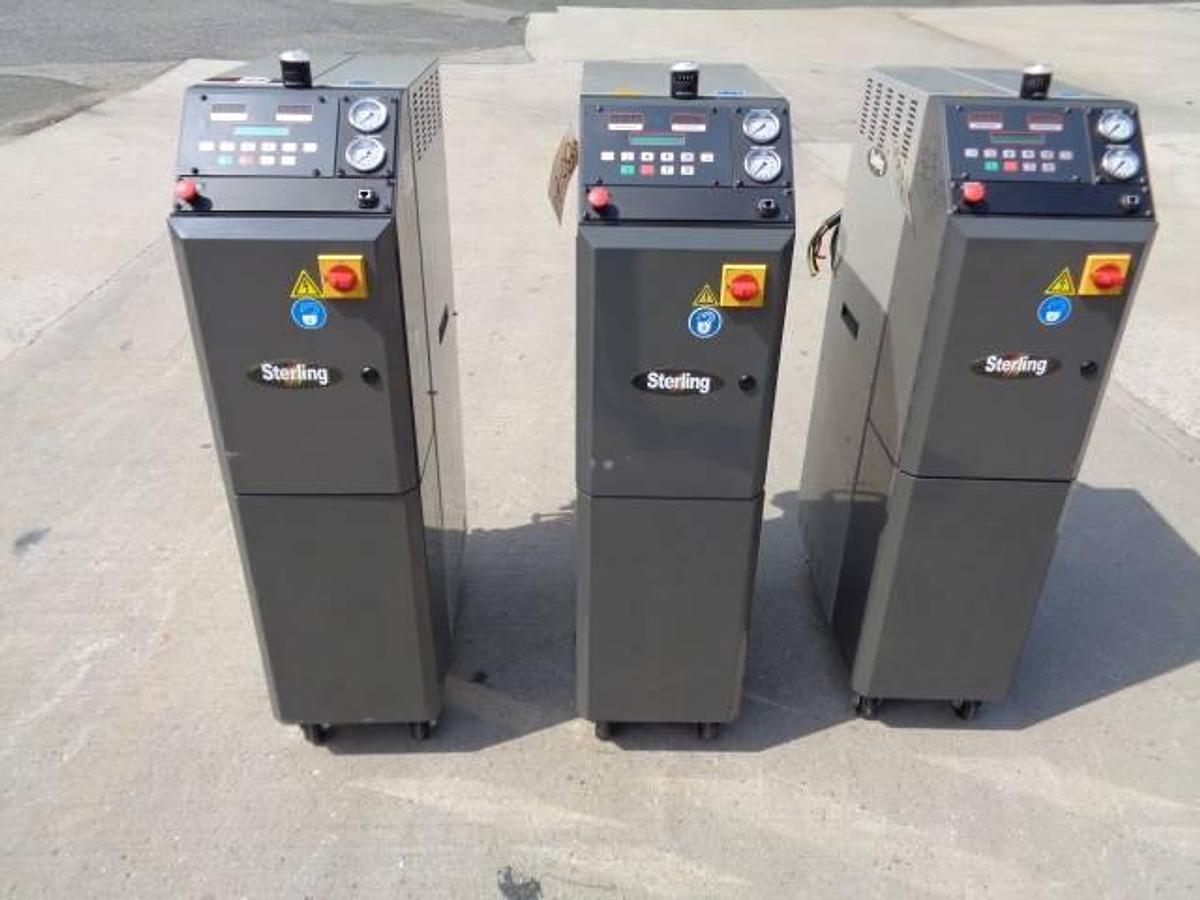
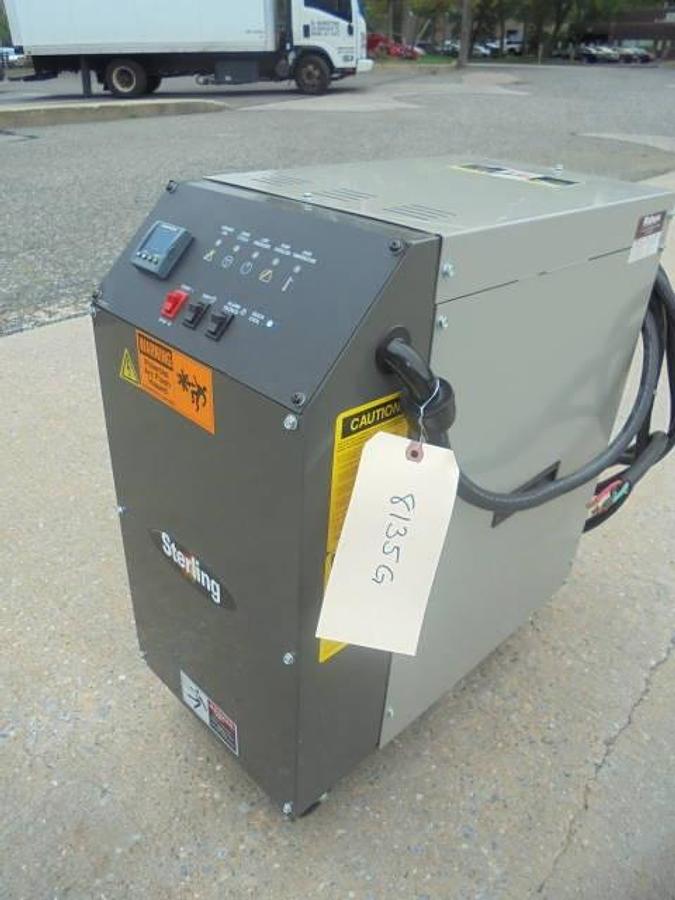
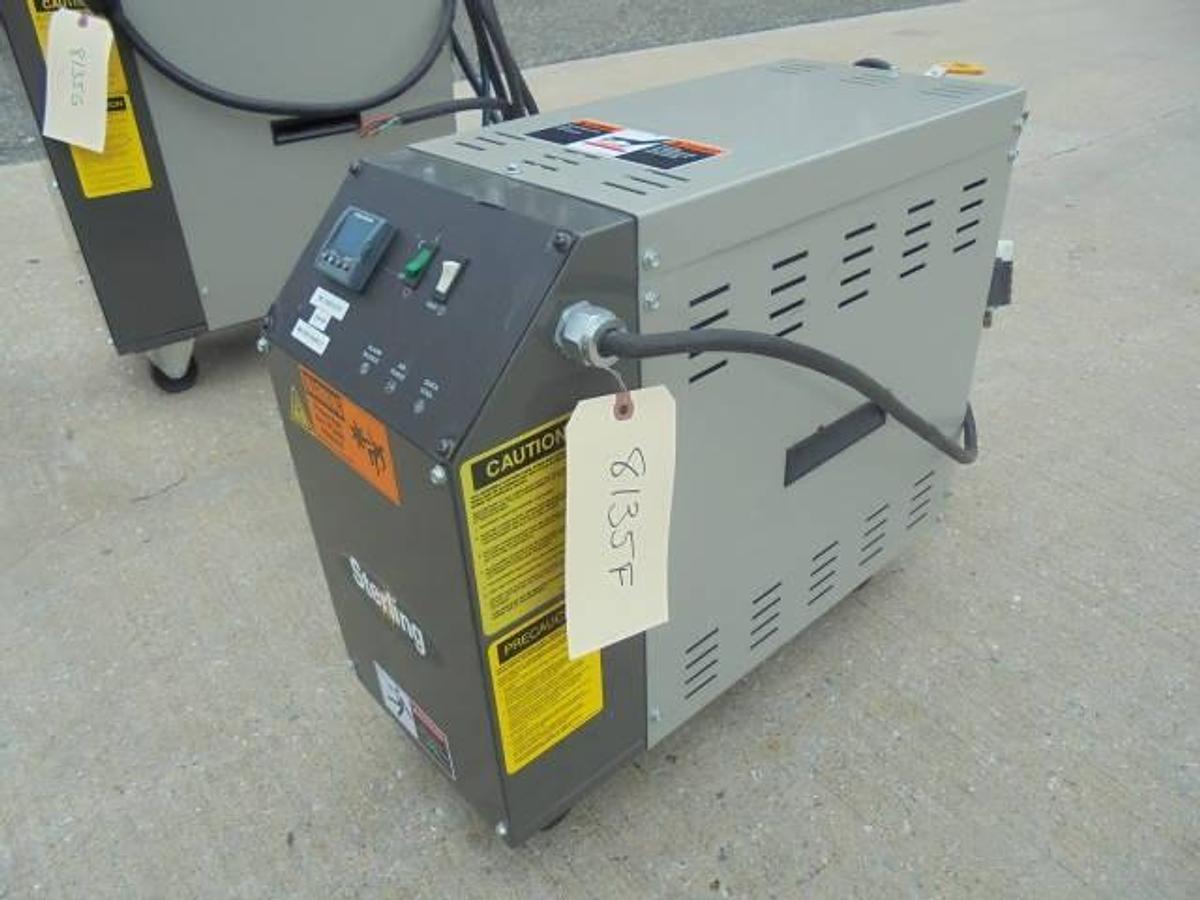
Sterling is known for its manufacturing equipment and solutions for the food and beverage industries. They focus on providing high-quality processing and packaging machinery that enhances production efficiency.
FAQ:
What are Sterling temperature control units used for?
Sterling temperature control units (TCUs) are primarily used in plastics processing applications where maintaining a precise and consistent mold or process temperature is critical to part quality. Common applications include injection molding, blow molding, and extrusion, where even small temperature variations can lead to defects, increased scrap rates, or longer cycle times. By circulating heated or cooled fluid through a mold or die, these units keep the tooling at a stable setpoint throughout a production run.
Beyond plastics, Sterling has a history of producing processing and packaging machinery for food and beverage manufacturing as well. The underlying principle is the same across industries: consistent thermal management improves output quality and production efficiency. Buyers looking at used Sterling TCUs should identify the specific application requirements, including target temperature range, flow rate, and fluid type, before selecting a particular model to ensure it fits their process.
What temperature ranges can Sterling temperature control units handle?
The operating range of a Sterling TCU depends largely on whether the unit is designed for water or oil as the heat transfer fluid. Water-based units are typically rated for temperatures up to around 250°F (121°C), which covers the majority of injection molding and extrusion applications. Oil-based units are capable of reaching significantly higher temperatures, often up to 500°F (260°C) or beyond, making them suitable for processes that require elevated heat, such as certain thermoset molding or high-temperature thermoplastic applications.
When evaluating a used Sterling unit, it is important to confirm the specific model's rated maximum temperature, as this varies across the product line. The Royal Series and other portable models in the Sterling lineup each carry their own specifications, and a used machine's actual condition and internal components should be inspected to verify they can still perform reliably at the rated range. Consulting the manufacturer's documentation for the specific model number is a practical step for any buyer trying to match a used unit to a process requirement.
What is the difference between a heating-only Sterling TCU and a heating/cooling combination unit?
A heating-only temperature control unit circulates fluid that has been heated to a setpoint temperature, maintaining process tooling at an elevated temperature. These units are straightforward in design and are used in applications where the mold or die needs to be kept warm to ensure proper material flow, surface finish, or cure. They do not have the ability to actively remove heat from the process.
A heating and cooling combination unit, sometimes called a self-contained unit, adds a refrigeration or cooling circuit that allows the unit to both add and remove heat. This makes it far more versatile, particularly for processes where cycle times are tight and the tooling needs to be cooled quickly between shots or passes. Sterling's self-contained portable models, such as those in the Royal Series, are designed with this dual capability. For used equipment buyers, understanding which type a specific unit is matters significantly, as a heating-only unit cannot be retrofitted to cool without substantial modification. The model number and spec sheet will clarify which configuration a particular machine represents.
How accurate is the temperature control on Sterling TCUs?
Sterling temperature control units are engineered for tight temperature regulation, and most modern units in the lineup are capable of maintaining setpoint accuracy within plus or minus 1°F under stable operating conditions. That level of precision is meaningful in plastics processing because small temperature deviations at the mold can translate directly into dimensional inconsistencies, surface defects, or rejected parts. Tight control also contributes to shorter, more repeatable cycle times, which has a direct impact on throughput and material costs.
This accuracy is largely a function of the microprocessor-based controllers that Sterling uses on its units. These digital controllers continuously monitor the fluid temperature via a sensor, compare it to the programmed setpoint, and make adjustments to the heating or cooling elements accordingly. On used equipment, the condition and calibration of the temperature sensor and controller are worth verifying during inspection, as sensor drift or a worn controller can degrade the unit's accuracy over time. A thorough inspection, whether in person or via video, should include observing the controller's response and checking for any fault codes or erratic readings.
Do Sterling temperature control units have digital controllers and remote monitoring capabilities?
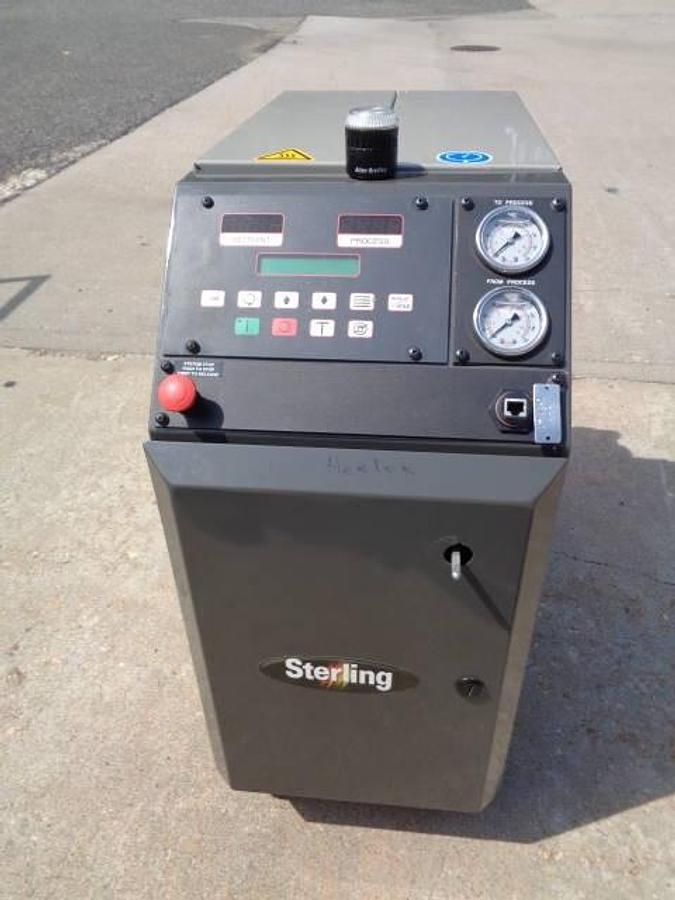
Most Sterling TCUs produced in recent decades are equipped with digital microprocessor-based controllers rather than simple analog dial controls. These controllers allow operators to set precise temperature targets, monitor actual fluid temperature in real time, and receive fault alerts for conditions like high temperature, low flow, or heater failures. The digital interface makes it easier to document process parameters and maintain consistency across shifts.
More advanced Sterling models support remote communication protocols such as RS-485 serial connections or Ethernet interfaces, which allow the TCU to be integrated into a plant-wide process monitoring or automation system. This can be valuable in facilities that want centralized data logging or remote setpoint adjustment without sending an operator to each machine. When buying a used Sterling unit, it is worth confirming which controller version is installed, as older units may have been produced before these communication features were standard. Asking the seller for photos or a video walkthrough of the controller panel is a straightforward way to verify what is present on a specific machine.
What flow rate and pump capacity should I look for in a Sterling temperature control unit?
Pump capacity and flow rate are two of the most important specifications to match when selecting a Sterling TCU for a specific application. Flow rate, typically measured in gallons per minute (GPM), determines how quickly the heat transfer fluid circulates through the mold or process tooling. Insufficient flow can result in uneven temperature distribution across the mold surface, leading to quality problems. Sterling offers units across a range of pump horsepower ratings, and the right choice depends on the size and complexity of the tooling, the length and diameter of the supply and return lines, and the pressure drop through the system.
As a general guideline, larger molds with more cooling or heating channels require higher flow rates to maintain uniform temperature. Buyers should calculate or estimate the required GPM for their tooling before comparing used units. When evaluating a specific used Sterling model, the pump's nameplate horsepower rating is a starting point, but the actual performance of a used pump should be assessed during inspection. A dealer who specializes in plastics processing equipment can often help match a used unit's specifications to a buyer's process requirements based on the model number and known performance data.
Can Sterling temperature control units use oil as the heat transfer fluid, or are they water-only?
Sterling produces both water-based and oil-based temperature control units, and the two are not interchangeable. Water units are designed with seals, pump materials, and internal components suited for water or water-glycol mixtures, and they are typically rated for process temperatures up to around 250°F. Oil units use a thermal fluid, often a synthetic heat transfer oil, and are built with components that can handle the different viscosity, flash point considerations, and higher operating temperatures that oil systems require, sometimes reaching 500°F or higher.
Using the wrong fluid in a unit not designed for it can damage seals, pumps, and heat exchangers, so it is critical to know which type a specific used unit is before purchasing. The model number and any available documentation from the seller should make this clear. For buyers who need high-temperature capability, an oil-based Sterling unit is the appropriate choice. For standard injection molding applications in the 100°F to 200°F range, a water-based unit is typically sufficient and simpler to maintain. During an inspection, checking for any residual fluid in the system can also help confirm what type of fluid the unit was previously operated with.
What should buyers know about purchasing a used Sterling temperature control unit?
Used Sterling TCUs are sold by equipment dealers on an as-is basis, which means the responsibility for assessing the machine's condition falls on the buyer. Unlike purchasing directly from a manufacturer, there is no factory certification or coverage to fall back on. This makes the inspection process especially important. Reputable used equipment dealers will typically accommodate in-person visits to their facility, or they can provide detailed video walkthroughs showing the unit's physical condition, controller display, pump, and any visible wear or damage. Some units may still be in production at a plant where a live inspection can be arranged.
Buyers should also factor in the age and model of the unit when thinking about long-term support. Contacting Sterling or its parent company directly to ask about parts availability and technical support for a specific model number is a practical step before committing to a purchase. Older or discontinued models may have limited parts availability, which can affect the total cost of ownership. Getting a clear picture of the unit's history, including what fluid it ran, how many hours it has logged, and what maintenance it has received, gives a buyer the best chance of making a sound decision on a used machine.
What are the shipping and rigging considerations for Sterling temperature control units?
Temperature control units vary considerably in size and weight depending on the model. Compact portable units like some of the Sterling Royal Series models are relatively manageable, but larger self-contained units with integrated cooling systems can be substantially heavier and may require forklift handling or dedicated rigging equipment for safe loading and unloading. Buyers should ask the selling dealer specifically about the weight and footprint of the unit, and confirm what packaging or crating will be used to protect it during transit.
Shipping costs for industrial machinery are not fixed and depend on the origin and destination, the freight class, the level of packaging required, and whether specialized rigging is needed at either end. Pallet shipments are common for smaller units, while larger machines may require crating or custom blocking to prevent damage in transit. It is worth requesting a full breakdown of packaging, rigging, and freight costs from the dealer before finalizing a purchase so that the total landed cost is understood upfront. Some dealers work with preferred freight carriers experienced in handling industrial equipment, which can simplify the logistics process.
Are used Sterling temperature control units compatible with existing molds and process equipment?
Compatibility between a used Sterling TCU and existing tooling or process equipment comes down to a few key factors: the fluid connection size and type, the flow rate and pressure the unit delivers, the temperature range required, and whether the unit's control interface can communicate with any plant automation systems in use. Most Sterling units use standard hose barb or quick-disconnect fittings, but the size and thread type should be confirmed against what the mold or process line requires. Adapters can often bridge minor differences, but it is better to verify before the machine arrives.
Beyond the physical connections, buyers should confirm that the unit's pump capacity is adequate for the mold's cooling or heating circuit demands. A unit that is undersized for the tooling will struggle to maintain setpoint temperatures, especially during peak production. On the other end, an oversized unit may create excessive flow pressure that could damage mold components. Reviewing the mold's required flow rate and pressure drop, then comparing those numbers to the used unit's published specifications, is the most reliable way to assess compatibility before making a purchase decision.