Category
Manufacturer
Model
Starflex
Starflex focuses on providing flexible packaging solutions for the food and consumer goods sectors. They are recognized for their innovative packaging machinery that enhances product freshness and shelf appeal.
FAQ:
What types of packaging machines does Starflex manufacture?
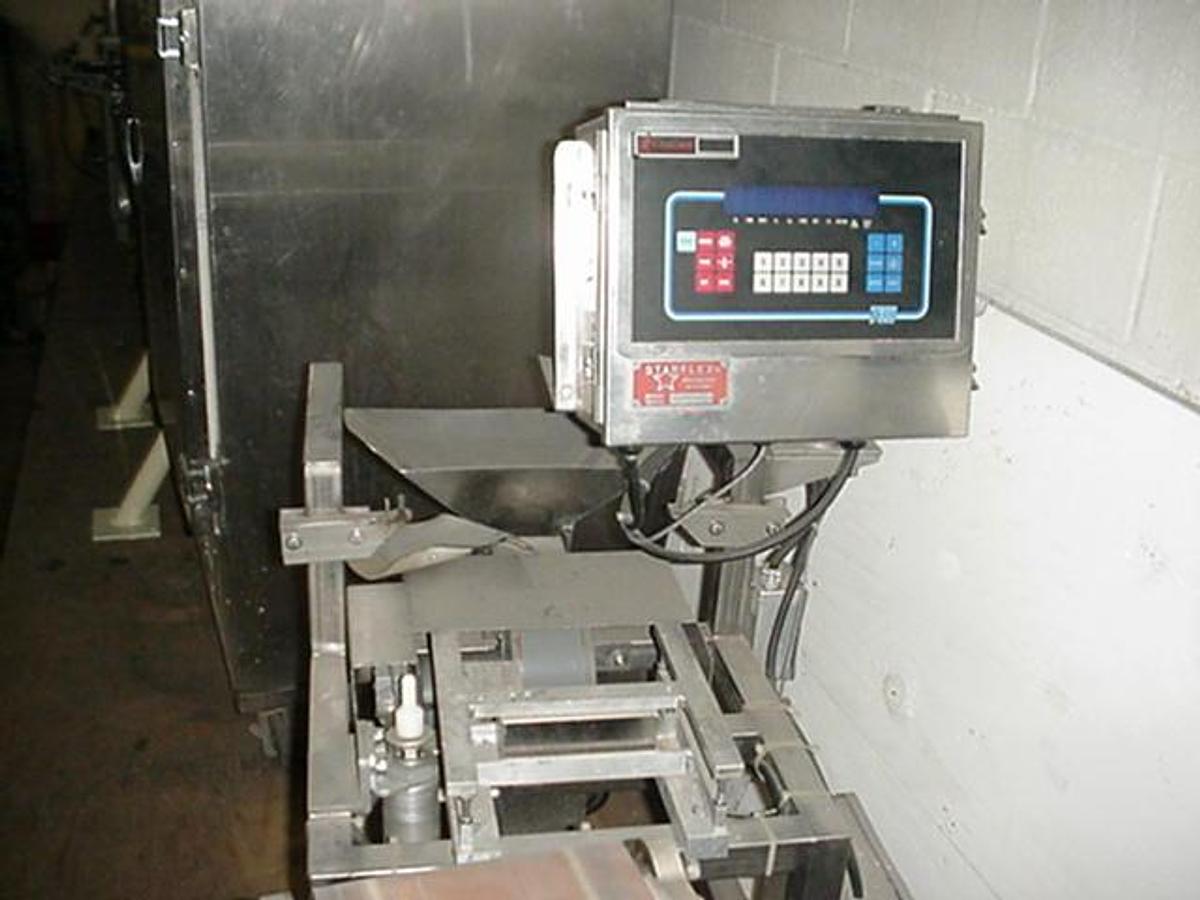
Starflex specializes in flexible packaging machinery, with a product line built around the food and consumer goods sectors. Their machines are designed to handle a range of packaging formats, and the brand is particularly recognized in the flexible packaging segment, including weigh-type bagging systems that integrate directly with scales such as the Detecto scale. This kind of integrated system is common in food production environments where accurate portion control and high throughput are both priorities.
Beyond bagging systems, Starflex machinery is associated with form-fill-seal technology, both horizontal (HFFS) and vertical (VFFS) configurations, which are standard in snack food, produce, frozen goods, and consumer product packaging lines. These machines can typically handle a variety of film types, including polyethylene (PE), polypropylene (PP), laminated films, and in some cases biodegradable materials, depending on the specific model and its configuration. Buyers shopping for used Starflex equipment should review the specifications of each individual machine carefully, as capabilities vary across models and production years.
What industries use Starflex packaging machinery?
Starflex packaging machinery is primarily designed for the food and consumer goods industries. On the food side, common applications include fresh produce, snack foods, frozen items, dry goods, and other products where portion accuracy and package integrity directly affect shelf life and consumer appeal. The brand's focus on flexible packaging makes its machines a practical fit for any production line where pillow bags, gusseted bags, or sealed pouches are the end product.
Beyond food, Starflex equipment has found use in pharmaceutical and general consumer goods packaging, where consistent sealing quality and film handling are important. Small to mid-sized manufacturers tend to gravitate toward Starflex machines because they offer a competitive price point relative to larger European or American brands, while still delivering the semi-automatic or fully automatic functionality needed for commercial production volumes. Buyers from a range of manufacturing backgrounds have found these machines adaptable to their specific packaging requirements, though it is always advisable to confirm that a particular used machine's configuration matches the intended application before purchase.
What should buyers know about purchasing used Starflex packaging machinery?
Buying used packaging machinery is meaningfully different from buying factory-direct equipment. Used Starflex machines are sold as-is, which means the condition, configuration, and operational status of each machine reflects its history in a prior production environment. That history can range from lightly used to heavily cycled, so due diligence on the part of the buyer is essential. Requesting detailed photos, maintenance records if available, and a clear description of any known issues is a reasonable starting point.
Beyond documentation, buyers should take advantage of inspection options. Reputable used equipment dealers will typically accommodate in-person inspections, virtual walkthroughs, or video captures of the machine so the buyer can assess its current condition. Some machines may still be installed and running at a facility, which gives buyers a clearer picture of actual operating condition. It is also worth contacting Starflex or an authorized service provider to understand what level of technical support, parts availability, and documentation exists for the specific model being considered, since age and production run can affect what resources are still accessible.
How do you inspect a used Starflex packaging machine before buying?
Inspection is one of the most important steps in any used machinery purchase, and Starflex packaging equipment is no exception. Dealers who specialize in packaging machinery will generally offer buyers the option to inspect machines in person at the dealer's facility, or remotely through live video calls and recorded video walkthroughs. During an inspection, buyers should look at the condition of the sealing jaws, film drive components, electrical panels, and any integrated weighing or conveying systems. Wear on these components is a reliable indicator of how heavily the machine was used and what maintenance may be needed.
For machines that are still installed at a production facility, some dealers can arrange for the buyer to observe the machine running, which provides the most realistic picture of its operational state. Keep in mind that most equipment dealers do not have the permitting or infrastructure to run full production tests with actual product, so live product testing is rarely an option outside of the original facility. Buyers should ask specific questions about what was running through the machine, what film types were used, and when the machine was last serviced. Consulting with a packaging machinery technician or the manufacturer directly before finalizing a purchase is a practical step that experienced buyers often take.
What is the typical price range for used Starflex packaging machinery?
Pricing for used Starflex packaging machinery varies considerably depending on the model, age, configuration, and condition of the specific machine. Entry-level or older semi-automatic models tend to be priced lower, while fully automatic systems with integrated weighing or multi-lane capabilities command higher prices. As a general reference point, used flexible packaging machinery in this category from comparable brands can range from a few thousand dollars for simpler or older units up to tens of thousands for more capable or recently decommissioned systems.
Beyond the listed price, buyers should factor in the full landed cost of the equipment. Shipping charges, crating or palletization fees, rigging costs for loading and unloading, and any reconditioning work needed after delivery can add meaningfully to the total investment. Asking the dealer for an itemized breakdown of all costs before committing to a purchase gives buyers a clearer picture of what they are actually spending. Total cost of ownership, including anticipated maintenance and spare parts expenses, is a smarter frame for evaluating used machinery value than purchase price alone.
Are spare parts and replacement components available for used Starflex machines?
Parts availability is a practical concern for any used packaging machine, and it is worth investigating before completing a purchase. For Starflex equipment, the availability of spare parts depends on the age and model of the machine. Contacting Starflex directly or reaching out to packaging machinery parts suppliers who carry flexible packaging components is a useful step. Many mechanical and electrical components used in packaging machinery, such as sealing elements, belts, sensors, and film guides, are also available through third-party suppliers who specialize in packaging equipment parts.
For older or discontinued models, parts sourcing may require more effort, and buyers should factor that into their decision. Machines that have been out of production for many years can sometimes be supported through aftermarket parts, custom fabrication, or by cannibalizing components from similar machines. Asking the dealer whether any spare parts are included with the machine is always worth doing, as sellers sometimes have extra components on hand from the machine's prior production environment. Building a small inventory of wear items like sealing jaws, belts, and film sensors at the time of purchase is a common practice among experienced packaging line operators.
What film types are compatible with Starflex flexible packaging machines?
Starflex flexible packaging machines are designed to work with the film types commonly used in food and consumer goods packaging. This typically includes polyethylene (PE) films, polypropylene (PP) films, and laminated multi-layer films that combine barrier properties with sealing performance. The specific film compatibility of any given machine depends on its sealing system, temperature range, and film handling components, so buyers should review the technical specifications of the individual unit they are considering.
Some Starflex models may also be compatible with biodegradable or compostable films, though this depends on the sealing temperature requirements of those materials and whether the machine's heat sealing system can be adjusted accordingly. Buyers who need to run a specific film type should confirm compatibility before purchase, ideally by consulting with a packaging film supplier or a technician familiar with the machine model. Used machines that were previously running a different film type may require adjustments or component changes to perform well with a different material.
What is a weigh-type bagging system and how does it work?
A weigh-type bagging system is a packaging machine that combines product weighing and bag filling into a single automated or semi-automated process. The machine accepts bulk product, weighs it to a target portion size using an integrated or attached scale, and then deposits the weighed portion into a bag that is formed, filled, and sealed in sequence. This type of system is widely used for products sold by weight, such as snack foods, produce, nuts, frozen vegetables, and similar items where portion accuracy directly affects labeling compliance and production efficiency.
The Starflex weigh-type bagging system pairs with a Detecto scale, which is a well-regarded brand in industrial and food service weighing. In practice, the scale feeds weight data to the bagging system so that each package receives a consistent fill before sealing. These systems are valued for reducing manual labor, improving throughput, and minimizing give-away product from overfilling. When evaluating a used weigh-type bagging system, buyers should assess the condition of both the bagging machine and the scale, since both components need to function accurately for the system to perform as intended.
How does shipping work for used Starflex packaging machinery?
Shipping used packaging machinery involves more logistics than standard freight because of the size, weight, and sensitivity of the equipment. Machines need to be properly secured and protected before transport, and the level of packaging required, whether basic palletization or full custom crating, affects the shipping cost. Larger Starflex systems may require specialized rigging equipment for loading at the origin and unloading at the destination, which is typically an added cost that buyers should confirm with the dealer in advance.
Buyers should ask for a complete breakdown of all shipping-related costs before agreeing to a purchase, including crating fees, freight charges, and any rigging or liftgate services needed. Shipping costs vary based on the machine's dimensions and weight, the distance between origin and destination, and the carrier used. Understanding the full landed cost of the equipment, meaning the purchase price plus all costs to get it to the buyer's facility, is essential for making an accurate budget and avoiding surprises after the sale.
What are the payment terms for purchasing used packaging machinery?
Payment practices in the used machinery market are fairly consistent across reputable dealers. In most cases, full payment is required before the machine is shipped. This protects the dealer from non-payment on large, hard-to-reverse transactions and is standard practice in the industry. Buyers who are working with a dealer for the first time should expect to pay in full prior to shipment, and should factor this into their cash flow planning, particularly for higher-value equipment.
Some dealers offer payment terms to repeat customers or buyers with an established purchasing relationship, but this is not the norm for first-time transactions. Buyers should clarify accepted payment methods early in the process, as wire transfer is the most common method for used machinery transactions. Before sending payment, completing a thorough inspection of the machine and reviewing all available documentation is strongly advisable, since used equipment is sold as-is and the buyer assumes responsibility for the machine's condition once the transaction is complete.