Category
Manufacturer
Model
Ss&Quot;
Ss&Quot; provides a variety of manufacturing equipment tailored for the pharmaceutical and food sectors. Their product line includes advanced mixing and blending technologies that ensure uniformity and quality in production processes.
FAQ:
What is a pipeline homogenizer mixer and how does it work?
A pipeline homogenizer mixer is an inline processing device that homogenizes, emulsifies, disperses, and mixes fluids continuously as they flow through the unit. Unlike batch mixers that process a fixed volume at a time, pipeline homogenizers are installed directly into a process line, meaning the fluid is treated in a single pass without interrupting production flow. The rotor-stator mechanism at the heart of these machines generates intense mechanical shear, turbulence, and hydraulic forces as the product moves through the mixing chamber. This combination of forces breaks down particles, droplets, and agglomerates to achieve a uniform, stable end product.
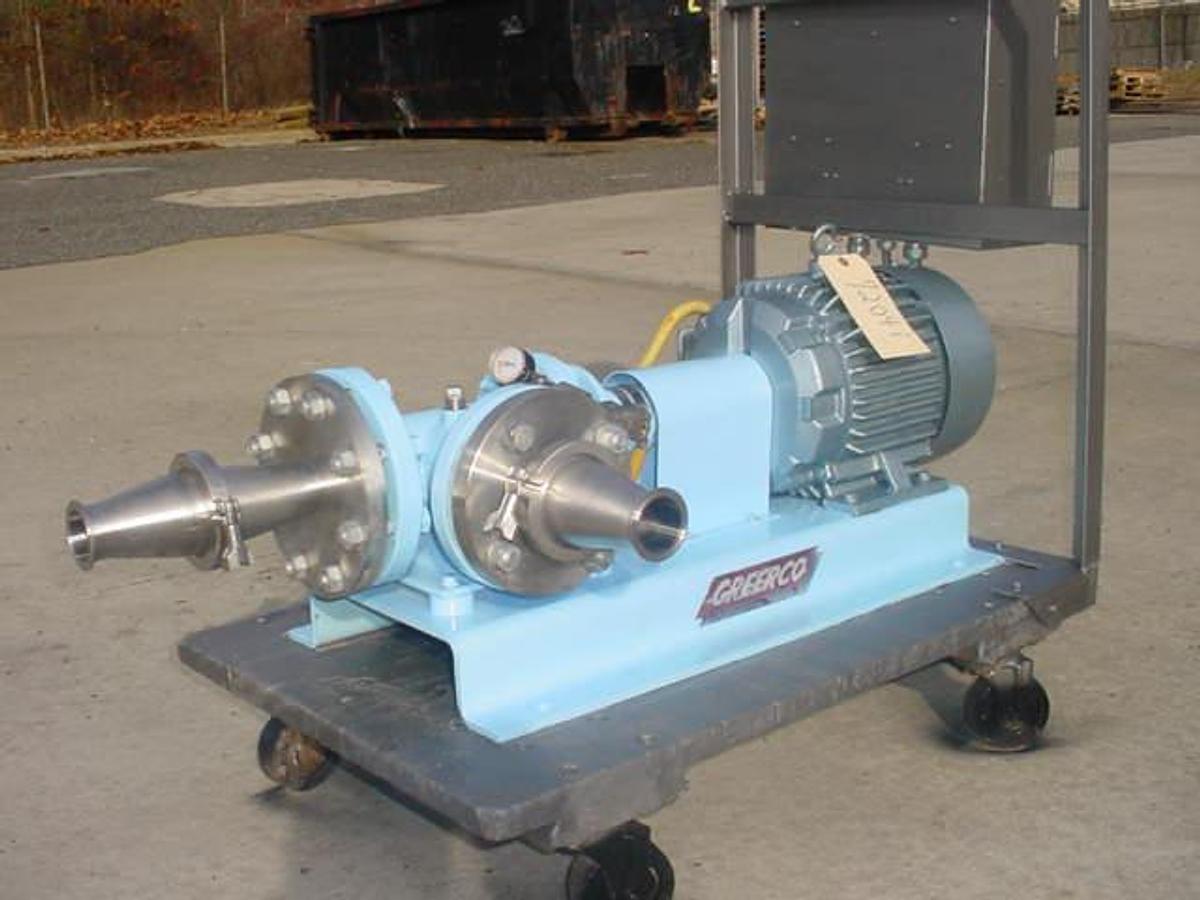
The Greerco/Gifford Wood 3-inch pipeline homogenizing mixer is a well-known example of this equipment type, built with stainless steel construction for durability and hygiene compliance. These machines are particularly valued in continuous production environments where throughput and consistency are priorities. Because homogenization, emulsification, and dispersion all happen simultaneously in a single pass through the unit, pipeline homogenizers reduce both processing time and the overall equipment footprint compared to running separate mixing and homogenizing steps.
What industries are pipeline homogenizer mixers best suited for?
Pipeline homogenizer mixers are widely used across the pharmaceutical, food and beverage, dairy, cosmetics, and chemical processing industries. In pharmaceutical manufacturing, they are used to produce emulsions, suspensions, and topical formulations where particle size uniformity directly affects product efficacy and regulatory compliance. In the food and dairy sectors, these machines are essential for processing products like sauces, dressings, dairy beverages, and infant formula, where consistent texture and stability are critical quality parameters. Cosmetic manufacturers rely on them for creams, lotions, and serums that require stable emulsions with fine droplet sizes.
Beyond those regulated industries, pipeline homogenizers also see use in chemical processing for dispersing pigments, resins, and other compounds into liquid carriers. The stainless steel construction common to these machines makes them compatible with a broad range of product types, including those that are mildly acidic, alkaline, or temperature-sensitive. Their inline design means they can be integrated into existing production lines with relatively minimal disruption, which makes them attractive for facilities looking to upgrade mixing and homogenizing capabilities without a complete equipment overhaul.
Is a stainless steel pipeline homogenizer mixer suitable for food-grade or pharmaceutical applications?
Stainless steel pipeline homogenizer mixers are specifically designed with food-grade and pharmaceutical applications in mind. The material of construction is a major factor here. SS 316L stainless steel is the preferred grade for direct product contact surfaces in these industries because of its superior corrosion resistance, low carbon content, and ability to withstand repeated cleaning and sterilization cycles without degrading. SS 304 stainless steel is also used in less critical applications or for external components. The smooth, polished internal surfaces that are standard on sanitary-grade pipeline homogenizers minimize product buildup and bacterial harborage points, which is a non-negotiable requirement in regulated production environments.
For pharmaceutical applications specifically, buyers should look for equipment that meets applicable sanitary standards such as 3-A Sanitary Standards or relevant FDA guidelines for food contact equipment. When purchasing a used pipeline homogenizer, it is worth consulting with the manufacturer of the specific model to understand what certifications the machine carried and whether replacement parts and documentation are still available. Age and model generation can affect the level of manufacturer support a buyer can expect, so doing that research before purchase helps avoid surprises after the machine arrives.
What particle size reduction can a pipeline homogenizer mixer achieve?
Pipeline homogenizer mixers are capable of reducing particle and droplet sizes into the range of approximately 0.2 to 2 microns, depending on the model, rotor-stator geometry, operating speed, and the number of passes the product makes through the unit. This level of size reduction is sufficient for producing stable emulsions, fine dispersions, and homogenized suspensions in pharmaceutical, food, and cosmetic applications. Some formulations may require multiple passes to reach target particle size specifications, particularly for products with high viscosity or high dispersed-phase concentrations.
The actual particle size achievable in practice also depends on the physical properties of the product being processed, including viscosity, surface tension, and the ratio of dispersed to continuous phase. A well-maintained rotor-stator assembly with tight clearances will consistently outperform one that has experienced wear over time. For buyers evaluating a used pipeline homogenizer, understanding the condition of the rotor-stator components is one of the most important factors in predicting processing performance. Inspecting or requesting detailed photos or video of the internal mixing components before purchase is a practical way to assess this.
What flow rates and capacity ranges are typical for pipeline homogenizer mixers?
Pipeline homogenizer mixers are available across a wide range of flow capacities, from small-scale laboratory or pilot units processing a few gallons per minute up to large industrial models capable of handling hundreds of gallons per minute. The 3-inch pipeline size referenced in the Greerco/Gifford Wood model is a common industrial scale that balances throughput with manageable motor requirements. Flow rate capacity is influenced by the inlet and outlet pipe diameter, rotor-stator design, motor horsepower, and the viscosity of the product being processed. Higher viscosity products naturally move through the unit more slowly and may require more horsepower to achieve the same throughput as lower viscosity fluids.
When evaluating a used pipeline homogenizer for a specific application, matching the unit's capacity to the production line's flow rate requirements is critical. Running a homogenizer significantly below or above its designed flow range can result in either insufficient shear energy applied to the product or excessive pressure drop across the unit. Buyers should review the original equipment specifications for the model in question and, where possible, discuss the intended application with a knowledgeable equipment dealer who can help confirm whether the unit is a reasonable fit for the intended process conditions.
How easy is a pipeline homogenizer mixer to clean and maintain?
Sanitary pipeline homogenizer mixers are generally designed with Clean-in-Place (CIP) compatibility, which allows cleaning solutions to be circulated through the unit without full disassembly. This is a significant operational advantage in food, dairy, and pharmaceutical facilities where frequent cleaning between production runs is required and downtime needs to be minimized. The smooth internal surfaces, crevice-free connections, and sanitary fittings that characterize these machines are specifically engineered to allow cleaning solutions to reach all product-contact areas effectively. Proper CIP validation is still required by the operator to confirm that the cleaning protocol achieves the necessary log reduction for the specific product and facility.
Maintenance on a pipeline homogenizer mixer primarily involves monitoring and periodically replacing wear components, particularly the rotor-stator assembly, mechanical seals, and bearings. The rotor and stator experience the most wear due to the high-speed mechanical shear they generate, and their condition directly affects homogenization performance over time. For used equipment, assessing the remaining service life of these components is an important part of evaluating the machine before purchase. Dealers who specialize in food and pharmaceutical processing equipment can often provide inspection reports or arrange video inspections that show the condition of internal components, which helps buyers make a more informed assessment of expected maintenance costs.
What certifications should buyers look for in a pipeline homogenizer mixer?
For food, dairy, and pharmaceutical applications, the most relevant certifications for a pipeline homogenizer mixer include 3-A Sanitary Standards compliance, which sets specific requirements for materials, surface finishes, and design to ensure hygienic cleanability. Equipment intended for pharmaceutical manufacturing may also need to align with FDA guidelines for food contact equipment or meet the requirements of cGMP (current Good Manufacturing Practice) facilities. In international markets, CE marking is required for equipment sold into the European Economic Area and indicates conformity with applicable health, safety, and environmental standards. The specific certifications that matter most will depend on the industry, the product being processed, and the regulatory environment the buyer operates in.
When buying a used pipeline homogenizer, the original certifications the machine carried are relevant but buyers should verify whether the machine still meets those standards given its current condition and any modifications that may have been made during its service life. Consulting directly with the equipment manufacturer is a practical step, as they can confirm what certifications applied to a specific model and serial number, and whether the machine is still eligible for parts and service support. Reputable used equipment dealers who specialize in the food and pharmaceutical sectors will typically have documentation on the machines they sell and can help buyers understand the certification history of a specific unit.
What should buyers inspect when evaluating a used pipeline homogenizer mixer?
Evaluating a used pipeline homogenizer mixer requires a closer look at several key components than you would need for most other types of used equipment, because the performance of these machines is tightly tied to the condition of precision-machined internal parts. The rotor-stator assembly is the most critical area to inspect. Wear, scoring, or damage to the rotor or stator will directly reduce the machine's ability to generate adequate shear and achieve target particle sizes. The mechanical seals and bearings should also be examined, as these are consumable components that wear over time and may need replacement before the machine is put back into service. Any signs of corrosion on product-contact surfaces, particularly pitting or surface degradation on the stainless steel, are worth noting because they can affect both product quality and cleanability.
Reputable used equipment dealers will typically accommodate in-person inspections at their facility or offer video inspections and detailed photo documentation of the machine's condition. Some units may still be installed and operational at the facility where they were used, in which case a dealer can often arrange an inspection at the plant. Keep in mind that most equipment dealers are not set up to run actual product through a machine during an inspection, as that level of production testing requires permitting and facilities that go beyond what a typical dealer operates. The goal of the inspection is to get an accurate picture of the machine's mechanical condition and to identify any components that will need attention before the unit is put back into production.
What are the typical shipping and logistics considerations for a pipeline homogenizer mixer?
Shipping a pipeline homogenizer mixer requires careful attention to packaging and handling because these machines contain precision components that can be damaged by impact or improper securing during transit. Smaller pipeline homogenizers may be palletized and shipped via freight carrier, while larger units with heavier motors and frames may require crating for added protection. The level of packaging required will affect shipping costs, and buyers should ask the dealer specifically what packaging is included in the quoted price versus what may be an additional charge. For units that require rigging for loading and unloading, such as those that cannot be moved with standard pallet equipment, rigging costs will typically be an added expense on top of freight charges.
Buyers should request a full breakdown of landed costs from the dealer before committing to a purchase. This should include the equipment price, any packaging or crating fees, freight charges to the destination, and any rigging costs at origin or destination. International shipments add additional complexity including customs duties, import documentation, and potentially longer transit times. Understanding the full cost to get the machine to your facility and operational is an important part of accurately evaluating the economics of a used equipment purchase.
What are the typical payment terms for purchasing used pipeline homogenizer mixers?
Used equipment transactions, including pipeline homogenizer mixers, are most commonly structured as full payment prior to shipment. This is standard practice across the used machinery industry and reflects the nature of the transaction, where the seller needs to confirm funds before releasing equipment for loading and shipping. Some dealers may extend terms to established customers with a history of repeat purchases, but buyers who are purchasing from a dealer for the first time should expect to pay in full before the machine ships. Payment methods vary by dealer but typically include wire transfer, and some dealers may accept other forms of payment depending on transaction size and the buyer's location.
Buyers who are unfamiliar with a particular dealer should take time to research the company's reputation and track record before sending payment. Working with dealers who have a long history in the food and pharmaceutical equipment space and who specialize in the types of machinery being purchased provides a meaningful layer of assurance. Checking references, reviewing the dealer's history, and confirming that the dealer can provide proper documentation for the equipment are all reasonable steps before finalizing a purchase. A dealer who is transparent about the machine's condition, accommodates inspection requests, and provides clear documentation is generally a more reliable transaction partner than one who is reluctant to share details.