Category
Manufacturer
Model
Sihi
Sihi manufactures equipment for the chemical processing and water treatment industries. They are known for their high-performance pumps and systems that enhance operational efficiency. Their solutions cater to a variety of applications, ensuring reliability and safety.
FAQ:
What types of Sihi vacuum pumps are available on the used equipment market?
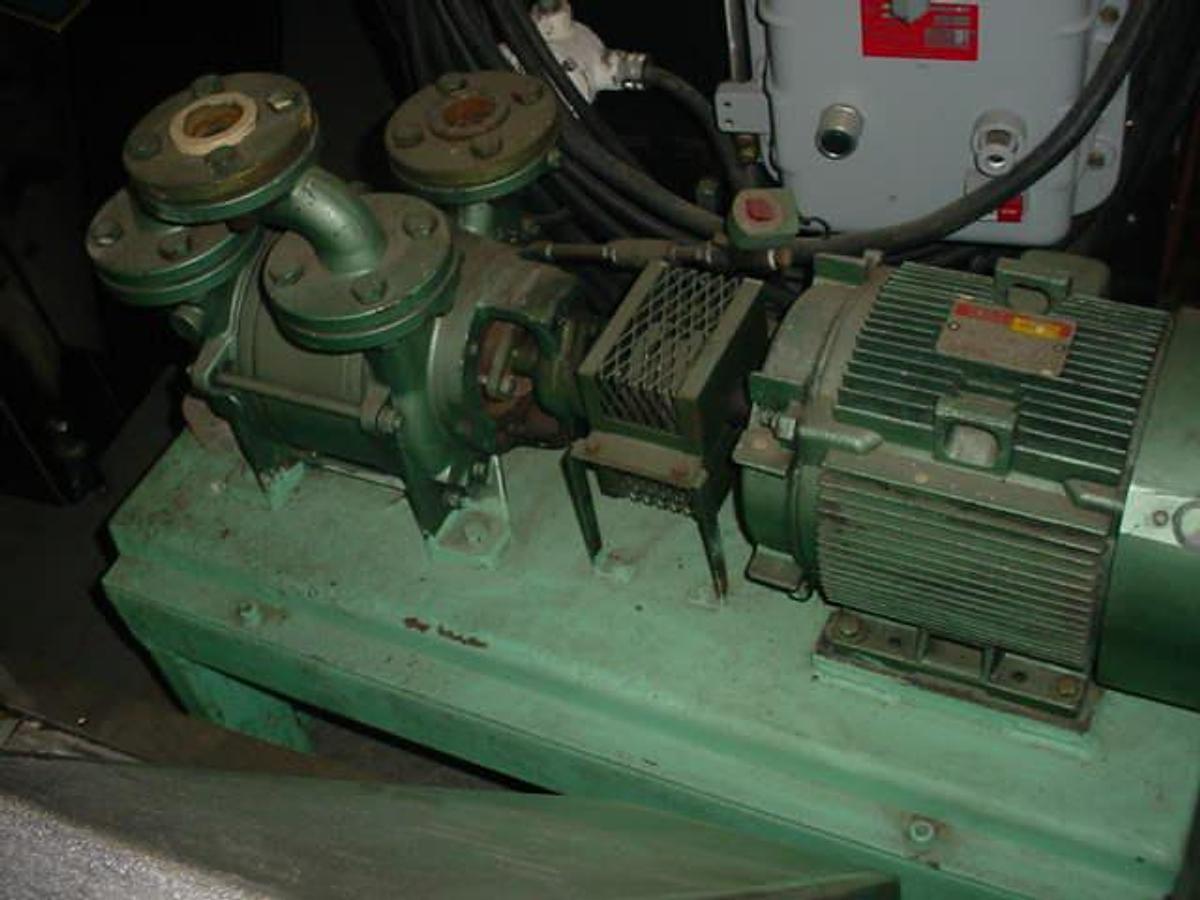
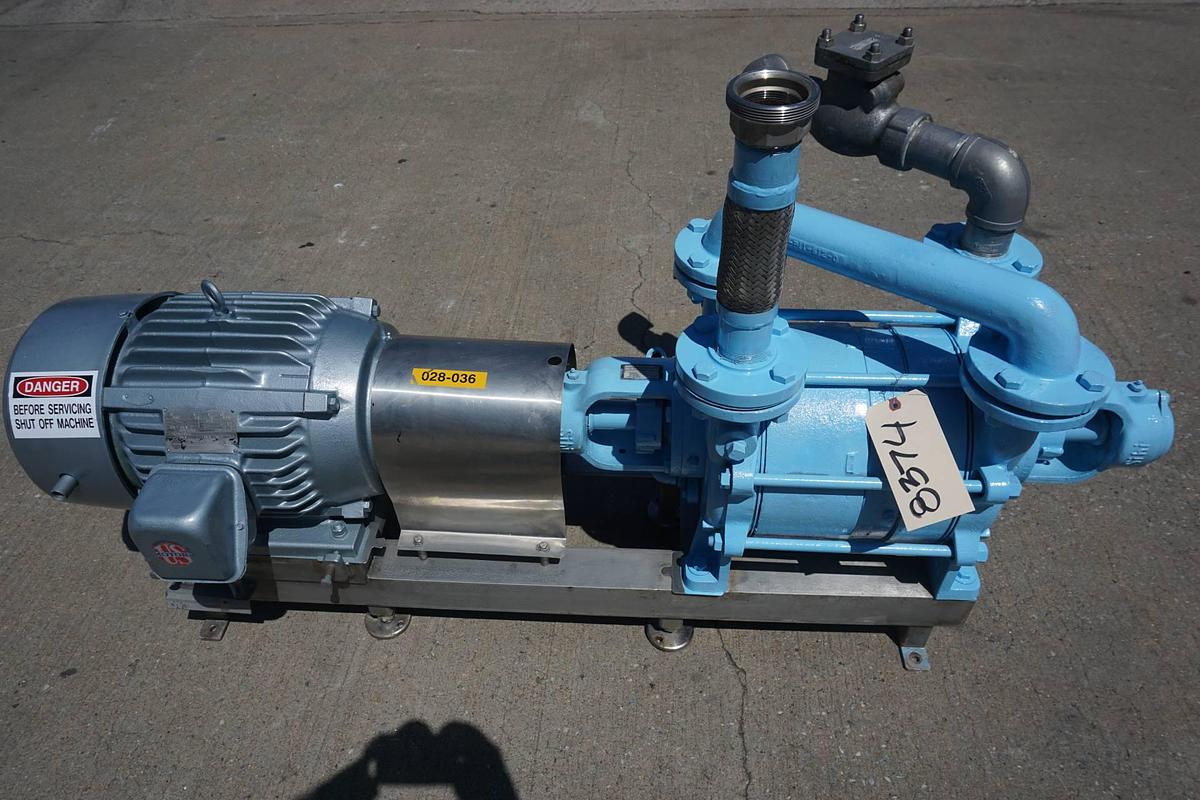
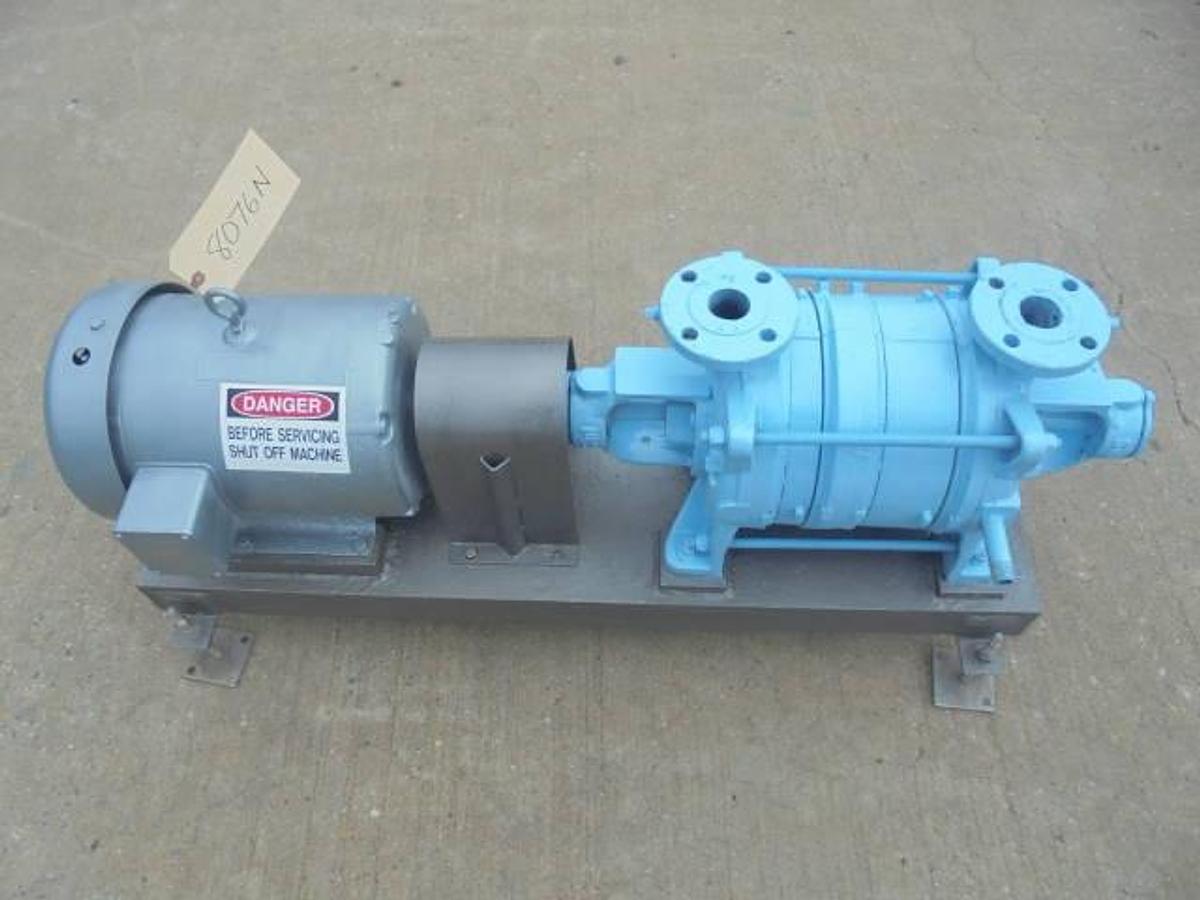
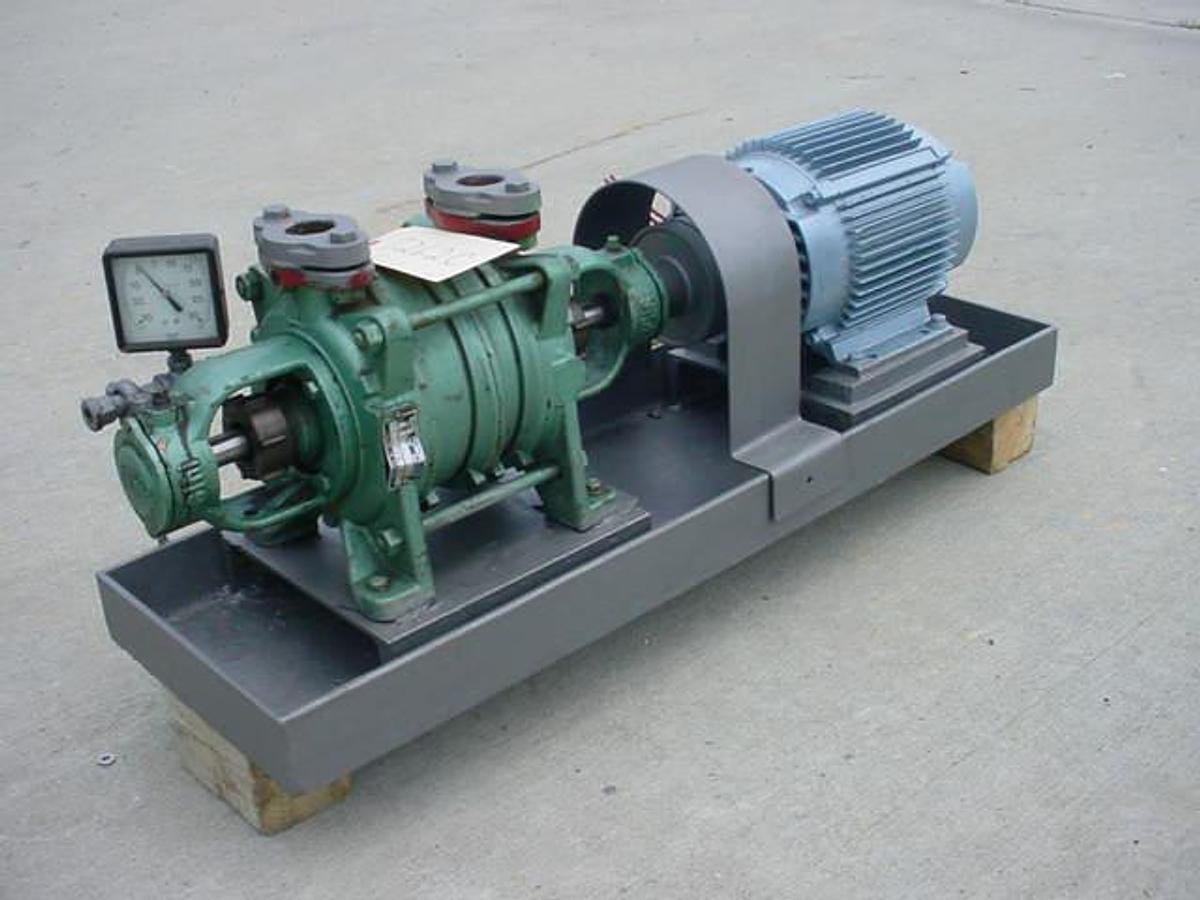
Sihi produces several well-regarded vacuum pump lines, and the models that show up most frequently on the used equipment market reflect the brand's strength in liquid ring technology. The LPHR, LPHB, and LPHC series are among the most commonly traded, each designed for different vacuum levels and volumetric flow capacities. Smaller units in the 3 HP to 7.5 HP range are popular for lighter-duty chemical and processing tasks, while larger configurations with motors in the 20 HP range handle higher-demand industrial applications. Specific models like the LPHF40411 liquid ring vacuum pump appear regularly in used equipment listings.
Beyond the liquid ring category, Sihi also manufactures dry-running vacuum pumps and compressor systems suited to applications where liquid contamination of the process stream is a concern. Used listings tend to skew toward liquid ring models because those units have a longer service life and hold up well in demanding environments, making them attractive candidates for resale after decommissioning from a plant. Buyers searching the used market should pay close attention to the model number, motor horsepower, and inlet connection size to make sure the unit matches their process requirements before committing to a purchase.
What is the difference between a Sihi liquid ring vacuum pump and a dry vacuum pump?
A liquid ring vacuum pump, which is the product category Sihi is best known for, uses a rotating impeller inside a casing partially filled with a sealant liquid, most commonly water. As the impeller spins, centrifugal force throws the liquid outward to form a rotating ring against the casing walls, creating compression chambers that trap and compress gas before discharging it. This design makes liquid ring pumps highly tolerant of entrained liquids, vapors, and even small solid particles in the gas stream, which is why they are a preferred choice in chemical processing, pharmaceutical production, and paper and pulp operations where the process gas is rarely clean and dry.
Dry vacuum pumps, by contrast, use mechanical means such as claw rotors, screw elements, or reciprocating pistons to compress gas without any sealant liquid in the compression chamber. They are better suited to applications requiring a very clean, oil-free vacuum and where even trace moisture from a sealant liquid would be problematic. Dry pumps generally require more precise maintenance and are more sensitive to particulate contamination. For buyers evaluating used Sihi equipment, understanding which technology fits the application is critical, because the two pump types have very different installation requirements, utility connections, and maintenance profiles.
What industries commonly use Sihi vacuum pumps?
Sihi vacuum pumps have a broad industrial footprint, but they appear most consistently in chemical processing, pharmaceutical manufacturing, food and beverage production, paper and pulp mills, and power generation facilities. In chemical processing, liquid ring pumps handle aggressive vapors and solvent-laden gas streams that would damage other pump types. Pharmaceutical plants rely on them for distillation, drying, and filtration steps where a reliable, controllable vacuum level is essential to product quality. The food and beverage sector uses them for packaging, evaporation, and deaeration processes.
Paper and pulp operations have historically been one of the largest users of liquid ring vacuum technology, using large Sihi units for web forming, press section dewatering, and black liquor evaporation. Power plants use vacuum pumps in steam condenser systems to maintain the low back-pressure that maximizes turbine efficiency. Because Sihi equipment is built to run continuously in these demanding environments, used units decommissioned from any of these industries often still have substantial service life remaining, making them an attractive option for buyers in the same or adjacent sectors.
How do I determine the correct Sihi vacuum pump model for my application?
Selecting the right model starts with defining four key parameters: the required vacuum level (expressed in absolute pressure or inches of mercury), the gas flow rate at that vacuum level (typically in CFM or m3/hr), the nature of the gas being handled (clean air, solvent vapors, corrosive gases), and the available utility connections such as sealant water supply and discharge. Sihi's liquid ring pump series are organized around these parameters, with different series covering different vacuum ranges and capacities. The LPHR, LPHB, and LPHC lines each occupy a distinct performance band, so matching the model to the duty point on the pump curve is essential.
For buyers sourcing used equipment, it helps to have a process engineer or pump specialist review the existing system data before searching listings. Motor horsepower alone is not a reliable guide to suitability because the same frame size pump can be configured for very different vacuum levels depending on impeller geometry and casing design. Consulting Sihi or Flowserve technical documentation for the specific model number under consideration, and comparing its published performance curve to the application requirements, is the most reliable approach. Reputable used equipment dealers can often provide the model plate data and dimensional drawings needed to complete this evaluation.
Are used Sihi vacuum pumps reliable, and what should buyers look for before purchasing?
Sihi vacuum pumps have a strong reputation for durability, and units that have been properly maintained in industrial service often retain significant useful life after decommissioning. Liquid ring pumps in particular have relatively few wear components compared to other vacuum technologies, which contributes to their longevity. That said, reliability of any used machine depends heavily on its service history, the conditions it operated under, and how it was stored after being taken out of service. A pump that ran on clean water in a temperature-controlled environment is a very different proposition from one that handled corrosive vapors for years without regular maintenance.
Buyers should request as much documentation as possible, including maintenance records, any available inspection reports, and photos or video of the unit's current condition. Checking the shaft seal area, impeller condition, and casing interior for corrosion or erosion is important because these are the components most affected by the process fluid. Since used equipment is sold as-is, the burden of assessing condition falls on the buyer, which makes the inspection process critical. Reputable dealers will accommodate in-person or video inspections, and some equipment may still be installed at the selling facility where it can be observed under operating conditions. Taking the time to do a thorough inspection before purchase is the most effective way to manage risk on a used pump transaction.
What should buyers know about inspecting used Sihi vacuum pumps before buying?
Used equipment dealers typically offer buyers the opportunity to inspect machinery in person, via video call, or through detailed video captures of the equipment. For a vacuum pump, a useful inspection covers the external condition of the casing and motor, the state of the shaft seal and any visible wear surfaces, the condition of the inlet and discharge flanges, and whether the nameplate data is legible and matches the listing description. If the pump is still installed at a production facility, it may be possible to observe it running, which provides valuable information about vibration, noise, and seal condition that static inspection cannot reveal.
It is worth understanding that most equipment dealers do not have the infrastructure to perform full operational testing under process conditions, since simulating actual production requires permitting and utilities that a typical dealer facility does not have. This means buyers should approach inspections with a checklist focused on physical condition indicators rather than expecting a witnessed performance test. Engaging a millwright, pump technician, or process engineer to participate in the inspection, either in person or remotely via video, adds a layer of technical assessment that is well worth the cost on a significant purchase. Clarifying the scope of the inspection with the dealer before traveling or scheduling is a practical first step.
Are replacement parts readily available for used Sihi vacuum pumps?
Sihi is now part of Flowserve Corporation, one of the largest flow control companies in the world, and Flowserve maintains parts support for many Sihi product lines through its global service network. For relatively recent models, mechanical seals, impellers, bearings, and wear rings are generally obtainable through Flowserve distributors or authorized service centers. However, parts availability can vary significantly depending on the age of the pump and whether the specific model is still in active production. Older or discontinued models may require sourcing parts from specialty suppliers, having components machined to specification, or finding another used pump to cannibalize for parts.
Before purchasing a used Sihi vacuum pump, it is advisable to contact Flowserve or a Flowserve distributor with the model number and serial number to get a realistic picture of what parts are stocked and what lead times look like. This step is especially important for critical process applications where extended downtime would be costly. Buyers should also ask the selling dealer whether any spare parts are included with the pump, since decommissioned industrial equipment is sometimes sold with a partial spare parts kit that the previous owner accumulated during operation. Having key consumables on hand from day one reduces the risk associated with running used equipment.
What is the typical price range for used Sihi vacuum pumps?
Pricing for used Sihi vacuum pumps varies considerably based on model, horsepower, condition, and how recently the unit was decommissioned. Smaller units in the 3 HP to 7.5 HP range tend to be more affordable and are accessible to smaller operations or buyers who need a backup unit. Larger industrial configurations with motors in the 20 HP range and above command higher prices, reflecting both the higher replacement cost and the greater demand from heavy industrial buyers. Liquid ring models generally hold their value well compared to other vacuum pump technologies because of their durability and the high cost of equivalent new equipment.
Beyond the listed price of the pump itself, buyers should factor in the full landed cost, which includes packaging, crating or palletizing, freight charges, and any rigging required for loading and unloading. Larger pumps may need forklift or crane handling, which adds cost at both the shipping origin and the receiving end. Payment terms at most used equipment dealers require full payment prior to shipment, so buyers should be prepared to settle the invoice before the unit leaves the seller's facility. Getting a detailed quote that breaks out all these cost components before committing to a purchase prevents surprises and allows for accurate budget planning.
What should buyers understand about shipping and delivery of used Sihi vacuum pumps?
Vacuum pumps are precision rotating machines, and proper packaging is essential to prevent damage during transit. Smaller units are typically palletized and shrink-wrapped, while larger or heavier pumps may require custom wooden crating to protect flanges, the motor, and the shaft seal assembly from impact. The level of packaging required directly affects shipping costs, and buyers should ask the dealer specifically what packaging will be used and whether the cost is included in the listed price or billed separately. Freight charges for industrial equipment are calculated based on weight, dimensions, and freight class, so costs can vary significantly by destination and carrier.
For larger Sihi pumps, loading at the dealer's facility and unloading at the buyer's site may require a forklift, pallet jack with sufficient capacity, or in some cases a crane or rigging crew. Buyers who are not equipped to unload heavy machinery at their facility should arrange for a rigging contractor in advance. It is also worth confirming lead time with the dealer, since some equipment may need to be prepped, drained of any residual sealant liquid, and inspected before it is ready to ship. Getting all shipping and handling details in writing before finalizing the purchase is the clearest way to understand the true delivered cost of the equipment.
How does buying a used Sihi vacuum pump compare to purchasing new equipment?
The most straightforward advantage of buying used is cost. A used Sihi liquid ring vacuum pump in good condition can be acquired at a fraction of the price of a comparable new unit, which matters significantly in capital-constrained projects or when a secondary or backup pump is needed. Lead times are another factor: new industrial pumps from major manufacturers often carry lead times of several months due to manufacturing schedules and supply chain constraints, whereas used equipment can typically ship within days or weeks of purchase. For operations facing an unplanned equipment failure, the speed of a used equipment transaction can be decisive.
The trade-offs are real, though. Used equipment is sold as-is, meaning the buyer takes on the condition risk that a new purchase would not carry. There is no manufacturer's production warranty, and the service history may be incomplete or unknown. The practical response to these trade-offs is a thorough pre-purchase inspection, a realistic assessment of the pump's remaining service life based on its condition, and a clear plan for sourcing any parts that may be needed in the near term. Buyers who do this homework consistently find that used Sihi equipment, given the brand's reputation for durability, represents strong value relative to the capital outlay required.