Category
Manufacturer
Model
Shuttleworth
Shuttleworth is a leader in providing conveyor systems and automation solutions for various manufacturing sectors. They are recognized for their innovative designs that enhance production line efficiency. Their equipment is widely used in food, beverage, and packaging industries.
FAQ:
What types of Shuttleworth conveyor systems are commonly available on the used equipment market?
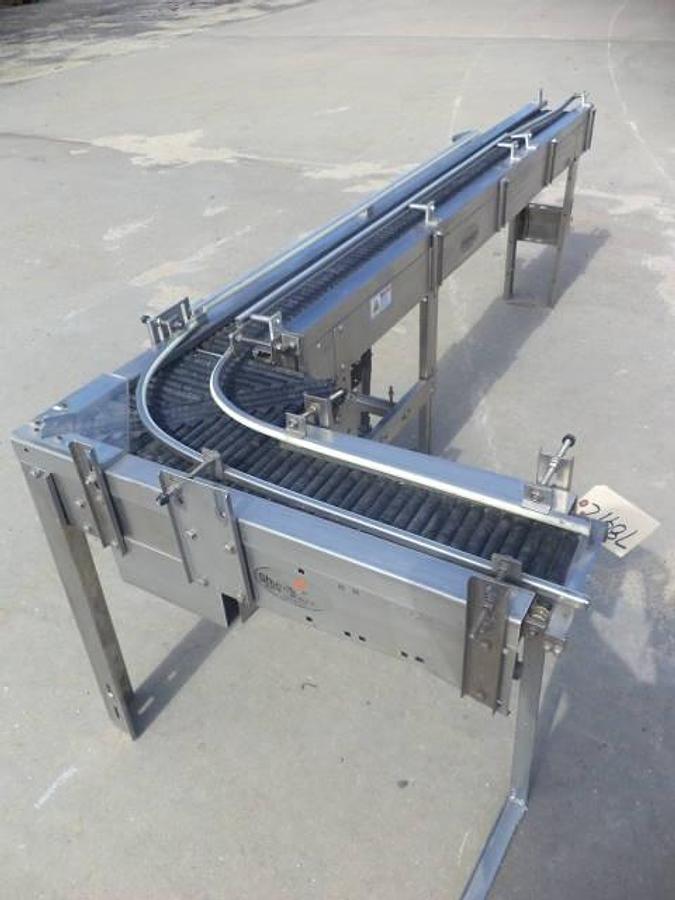
Shuttleworth produces a range of conveyor and automation equipment, and several configurations show up regularly on the used market. The most common types include straight belt conveyors, L-shaped and curved conveyor sections, accumulation conveyors using the brand's well-known slip-torque roller technology, and modular line systems designed for packaging and bottling applications. Belt widths vary considerably, with narrower units in the 5 to 6 inch range suited for small containers and wider configurations handling larger packaged goods. L-shaped units, like the 106-inch L-shaped conveyor with a 5.5-inch wide belt, are particularly useful for production lines that require directional changes without additional transfer equipment.
Slip-torque accumulation conveyors are among the most sought-after Shuttleworth units on the secondary market. These systems use independently rotating rollers covered with a slip-torque sleeve, which allows products to queue on the line without the pressure buildup that damages fragile containers or causes jams. Buyers looking for used Shuttleworth equipment should also check for available drive motor specs, control panel type, and frame condition, since these details directly affect how easily a unit integrates into an existing production environment.
What is Shuttleworth's slip-torque technology and why does it matter for conveyor selection?
Slip-torque is Shuttleworth's signature roller design, and it's one of the primary reasons the brand has maintained a strong reputation in packaging and bottling lines for decades. The system works by placing a soft, independently rotating sleeve over a continuously driven shaft. When a product stops or slows, the sleeve slips against the shaft rather than pushing the product forward with force. This means products can accumulate in a queue without being crushed against each other, which is critical for glass bottles, plastic containers, pharmaceutical packaging, and any item that can be damaged by back-pressure.
For buyers evaluating used Shuttleworth conveyors, the condition of the slip-torque rollers is one of the most important inspection points. The sleeves wear over time and can be replaced, but heavily worn rollers will affect accumulation performance and product handling quality. When inspecting a used unit, ask the dealer to demonstrate roller rotation or provide video footage showing how products move across the conveyor surface. Replacement sleeves are available through Duravant, which now operates the Shuttleworth brand, though availability can vary by model age, so confirming parts access before purchase is a practical step.
What industries use Shuttleworth conveyor systems?
Shuttleworth conveyors are built around gentle product handling, which makes them a natural fit for industries where product damage during transport is a real operational cost. Food and beverage processing is one of the largest application areas, particularly for bottling lines, canning operations, and packaged food production where containers move at high speeds and need to accumulate without breakage. Pharmaceutical manufacturing is another significant sector, where precise, low-pressure handling of bottles, vials, and blister packs is essential for maintaining product integrity and meeting regulatory standards.
Beyond food, beverage, and pharma, Shuttleworth systems are used in general packaging operations, personal care product manufacturing, and industrial assembly lines where components need controlled pacing between workstations. The modular design of most Shuttleworth equipment means the same basic conveyor platform can be configured for different line speeds, product sizes, and facility layouts, which has contributed to the brand's broad adoption across manufacturing sectors. Buyers from any of these industries will find used Shuttleworth equipment relevant to their needs, provided they verify that the specific model and belt width match their product dimensions and throughput requirements.
What should buyers inspect when purchasing a used Shuttleworth conveyor system?
Buying used conveyor equipment requires a more hands-on evaluation approach than purchasing directly from a manufacturer. For Shuttleworth systems specifically, the inspection checklist should cover the condition of the slip-torque rollers or belt surface, the drive motor specifications and operating voltage, the frame for any signs of weld repairs or structural damage, and the control panel to determine whether it uses a current PLC platform or older proprietary controls that may be harder to integrate. Belt width, overall conveyor length, and the configuration (straight, L-shaped, curved) should all be confirmed against the buyer's actual line layout before committing to a purchase.
Reputable used equipment dealers will typically accommodate in-person inspections at their facility or, in cases where the equipment is still installed at a production site, can arrange access through the seller. Video inspections are a practical alternative when travel is not feasible, and many dealers can provide detailed footage of the conveyor running or at least demonstrate roller and drive function. Keep in mind that most equipment dealers are not set up to run full production tests with actual product, so buyers should focus on mechanical condition, electrical function, and dimensional specs during the inspection process. Consulting with Duravant's technical support team about the specific model can also clarify what parts and service resources are available for that unit.
How modular are Shuttleworth conveyor systems, and can sections be reconfigured after purchase?
Modularity is one of the defining characteristics of Shuttleworth's conveyor platform. Most of their systems are built in standardized sections that can be connected end-to-end, reconfigured into different layouts, or extended with additional modules as production needs change. This design philosophy was intentional, aimed at giving manufacturers the flexibility to adapt their lines without replacing entire conveyor systems when product sizes, speeds, or facility layouts shift. For buyers purchasing used equipment, this modularity is a meaningful advantage because a single used section or a partial line can often be integrated into an existing Shuttleworth or compatible conveyor setup.
That said, modularity does not mean all Shuttleworth sections are universally interchangeable. Drive motor configurations, roller shaft diameters, belt widths, and control interfaces can vary between product generations and model lines. Before assuming that a used section will connect directly to existing equipment, buyers should compare the model numbers and specifications carefully. Dealers who specialize in conveyor systems can often help identify compatibility, and reaching out to Duravant's parts and service division for cross-reference information is a useful step when mixing sections from different production years.
What is the typical price range for used Shuttleworth conveyor systems?
Pricing for used Shuttleworth conveyor equipment varies significantly based on the type of system, its length, configuration, age, and overall condition. Smaller single-section belt conveyors or short accumulation units can be found in the range of a few thousand dollars, while longer multi-section slip-torque accumulation systems or complete line configurations with drive controls can run into the tens of thousands. L-shaped or curved sections tend to carry a modest premium over straight sections of comparable length because of their added complexity and the specific layout problems they solve.
Condition is the biggest variable in used conveyor pricing. A unit that has been well-maintained in a clean food-grade environment and has documented service history will typically command a higher price than one pulled from a decommissioned facility with unknown run hours. Buyers should factor in not just the purchase price but also shipping, rigging, and any refurbishment costs such as roller sleeve replacement or motor servicing when calculating the total landed cost. Getting a clear picture of those additional expenses from the dealer before finalizing a purchase helps avoid surprises and makes it easier to compare options across different listings.
Are replacement parts readily available for used Shuttleworth conveyor systems?
Parts availability for used Shuttleworth equipment depends primarily on the age and model of the specific unit. Shuttleworth is now part of Duravant, a family of industrial equipment companies, and Duravant does maintain parts and service support for Shuttleworth products. For relatively recent models, components like slip-torque roller sleeves, drive belts, bearings, and motor assemblies are generally accessible through Duravant's service channels. Older or discontinued models may have more limited factory support, which makes the inspection process even more important before purchase.
Beyond the manufacturer's channel, the aftermarket for conveyor components is reasonably well-developed. Many standard components used in Shuttleworth systems, including bearings, drive motors, and generic belt materials, are available from industrial supply distributors. The slip-torque sleeves are more specific to the Shuttleworth platform, so buyers should confirm availability for the exact shaft diameter and sleeve type on the unit they are considering. Talking to Duravant's technical team about a specific model number before purchasing used equipment is a practical way to gauge what level of parts and support to expect over the life of the machine.
What are the load capacity and speed specifications buyers should look for in used Shuttleworth conveyors?
Shuttleworth conveyors are designed primarily for light to medium-duty product handling rather than heavy industrial loads. Most of their packaging and accumulation systems are rated for products in the range of a few ounces up to several pounds per unit, with overall line loads depending on how many products are accumulating on the surface at one time. Belt speeds on Shuttleworth systems are typically adjustable through variable frequency drives, with operating ranges that can span from a few feet per minute up to 100 feet per minute or more depending on the model and application. The specific speed range and load rating for any given used unit should be confirmed by reviewing the machine's nameplate data or asking the dealer for the original specification sheet.
For buyers integrating a used Shuttleworth conveyor into an existing line, matching the speed capability and load rating to the upstream and downstream equipment is critical for smooth operation. A conveyor running too slowly relative to the rest of the line creates bottlenecks, while one running faster than the line can handle leads to accumulation issues. If the unit's controls have been modified or the drive motor has been replaced at some point in its service life, buyers should verify that the current drive configuration still meets the original speed and torque specifications. Dealers who specialize in conveyor systems can often help interpret nameplate data and compare it against application requirements.
What does buying used Shuttleworth conveyor equipment 'as-is' mean for the buyer?
Used industrial equipment is typically sold without the protections that come with a purchase from a manufacturer. When a dealer sells equipment as-is, the buyer takes on responsibility for verifying the machine's condition before the transaction is finalized. This is standard practice across the used machinery industry and places real importance on the inspection process. Buyers should take advantage of every inspection option available, whether that means traveling to the dealer's facility for a hands-on look, arranging a video inspection, or reviewing detailed photographs and documentation of the machine's current state. Selecting a dealer with a long track record in the conveyor and packaging equipment space adds a meaningful layer of confidence, since established dealers have a reputation to maintain and are more likely to represent equipment accurately.
Buyers should also consult directly with Duravant regarding the specific Shuttleworth model they are considering. The manufacturer's team can provide guidance on the expected service life of key components, what parts are still supported, and whether the model in question has any known maintenance considerations. This due diligence step costs nothing and can significantly improve a buyer's ability to evaluate whether a particular used unit is a sound investment for their production environment. Age, run hours, and model generation all affect how much support a buyer can realistically expect, and getting that picture clearly before purchase is far easier than dealing with surprises after the equipment arrives.
What should buyers understand about shipping and installation costs for used Shuttleworth conveyor systems?
Conveyor systems present some specific logistical challenges compared to smaller pieces of equipment. Longer conveyor sections, multi-unit configurations, and systems with integrated drive stands or control panels can be bulky and heavy, requiring careful palletization or custom crating to prevent damage in transit. Shipping costs will vary based on the size and weight of the equipment, the distance between the dealer's location and the buyer's facility, and the level of packaging required. Buyers should ask dealers for a detailed breakdown of packaging, rigging, and freight costs before finalizing a purchase to get a clear picture of the total landed cost, not just the equipment price.
For larger or heavier conveyor systems, professional rigging may be required both at the point of loading and at the buyer's facility for unloading and positioning. This is an added cost that buyers sometimes overlook when budgeting for used equipment. Once the equipment arrives, installation complexity depends on the specific configuration. A single straight belt section is relatively straightforward to set up, while a multi-section accumulation system with controls integration may require an electrician and a conveyor technician to commission properly. Factoring in these installation costs alongside freight and any planned refurbishment work gives buyers a realistic picture of what the equipment will actually cost to get running on their production floor.